

Introduction: The Art and Science of Craft Studio Storage
Every DIYer, crafter, and creative knows the thrill of new materials—and the chaos they can bring to a workspace. Whether you’re a weekend scrapbooker or a professional artisan, efficient storage is the backbone of a functional craft studio. A well-organized space isn’t just visually appealing; it ensures you spend more time creating and less time searching for supplies. If you’ve ever lost your favorite scissors under a pile of fabric offcuts or found half-dried paint in a forgotten drawer, you’re not alone. Storage challenges are universal, but the solutions can be as unique as your craft. In this post, we’ll dive deep into practical, creative, and budget-friendly storage strategies tailored specifically for DIY craft studios. From taming unruly ribbons to making room for bulky equipment, you’ll discover how to maximize every inch—no matter your studio size or specialty. Let’s transform your workspace into an organized, inspiring haven where creativity flows freely and every material has a home.
Understanding Your Space: Assess Before You Organize
Map Your Workflow
Start by observing your habits. Where do you naturally gravitate when cutting fabric, painting, or assembling projects? Mapping your workflow helps determine high-traffic areas that deserve prime storage real estate. Sketch a rough studio layout, marking areas for prep, assembly, finishing, and storage. This approach ensures that your organization system supports—not hinders—your creative process.
Inventory Every Material and Tool
Before investing in storage solutions, conduct a thorough inventory. List all materials, tools, and equipment, grouping them by frequency of use and project type. This step prevents overbuying and highlights the specific storage needs for different categories—paints, fabrics, beads, cutting tools, adhesives, and more.
Identify Storage Pain Points
- Are there supplies you can never find?
- Do certain materials get damaged due to poor storage?
- Are bulky items eating up valuable workspace?
Noting these issues helps you prioritize which storage solutions will have the biggest impact.
Wall-Mounted Storage: Vertical Solutions for Small Studios
Pegboards: Customizable and Versatile
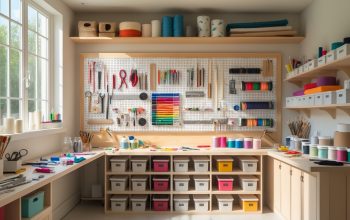
Pegboards are a classic for a reason. Install one above your main work table to keep essential tools—scissors, rulers, pliers—within easy reach. Modern pegboard systems offer modular attachments for baskets, shelves, and hooks. Arrange tools by type or project, and outline each tool’s spot with washi tape for quick returns.
Magnetic Strips and Rails
Magnetic strips aren’t just for kitchens. Mount them to hold metal tools (scissors, knives, rulers) securely. Rails with hanging cups are perfect for pens, brushes, and small bottles. Place these above frequently used stations for maximum convenience.
Open Shelving for Bulk Supplies
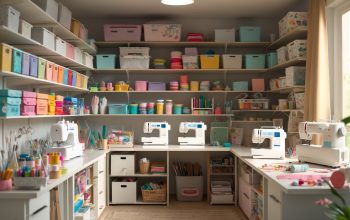
Install open shelves along unused wall space. Use clear bins or baskets to store yarn, fabric, and paper. Label every container—consider color-coding by material type for fast identification. Floating shelves can hold heavier equipment higher up, freeing space below for active projects.
Smart Storage for Different Material Types
Fabric and Textile Storage
- File Folders or Comic Book Boards: Fold and wrap fabric around boards, then store upright in bins or drawers for easy viewing.
- Hanging Racks: Garment racks or wall-mounted rods with clip hangers keep fabrics wrinkle-free and accessible.
- Under-Table Drawers: Slim drawers beneath work tables are ideal for scraps and fat quarters.
Paper, Cardstock, and Ephemera
- Vertical Paper Racks: Repurpose office file organizers for paper storage. Sort by color, weight, or pattern.
- Flat Files: Invest in shallow drawer units for delicate sheets and specialty papers.
- Accordion Folders: Group small ephemera, stickers, and embellishments by theme.
Beads, Buttons, and Small Embellishments
- Clear Sectioned Boxes: Store beads, buttons, and findings in transparent tackle or embroidery boxes. Modular systems allow you to expand as your collection grows.
- Wall-Mounted Spice Racks: Upcycle spice racks or jars for small embellishments—just label each jar for easy sorting.
Paints, Dyes, and Liquids
- Tiered Shelving: Use spice shelf risers or stadium-style organizers for paints and bottles. This ensures labels are visible at a glance.
- Drawer Dividers: Prevent spills and leaks by storing bottles upright in divided drawers lined with absorbent mats.
- Lazy Susans: Place frequently used paints on a turntable for swift access during projects.
Yarn, Thread, and String
- Pegboard Dowels: Thread spools or skeins onto dowels mounted on a pegboard.
- Clear Shoe Organizers: Hang on the back of doors to hold balls of yarn and keep them dust-free.
- Stackable Bins: Organize by fiber, color, or weight with stackable, clear bins for easy identification.
Flexible Furniture: Storage That Moves With You
Rolling Carts
Rolling carts are essential for crafters who multitask or share their studio. Opt for carts with deep, removable trays—perfect for assembling project kits or moving supplies to different stations. Assign each cart a specific function (e.g., sewing, painting, paper crafts) and use magnetic labels for quick swaps.
Multi-Functional Workbenches
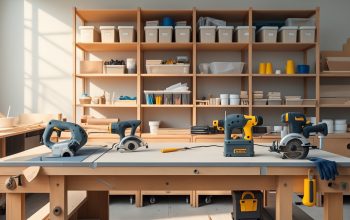
Choose workbenches with built-in drawers, shelves, or cubbies. Some DIYers retrofit old dressers or kitchen islands, adding locking casters for mobility. Store heavy equipment in lower cabinets to keep the surface clear for projects.
Expandable Desks and Folding Tables
If your studio serves multiple purposes or doubles as a guest room, invest in furniture that expands or folds away. Drop-leaf tables, folding desks, and stackable stools maximize space when not in use.
Hidden Storage Opportunities
Behind-the-Door Organizers
Install pocket organizers or hooks behind doors for items like rulers, cutting mats, or rolls of vinyl. This often-overlooked space is perfect for flat or awkwardly shaped materials.
Under-Table and Under-Shelf Storage
Attach shallow bins or baskets to the underside of tables and shelves. Store infrequently used tools, specialty adhesives, or seasonal materials in these hidden spots.
Ceiling-Mounted Racks
For ultra-small studios, consider ceiling-mounted racks for lightweight items like wrapping paper, ribbons, or foam boards. Always ensure the installation is secure and materials are well-supported.
Labeling and Inventory Management
Label Everything—But Make It Flexible
Use erasable labels, chalkboard tags, or dry-erase tape on bins and drawers. This allows you to update contents as your supplies change over time. Consistent labeling helps everyone sharing the space return items to the correct spot.
Digital Inventory Tools
Consider using a simple spreadsheet or a dedicated inventory app to track materials, especially high-value or specialty items. Include columns for quantity, location, and last-used date. Regularly updating this list prevents overbuying and encourages you to use what you have.
Budget-Friendly DIY Storage Hacks
Repurpose Household Items
- Mason Jars: Perfect for storing brushes, pens, or small beads.
- Ice Cube Trays and Muffin Tins: Great for sorting tiny embellishments during a project.
- Shoe Boxes and Cereal Boxes: Reinforce and cover with decorative paper for custom-sized bins.
Upcycled and Thrifted Finds
- Old Spice Racks: Mount on walls for paint bottles or thread spools.
- File Cabinets: Paint and refurbish for sturdy, lockable storage.
- Glass Jars and Tins: Clean and label for storing buttons, sequins, or hardware.
DIY Drawer Dividers
Make custom dividers from foam core, cardboard, or wood offcuts to fit your drawers exactly. This prevents supplies from shifting and keeps everything sorted by type or color.
Organizing for Safety and Accessibility
Hazardous Materials
Store solvents, adhesives, and other chemicals in childproof, ventilated cabinets away from heat sources. Clearly label all containers and keep safety data sheets handy.
Electrical Cords and Power Tools
Use cord organizers or retractable reels to prevent tripping hazards. Store power tools unplugged, in locked drawers or cabinets if children are present. Mount heavy tools at waist height to avoid lifting injuries.
Accessibility for All Users
If your studio is shared or you have mobility needs, ensure essential supplies are within easy reach—ideally between knee and shoulder height. Install pull-out shelves, lazy Susans, or drawer organizers to minimize bending or stretching.
Maintaining Your Storage System
Regular Decluttering Sessions
Schedule quarterly reviews to purge expired paints, dried glues, or materials you no longer use. Donate or swap excess supplies with local crafting groups.
Restocking and Reorganizing
Set aside time monthly to restock essentials and return stray items to their designated spots. Use this opportunity to update your inventory and tweak your storage system as your needs evolve.
Adapting to New Projects
Major projects often bring new materials into your studio. Create temporary project bins to corral supplies while a project is ongoing, then integrate leftovers into your main storage once finished.
Inspiring Case Studies: Real Studios, Real Solutions
The Modular Paper Crafter
Jenna, a card maker with a 10×12’ spare room, uses wall-mounted grids for tools, a rolling cart for in-progress projects, and upright magazine holders for paper. Her tip: “Keep your most-used supplies within arm’s reach and batch-store rarely used items on higher shelves.”
The Textile Enthusiast’s Compact Studio
Marcus, a quilter in a small apartment, installed under-bed drawers for fabric, a pegboard for rotary cutters, and clear bins stacked vertically in his closet. “Labeling everything and using see-through containers saved my sanity,” he says.
Multi-Discipline Maker’s Garage Conversion
Priya converted a one-car garage into a multi-craft studio with ceiling-mounted racks for foam boards, a central worktable with cubbies, and thrifted cabinets for hazardous materials. Her advice: “Don’t be afraid to go vertical—even the ceiling is fair game!”
Conclusion: Your Studio, Your Sanctuary
A craft studio is more than a workspace—it’s where your ideas come to life. Investing time and thought into storage doesn’t just clear clutter; it nurtures your creativity and protects your materials. The most effective storage solutions evolve with your projects, your space, and your personal style. Whether you have a sprawling studio or a corner of your living room, the right mix of wall-mounted systems, flexible furniture, and clever DIY hacks can transform chaos into calm. Remember to inventory your supplies, label everything, and regularly reassess your setup as your crafting journey grows. Above all, let your storage solutions reflect the same creativity and resourcefulness you bring to your projects. With a well-organized studio, you’ll spend less time searching and more time doing what you love—making, building, and creating. Your studio is your sanctuary. Make it work for you, and watch your creative potential soar.
For someone on a limited budget, which storage upgrades do you think make the most difference in keeping a craft area tidy and efficient from the start?
Using clear containers or repurposed jars to group similar supplies can make a big difference without much cost. Wall-mounted shelves or pegboards are also budget-friendly and instantly free up workspace. Prioritize these simple additions to keep your craft area organized and easy to use right from the beginning.
You talk about doing an inventory of materials and tools before organizing. How often should this inventory process be repeated to keep things running smoothly over time?
It’s a good idea to do a quick inventory of your materials and tools every three to six months, depending on how often you craft. This helps you stay aware of what you have, prevents duplication, and ensures your storage stays organized as your supplies change.
I struggle to keep my craft studio organized when my kids share the space for their school projects. Do you have any storage solutions that work for both adult and child materials without everything getting mixed up?
Try using color-coded bins or baskets so each family member has their own designated containers—adults and kids can easily identify where their supplies go. Shelves with adjustable heights let you store adult materials up high and kids’ items within their reach. Rolling carts or drawer units are also handy for separating materials and moving supplies around as needed.
You mention budget-friendly storage solutions—are there certain items or systems you’ve found to be both inexpensive and durable, particularly for heavy fabric or tools?
Plastic storage bins and clear drawer units from hardware stores are both budget-friendly and sturdy options for heavier materials like fabric and tools. Metal shelving units are also a good investment—they’re affordable and can handle significant weight. Repurposed items like old bookshelves or wooden crates can work well if reinforced for extra strength.
After identifying my storage pain points, what’s the next step? Should I tackle the biggest problem zones first or start small to see quick results and stay motivated?
Once you’ve pinpointed your storage pain points, it’s smart to tackle one or two of your biggest problem areas first. This way, you’ll free up the most space right away and notice a real difference. If you’re worried about feeling overwhelmed, though, starting with a small section can help build momentum. Choose whichever approach best matches your motivation style.
I’m curious about budget-friendly options for storing bulky equipment like die-cut machines or sewing machines—do you have recommendations for DIY solutions that keep these items handy but not cluttered?
For larger equipment like die-cut or sewing machines, consider using sturdy rolling carts or repurposed bookshelves with reinforced shelves. Adding labeled baskets or bins underneath keeps accessories organized. If space is tight, a wall-mounted fold-down table can double as storage and workspace, keeping your machines accessible but out of the way when not in use.
You talk about grouping tools and materials by frequency of use. How often do you reassess and reorganize these groups as your projects or interests change?
It’s a good idea to reassess your tool and material groupings every few months, or whenever you notice your crafting habits shifting—like starting a new project type or using different supplies more often. Regularly checking in helps keep your workspace efficient and prevents clutter from building up.
After identifying ‘storage pain points,’ what’s your recommended next step for someone who feels overwhelmed by where to even start tackling their studio’s messiest area?
Once you’ve identified your storage pain points, start by choosing one small area or a single type of material to organize first. Sort items into keep, donate, or toss piles, then group similar things together. Tackling just one section at a time makes the process less overwhelming and helps you build momentum as you go.
Could you give some examples of how to store awkwardly shaped tools, like rotary cutters or long rulers, especially if I have very limited wall space in my studio?
For awkwardly shaped tools like rotary cutters, consider using tabletop utensil caddies or desk organizers with tall compartments. For long rulers, a slim vertical magazine file or a repurposed tall wastebasket placed in a corner can keep them upright and accessible. These solutions make the most of limited wall space by utilizing surfaces and floor areas instead.
I’m working with a small studio and bulky equipment is my biggest storage challenge. Are there any specific storage solutions that save space without making equipment hard to access?
For bulky equipment in a small studio, consider vertical storage like sturdy wall-mounted shelves or heavy-duty pegboards to keep items accessible but off the floor. Rolling carts or under-table storage bins can also help—just make sure they’re easy to slide out. Labeling and grouping equipment by frequency of use can prevent hassle when you need something quickly.
How do you recommend managing and organizing supplies that I use less frequently but still need easy access to, like specialty paints or seasonal ribbons, without taking up prime workspace storage?
Consider using clear, labeled bins or stackable drawers placed on higher shelves or under tables for your less frequently used supplies. This keeps them out of your main workspace but still accessible when needed. Rotating racks or over-the-door organizers can also help you store specialty items without taking up your prime storage areas.
You mention taking inventory before investing in storage solutions. Are there any specific tools or apps that make that process easier, or do you recommend just using a paper list?
Both methods can work well, but using an app can make tracking and updating your inventory much easier. Apps like Sortly or Airtable let you organize materials with photos and categories. If you prefer something simple, a spreadsheet on your phone or computer works too. Paper lists are fine for small collections, but digital tools save time as your supplies grow.
What’s your process for keeping an inventory updated as you buy new tools and materials? I always end up forgetting what I already have.
To keep your inventory updated, try setting up a simple spreadsheet or use an inventory app where you record each new tool or material as soon as you buy it. Group items by category and update the list right after shopping or after using up supplies. Keeping your inventory visible, like posting the list in your craft area, can also help you avoid duplicates and stay organized.
You mention sketching a layout to map out prep and assembly areas. For those of us who aren’t great at drawing, are there digital tools or templates you recommend for planning out craft studio storage?
Absolutely, there are several user-friendly digital tools to help with layout planning. Programs like Canva, Roomstyler, and even simple drag-and-drop apps for home design can help visualize your craft studio without artistic skills. Some offer templates or let you add furniture and storage pieces, making it easy to experiment with different arrangements before you start organizing.