
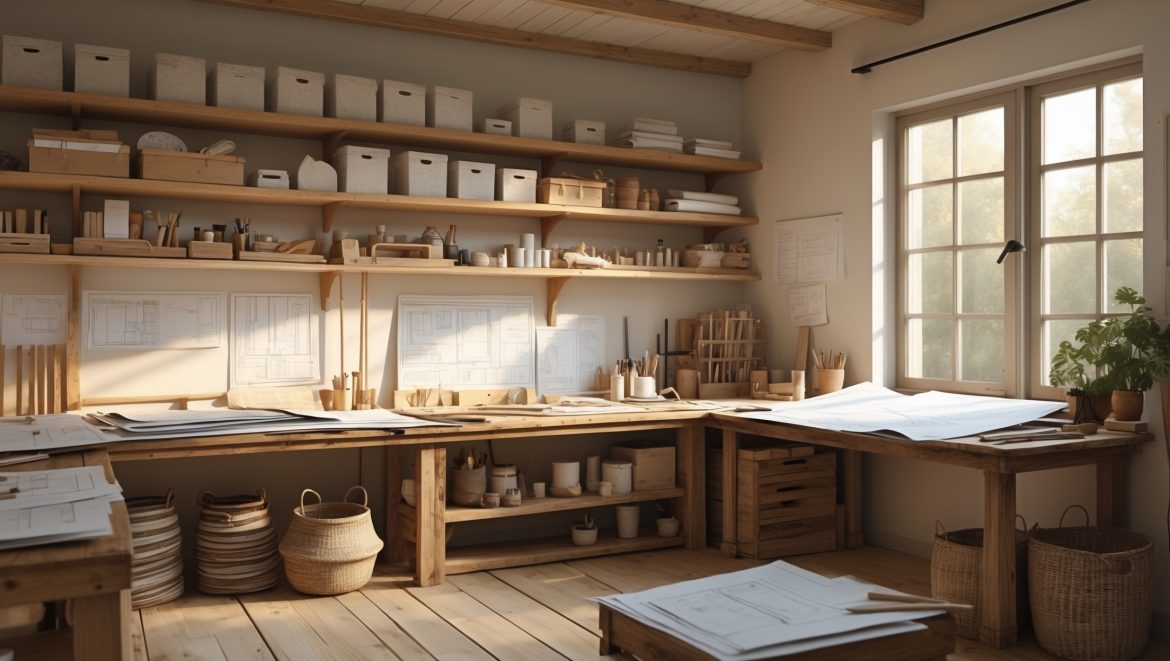
Introduction: Why Compliance Matters for DIY Craft Studios
Setting up your dream craft studio is an exciting leap, whether you’re transforming a spare room or carving out a corner in your garage. But before you unpack your fabric stash or start assembling your tool wall, there’s a critical aspect many DIYers overlook: legal compliance. Navigating local permits, zoning laws, and building codes may seem daunting, but it’s essential for ensuring your creative space is safe, sustainable, and future-proof. Ignoring these requirements can lead to hefty fines, forced closures, or expensive adjustments down the line—especially if you ever plan to sell your handmade goods, host workshops, or open your space to the public. This comprehensive guide demystifies the compliance maze for DIY craft studios, arming you with practical steps and insider advice to secure the necessary permits and meet zoning restrictions without stifling your creativity. Let’s dig into the nitty-gritty so you can focus on what you love—making!
Understanding Compliance: What Does It Mean for DIY Craft Studios?
Compliance, in the context of a DIY craft studio, refers to aligning your workspace with local, state, and sometimes federal laws and regulations. This can include:
- Zoning laws: Dictate what activities are allowed in specific areas (residential, commercial, mixed-use).
- Building permits: Required for alterations, new construction, major electrical or plumbing work.
- Home occupation permits: Needed if you run a business from your residence.
- Fire and safety codes: Regulations for exits, extinguishers, flammable materials, and more.
- Environmental regulations: Rules for ventilation, waste disposal, or chemical use.
While this may sound overwhelming, most craft studios—especially those set up at home—can meet requirements with a bit of research and planning.
Step 1: Research Your Local Zoning Laws
Why Zoning Is Crucial
Zoning laws are local ordinances that dictate how properties can be used in certain neighborhoods. Even if your craft studio is a personal hobby space, zoning impacts whether you can:
- Legally run a business from your residence
- Sell products made in your home
- Renovate or add structures (like a shed or garage studio)
- Host classes or workshops
How to Find Your Zoning Information
Start by visiting your city or county’s planning department website. Look for:
- Interactive zoning maps
- Permitted uses for your zone (e.g., “R1 Residential” or “C2 Commercial”)
- Home occupation regulations
If details are unclear, call or email the planning office with specific questions about your intended craft activities.
Common Zoning Restrictions That Affect Craft Studios
- Limits on business signage or advertising
- Restrictions on noise, odors, or hours of operation
- Prohibitions on customer visits or on-site sales
- Limits on the number of employees
- Parking requirements
Understanding these early helps you design your studio—and your business model—within legal boundaries.
Step 2: Identify Required Permits and Approvals
Common Permits for DIY Craft Studios
- Building Permit: Needed for structural changes, electrical work, plumbing, or adding new rooms/sheds.
- Home Occupation Permit: Allows you to run a business from home; may require inspection.
- Sign Permit: For exterior signage, even small ones.
- Fire Department Clearance: If you store flammable materials or expect visitors.
- Environmental Permits: For chemical use, spray booths, or significant waste output.
How to Apply
- Check your local government’s online portal for downloadable forms.
- Prepare a sketch or floorplan of your intended studio layout.
- List the equipment you plan to use, noting anything that requires special ventilation or electrical load.
- Submit applications with required fees—expect a wait time for review and possible inspections.
Don’t be intimidated by paperwork. Officials are usually happy to guide you, especially if you ask thoughtful questions.
Step 3: Building Codes, Safety, and Accessibility
Key Compliance Areas
- Electrical Safety: Outlets must meet code; extension cords are rarely a substitute for proper wiring.
- Ventilation: Required for studios using paints, solvents, or other chemicals.
- Fire Safety: Fire extinguishers, smoke detectors, and clear exits are often mandated.
- Accessibility: If you’ll host the public (classes, sales), your studio may need to comply with ADA (Americans with Disabilities Act) requirements.
Best Practices for DIYers
- Hire licensed professionals for electrical or structural work.
- Keep a binder of permits, inspection reports, and compliance documents.
- Label hazardous materials and store them according to code.
- Maintain clear walkways and emergency exits at all times.
Even if you’re the only person working in your studio, building to code protects you, your property value, and your investment.
Step 4: Special Considerations for Home-Based Businesses
When Does a Hobby Become a Business?
If you sell crafts online, at fairs, or from your home, you may need a business license and home occupation permit—even if your operation is small. Many municipalities define a business by revenue, frequency of sales, or advertising activity.
Hosting Workshops or Classes
- Check if your zoning allows for regular visitors.
- Verify parking and accessibility requirements.
- Consider liability insurance and waivers for participants.
- If food or drink is served, additional health permits may be needed.
Online Sales and Shipping
- Home-based studios still need to comply with packaging and shipping regulations for hazardous materials (e.g., paints, resins).
- Some states require sales tax collection and remittance.
Being proactive about compliance helps your business grow without unexpected interruptions.
Step 5: Environmental and Waste Management Compliance
Chemical Use and Air Quality
- Some municipalities have strict rules about storing or disposing of solvents, paints, and glues.
- Proper ventilation isn’t just good practice—it’s often a regulatory requirement.
Wastewater and Solid Waste Disposal
- Never pour paint, resin, or glue down household drains.
- Contact your local hazardous waste disposal center for proper drop-off procedures.
- Maintain records of disposal for inspections or audits.
Noise and Nuisance Complaints
- Limit noisy operations to approved hours.
- Soundproofing measures may be required if you’re near neighbors.
Staying compliant not only keeps you legal but also fosters good relationships with your neighbors and community.
Step 6: Navigating Inspections and Ongoing Compliance
Preparing for Inspections
- Keep your studio tidy and organized—inspectors look for clear access and good housekeeping.
- Post permits and licenses in a visible location.
- Have documentation ready: floorplans, MSDS (Material Safety Data Sheets), waste disposal logs.
Staying Up to Date
- Set calendar reminders for permit renewals and periodic inspections.
- Subscribe to your city or county planning newsletter for regulation updates.
- Network with other local makers to share compliance tips and experiences.
Ongoing compliance is less stressful when you make it part of your studio routine.
Common Compliance Pitfalls (and How to Avoid Them)
- Skipping Permits for “Small” Projects: Even minor renovations can trigger permit requirements. Always check first.
- Assuming a Hobby Is Always Exempt: Regular sales, advertising, or customer visits usually mean you’re running a business in the eyes of the law.
- Ignoring Neighbors’ Concerns: Noise, odors, or parking issues can quickly escalate to complaints or enforcement actions.
- Poor Recordkeeping: Lost permits or missing disposal logs can cause headaches during inspections.
- Not Planning for Growth: If you intend to expand, plan compliance steps now to avoid costly do-overs.
Being proactive, organized, and transparent is your best defense against compliance issues.
Expert Tips for a Smooth Compliance Journey
- Build Relationships: Introduce yourself to local officials, inspectors, and fire marshals. A positive rapport can make the process smoother.
- Join Local Maker Groups: Tap into collective knowledge and learn from others’ experiences.
- Document Everything: Keep digital and hard copies of all correspondence, permits, and inspection results.
- Start Small, Scale Smart: Begin with a compliant setup, then scale your studio as your needs (and business) grow.
- Consult Professionals: For electrical, structural, or legal questions, don’t hesitate to bring in an expert. It’s often cheaper than fixing mistakes later.
Conclusion: Create with Confidence—Compliance Is Creative Freedom
Setting up a DIY craft studio is more than a personal passion project—it’s an investment in your creative future. By embracing compliance from the start, you lay a strong foundation for your studio to thrive, whether as a sanctuary for personal projects or a springboard for a growing business. Navigating permits, zoning, and regulations might seem bureaucratic, but it’s ultimately about safety, sustainability, and respect for your community. Every hour you spend researching and securing approvals protects your time, money, and creative energy from unexpected setbacks. Plus, a compliant studio is more attractive to customers, collaborators, and potential buyers if you ever decide to sell your home or expand your business. Remember: compliance isn’t the enemy of creativity—it’s what allows you to create freely, confidently, and without fear of legal trouble. So, take the time to understand your local rules, stay organized, and build positive relationships with officials. Your dream studio deserves nothing less. Now, get out there and make something amazing—legally and with peace of mind!
If I want to occasionally host small craft workshops in my home studio, do the zoning and permit requirements change compared to just using the space for personal projects?
Yes, hosting workshops changes the requirements. Using your home studio for personal projects usually doesn’t trigger additional zoning or permits, but offering workshops—even occasionally—can be seen as a business activity. You may need a home occupation permit, and some local zoning laws could limit the number of attendees or frequency. It’s wise to check with your local zoning office before getting started.
If I’m just using a spare room for sewing and light crafting, do I still need to worry about things like building permits or fire codes, or are those more for bigger renovations?
If you’re simply using a spare room for sewing and light crafting without making structural changes or major electrical upgrades, you likely don’t need building permits. However, basic fire safety is still important—keep exits clear and be cautious with any equipment. Permits and stricter codes are usually for bigger renovations or when running a business that welcomes the public.
Could you explain how environmental regulations like waste disposal and ventilation might apply to a studio that mainly deals with fabric and paint, rather than chemicals or woodworking?
Environmental regulations for a fabric and paint studio usually focus on proper disposal of paint waste, especially if you use acrylics or oils, and ensuring good ventilation to minimize fumes. Even without heavy chemicals, you may need to separate liquid paint waste from regular trash, and check if your local area requires specific ventilation or air quality standards for creative spaces.
What’s the average timeline for getting all the necessary permits approved before starting work on a home-based craft studio? Should I expect long delays depending on my city or county?
The timeline for permit approvals can range from a couple of weeks to several months, depending largely on your local regulations and how busy your city or county offices are. Some areas process permits quickly, while others may have backlogs that cause longer delays. It’s a good idea to check directly with your local permitting office for a more accurate estimate and to ask if there are ways to speed up the process.
What’s the average timeline for getting building permits and other approvals for small DIY studios? I’m trying to plan out my project and want to avoid delays if possible.
For small DIY studios, getting building permits and local approvals typically takes between 4 and 12 weeks, depending on your location and the complexity of the project. To keep things on track, gather all required documents early and check with your local permitting office about specific requirements or common bottlenecks. This helps avoid unnecessary delays.
Could you clarify what kind of changes to my garage would actually require a building permit? For example, would just adding more outlets or better shelving count, or only larger renovations?
Adding more outlets usually requires a permit because it involves electrical work, which needs to follow safety codes. Installing simple shelving typically doesn’t require a permit, unless the shelving is built-in and significantly alters the structure. Larger renovations like adding walls, plumbing, or changing the garage’s use definitely need permits. It’s always best to check with your local building department to be sure.
For someone renting their home, are there extra compliance steps or landlord permissions needed before applying for any craft studio permits?
Yes, if you are renting your home, you’ll usually need written permission from your landlord before applying for any craft studio permits. Many local authorities require this as part of the application process. You should review your lease agreement and speak with your landlord to get approval before moving forward with compliance steps or permit applications.
If my home is in a residential zone but I occasionally sell crafts online and ship them out, do I still need a home occupation permit, or does that only apply if I have customers visiting the studio?
Even if customers aren’t visiting your home studio, many localities require a home occupation permit for any business activity conducted from a residential property, including online sales and shipping crafts. It’s best to check your local regulations, as requirements can vary. Obtaining a permit helps ensure you stay compliant with zoning laws.
How long does it typically take to get all the necessary permits for a home-based craft studio? I’m trying to plan my setup timeline and don’t want to get stalled.
The timeline for getting permits for a home-based craft studio varies quite a bit depending on your city or county. Generally, it can take anywhere from a couple of weeks to a few months. To avoid delays, start by contacting your local zoning office as early as possible and ask for a list of required permits. Having your paperwork and plans ready will help speed things up.
If I want to host small workshops for kids in my converted basement, are there extra compliance steps I should know about compared to just working alone?
Yes, hosting workshops for kids in your converted basement usually requires extra compliance steps. You may need permits for group activities, meet specific safety standards, and ensure your space is properly zoned for assembly use. There could also be additional requirements for fire safety, accessibility, and background checks if working with minors.
If my craft studio is just a small setup in my garage with occasional sales online, do I still need to apply for a home occupation permit, or are there exemptions for hobbyists?
Even if your craft studio is small and you only sell occasionally online, most localities still consider this a business activity. Many areas require a home occupation permit, even for small-scale or part-time operations. However, some places do offer exemptions for hobbyists with very limited sales. It’s best to check your local zoning laws or contact your city or county planning department to confirm your specific situation.
What is the typical cost range for securing all the necessary permits and making my garage space compliant for a small home craft studio?
The cost of permits and bringing a garage up to code for a craft studio usually ranges from $500 to $3,000. This depends on your city’s permit fees, required inspections, and possible upgrades like ventilation or electrical work. It’s best to check with your local permitting office to get an accurate estimate for your specific location and project scope.
Once you’ve researched your area’s zoning laws and know you need a permit, what’s the typical process and how long does approval usually take? I want to estimate how soon I could realistically start my DIY studio.
After confirming you need a permit, you’ll typically submit an application to your local zoning or building department, often including floor plans or project details. The review process can take anywhere from a couple of weeks to a few months, depending on your area’s workload and requirements. Reaching out to your local office can give you a more precise timeline for your specific project.
For small studios run out of a garage, how much should I budget for getting all the necessary permits and inspections? Are there any hidden fees people overlook during this process?
For a small studio in your garage, permit and inspection costs can range from $200 to $1,500, depending on your city and the complexity of your setup. People often overlook costs like application fees, possible impact fees, and expenses for required upgrades (like electrical or fire safety). It’s a good idea to ask your local planning office for a full breakdown before you begin.
If my local zoning laws seem unclear about running a small-scale craft business at home, what’s the best way to get reliable clarification? Should I contact my city planning office directly, or is there another resource you recommend?
Contacting your city planning or zoning office directly is the best way to get accurate, up-to-date information specific to your area. You can usually call, email, or visit in person. If you want extra guidance, consider reaching out to a local small business association or a zoning consultant familiar with your municipality.