
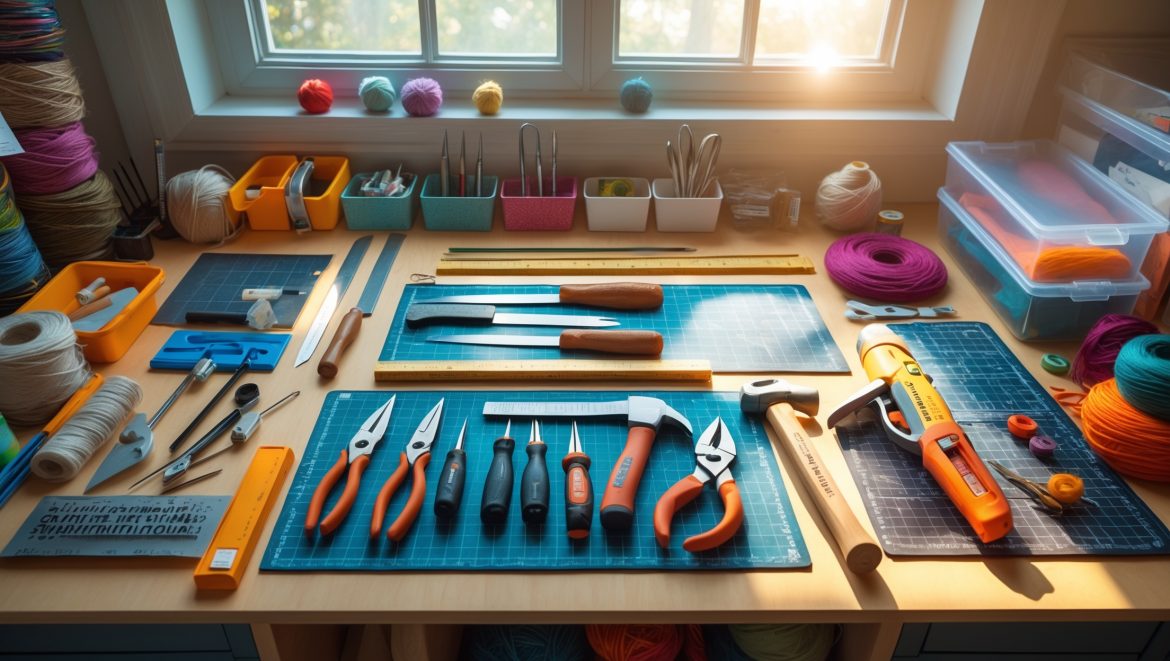
Introduction: Why the Right Hand Tools Matter in Your DIY Craft Studio
Setting up a DIY craft studio is more than just finding a space and stocking it with colorful supplies. The backbone of every creative, productive workspace is the right set of hand tools—those reliable, often unsung heroes that make or break your crafting experience. Whether you’re a seasoned artisan or a passionate beginner, the selection and organization of your hand tools directly impacts the quality of your work, your safety, and your overall enjoyment. But with so many options available, how do you know which tools are truly essential and how to set them up for maximum efficiency? This guide dives deep into the must-have hand tools for any DIY craft studio, offering practical selection advice, setup strategies, and actionable tips to create a workspace that inspires creativity and ensures every project runs smoothly.
Understanding Your Crafting Needs: The Foundation of Smart Tool Selection
Assessing Your Craft Specialties
Before investing in tools, consider the types of crafts you plan to pursue. Are you into paper crafts, fabric arts, woodworking, or a mix of several disciplines? Each specialty demands different hand tools. Start by listing your top five most frequent project types and noting the common tools required for each. This focused approach prevents overspending on gadgets you’ll rarely use and ensures your workspace is tailored to your real interests.
Budgeting for Quality vs. Quantity
It’s tempting to buy inexpensive multi-packs, but low-quality tools can hinder your progress and even pose safety risks. Prioritize quality for your most-used items—think precision scissors, sturdy rulers, and reliable utility knives. For tools used occasionally, budget-friendly options may suffice. Keep a running wishlist for future upgrades as your skills and needs evolve.
The Must-Have Hand Tools for Every DIY Craft Studio
Cutting Tools
- Precision Scissors: Invest in at least two pairs—one for fabric and another for paper. Keep them sharp and labeled to prevent cross-contamination.
- Utility Knife or Craft Knife: Essential for precise cutting of paper, cardboard, foam board, and lightweight wood. Opt for retractable blades for safety.
- Rotary Cutter: Especially useful for quilting, sewing, and straight cuts on fabric and paper.
- Self-Healing Cutting Mat: Protects your surfaces and prolongs blade life. Choose a size that fits your workspace.
Measuring & Marking Tools
- Metal Ruler: For straight, accurate cuts; won’t be damaged by blades.
- Tape Measure: Flexible for larger projects and three-dimensional measurements.
- Triangle or Square: Keeps angles precise, crucial for box-making and framing.
- Marking Pencils & Fabric Chalk: For temporary, visible guidelines on various surfaces.
Fastening & Joining Tools
- Hot Glue Gun: A versatile staple for everything from quick fixes to permanent joins. Stock up on glue sticks and use a silicone mat underneath.
- Needle-nose and Standard Pliers: For bending wire, gripping small parts, and jewelry work.
- Small Hammer: Ideal for light nailing and setting eyelets or brads.
- Assorted Screwdrivers: Both Phillips and flathead in various sizes for assembling frames, storage units, and repairing tools.
Finishing & Detailing Tools
- Sanding Block or Emery Board: Smooths rough edges on wood, plastic, and even some metals.
- Tweezers: For placing small embellishments and handling tiny parts.
- Paintbrushes (Various Sizes): Not just for painting—use for dusting, applying glue, or cleaning tight spots.
- Awl or Piercing Tool: For starting holes or making marks in leather, paper, and thin wood.
Specialty Tools (Based on Craft)
- Sewing Needles & Threaders: For textile and embroidery projects.
- Wire Cutters: Essential for jewelry and floral crafts.
- Clay Modelling Tools: If you work with polymer or air-dry clay.
- Stapler & Hole Punch: Paper crafts, bookbinding, and organizing patterns.
Smart Tool Setup: Organizing for Efficiency and Inspiration
Work Surface Planning
Your primary work surface should be large enough to spread out projects, with a durable top that can withstand cutting, gluing, and the occasional spill. If space is limited, invest in a fold-out table or a rolling cart with a removable top. Place your most-used tools within arm’s reach, either on a pegboard, magnetic strip, or in a desktop caddy.
Tool Storage Strategies
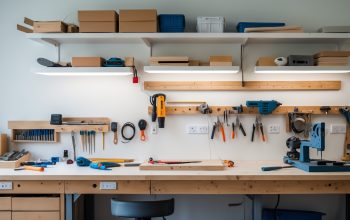
- Pegboards & Hooks: Keep scissors, rulers, and pliers visible and accessible.
- Drawer Organizers: Use divided trays for small tools and parts, labeling sections for easy access.
- Magnetic Tool Strips: Ideal for metal tools like screwdrivers and tweezers; mount above your work surface.
- Portable Toolboxes: Handy for frequently-used kits or for crafters who work in multiple locations.
Creating Tool Zones
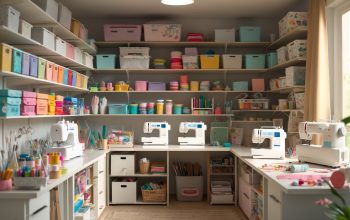
Organize your studio into zones based on activity. For example, cutting and measuring tools near the main workbench, fastening and finishing tools in a secondary zone, and specialty tools grouped by craft (e.g., a sewing nook or jewelry station). This minimizes clutter and streamlines your workflow.
Practical Tips for Tool Maintenance and Longevity
- Regular Cleaning: Wipe down tools after use, especially glue guns and scissors.
- Sharpen Blades: Invest in a sharpening tool for scissors and rotary cutters. Dull blades damage materials and can cause accidents.
- Rust Prevention: Store metal tools in a dry spot and consider silica gel packs for added protection.
- Labeling: Mark tools with your name or a color code if you share your space, reducing loss and mix-ups.
- Tool Inventory: Keep a digital or written list of your tools. Note purchase dates and maintenance schedules to plan replacements or upgrades.
Safety Essentials: Using Hand Tools Responsibly
Choosing Safe Tools
Select tools with ergonomic handles and non-slip grips to reduce fatigue and the risk of accidents. Always inspect new tools for defects and test moving parts before use. Avoid tools with cracked handles, bent blades, or loose fasteners.
Workspace Safety Practices
- Keep Blades Covered: Use blade guards or retractable knives; never leave sharp tools exposed.
- Stable Surfaces: Ensure your cutting mat and workbench are level to prevent slips.
- Proper Lighting: Good lighting prevents eye strain and improves precision. Supplement natural light with adjustable task lamps.
- First Aid Kit: Stock basic supplies—bandages, antiseptic, tweezers—and keep it easily accessible.
Expanding Your Toolkit: When and How to Upgrade
Identifying Gaps as You Grow
As your skills progress, you’ll naturally identify new needs. Keep a notepad handy to jot down tools you wish you had during a project. Research before buying—read reviews, watch demonstration videos, and ask fellow crafters for recommendations.
Testing Before Investing
Whenever possible, test tools in-store or borrow from friends before committing. Some specialty stores offer try-before-you-buy workshops. For big-ticket items, wait for sales or shop second-hand; quality tools often last for decades with proper care.
Budget-Friendly Tool Acquisition Strategies
- Starter Kits: Many brands offer curated starter sets for specific crafts—great value for beginners.
- Swap Meets & Online Marketplaces: Exchange unused tools with other crafters or buy gently-used pieces.
- DIY Tool Upgrades: Personalize or improve budget tools with grip wraps, blade swaps, or custom storage solutions.
Conclusion: Building a Creative Future, One Tool at a Time
Curating the right hand tools for your DIY craft studio is an empowering process that sets the stage for years of joyful making. By prioritizing essentials—cutting, measuring, fastening, and finishing tools—you lay a solid foundation for safe, efficient, and inspired crafting. Thoughtful setup and smart organization transform your workspace into a haven where creativity flows and projects come to life with less frustration and more satisfaction. Remember: your tools are only as effective as their care and accessibility. Invest in quality where it counts, maintain your collection diligently, and be open to upgrading as your interests and skills expand. With a well-equipped hand tool arsenal, you’ll find yourself ready to tackle every new idea with confidence, creativity, and a sense of adventure. Happy crafting!

When choosing between quality and budget tools for a new studio, how do you decide which less-used items are actually safe to buy cheap, especially when it comes to things like craft knives or specialty rulers?
When deciding on budget versus quality for less-used tools, focus on safety and accuracy. For items like craft knives, it’s best not to go too cheap—look for a reliable locking mechanism and solid grip. With specialty rulers, basic budget versions are usually fine unless you need precise measurements for detailed projects. Prioritize safety and performance even if you’ll use the tool infrequently.
If space is limited, what are your top tips for organizing hand tools efficiently so they’re easy to access but don’t clutter up the workspace?
When space is tight, use wall-mounted pegboards or magnetic strips to keep hand tools visible and within reach. Store smaller items in labeled bins or drawers. Only keep frequently used tools out, and rotate others as needed. Consider foldable work surfaces and multi-purpose storage solutions to maximize your workspace.