

Introduction: Why Waste Management Matters in Your DIY Craft Studio
Every creative journey in a DIY craft studio generates not only beautiful projects but also a surprising amount of waste. From fabric scraps and paper trimmings to empty paint tubes and packaging, these remnants can quickly accumulate, turning your inspiring workspace into a cluttered and potentially hazardous environment. Beyond aesthetics and safety, how you handle craft waste has a significant environmental impact. While creativity thrives on experimentation and abundance, responsible waste management is essential for maintaining a functional, healthy, and sustainable studio. This guide dives deep into practical, eco-conscious waste management strategies tailored for all types of craft studios—whether you’re a hobbyist or a full-time maker. We’ll cover actionable systems for sorting, disposing, and upcycling materials, share tips for reducing waste at the source, and offer creative solutions to give new life to leftovers. By the end, you’ll be empowered to keep your studio organized, minimize your ecological footprint, and even spark new inspiration from what once seemed like trash.
Understanding Craft Studio Waste: What Are You Really Tossing?
Common Types of Waste in Craft Studios
- Scrap Materials: Fabric offcuts, paper trimmings, yarn, wood shavings, and leftover beads.
- Packing Materials: Cardboard boxes, bubble wrap, plastic bags, and Styrofoam inserts from supplies or equipment.
- Used Containers: Empty paint tubes, glue bottles, spray cans, and jars.
- Consumable Waste: Paint water, solvent residues, dull blades, and worn-out sandpaper.
- Broken Tools & Equipment: Snapped needles, bent rulers, malfunctioning glue guns.
Environmental Impact of Studio Waste
Many materials common in craft studios are not biodegradable and, if disposed of improperly, contribute to landfill overflow, chemical pollution, and microplastic contamination. Certain crafting residues (solvents, acrylic paints, glues) can be hazardous to both people and the environment. That’s why it’s crucial to identify what’s being discarded and adopt mindful disposal or upcycling habits.
Setting Up Your Studio Waste Management System
1. Waste Segregation: The Foundation
- Designate Drop Zones: Allocate specific bins for recyclables, landfill waste, compostables (if applicable), hazardous waste, and upcyclables. Color-code bins or use clear labels for quick sorting.
- Location Matters: Place bins within arm’s reach of key workstations—cutting table, painting area, packaging zone—to encourage consistent use.
- Regular Sorting Routine: Schedule a weekly 10-minute sorting session to prevent overflow and keep materials organized.
2. Bin Selection and Organization
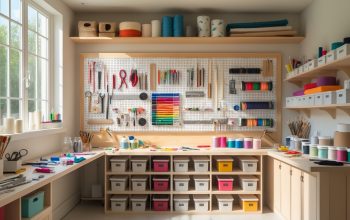
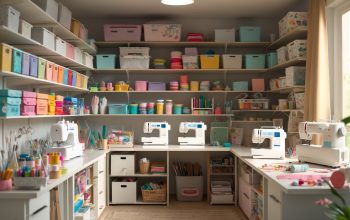
- Stackable Bins: Great for small studios; use vertical space to store sorted scraps.
- Clear Containers: Allow you to see contents at a glance, preventing forgotten waste buildup.
- Sealable Bins for Hazardous Materials: Paints, solvents, and sharp tools should be stored in airtight, labeled containers away from children or pets.
- Countertop Scrap Baskets: Ideal for catching small trimmings during projects; empty into main bins at day’s end.
3. Creating an Upcycling Zone
- Dedicated Shelves or Cubbies: Store usable offcuts, jars, and unique remnants for future projects.
- Inspiration Board: Hang a corkboard to pin ideas for repurposing specific scraps, sparking creativity before items are trashed.
- Display Examples: Keep a few upcycled projects visible to remind yourself and visitors of the potential in leftovers.
Eco-Friendly Disposal: From Recyclables to Hazardous Waste
Recycling Guidelines for Crafters
- Paper: Most clean paper scraps can go in municipal recycling, but avoid tossing in glittered, glued, or heavily painted pieces.
- Plastics: Clean, rigid plastics (jars, packaging inserts) are generally recyclable; soft plastics are less accepted—check local guidelines.
- Metal: Dull blades, aluminum foil, and metal findings (without glue) can be recycled as scrap metal, but collect in a separate container for safety.
- Glass: Clean jars and bottles are recyclable but must be free of paint or adhesive residue.
- Textiles: Many cities offer textile recycling; otherwise, donate large, clean fabric scraps to local schools or charities.
Disposing of Hazardous Craft Waste
- Paints and Solvents: Never pour down the drain. Collect in labeled, sealed containers and take to a hazardous waste facility.
- Batteries and Electronics: Old glue guns, battery packs, or LED lights should go to e-waste collection centers.
- Sharp Tools: Store broken needles, blades, and pins in a puncture-proof container; dispose of according to local sharps protocols.
Composting in the Craft Studio
- Compostable Waste: 100% cotton threads, natural fabrics, wood shavings, and untreated paper can be composted.
- Non-Compostable: Avoid composting synthetic materials, painted/inked paper, or items containing glue or plastic.
Reducing Waste at the Source
1. Mindful Material Purchasing
- Buy Only What You Need: Make detailed project plans and shopping lists to avoid overbuying.
- Bulk Purchases vs. Small Packs: Bulk can reduce packaging waste, but only if you’ll use all the material before expiry.
- Opt for Minimal Packaging: Choose suppliers who use recyclable or compostable packaging materials.
2. Smart Project Planning
- Nesting and Efficient Cutting: Plan cuts to maximize material use and minimize offcuts.
- Design for Leftovers: Incorporate scrap usage into your project designs—patchwork, collage, or small accessories.
- Test on Scraps: Before using new techniques, test on offcuts instead of wasting fresh material.
3. Reusable Supplies
- Washable Rags: Replace disposable paper towels with fabric rags you can launder.
- Refillable Containers: Buy glue, paint, and solvents in bulk and refill small bottles to reduce plastic waste.
Creative Upcycling: Turning Trash into Treasure
1. Organizing Your Upcycling Inventory
- Sort by Material and Size: Keep similar scraps together for easy project planning.
- Label Jars/Boxes: Note the material type, color, or project ideas.
- Set a Limit: Keep only what you’ll realistically use—rotate stock every few months to prevent hoarding.
2. Upcycling Ideas for Common Craft Waste
- Fabric Scraps: Quilt patches, fabric beads, bookmarks, doll clothes, or pincushions.
- Paper Offcuts: Handmade greeting cards, gift tags, paper mosaics, or mini origami.
- Yarn Bits: Pom-poms, tassels, woven coasters, or embellishments for mixed media art.
- Empty Containers: Paint jar organizers, brush holders, or seedling pots.
- Wood Shavings: Natural filler for packaging, textured backgrounds for collage, or eco-friendly fire starters (if untreated).
- Bubble Wrap and Cardboard: Use for texture in painting, homemade stamps, or as protective packaging for outgoing crafts.
3. Community Upcycling and Material Swaps
- Host a Swap: Invite local crafters to trade surplus materials and scraps.
- Donate Usable Offcuts: Schools, art centers, and activist groups often accept clean leftovers for projects.
- Collaborate on Upcycled Art: Join or initiate group art projects using only discarded materials.
Maintaining Your Waste Management System
1. Routine Tasks
- Daily: Sort scraps into bins as you work; wipe down surfaces to prevent buildup.
- Weekly: Empty full bins, check upcycling inventory, and update inspiration board.
- Monthly: Deep clean bins, audit hazardous waste, and rotate out old scraps.
2. Seasonal Deep Cleans
- Quarterly Purge: Reassess stored materials; recycle or donate items not used in the past season.
- Inventory Refresh: Reorganize bins, relabel containers, and update inspiration board with new ideas.
Safety Considerations for Craft Waste
- Sharp Objects: Always store and dispose of blades, needles, and other sharps in puncture-proof containers.
- Toxic Residues: Wear gloves when handling paints, glues, or solvents; never mix hazardous waste with regular trash or recycling.
- Proper Ventilation: Keep your studio well-ventilated when working with or disposing of chemicals.
Conclusion: Embracing Sustainable Creativity
Managing waste effectively in your DIY craft studio is about more than just keeping your space tidy—it’s a commitment to environmental stewardship, personal safety, and creative potential. By setting up a thoughtful waste management system, you not only reduce your ecological footprint but also gain a clearer, more inspiring workspace. Remember, every scrap has the possibility for a second life, whether it’s upcycled into art, donated to your community, or recycled responsibly. The effort you invest in sorting, storing, and reusing materials will pay dividends in project efficiency, cost savings, and peace of mind. Ultimately, sustainable waste practices don’t restrict your creativity—they expand it, challenging you to see value in the overlooked and to innovate with what you have. Start today by reviewing your current habits, making small changes, and celebrating each step toward a cleaner, greener, and more imaginative craft studio. The planet—and your future projects—will thank you.

Do you have any suggestions for how to safely dispose of solvents and paint water in a home craft studio, especially if my local waste program doesn’t accept them?
For solvents, store them in sealed, labeled containers until you can take them to a hazardous waste collection event, as pouring them down the drain is unsafe. For paint water, let the solids settle, pour off the clear water (if your municipality allows), and dispose of the dried paint residue in the trash. Always check local regulations, as they can vary.
I often feel overwhelmed by all the different types of waste, especially broken tools and leftover consumables. Is there a step-by-step system you would recommend to help small studio owners minimize clutter while staying eco-friendly?
Absolutely, a simple step-by-step system can make things much easier: 1) Sort waste into categories like broken tools, leftover materials, and recyclables. 2) Identify what can be repaired, donated, or upcycled. 3) Set up dedicated bins or shelves for each category. 4) Schedule regular decluttering sessions to keep things under control. This approach helps keep your studio tidy and more sustainable.
How do you recommend disposing of solvent residues or paint water safely without risking harm to the environment or local water systems?
To dispose of solvent residues or paint water safely, allow solids to settle, then pour off the clear water for proper hazardous waste collection—never down the drain. Let solvent residues evaporate in a well-ventilated area, then dispose of the dried remnants at a hazardous waste facility. Always use sealed containers and follow local disposal guidelines to protect the environment.
I’m wondering if there are cost-effective sorting or disposal systems you recommend for small craft studios on a tight budget. Are there organizational tools or methods that work well without buying a bunch of new storage containers?
You can repurpose items you already have, like cardboard boxes, jars, or old bins, to set up sorting stations for different types of craft waste. Label each container clearly to keep things organized. Wall-mounted shelves or pegboards made from reclaimed materials can also help maximize space without extra cost.