
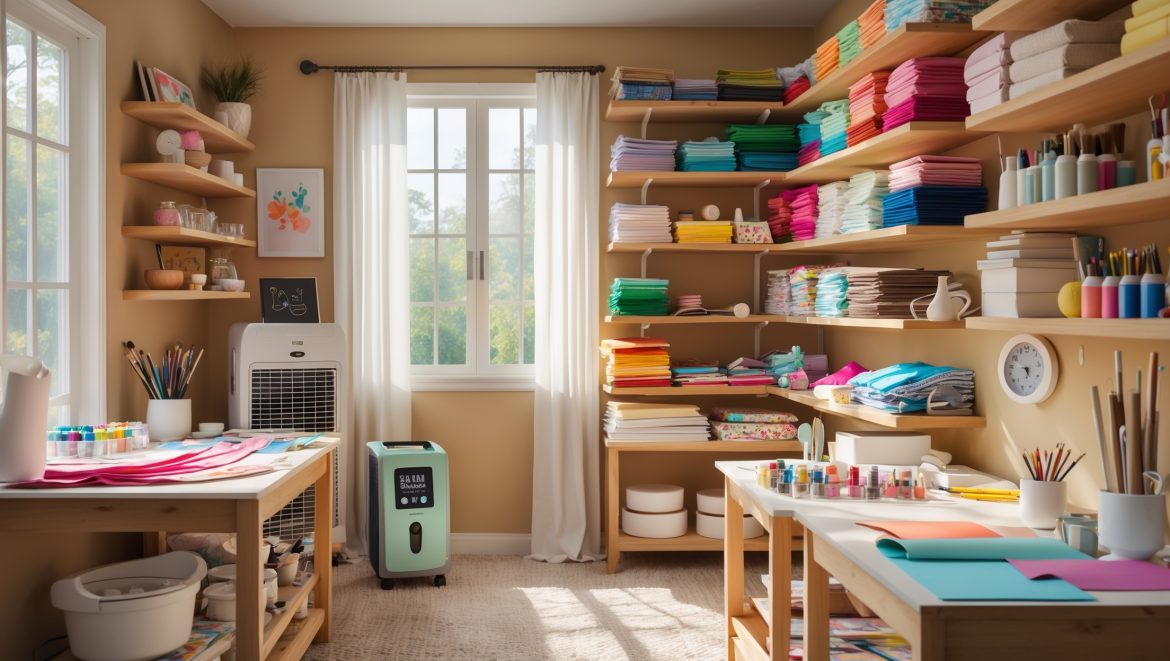
Introduction: Why Climate Control Matters in Your DIY Craft Studio
Every crafter knows the thrill of a well-organized, inspiring workspace. But even the most beautifully arranged DIY studio can become a source of frustration if climate control is overlooked. Temperature swings and fluctuating humidity can warp wood, mildew fabrics, cause adhesives to fail, and even damage expensive tools. Whether you’re working with delicate papers, specialty textiles, or advanced resins, the microclimate of your studio will directly impact material longevity, the quality of your finished projects, and your personal comfort while you create.
This comprehensive guide explores the critical elements of DIY craft studio climate control—focusing on temperature and humidity management. We’ll dive deep into why these factors matter, how to monitor and maintain optimal conditions, and which practical solutions you can implement, whether you’re converting a spare room, garage, basement, or backyard shed. Expect actionable advice, product recommendations, and troubleshooting tips to help preserve your creative investments and keep your workflow uninterrupted year-round.
The Science of Studio Climate: Understanding Temperature and Humidity
How Temperature Affects Your Craft Materials
Temperature changes don’t just impact your personal comfort; they can have dramatic effects on the materials and tools you use. Here’s why it matters:
- Papers and Cardstock: Heat causes paper fibers to expand and contract, leading to warping or brittle edges. Cold can make papers more fragile and prone to cracking when folded.
- Fabrics: Extreme temperatures break down natural fibers (like cotton or wool), fade dyes, and can shrink or stretch your textiles.
- Wood: Wood expands in heat and contracts in cold, risking splits, warping, and loose joints in frame projects or furniture builds.
- Adhesives and Paints: Many glues and paints have a narrow application temperature window; too cold and they won’t set properly, too hot and they dry too quickly or become tacky.
- Electronics and Power Tools: Overheating can shorten tool lifespan or lead to malfunctions, while cold can impact battery performance.
The Role of Humidity in Craft Preservation
Humidity—the amount of moisture in the air—poses unique challenges for every DIY studio:
- Papers and Books: High humidity causes pages to stick, ripple, or develop mold. Low humidity makes papers brittle and prone to static.
- Fabrics: Dampness can lead to mold, mildew, and musty odors, while dry air can cause static and fiber breakage.
- Wood: Wood absorbs moisture, swelling or warping in high humidity and cracking when the air is too dry.
- Paints, Inks, and Resins: Many finishing products cure best within specific humidity ranges. Too much moisture can ruin finishes or prevent proper setting.
Assessing Your Studio: Identifying Climate Control Challenges
Common Studio Locations and Their Risks
- Spare Rooms: Often tied to the main home climate system, but can have drafty windows or inconsistent heating/cooling.
- Basements: Prone to high humidity, musty odors, and temperature swings.
- Garages: Typically lack insulation and climate control, leading to wide temperature fluctuations and condensation issues.
- Backyard Sheds: Most vulnerable to outdoor conditions; require significant modification for year-round use.
Spotting Symptoms of Poor Climate Control
- Warped, curled, or wavy papers and books
- Sticky, musty-smelling fabrics or visible mold
- Cracked paints, brittle glues, or failed adhesive bonds
- Rust on metal tools and hardware
- Condensation on windows or cold surfaces
- Uncomfortable working conditions (sweating, chills, dry eyes)
Measuring and Monitoring: Tools for Studio Climate Awareness
Essential Climate Monitoring Devices
- Thermometer: Digital or analog; place at work height, away from direct sunlight or drafts.
- Hygrometer: Measures humidity. Combo units with memory functions show daily highs/lows.
- Data Loggers: Record temperature/humidity over time—helpful for troubleshooting persistent issues.
- Smart Sensors: Wi-Fi enabled sensors send alerts to your phone if conditions go out of range.
Where to Place Climate Sensors
- Near your most sensitive materials (e.g., paper storage, fabric shelves)
- Far from direct HVAC vents or exterior doors
- At mid-room height for the most representative readings
Temperature Control: Heating and Cooling Solutions for DIY Studios
Heating Options
- Electric Space Heaters: Safe, portable, and available with built-in thermostats for small studios. Always choose models with tip-over and overheat protection.
- Oil-Filled Radiators: Radiant heat is gentle and less likely to dry out the air.
- Infrared Panels: Wall-mounted units provide targeted warmth without blowing dust.
- Mini-Split Heat Pumps: Efficient, permanent solution for larger studios or converted sheds.
Cooling Options
- Portable Air Conditioners: Easy to install; choose a unit sized for your room’s square footage.
- Window AC Units: Ideal for studios with accessible windows; install with proper insulation to prevent leaks.
- Evaporative Coolers: Best for dry climates; avoid in humid areas as they add moisture.
- Mini-Split AC Systems: Provide quiet, efficient cooling for dedicated studio spaces.
- Ceiling or Oscillating Fans: Improve airflow and comfort, but won’t lower humidity.
Insulation and Draft Proofing
- Seal windows and doors with weatherstripping to prevent temperature extremes
- Add insulation to walls, ceilings, and floors in garages or sheds
- Use thermal curtains or blinds to reduce heat gain/loss through windows
Humidity Management: Keeping Moisture in Check
Dehumidification Strategies
- Electric Dehumidifiers: Essential for basements or damp climates. Choose auto-drain models for continuous operation.
- Desiccant Packs: Place silica gel or clay packs in storage bins for delicate papers and fabrics.
- Ventilation: Use exhaust fans or open windows (weather permitting) to flush out humid air during projects involving water, steam, or adhesives.
Adding Humidity When Air Is Too Dry
- Cool Mist Humidifiers: Safe for studios; choose models with easy-to-clean tanks to prevent mold growth.
- Evaporative Trays: Placing shallow bowls of water near heat sources can gently raise humidity.
- Houseplants: Add gentle moisture and improve air quality, but ensure pots don’t contribute to mold.
Humidity Control Tips
- Keep humidity between 40–55% for most craft materials
- Store ultra-sensitive items (e.g., rare papers) in airtight bins with humidity control packs
- Regularly clean dehumidifier and humidifier filters to prevent mold and bacteria buildup
Material-Specific Strategies: Tailoring Climate Control
Paper Crafts and Artworks
- Store papers flat in acid-free containers with desiccant packs
- Avoid direct sunlight and vents, which can cause rapid temperature/humidity changes
- Maintain climate stability during glue/paint drying for smooth finishes
Textiles and Fiber Arts
- Use lidded bins for off-season fabrics; add cedar or lavender sachets as natural antifungals
- Allow damp-dyed fabrics to dry thoroughly before storing
- Keep a small fan running during high-humidity seasons to improve air circulation around fabric shelves
Woodworking and Mixed Media
- Acclimate wood to your studio’s climate before use to minimize warping
- Seal finished projects to protect against moisture swings
- Store paints, glues, and solvents per manufacturer’s climate recommendations
Smart Automation: Tech Solutions for Consistent Studio Climate
Programmable Thermostats
- Set schedules to pre-heat or cool the studio before your arrival
- Maintain steady temps even during your absence to protect materials
Smart Plugs and Outlets
- Remotely control heaters, AC, or dehumidifiers via phone apps
- Use timers to shut off devices automatically for energy savings
Integrated Monitoring
- Connect sensors to your smart home system for instant alerts if climate goes out of range
- Track trends over time to identify seasonal issues
Maintenance and Routine: Keeping Systems Running Smoothly
Monthly Studio Climate Checklist
- Clean or replace air filters in heaters, ACs, and dehumidifiers
- Test all thermostats, hygrometers, and data loggers for accuracy
- Inspect windows, doors, and insulation for air leaks
- Wipe down surfaces and storage bins to prevent mold
- Review climate logs for unusual spikes or dips
Troubleshooting Common Climate Issues
What to Do If…
- Humidity Spikes Suddenly: Check for plumbing leaks, blocked vents, or weather-related issues. Run dehumidifiers and increase ventilation immediately.
- Temperature Swings: Assess insulation and check for drafts. Consider upgrading to a more powerful heater or AC unit.
- Mold Appears: Remove affected materials, clean with a mold-killing solution, and run a dehumidifier continuously for several days.
- Materials Feel Brittle or Dry: Add a humidifier and monitor closely; try sealing storage bins for sensitive items.
Cost Considerations and Energy Efficiency
Budget-Friendly Climate Control Upgrades
- Start with high-impact, low-cost solutions: draft stoppers, weatherstripping, thermal curtains
- Upgrade gradually from portable devices to permanent HVAC as your studio (and craft business) grows
- Seek Energy Star-rated appliances to minimize utility costs
Eco-Conscious Choices
- Use fans and natural ventilation whenever possible to reduce reliance on powered devices
- Choose programmable thermostats to avoid wasting energy on unoccupied spaces
- Recycle air filters and responsibly dispose of dehumidifier water
Conclusion: Creating a Comfortable, Craft-Ready Studio Year-Round
Climate control may not be the first thing you consider when setting up your DIY craft studio, but it’s one of the most important investments you can make for both your creative output and peace of mind. Stable temperature and humidity protect your precious materials, ensure the integrity of your finished projects, and create a welcoming space where inspiration can flourish. From monitoring tools and simple insulation fixes to advanced HVAC upgrades and smart automation, you now have a toolbox of strategies to tailor your studio’s climate to your specific crafts and regional conditions.
Remember, every material has its unique needs, and even minor adjustments can yield significant improvements in both comfort and project quality. Don’t wait until you see damage—proactive climate management is the key to a studio that’s always ready for your next big idea. Whether you’re a weekend hobbyist or a full-time maker, a climate-controlled studio is an investment in your creativity, your health, and the longevity of your craft. Start with the basics, monitor your progress, and enjoy a studio that works just as hard as you do, in every season.



How often do you recommend checking and adjusting the climate in a backyard shed studio? Is it something I need to monitor daily, or is once a week good enough to keep my supplies safe?
For most backyard shed studios, checking temperature and humidity once a week is usually enough to protect your supplies, especially if you use climate control devices or dehumidifiers. However, during extreme weather or seasonal changes, it’s a good idea to monitor conditions more frequently, maybe every couple of days, to catch any sudden shifts that could affect your materials.
I’m planning to set up my craft studio in a basement where humidity tends to spike in summer. Can you recommend any effective but affordable dehumidifiers that won’t take up too much space?
For a basement craft studio, consider a compact dehumidifier like the Eva-Dry EDV-1100 or Pro Breeze Mini Dehumidifier. These models are affordable, energy-efficient, and designed for small spaces. They’re best for moderate humidity, so for larger or very damp areas, you might look at slightly bigger units like the hOmeLabs 1,500 Sq. Ft Dehumidifier, which is still reasonably sized.
I noticed you mentioned temperature swings can cause adhesives to fail. Do you have any recommendations for specific brands or types of glue that hold up better in rooms where I can’t keep the temperature perfectly stable, like a garage?
Adhesives like epoxy (such as J-B Weld) and polyurethane glues (like Gorilla Glue) tend to be more tolerant of temperature fluctuations than basic white glue or hot glue. These types bond well even if your garage gets hot or cold, and they resist brittleness or softening from moderate swings. Make sure surfaces are clean and dry for the best results.
You mentioned adhesives and paints having a narrow temperature window. How do you keep your studio climate steady enough for those materials if your space is in a garage with big temperature swings?
In a garage studio, I use a combination of insulation, a portable heater for winter, and a window AC unit or dehumidifier in summer. I also keep a digital thermometer and hygrometer to monitor conditions. For especially sensitive materials like adhesives and paints, I store them in insulated boxes or bring them indoors when extreme temperatures are expected.
You mention adhesives and paints having a narrow temperature window for application. Is there a recommended temperature range that suits most craft products, or do I need to check each individual supply I use?
Most craft adhesives and paints work best between 65 and 75 degrees Fahrenheit, which is a common comfort range. However, some specialty products may require different conditions. For best results and to avoid wasted materials, it’s smart to quickly check the label or product instructions for each supply you’re using.
When working in a converted backyard shed, is insulation the most important factor for climate control, or are there other key upgrades you’d tackle first to protect sensitive materials like fabric and wood?
Insulation is definitely important, as it helps maintain a stable temperature and reduces energy costs. However, you should also consider ventilation and humidity control. Installing a dehumidifier and using a fan or vent system can prevent moisture buildup, which is crucial for protecting fabrics and wood from mold and warping.
For someone converting a backyard shed into a studio, what climate control solutions would you recommend for year-round use, especially if insulation options are limited?
For a backyard shed with limited insulation, consider using a portable heat pump or mini-split air conditioner with heating for year-round temperature control, as they handle both heating and cooling efficiently. Add a standalone dehumidifier to control humidity, and use weatherstripping or draft stoppers on doors and windows to minimize air leaks. Position materials away from exterior walls to help maintain their longevity.
How often do you recommend monitoring temperature and humidity levels, and is there a preferred tool or device that offers reliable long-term tracking for a home-based studio?
It’s best to check temperature and humidity at least once a day, especially if you’re working with sensitive materials. For reliable long-term tracking, a digital hygrometer-thermometer combo with data logging is ideal. These devices can store and display trends over time, helping you spot any issues before they affect your supplies.
If I want to keep my studio comfortable year-round, how long does it usually take to notice negative effects on materials when the climate isn’t properly managed? Does it happen in days, or can it take months?
The timeline for negative effects on your craft materials depends on the type of material and the specific climate issue. Some items like paper or fabric can show signs of warping or mildew within days in very humid conditions. Other materials, like wood or certain paints, may take weeks or even months to degrade. Consistent temperature and humidity control is the best way to prevent both quick and gradual damage.
Can you expand on troubleshooting tips for wood warping in a poorly insulated shed? I’ve noticed my frames coming out uneven, and I’m not sure if it’s all climate related or if storage methods are just as important.
Uneven frames can definitely result from both climate issues and how you store your wood. For troubleshooting, first check for drafts, leaks, or large temperature swings in your shed—these can cause rapid moisture changes that warp wood. Try storing your wood flat, off the floor, and away from walls to allow air circulation. Also, acclimate wood to your workspace for several days before using it for frames.
Can you suggest any budget-friendly humidity control devices for a small craft room? I’m worried about the cost of running a dehumidifier constantly, especially in a basement studio.
For a small craft room, you might consider using rechargeable silica gel dehumidifiers or moisture absorber tubs, which are budget-friendly and don’t use electricity. These can help control humidity for smaller spaces. If humidity is a recurring problem, a compact energy-efficient dehumidifier with an automatic shutoff feature could also keep costs down.