
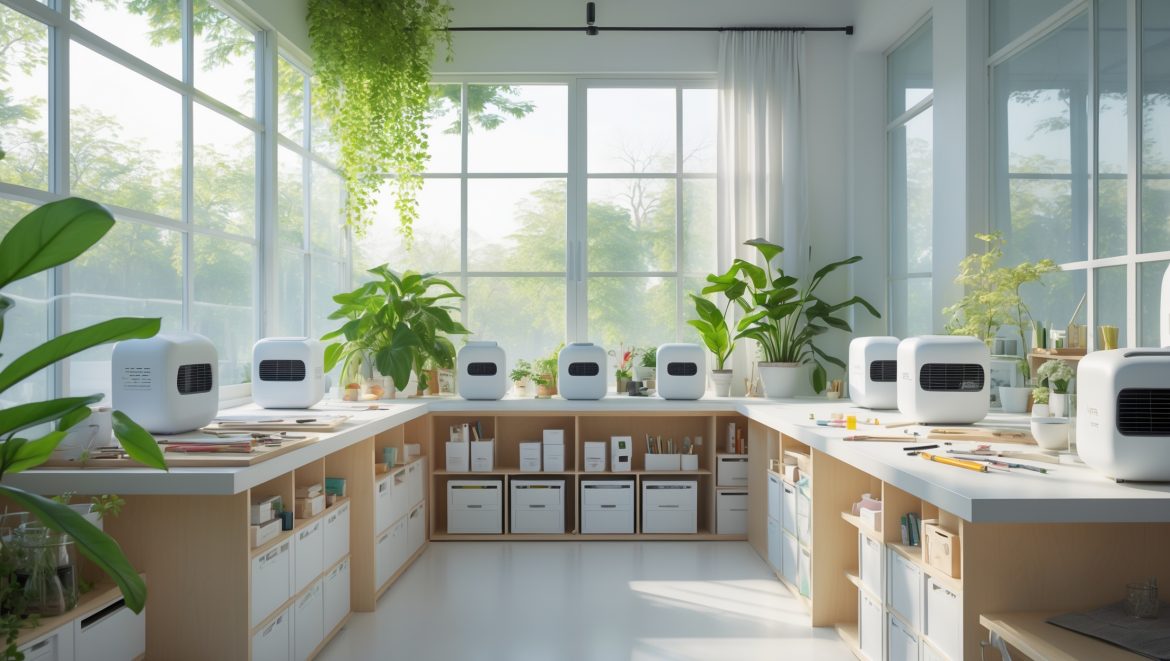
Introduction: Why Air Quality Matters in Your Craft Studio
When you think about your DIY craft studio, you might picture vibrant supplies, ingenious storage, or a perfectly lit workspace. But one crucial factor often goes overlooked: air quality. Whether you’re painting, gluing, soldering, or simply sanding wood, many crafting activities produce airborne particles and fumes. In a poorly ventilated or unfiltered space, these pollutants can build up, leading to health issues like headaches, allergic reactions, respiratory irritation, and even long-term complications. Maintaining excellent air quality isn’t just about comfort—it’s about safeguarding your health, protecting your materials, and ensuring you can enjoy your creative pursuits for years to come.
This comprehensive guide explores practical air filtration, purification, and ventilation solutions tailored specifically for DIY craft studios. You’ll learn how to identify your specific air quality risks, select the right equipment, and implement effective strategies for a cleaner, safer, and more pleasant studio environment. Let’s dive in and transform your workspace into a breath of fresh air.
Understanding Air Quality Risks in Craft Studios
Common Sources of Indoor Pollution
- Paints, adhesives, and solvents: Release volatile organic compounds (VOCs) which can irritate respiratory systems and cause long-term health issues.
- Wood, paper, and fabric dust: Sawing, cutting, or sanding can release fine particulates that linger in the air and settle on surfaces.
- Spray paints and sealants: Aerosols introduce both particles and chemical fumes.
- Mold and mildew: High humidity or water spills can foster mold, especially in poorly ventilated studios.
- Plastic fumes: Cutting or heating plastics releases potentially toxic compounds.
- Natural fibers: Even wool, cotton, and jute can shed microscopic fibers.
Signs Your Studio Air Quality Needs Improvement
- Lingering chemical smells
- Frequent headaches or dizziness during/after crafting
- Noticeable dust build-up on surfaces
- Allergy flare-ups or respiratory discomfort
- Visible mold or musty odors
If you’ve experienced any of these symptoms, it’s time to prioritize air quality in your studio setup.
Step 1: Assess Your Studio’s Air Quality
Visual and Sensory Checks
Begin with the basics: use your senses. Are there persistent odors, visible dust, or condensation on windows? These are red flags for poor ventilation or pollution.
DIY Air Quality Testing Tools
- VOC Monitors: Affordable devices measure volatile organic compounds, giving you real-time feedback on chemical pollutants.
- PM2.5/PM10 Sensors: These detect fine and coarse particulates, common in studios that involve sanding, cutting, or working with fibers.
- Humidity Meters: High humidity can signal poor airflow and increase mold risk.
- Carbon Monoxide Detectors: Essential if you use gas-powered equipment or heat sources.
Many modern air quality monitors combine several of these functions, making it easy to get a comprehensive snapshot of your studio’s environment.
Step 2: Choose the Right Filtration Solutions
Types of Air Filters and Purifiers
- HEPA Filters: Capture 99.97% of particulates as small as 0.3 microns, ideal for dust, pollen, and fibers.
- Activated Carbon Filters: Absorb VOCs and chemical fumes, making them perfect for studios using paints, solvents, or adhesives.
- Combination Units: Many air purifiers offer both HEPA and carbon filtration for comprehensive protection.
- DIY Air Purifier Hacks: For small spaces or budgets, consider a box fan with a MERV 13 or HEPA-rated furnace filter attached. While less effective than commercial purifiers, it’s a significant improvement over no filtration.
Air Purifier Sizing and Placement
Choose a purifier rated for the square footage of your studio. Place it near the primary source of pollutants (e.g., workbench, paint station) but ensure unimpeded airflow. For larger studios, multiple units may be necessary. Replace filters as recommended—usually every 6–12 months, but more frequently in dusty or high-use environments.
Maintenance Best Practices
- Vacuum or wipe down air purifier exteriors weekly to minimize dust build-up.
- Keep intake and exhaust areas clear of clutter for optimal airflow.
- Set reminders to check and replace filters on schedule.
Step 3: Improve Studio Ventilation
Natural Ventilation Techniques
- Cross-Ventilation: Open windows or doors on opposite sides of your studio to create a draft that sweeps out airborne irritants.
- Strategic Fan Placement: Use box or oscillating fans to direct indoor air toward open windows or exhaust vents, accelerating pollutant removal.
- Ventilated Storage: Keep cabinets and closets slightly ajar to prevent mustiness and promote air circulation.
Mechanical Ventilation Solutions
- Exhaust Fans: Install above workstations that produce fumes (e.g., paint booths, soldering tables). Bathroom or kitchen exhaust fans can be repurposed for small studios.
- Window-Mounted Fans: Effective for quickly expelling air after using strong chemicals or sprays.
- Inline Duct Fans: For larger or windowless studios, duct fans paired with flexible vent tubing can move air directly outdoors.
- Air Exchangers: These systems replace stale indoor air with filtered outdoor air, maintaining a healthy balance without losing too much heat or AC.
Optimizing for Seasonal Changes
In winter, balance ventilation with heat retention. Briefly open windows during and after projects that generate fumes, then close up and rely on purifiers. In summer, maximize cross-ventilation and use fans to prevent heat build-up. Monitor humidity year-round and use dehumidifiers if necessary to prevent mold.
Step 4: Purification Beyond Filtration
Plants as Natural Air Purifiers
- Peace Lily, Snake Plant, Spider Plant: These species are known for filtering common indoor toxins, though their impact is modest compared to mechanical purifiers.
- Group several plants together for a greater effect, but avoid overwatering to prevent mold.
UV-C Sterilization
Some advanced air purifiers include UV-C lights to kill bacteria and viruses. While not strictly necessary for most craft studios, these may be useful for those with allergies or compromised immune systems. Always follow manufacturer safety instructions to avoid UV exposure.
Ozone Generators: Proceed with Caution
Ozone generators claim to neutralize odors, but they can produce harmful byproducts and are not recommended for occupied craft studios. Rely on physical removal of pollutants through ventilation and filtration instead.
Step 5: Safe Storage and Handling of Materials
Containment Strategies
- Store paints, solvents, and adhesives in airtight containers and dedicated cabinets, ideally outside the main workspace.
- Label all chemicals and never mix unknown substances.
- Dispose of waste materials properly—never pour chemicals down the drain or toss them in household trash.
Spill and Fume Management
- Clean up spills immediately and ventilate the area thoroughly.
- Use fume hoods or portable extraction arms when working with strong chemicals or soldering.
- Wear masks with VOC/carbon filters for high-exposure activities.
Step 6: Daily and Weekly Studio Air Quality Routines
Daily Tasks
- Open windows or run exhaust fans during and after crafting sessions.
- Turn on air purifiers at least 30 minutes before you begin work.
- Wipe down surfaces to minimize dust and residue build-up.
Weekly Tasks
- Vacuum floors with a HEPA-filtered vacuum.
- Check air purifier filters and replace if needed.
- Inspect for mold, leaks, or condensation.
Step 7: Monitoring and Continuous Improvement
Track Air Quality Over Time
Keep a log of air quality readings, filter replacements, and any symptoms you or studio visitors experience. This helps you spot trends and adjust your strategies as needed. Upgrade equipment or routines if you notice air quality slipping or if your craft activities change.
Stay Informed
- Subscribe to updates from reputable sources such as OSHA, EPA, or local environmental health agencies.
- Join online maker communities to share tips and experiences about maintaining healthy studios.
Conclusion: Breathe Easy and Create Boldly
Air quality is the silent foundation of a thriving DIY craft studio. By understanding the sources of indoor pollution and proactively addressing them through filtration, purification, and smart ventilation, you’re investing in your health and creative longevity. The right strategies don’t have to be expensive or complex—sometimes, opening a window or setting up a simple air purifier makes all the difference. For those working with more hazardous materials, combining HEPA and carbon filters, mechanical exhaust, and safe storage practices provides robust protection.
Remember, a clean, well-ventilated studio isn’t just about avoiding problems; it’s about creating a space where you can focus on your art, experiment boldly, and invite friends or clients without worry. Make air quality part of your regular studio routine, and you’ll notice the benefits in your energy, well-being, and the quality of your work. Prioritize every breath you take in your creative haven, and let your imagination soar in the healthiest possible environment. Your craft—and your lungs—will thank you.


After reading about mold risks from humidity and water spills, how often should I be testing for mold or mildew in my studio? Are there warning signs besides visible growth and smell?
It’s a good idea to check for mold or mildew in your studio every few months, especially after spills or during humid periods. Besides visible spots and musty odors, watch for signs like peeling paint, unexplained allergies, or increased condensation on windows. Regular inspections help catch problems early before they become bigger issues.
If I mostly work with wood and fabric but occasionally use spray adhesives, should I focus more on air filtration or ventilation systems for my small space? The article mentions different sources of pollution, so I’m trying to prioritize my investment.
Since you mainly work with wood and fabric, general air filtration is important to remove dust and fibers. However, when you occasionally use spray adhesives, good ventilation becomes especially crucial to clear fumes quickly. Ideally, prioritize a solid air filtration system for daily use, and add a portable or window-based ventilation option for those times you use adhesives.
I’m curious about handling fumes from paints and adhesives, especially since my studio is pretty small. Would a standard air purifier be enough, or do I really need something specialized for VOCs?
For a small studio, a standard air purifier might help with dust and some particles, but it won’t be very effective against fumes from paints and adhesives, which are usually VOCs (volatile organic compounds). To properly handle these fumes, you’ll want an air purifier with an activated carbon filter or one specifically rated for VOC removal. Good ventilation, like using exhaust fans or opening windows, also makes a big difference.
For small studios with limited space, what are some compact ventilation strategies that still help control things like wood dust and plastic fumes without needing major renovations?
For small studios, consider portable air purifiers with HEPA and activated carbon filters to handle both dust and fumes. A window exhaust fan can help pull out contaminated air without major changes to your space. Also, using localized extraction, like a small fume hood or a flexible duct near your work area, can keep pollutants contained and manageable.
You brought up mold and mildew from humidity, but I’m not sure how to tell if that’s already an issue in my space. Are there specific signs or easy ways to test for hidden mold in a craft studio?
Common signs of mold or mildew include a musty smell, visible spots or stains on walls, ceilings, or fabrics, and increased allergy symptoms like sneezing or coughing. For hidden mold, you can use a moisture meter on walls and floors or purchase a home mold test kit. If you suspect a serious problem, a professional inspection may be worthwhile.
If my studio still smells like paint days after a project, does that mean my current ventilation is inadequate, or could it be an issue with the products I’m using?
If your studio still smells like paint days after finishing a project, it’s usually a sign that ventilation may not be sufficient to clear out lingering fumes. However, some paints and finishes can emit odors for a long time, especially oil-based or solvent-heavy products. Improving airflow and using air purifiers with activated carbon filters can help, but consider also checking the types of products you use.
I noticed you mentioned VOCs from paints and adhesives as a major concern. Do air purifiers with HEPA filters help remove VOCs, or is a different type of purifier better for chemical fumes in a small studio?
HEPA filters are great for trapping dust and particles, but they don’t remove VOCs or chemical fumes. For VOCs, you’ll want an air purifier with activated carbon or charcoal filters, as these are designed to absorb gases and chemicals. Make sure to use good ventilation along with a purifier for best results in a small studio.