

Introduction: Why Fire Safety Matters in Your DIY Craft Studio
When envisioning your dream DIY craft studio, it’s easy to focus on inspiration boards, wall colors, and storage solutions. Yet, one of the most crucial—and often overlooked—elements is fire safety. Whether you’re working with paper, fabrics, paints, adhesives, wood, or power tools, your creative space is a unique blend of flammable materials, electrical equipment, and sometimes even heat sources. A single spark or overlooked hazard can put your projects, your investment, and even your home at risk. Implementing robust fire safety practices isn’t just about following rules; it’s about protecting your creative flow, your hard-earned supplies, and your peace of mind. In this comprehensive guide, we’ll walk you through every aspect of crafting a fire-safe studio—from layout planning and equipment selection to prevention habits and emergency readiness. Because the best creative spaces are not just inspiring—they’re secure, too.
Understanding Fire Risks in DIY Craft Studios
Common Flammable Materials
DIY craft studios bring together a surprising array of flammable items. Knowing what you’re working with is the first step in reducing risk. Typical hazards include:
- Papers and Cardstock: Highly combustible, especially when stored in bulk.
- Fabrics and Fibers: Cotton, wool, and synthetics can all ignite, some burning faster than others.
- Paints, Solvents, and Glues: Oil-based paints, spray adhesives, and certain cleaning agents are both flammable and produce vapors that can ignite.
- Wood and Sawdust: Sawdust is especially dangerous due to its fine particles and large surface area.
- Plastic Supplies: Many plastics burn rapidly and produce toxic smoke.
Potential Ignition Sources
Your studio may contain several sources capable of starting a fire:
- Electrical Outlets and Cords: Overloaded or damaged wiring is a leading cause of craft room fires.
- Heat Tools: Soldering irons, heat guns, embossing tools, and glue guns can reach ignition temperatures quickly.
- Open Flames: Candles for wax crafts, or even pilot lights in nearby appliances.
- Static Electricity: In dry conditions, static sparks can ignite fine dust or vapors.
Planning a Fire-Safe Studio Layout
Workspace Arrangement
Thoughtful studio organization is your first defense. Follow these principles:
- Separate Heat Sources from Flammables: Keep heat tools and power strips away from paper, fabrics, or stored solvents.
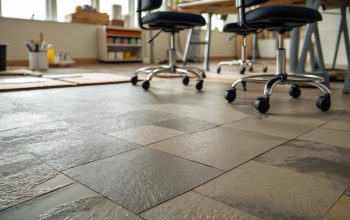
- Designate a “Hot Zone”: Set up a dedicated, nonflammable surface (like metal or ceramic tile) for all heat-based crafting.
- Clear Exit Paths: Never block doors or windows with storage units or furniture. Emergency access must be instant.
- Accessible Safety Equipment: Place extinguishers and fire blankets within arm’s reach of your main workspace and exit.
Storage Tips for Flammable Materials
- Use Metal Cabinets: Store paints, solvents, and spray adhesives in metal cabinets with self-closing doors.
- Limit Quantities: Only keep as much flammable liquid as needed for current projects; store the rest elsewhere.
- Label Everything: Mark containers clearly so you can act fast in an emergency.
- Ventilation: Ensure cabinets and rooms are well-ventilated to prevent vapor buildup.
Essential Fire Safety Equipment for DIY Craft Studios
Fire Extinguishers
Every studio should have at least one appropriately rated fire extinguisher. Consider:
- ABC Dry Chemical Extinguisher: Effective for typical craft studio hazards (paper, wood, cloth, electrical).
- Location: Mount at eye level near exits and within 10 feet of the main work area.
- Maintenance: Check pressure gauges monthly; replace or service as indicated.
Fire Blankets
Fire blankets are invaluable for small fires or for wrapping around a person if clothing ignites. Store in a visible, easily accessible spot.
Smoke and Heat Detectors
- Install Interconnected Alarms: Place at least one smoke detector in your studio, connected to your home system if possible.
- Test Monthly: Change batteries every six months.
Emergency Lighting and Exit Signs
If your studio is in a windowless basement or outbuilding, battery-powered emergency lights and glow-in-the-dark exit signs can save precious seconds in a crisis.
Electrical Safety: Preventing Short Circuits and Overloads
Safe Power Management
Many fires start with overloaded circuits or faulty cords. Follow these best practices:
- Never Daisy-Chain Power Strips: Plugging one strip into another is a major fire risk.
- Use Surge Protectors: Especially for computers, sewing machines, and electronics.
- Inspect Cords Regularly: Replace any with frayed insulation or loose plugs.
- Label Circuits: Know which breaker controls your studio outlets.
Extension Cord Use
- Choose Heavy-Duty Cords: Rated for the amperage of your tools.
- Temporary Only: Extension cords are not a substitute for permanent wiring.
Professional Electrical Work
If you need more outlets or specialized circuits (such as for kilns or large equipment), hire a licensed electrician. DIY wiring is both illegal and dangerous in most areas.
Safe Use of Heat Tools and Open Flames
Best Practices for Heat-Based Crafting
- Unplug Tools When Not in Use: Never leave heat guns, glue guns, or irons plugged in unattended.
- Use Heat-Resistant Mats: Place under soldering irons, wood burners, or anything that gets hot.
- Let Tools Cool Before Storing: Wait until no heat remains before returning to drawers or shelves.
Open Flame Safety
- Eliminate Drafts: Open flames should never be used near windows or fans where air currents can spread fire.
- Keep Water Nearby: Have a bowl of water ready for candle or wax projects.
- Never Leave Unattended: If you need to leave, extinguish the flame—even for a minute.
Routine Fire Prevention Habits
Daily and Weekly Checklists
- Unplug all electrical devices after use.
- Store flammables in their proper cabinets every session.
- Clear work surfaces of scrap materials daily.
- Sweep up sawdust, paper scraps, and thread regularly.
- Check smoke detectors and extinguishers monthly.
Safe Disposal of Waste
- Separate Combustibles: Use metal bins for oily rags, solvents, or paint-soaked paper towels.
- Empty Regularly: Dispose of waste before it accumulates to hazardous levels.
Emergency Preparedness: What to Do If a Fire Starts
Developing an Emergency Plan
- Identify Escape Routes: Know your exits and keep them clear at all times.
- Practice Fire Drills: Even in a home studio, rehearse your response periodically.
- Post Emergency Contacts: Keep fire department numbers and your address posted by the exit.
How to Use a Fire Extinguisher (P.A.S.S. Method)
- Pull the pin.
- Aim at the base of the fire.
- Squeeze the handle.
- Sweep side to side.
If you cannot control the fire in seconds, evacuate immediately and call emergency services.
Special Considerations: Detached Studios, Garages, and Shared Spaces
Detached Structures
Studios in sheds, garages, or outbuildings may lack integrated fire alarms or easy access to water. Consider:
- Installing wireless interconnected smoke detectors.
- Keeping a dedicated fire extinguisher and fire blanket onsite.
- Ensuring pathways to the main building are clear and illuminated.
Shared or Rental Spaces
- Consult with building management about fire safety equipment and procedures.
- Never block communal exits with personal storage.
- Know the location of building fire alarms and extinguishers.
Educating Yourself and Others
Fire safety is not static. Stay updated on best practices through:
- Local fire department workshops or online resources.
- Manufacturer instructions for new tools and materials.
- Sharing your knowledge with other crafters, especially if you host workshops or collaborative sessions.
Conclusion: Creativity Thrives in Safe Spaces
Your DIY craft studio is more than just a room—it’s where your ideas take shape, projects come to life, and passions find expression. By investing time and thought into fire safety, you extend that creative freedom for years to come. Every extinguisher you mount, every cord you inspect, and every emergency drill you run is a step toward protecting not just your supplies, but your future masterpieces. Fire prevention isn’t about fear—it’s about empowerment. A safe studio is a productive studio, where you can focus on your craft without worry.
Take the time today to assess your space, implement these practical fire safety strategies, and make protection part of your creative process. Share what you learn with others in your crafting community, and encourage them to do the same. By building a culture of safety, you ensure that creativity continues to flourish—without interruption, setback, or tragedy. Your projects, your investment, and your peace of mind are worth every precaution.


I work with a lot of paper and fabric in my small craft area, and sometimes I have to use heat tools like an embossing gun. Are there specific fire extinguishers you recommend for craft studios, especially for spaces with mixed materials?
For craft studios with paper, fabric, and electrical tools, a multipurpose (ABC-rated) fire extinguisher is usually the best choice. These extinguishers handle fires involving ordinary materials, flammable liquids, and electrical equipment. Keep it easily accessible, check it regularly, and make sure you and others in the space know how to use it safely.
For someone on a tight budget, what are the most essential fire safety upgrades to prioritize first when setting up a DIY craft space?
When working with a limited budget, start by installing a smoke detector and keeping a fire extinguisher nearby—these two items are the most crucial for early fire detection and immediate response. Also, make sure your workspace is free from clutter, especially around electrical outlets and heat sources, to reduce fire risks without spending extra money.
I noticed you mentioned the dangers of sawdust in craft spaces. Are there any specific ventilation or dust collection solutions you recommend for small rooms without windows?
For small rooms without windows, consider using a portable air purifier with a HEPA filter to capture fine dust. A compact dust collection unit, like a shop vac with a cyclone separator, can also help control sawdust at the source. Make sure to regularly vacuum surfaces and use masks when sanding or cutting to reduce inhalation risks.
You mentioned overloaded electrical outlets as a common fire risk. How often should I have my studio’s wiring checked, and are there any warning signs I should look for between inspections?
It’s smart to have your studio’s wiring checked by a licensed electrician every 3 to 5 years, or sooner if your building is older. In between inspections, watch for warning signs like flickering lights, buzzing outlets, burning smells, frequently tripped breakers, or warm outlets and cords. If you notice any of these, stop using the outlet and call a professional right away.
How often should I check electrical cords and outlets in my studio for safety? Is there a straightforward way to tell if something needs replacing before it becomes a real hazard?
It’s wise to inspect your studio’s electrical cords and outlets at least once a month. Look for frayed wires, scorch marks, loose plugs, or any buzzing noises. If you see any damage, discoloration, or detect a burning smell, replace the cord or consult an electrician right away to prevent hazards.