
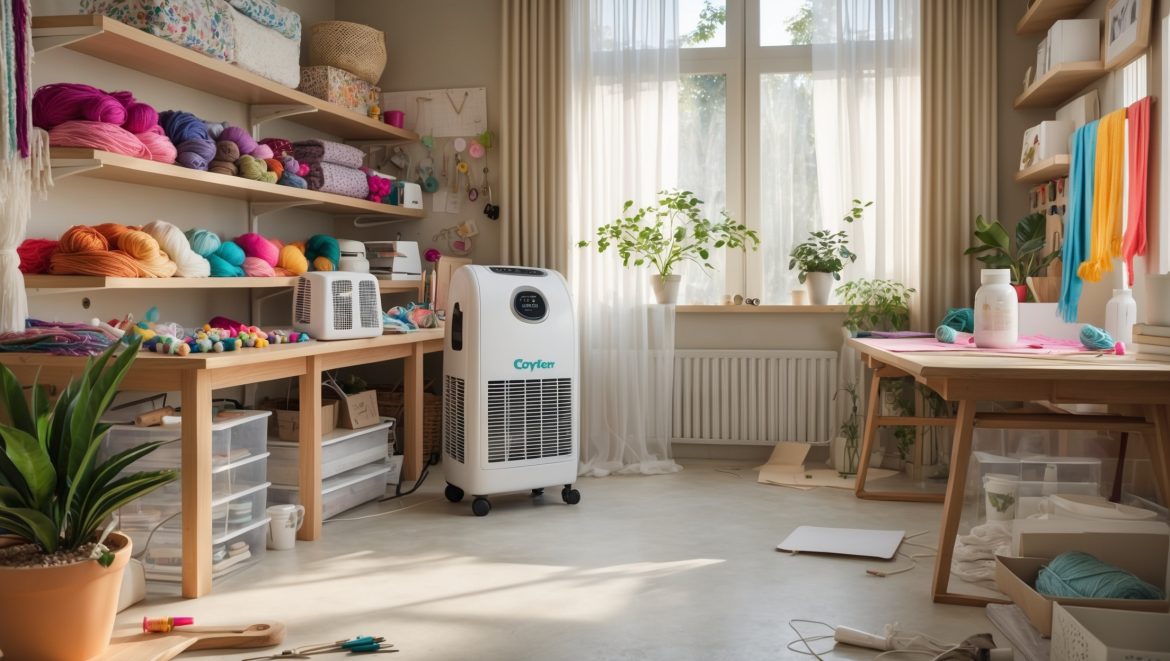
Introduction: Why Climate Control Matters in Your DIY Craft Studio
When it comes to creating a productive, comfortable, and safe DIY craft studio, few factors are as overlooked—or as crucial—as climate control. Whether your workspace is a basement nook, a backyard shed, or a sun-drenched attic, temperature and humidity can make or break the crafting experience. The right climate isn’t just about personal comfort (though working in a sweltering or freezing space can sap creative energy fast)—it’s also fundamental for preserving your supplies and equipment, ensuring material stability, and avoiding costly damage. Imagine warping wood, sticky adhesives, curling paper, or malfunctioning electronics, all because you didn’t plan for the climate. Even worse, poor air quality and mold growth can pose health hazards and destroy months of hard work.
This comprehensive guide digs deep into why temperature and humidity control matter so much for DIYers and crafters. You’ll find actionable strategies for assessing your studio’s climate risks, affordable and practical solutions for every budget, and expert tips tailored to various crafting materials. Whether you’re a quilter, model-maker, jewelry designer, or passionate hobbyist, mastering your studio climate will help safeguard your tools and supplies, boost your productivity, and make every creative session more enjoyable. Let’s create a space where inspiration thrives—and nothing gets ruined by the weather.
Understanding the Impact of Climate on Crafting Materials
Temperature: The Friend or Foe of Creativity
Temperature swings can have dramatic effects on both your comfort and your crafting materials. High heat may cause adhesives to liquefy or deteriorate, while cold can render paints unusable, make glues brittle, and even crack delicate ceramics. Electronics like cutting machines and sewing machines can suffer from condensation or thermal stress, shortening their lifespan.
- Paper and Cardstock: Excessive dryness can make paper brittle; too much heat or cold can cause warping or discoloration.
- Fabrics and Textiles: Fluctuating temperatures may lead to mildew if combined with high humidity, or fading and shrinkage if too warm.
- Wood and Natural Materials: Prone to expansion, contraction, and splitting with temperature changes.
- Paints, Glues, and Finishes: Many products have recommended storage temperatures; extremes can destroy shelf life and workability.
Humidity: The Silent Saboteur
Humidity control is equally vital. High humidity encourages mold, rust, and material swelling. Low humidity can lead to static electricity (damaging for electronics), drying, and cracking. Every material has its comfort zone, but most crafting supplies fare best between 40–55% relative humidity.
- Paper & Books: High humidity leads to curling, sticking, and potential mold; low humidity causes brittleness.
- Fabrics: Can mildew or grow mold in damp conditions; may become staticky or shrink when too dry.
- Metals: Tools and findings can rust or corrode with excess moisture in the air.
- Wood: Swells and contracts, leading to warping or splitting, especially in unfinished items.
Assessing Your Studio’s Climate Risks
Step 1: Identify Your Studio’s Location and Structure
Where is your craft studio? Basements tend to be damp and cool; attics can overheat and dry out; detached sheds or garages may be uninsulated and subject to rapid climate swings. Start by noting your workspace’s location and how it’s built—this will guide your climate control priorities.
Step 2: Monitor Temperature and Humidity Levels
Invest in an inexpensive digital hygrometer/thermometer combo. Place it in your studio and record readings at different times of day, and during different seasons. Over a week or two, you’ll get a sense of how your space behaves. Watch for patterns: Does humidity spike after rain? Does temperature plummet at night?
Step 3: Evaluate Ventilation and Insulation
Check for drafts, uninsulated walls, leaky windows, or lack of airflow. Good insulation and controlled ventilation are your first line of defense against climate extremes.
Affordable Climate Control Solutions for Every Studio
Insulation: The Unsung Hero
Before investing in gadgets, tackle insulation. Even basic improvements can dramatically stabilize your workspace climate:
- Seal gaps around windows and doors with weatherstripping.
- Add door sweeps to block drafts at ground level.
- Use foam panels or heavy curtains on uninsulated walls or garage doors.
- Lay down rugs or mats on concrete floors to reduce chill and moisture transfer.
Heating and Cooling Options
Depending on your climate and budget, consider:
- Portable Electric Heaters: Ceramic or oil-filled radiators are safe for small studios. Always follow safety guidelines and avoid leaving them unattended.
- Window or Portable AC Units: For hot climates, a small window unit or portable air conditioner can keep temperatures in check. Ensure proper venting.
- Fans and Air Circulators: Improve airflow to prevent hot or cold spots and discourage mold growth.
- Heat Pumps or Mini-Split Systems: A pricier but efficient option for year-round temperature control in permanent studio spaces.
Managing Humidity
- Dehumidifiers: Essential for damp basements or humid climates. Choose a unit sized to your studio’s square footage and empty the reservoir regularly.
- Humidifiers: In arid regions or during winter, a small humidifier prevents materials from drying out. Use distilled water to avoid mineral buildup.
- Desiccant Packs: Place silica gel packets or moisture-absorbing crystals in drawers or bins for targeted protection of sensitive supplies.
- Open Storage vs. Closed Storage: Store moisture-sensitive items in airtight containers; use breathable bins for items needing some airflow.
Smart Monitoring and Automation
Modern smart home devices can simplify climate control:
- WiFi-enabled temperature and humidity sensors send alerts to your phone if conditions stray out of range.
- Smart plugs allow you to remotely turn on heaters, dehumidifiers, or fans.
- Programmable thermostats help maintain a steady environment if your studio has its own HVAC zone.
Material-Specific Climate Control Tips
Paper Crafts and Scrapbooking
- Store paper flat in airtight containers with silica gel packs.
- Keep adhesives and tapes in a cool, stable environment; extreme heat or cold can ruin them.
- Avoid storing finished projects near windows or radiators.
Textiles and Fiber Arts
- Store fabrics in breathable cotton bags or bins with cedar blocks to deter pests.
- Wash and dry all textiles before storing to prevent mildew.
- Use a dehumidifier if your studio smells musty or fabrics feel damp.
Woodworking and Model Making
- Acclimate wood to studio conditions before using; sudden changes in humidity can warp pieces.
- Store glue and finishes at recommended temperatures to avoid separation or spoilage.
- Oil or wax tools to prevent rust if you live in a humid area.
Painting and Mixed Media
- Store paints, mediums, and varnishes away from heat sources and direct sunlight.
- Maintain moderate humidity to prevent cracking or excessive drying.
- Consider a mini fridge for sensitive supplies if your studio gets hot.
Jewelry Making
- Keep metal findings in airtight containers with desiccant packs to avoid tarnish.
- Store resin, adhesives, and glues according to manufacturer’s guidelines.
- Monitor humidity closely if working with precious metals or natural stones.
Seasonal Climate Control Checklist
Stay ahead of the weather with a proactive seasonal routine:
- Spring: Check for water leaks after snowmelt; deep clean and inspect for mold; test dehumidifiers.
- Summer: Install sun-blocking curtains; set up fans or AC; monitor adhesive and paint temperatures.
- Autumn: Inspect insulation; caulk windows; prepare heaters; move sensitive supplies to stable storage.
- Winter: Run humidifiers as needed; prevent drafts; avoid storing materials against exterior walls.
Cost Breakdown: Budgeting for Studio Climate Control
Climate solutions range from budget-friendly to high-end. Here’s a sample breakdown for a 120 sq. ft. studio:
- Weatherstripping, caulk, and door sweeps: $40–$100
- Digital hygrometer/thermometer: $10–$30
- Portable heater or fan: $30–$100
- Dehumidifier (small room): $50–$150
- Smart plug or sensor: $20–$60 each
- Airtight containers/desiccant packs: $20–$50
Total: $170–$490 (initial setup; ongoing electricity and maintenance costs will vary)
Maintenance Best Practices for Consistent Climate Control
- Check and record temperature/humidity weekly; adjust devices as needed.
- Empty and clean dehumidifier and humidifier reservoirs regularly to prevent mold.
- Inspect weatherstripping and insulation each season and repair as needed.
- Clean fans, vents, and filters to ensure efficient operation.
- Rotate stored supplies periodically to avoid hidden moisture pockets.
Safety Checklist: Climate Control Devices
- Never leave heaters or dehumidifiers running unattended for long periods.
- Use surge protectors for all climate devices.
- Keep flammable materials away from heat sources.
- Follow manufacturer’s maintenance and placement guidelines for all equipment.
- Install smoke and carbon monoxide detectors if using fuel-burning heaters.
Conclusion: Creating a Climate for Creative Flourishing
Mastering temperature and humidity control in your DIY craft studio isn’t just a “nice-to-have”—it’s a cornerstone of creative success. From the preservation of treasured supplies to the reliability of your tools and the comfort of your working hours, climate control quietly supports every project you tackle. The best part? With a mix of insulation, smart monitoring, and targeted heating, cooling, and humidity solutions, you can design a studio that adapts to the seasons and shields your creative investments. Don’t be intimidated by the technical details—start with small, affordable steps, monitor your progress, and adjust as you go. Over time, you’ll notice fewer ruined supplies, more comfortable crafting sessions, and a studio that genuinely feels like your own creative sanctuary.
Remember, the goal isn’t perfection but consistency. Monitor, maintain, and, above all, enjoy the peace of mind that comes from knowing your studio is as resilient and inspired as you are. Your creativity deserves the best environment—let your climate control efforts be the silent partner in every masterpiece you create.


I noticed you mentioned humidity can ruin supplies like paper and adhesives. How do you recommend monitoring humidity levels in a basement studio without expensive equipment?
A simple and affordable way to monitor humidity in your basement studio is to use a basic digital hygrometer, which you can find at most hardware or home stores. These devices are usually very budget-friendly, require no special installation, and give you a clear reading of the room’s humidity so you can keep your supplies safe.
You mention malfunctioning electronics from temperature swings—does this mean I should unplug things like my Cricut or sewing machine after each session in a non-insulated space?
If your craft studio isn’t insulated and experiences significant temperature swings, it’s a good idea to unplug sensitive electronics like your Cricut or sewing machine when not in use. This reduces the risk of damage from condensation or sudden temperature changes, and also protects your devices from unexpected power surges.
Do you have any recommendations for controlling humidity in a studio that’s in a basement? I’m concerned about mold since you mentioned it can ruin supplies and impact health.
Managing humidity in a basement studio is important to prevent mold. Consider using a dehumidifier with a built-in humidity sensor to keep levels between 40-50%. Also, ensure good ventilation by running fans or opening windows when possible, and store supplies in airtight containers. Regularly check for leaks and address any damp spots right away.
I do a lot of paper crafting and have noticed my cardstock curling during the summer. Is that more likely caused by humidity or temperature, and what quick fixes would you suggest to prevent it?
Cardstock curling is usually caused by high humidity rather than temperature. Moisture in the air makes paper fibers expand and warp. To prevent this, use a dehumidifier or silica gel packs in your storage area. Storing your cardstock flat in sealed plastic bins can also help keep it from absorbing excess moisture.
I noticed the article talks about condensation affecting electronics. If I’ve already seen a little rust on metal sewing machine parts, what can I do now to prevent further damage aside from fixing the temperature and humidity moving forward?
To prevent further rust, clean the affected parts gently with a rust remover or fine steel wool, then dry them thoroughly. Apply a light coat of sewing machine oil to protect the metal. Regularly inspect and lubricate your machine, and store it covered when not in use to minimize moisture exposure.
How quickly can issues like mold growth or condensation damage occur in a poorly controlled workspace, and are there early warning signs I should watch for before things get out of hand?
Mold and condensation damage can start within 24 to 48 hours if your workspace is very humid or poorly ventilated. Early warning signs include a musty smell, visible moisture on windows or walls, peeling paint, or small dark spots appearing on surfaces. Keeping an eye on these indicators can help you address problems before they become serious.
How long does it usually take for poor climate conditions, like excess humidity, to start causing visible damage to materials such as wood or fabrics in a room that isn’t regularly climate-controlled?
Visible damage from excess humidity can start appearing within a few days to a couple of weeks, depending on how severe the conditions are. Wood may begin to warp, swell, or develop mold, while fabrics can get musty, discolored, or mildewed fairly quickly if humidity stays high and ventilation is poor.
When budgeting for climate control in a craft studio, which measures should be prioritized to protect both supplies and health, especially if someone is just getting started?
When starting out, focus your budget on proper ventilation and a reliable dehumidifier. Good airflow keeps fumes and dust under control, protecting your health, while a dehumidifier helps prevent mold and damage to your supplies. Insulating windows and doors can also help maintain stable temperatures without major expense.
I’m worried about mold since some of my supplies are fabric and paper. How often should I check for signs of mold, and what’s the best way to keep air quality healthy in a small, enclosed studio?
For fabric and paper supplies, check for mold every week, especially in damp or humid conditions. To keep air quality healthy, use a dehumidifier, ventilate with a small fan or open window when possible, and consider an air purifier with a HEPA filter. Store materials in airtight containers to further reduce the risk.