
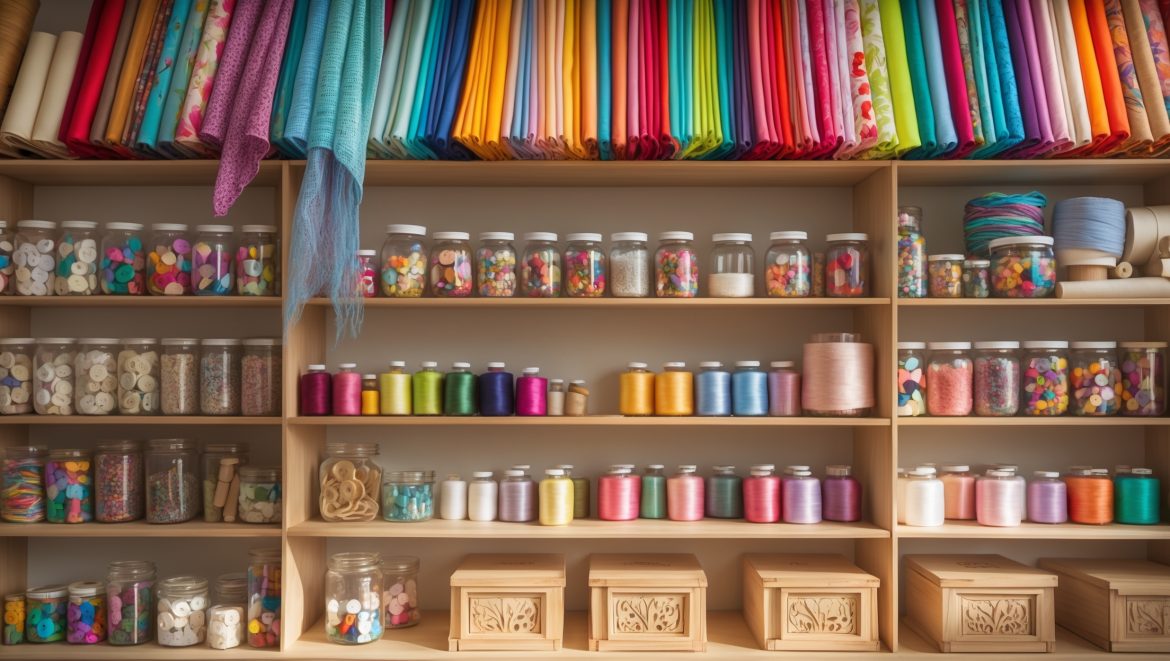
Introduction: The Art of Thrifty Craft Supply Sourcing
Building your dream DIY craft studio is exhilarating, but stocking it with quality supplies can quickly strain your wallet—especially for passionate makers who crave variety. How do you fill your creative space with vibrant materials, reliable tools, and specialty items without overspending? The secret lies in strategic sourcing, creative alternatives, and knowing when to invest versus when to save. In this guide, we’ll dive deep into practical strategies for finding, evaluating, and purchasing craft supplies that meet your standards and budget. Whether you’re a beginner or a seasoned crafter, these tips will help you maximize every dollar, discover hidden gems, and build a supply stash that inspires your best work.
Understanding Your Craft Supply Needs
Inventory: What Do You Really Need?
Before you buy anything, assess the essentials for your crafts. Make a list of core supplies and tools you use most. Consider:
- Materials you deplete quickly (paints, papers, adhesives)
- Specialty items unique to your craft (beads, specialty papers, inks)
- Equipment you need for recurring tasks (cutting mats, rulers, brushes)
Quality vs. Quantity: Setting Priorities
Not all supplies need to be top-tier. Reserve your budget for items where quality impacts results or safety (e.g., cutting tools, paints for finished works). For expendables or background materials, lower-cost options can suffice.
Craft Supply Sourcing Channels: Pros, Cons, and Tactics
Big Box Craft Stores
Chains like Michaels, Joann, and Hobby Lobby offer convenience and variety, but prices can add up. Maximize savings by:
- Signing up for store apps and newsletters for weekly coupons
- Timing purchases around seasonal sales and clearance events
- Using price-matching policies for in-store or online deals
Online Mega-Retailers
Amazon, Walmart, and specialty online stores expand your options. Watch for:
- Bulk packs or multi-item sets for high-use materials
- Tracking price fluctuations with browser extensions
- Reading user reviews for quality and authenticity
Local Independent Craft Shops
Smaller shops often carry unique, high-quality items and offer personalized service. Tips for saving:
- Ask about loyalty programs or bulk discounts
- Look for demo days with sample giveaways
- Network with staff for insider info on upcoming sales
Thrift Stores, Estate Sales, and Flea Markets
These are goldmines for budget-friendly, unusual, or vintage supplies. Strategies include:
- Visiting often—stock changes rapidly
- Inspecting fabric, yarn, and trims for quality and cleanliness
- Repurposing household items (frames, jars, tin boxes) for creative projects or storage
Online Craft Marketplaces
Sites like Etsy, eBay, and Facebook Marketplace connect you to other makers and supply sellers. Consider:
- Buying “destash” lots—excess supplies from fellow crafters at a discount
- Negotiating bundle deals for multiple items
- Checking seller ratings and asking clarifying questions about condition and quantities
Community Swaps and Maker Groups
Local crafting communities often organize swaps or trading events. Benefits include:
- Exchanging surplus materials for what you need
- Building connections for future collaborations or group buys
- Discovering new materials and techniques
Cost Breakdown: Planning and Tracking Your Supply Budget
Setting a Realistic Monthly or Project-Based Budget
Divide your supply spending into categories: consumables, tools, and “nice-to-haves.” Use spreadsheets or apps to track each purchase. Start by reviewing past spending, then set limits based on your crafting frequency and goals.
Hidden Costs to Watch For
- Shipping fees for online orders—combine orders to save
- Storage solutions—budget for sturdy bins, shelving, or organizers
- Tool maintenance or replacements over time
Bulk Buying: Saving vs. Overbuying
Bulk purchases can offer significant savings, but only if you’ll use the materials. Split bulk packs with friends or group members, or stick to versatile items (white cardstock, glue, neutral fabrics) that work for multiple projects.
Smart Alternatives: Creative Ways to Stretch Your Supply Dollars
DIY and Upcycled Supplies
Turn everyday items into craft supplies:
- Repurpose glass jars as paint water cups, storage, or candle holders
- Save cardboard, packaging, or old magazines for collage and mixed media
- Transform fabric scraps into patchwork, embellishments, or stuffing
Homemade Versions of Commercial Products
Some art supplies can be made at home with simple ingredients. Examples:
- Homemade stamp pads with felt and water-based ink
- Natural dyes from vegetables for fabric, yarn, or paper
- Salt dough for ornaments or modeling
Substituting Materials Without Compromising Quality
When prices spike or supplies are scarce, look for substitutes:
- Use acrylic paints thinned with water for watercolor effects
- Try freezer paper as a stencil alternative
- Opt for hardware store brushes for painting large surfaces
Evaluating Craft Supply Quality: What to Look For
Signs of Good Quality in Common Supplies
- Papers: Consistent weight, acid-free, smooth surface with no warping
- Paints: Rich pigmentation, mixable, dries evenly without cracking
- Fabrics: No fraying at the edges, colorfast, no strong chemical smells
- Adhesives: Strong bond, dries clear, non-toxic
Testing Supplies Before Large Purchases
Request samples, buy trial sizes, or split a pack with a friend. Always test new supplies for compatibility with your projects, especially when buying from unfamiliar brands or sources.
Supplier Relationships: Building Trust and Finding Deals
Regular Communication Pays Off
Establishing a rapport with shop owners, online sellers, or market vendors can lead to perks such as:
- Early notification of sales or new stock
- Custom orders for hard-to-find items
- Access to bulk or wholesale pricing even as an individual
Wholesale Options for Serious Makers
If your crafting is prolific or you sell finished products, consider opening a wholesale account. Research minimum order requirements and compare per-unit costs to ensure the savings are worthwhile. Some wholesalers cater to small businesses or hobbyists, so don’t be shy about inquiring.
Storing and Maintaining Your Budget Supplies
Organizing for Longevity and Accessibility
Proper storage prolongs the life of your materials and prevents waste. Tips include:
- Clear containers for easy identification
- Climate control for sensitive supplies (e.g., adhesives, paints)
- Label everything and rotate stock to use older items first
Protecting Supplies from Damage
Store away from direct sunlight, moisture, and extreme temperatures. For fabrics and yarns, use sealed bins or bags to prevent pests. Sharpen and clean tools regularly to avoid premature replacement.
Case Studies: Real-World Thrifty Craft Studio Setups
Case Study 1: The Upcycling Enthusiast
Jess, a mixed-media artist, sources 70% of her supplies from local thrift stores and swaps. She transforms old picture frames into shadowboxes and repurposes vintage linens for textile collages. Her annual supply budget is under $300, and her studio overflows with character-filled materials found for pennies on the dollar.
Case Study 2: The Strategic Bulk Buyer
Sam, an avid cardmaker, partners with friends to split bulk orders from online retailers, saving up to 40% on premium cardstock and adhesives. Careful tracking with a spreadsheet prevents overbuying, and Sam reinvests the savings into high-quality specialty stamps and inks.
Case Study 3: The Community Connector
Maya organizes quarterly supply swaps in her local maker group. She trades surplus beads for fabric scraps and tools she needs, reducing her out-of-pocket costs and building a supportive creative network. Her studio is stocked with unique, story-rich materials that spark new project ideas.
Conclusion: Empower Your Creativity Without Breaking the Bank
Setting up and maintaining a well-stocked DIY craft studio doesn’t have to drain your finances. With a strategic approach to sourcing supplies, you can enjoy both abundance and affordability. Start by understanding your true needs, then explore a mix of mainstream and unconventional sourcing channels. Always evaluate quality so your projects shine, and build relationships with suppliers for exclusive deals. Embrace upcycling and DIY alternatives to stretch your creative muscles and your budget. Organize and protect your materials to avoid unnecessary replacements. Most importantly, remember that creativity thrives not on the size of your stash, but on the inspiration and ingenuity you bring to your craft. Every thrifty choice is an opportunity to discover new techniques, connect with fellow makers, and fill your studio with supplies that tell a story. Smart sourcing is an essential craft in itself—one that empowers you to create more, waste less, and fully enjoy your creative journey.



When you mention stocking up on core supplies like paints and adhesives, do you recommend focusing on bulk buys from big box stores, or are there better deals to be found at local shops or online for those high-use items?
Both options have benefits. Bulk buying from big box stores can offer savings on items you use a lot, but local shops sometimes have sales, loyalty programs, or can give advice on brands that last longer. Online stores often have special deals or bundles too. It’s smart to compare prices, watch for sales, and consider quality as well as quantity to get the best value.
You talk about making a list of core supplies—do you suggest updating this inventory regularly, and if so, how often should I review it to avoid buying excess or missing essentials?
Yes, it’s a good idea to update your core supplies list regularly. Reviewing your inventory once a month works well for most crafters. This helps you avoid overbuying and ensures you never run out of essentials. Adjust the frequency if you notice supplies depleting faster or slower than expected.
I’m curious about the differences in seasonal sales between big box craft stores like Michaels and Joann. In your experience, is there a best time of year to stock up on basics like paint and paper for the biggest savings?
Both Michaels and Joann typically have their biggest sales on basics like paint and paper during back-to-school season (late summer), Black Friday, and after major holidays (like Christmas). These periods often feature deep discounts, clearance, and coupons. Shopping right after a holiday is also a good time, as stores clear out seasonal inventory at great prices.
How do you decide which specialty items are worth splurging on versus saving money on, especially when starting a new craft and you’re not sure if you’ll stick with it?
When starting a new craft, it’s smart to splurge only on tools or supplies you’ll use often, like a quality pair of scissors or basic cutting tools. For specialty items or materials you’re unsure about, try budget or secondhand options first. As you get more involved, you can upgrade specific items that truly make a difference in your projects.
Do you have any tips for evaluating whether lower-cost expendables, like bulk pack papers or adhesives from online retailers, are actually reliable before buying in quantity?
One helpful way to assess lower-cost expendables is to buy a small sample first and test them for durability, colorfastness, or stickiness depending on your project needs. Also, check detailed online reviews and look for feedback with photos from other crafters. Comparing specs, like paper weight or adhesive ingredients, with brands you trust can also guide your decision.
If I primarily do paper crafts, how would you suggest balancing quantity and quality when it comes to cardstock and specialty papers? Is it better to buy in bulk online or stick to in-store purchases for quality control?
For paper crafts, buying cardstock in bulk online often saves money, but it’s wise to order small sample packs first to check the quality. For specialty papers, in-store shopping lets you feel the texture and assess quality before buying, which is especially helpful for unique or delicate materials. A mix of both methods can help you balance cost and quality effectively.