
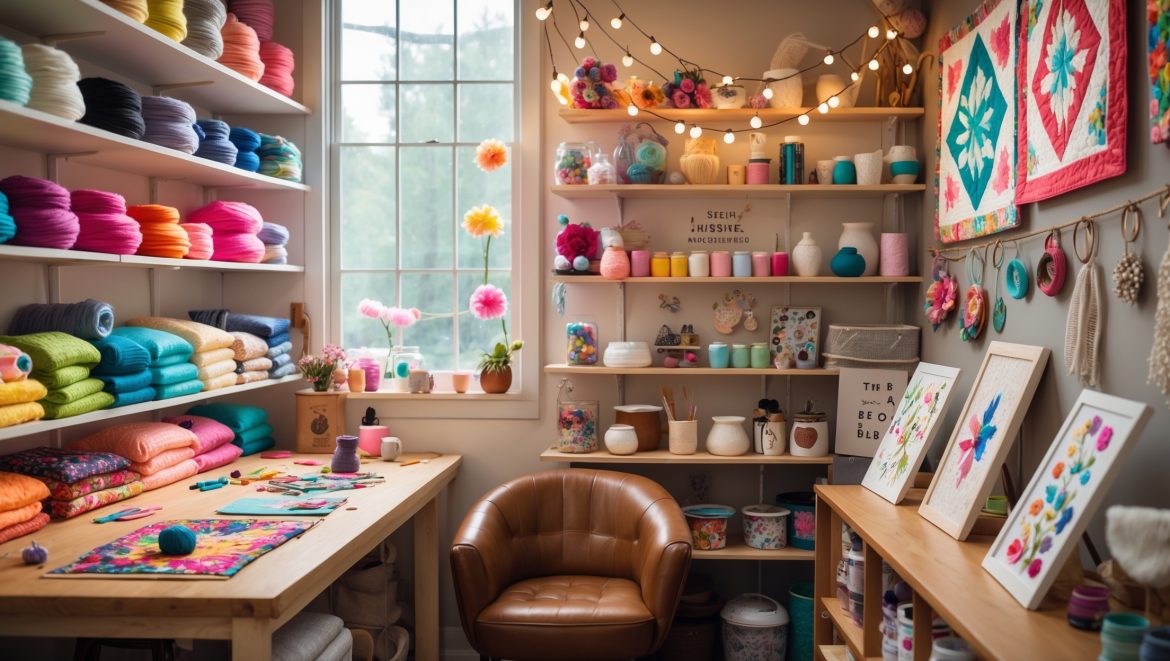
Introduction: Why Marketing Matters for Your DIY Craft Studio
Turning your creative passion into a thriving DIY craft studio is an exciting journey—but even the most inspiring space won’t fill itself with eager customers. In today’s saturated creative market, setting your studio apart requires much more than beautiful crafts and a well-organized workspace. Whether you’re offering workshops, selling kits, or renting out workspace to fellow makers, effective marketing is the bridge between your vision and your ideal clients. Yet, marketing is often intimidating for creative entrepreneurs. It’s easy to fall into the trap of thinking “if I build it, they will come,” but a targeted marketing strategy is essential for attracting, engaging, and retaining loyal customers who value your unique creative offerings.
This guide walks you through nine actionable marketing strategies tailored specifically for DIY craft studios. From identifying your niche audience to leveraging community partnerships and optimizing your online presence, you’ll discover practical steps (with real-world examples) to grow your creative venture. Whether you’re just launching or seeking to level up an established studio, these strategies will help you create a buzz, foster genuine connections, and transform occasional visitors into devoted fans. Let’s dive in and make your craft studio the destination every maker is talking about!
1. Pinpoint Your Ideal Craft Audience
Define Your Niche and Unique Selling Point
Before you can market to anyone, you need to know exactly who you’re trying to reach. Are you targeting parents looking for family-friendly workshops, busy professionals seeking creative escapes, or serious hobbyists wanting advanced techniques? Take time to define your ideal client’s age, interests, skill level, and motivations. This helps you tailor your messaging, offerings, and even the look and feel of your studio.
- Tip: Survey existing or potential customers. Ask what crafts they want to learn, what times are convenient, and what inspires them.
- Real-World Example: A studio specializing in eco-friendly crafts with recycled materials can position itself as the go-to place for environmentally conscious creatives.
2. Build a Magnetic Online Presence
Create an Engaging Website
Your website is your studio’s digital front door. It should reflect your brand, showcase your space, and make it easy for visitors to learn about classes, book sessions, or purchase craft kits. Use high-quality photos, clear menus, and prominent calls-to-action like “Book a Workshop” or “Shop Now.”
- Include a gallery of past projects or happy makers in your studio.
- Feature a calendar of upcoming events and easy online booking.
Leverage Social Media Platforms
Instagram, Facebook, and Pinterest are powerful tools for visual storytelling. Post progress shots, time-lapse videos, and behind-the-scenes glimpses to build anticipation. Engage your audience by asking questions, hosting polls, and responding to comments. Consistency matters—use a content calendar to plan regular posts and stories.
- Tip: Share user-generated content. Repost photos of clients’ finished projects (with permission), and use branded hashtags.
- Don’t: Spread yourself thin by trying to master every platform. Focus on one or two where your ideal clients spend time.
3. Offer Irresistible Intro Experiences
Host Free or Low-Cost Introductory Workshops
Give potential clients a taste of what your studio offers with beginner-friendly sessions. These can range from “Try It” evenings to “Craft & Sip” socials. Keep materials simple and projects achievable in an hour or two. The goal is to lower the barrier to entry and create a welcoming, non-intimidating environment.
- Collect emails at sign-up for future marketing.
- Offer a special discount if they enroll in a full course that day.
Run Seasonal Open Studios
Open studios allow people to explore your space without pressure. Set up interactive demo stations, mini-projects, and displays of finished work. These events are perfect for building buzz and word-of-mouth recommendations.
4. Harness the Power of Local Partnerships
Collaborate with Complementary Businesses
Team up with local coffee shops, bookstores, art supply stores, or wellness studios for joint events or co-promotions. For example, a “Coffee & Crafts” morning at a neighborhood café introduces your studio to new audiences, while a bookstore partnership could spotlight themed crafting nights inspired by popular novels.
- Cross-promote each other’s events on social media and email newsletters.
- Offer exclusive discounts to each other’s customers.
Engage with Community Organizations
Reach out to schools, libraries, and community centers to offer workshops or after-school programs. Not only does this increase visibility, but it also positions your studio as a valuable local resource.
5. Email Marketing: Nurture and Retain Clients
Build and Segment Your List
Start collecting emails from day one—at events, online bookings, or in-studio sign-ups. Use simple forms and offer incentives like a free project template or discount on their first workshop. Segment your list based on interests (e.g., fiber arts, jewelry, parent-child classes) so you can send targeted content that resonates.
Send Value-Driven Content
Email isn’t just for promotions. Send monthly newsletters packed with:
- Upcoming class schedules
- Behind-the-scenes stories
- DIY tips and project ideas
- Spotlights on student creations
Always include clear calls-to-action, such as “Reserve your spot” or “Share your latest project with us!”
6. Encourage and Showcase Social Proof
Gather Reviews and Testimonials
Most new customers trust peer recommendations over advertising. After each class or event, ask participants for honest feedback and encourage them to leave reviews on Google, Facebook, or craft directories. Display glowing testimonials on your website and social media.
- Tip: Offer a small thank-you (like a discount on their next class) for leaving a review.
Highlight Success Stories
Share before-and-after photos, client spotlights, and transformation stories. Did a first-time attendee discover a new passion? Did a group of friends start a crafting tradition at your studio? These narratives inspire trust and excitement in potential clients.
7. Run Themed Events and Creative Challenges
Seasonal and Holiday Workshops
Align your offerings with popular holidays and seasonal trends. Host Valentine’s card-making, spring wreath workshops, or autumn décor classes. These events tap into timely interests and make marketing easier—people are already searching for related activities.
Launch Studio Challenges
Encourage engagement with monthly creative challenges, such as “Upcycle April” or “Mini Masterpiece Month.” Ask participants to share their projects on social media with a branded hashtag for a chance to win prizes or be featured.
- Challenges foster community and keep your studio top-of-mind.
8. Optimize for Local Search (SEO)
Claim and Update Your Google Business Profile
Ensure your studio appears in local search results by claiming your Google Business Profile. Add accurate address, hours, photos, and a detailed description. Encourage happy clients to leave Google reviews—these boost your visibility and credibility.
Use Local Keywords on Your Website
Incorporate phrases like “[Your City] craft workshops” or “DIY studio near [Neighborhood]” in your website copy, meta tags, and blog posts. This helps people in your area find you when searching for creative experiences.
- Tip: Create a blog with local event roundups, studio news, and craft guides to attract organic traffic.
9. Measure, Refine, and Grow
Track What Works
Use tools like Google Analytics, social media insights, and email open rates to see which marketing efforts deliver results. Did your Instagram giveaway drive bookings? Did a partnership bring in new faces? Use this data to double down on what works and adjust what doesn’t.
Ask for Feedback and Innovate
Regularly check in with your community. What do they want more of? What could improve? Innovation comes from listening. Stay flexible and be willing to experiment with new formats, collaborations, or marketing channels.
Conclusion: Building a Loyal Creative Community
Growing a successful DIY craft studio isn’t about flashy ads or chasing every trend—it’s about building genuine relationships and offering experiences that spark creativity. By understanding your audience, creating meaningful partnerships, and showcasing the joy of making, you’ll turn curious newcomers into passionate regulars.
Start with one or two strategies from this guide and expand as you gain confidence. Remember, marketing isn’t a one-time effort but an ongoing conversation with your community. Consistency, authenticity, and a willingness to listen are your best tools for sustainable growth.
Above all, celebrate every milestone—whether it’s your first sold-out class, a glowing review, or the growing collection of handmade treasures lining your studio’s walls. Your passion is contagious, and with the right marketing approach, your craft studio can become a beloved hub for creativity, connection, and inspiration in your community. Here’s to filling your space with laughter, learning, and loyal makers for years to come!


How much time and budget should I expect to invest in these marketing strategies before seeing a noticeable increase in loyal clients at my craft studio?
You can expect to invest at least 3 to 6 months of consistent effort before seeing a noticeable increase in loyal clients. For budget, many strategies in the article can be started with $100–$300 per month, especially if you focus on social media and local partnerships. Allocating 5–10 hours weekly for marketing activities is a good starting point.
I noticed you mention leveraging community partnerships for marketing. Could you share some examples of effective partnerships that have worked for other craft studios, especially in smaller towns?
Absolutely! In smaller towns, craft studios have found success partnering with local coffee shops to display artwork, collaborating with schools for art workshops, and teaming up with bookstores for co-hosted events. Some also join forces with farmer’s markets or community centers to offer mini-classes. These partnerships help studios reach new audiences and build lasting local connections.
The article mentions surveying customers to find out which crafts they want. Do you have suggestions on effective ways to get parents to answer surveys when everyone is so busy?
To encourage busy parents to complete surveys, try keeping them very short—just a few key questions. Offer a small incentive, like a discount or entry into a drawing. Timing helps too; hand out the survey right after a class, or send it by text or email with a quick, friendly note.
How often should I update my marketing plan or messaging as my studio grows and my audience changes? Is there a way to tell if my current approach is still effective?
It’s a good idea to review your marketing plan every 3 to 6 months, especially as your studio evolves and your audience shifts. To gauge if your current approach works, track metrics like class sign-ups, social engagement, and client feedback. If you notice a dip in engagement or fewer new clients, it may be time to update your messaging or strategy.
I’m curious about balancing studio offerings between family-friendly workshops and advanced classes for serious hobbyists. Do you have any advice for studios that want to attract both groups without losing focus on their niche?
To appeal to both families and serious hobbyists, consider scheduling family-friendly workshops and advanced classes at different times or days. You can also brand each offering distinctly within your studio, making it clear who each class is for. This way, you maintain your niche while serving a broader audience.
When figuring out my unique selling point, how can I tell if my target audience truly values what makes my studio different from others in the area?
To find out if your target audience values your unique selling point, ask for direct feedback through surveys or casual conversations with customers. You can also observe which of your offerings get the most interest or repeat business. Pay attention to what clients mention in reviews or referrals, as these often highlight what they appreciate most about your studio.