
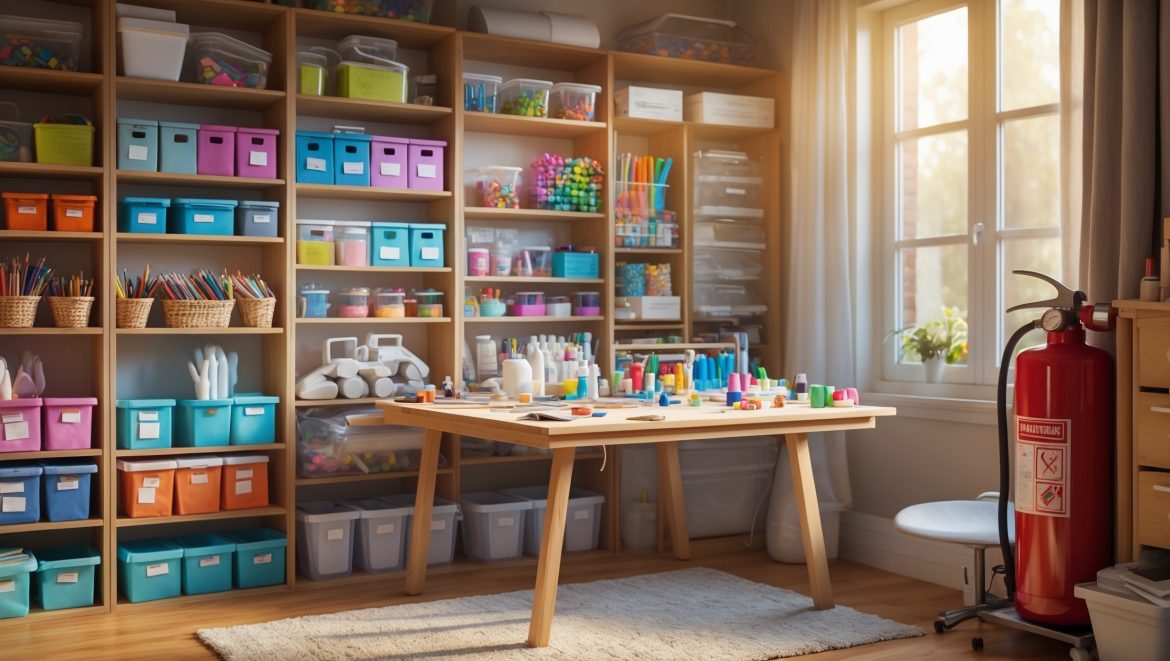
Running a DIY craft business from home or a rented studio can be a rewarding adventure, blending creativity with entrepreneurship. But amidst the excitement of designing, making, and selling your creations, safety often takes a back seat—until something goes wrong. Whether you’re a weekend crafter or a full-time artisan, overlooking basic safety can lead to preventable accidents, property damage, or even liability issues that could threaten your business. That’s why a dedicated safety checklist isn’t just for large-scale operations; it’s essential for every DIY craft seller. In this comprehensive guide, we’ll walk you through practical steps to protect your workspace, yourself, and your customers. From organizing hazardous materials to fire prevention and safe product packaging, this checklist will help you create a secure environment so you can focus on what you love: crafting and growing your creative brand.
Understanding Safety Risks in DIY Crafting
Why Safety Should Be a Top Priority
Many crafters underestimate the risks associated with their chosen materials and processes. Sharp tools, flammable supplies, repetitive tasks, and improper storage can all lead to injuries or accidents. If you’re selling your creations, unsafe products can also result in recalls, customer complaints, or even legal action. Establishing a safety-first mindset not only protects you but also reassures your customers that your products are responsibly made.
Common Hazards in Craft Workspaces
- Sharp tools: Scissors, craft knives, and rotary cutters can cause cuts and lacerations.
- Flammable materials: Solvents, glues, paints, and certain fabrics are fire risks if not stored properly.
- Electrical equipment: Sewing machines, glue guns, heat presses, and lighting can cause shocks or fires.
- Dust and fumes: Woodworking, resin casting, or spray painting can create respiratory hazards.
- Trip hazards: Cords, scattered supplies, and clutter increase the risk of falls.
- Repetitive strain: Hours of cutting, gluing, or sewing can lead to musculoskeletal issues.
Craft Workspace Safety: The Essential Checklist
1. Organize and Declutter
- Dedicated zones: Set up specific areas for cutting, painting, assembly, and storage to minimize cross-contamination.
- Clear floors: Remove boxes, cords, and tools from walkways to reduce trip hazards.
- Labeled storage: Use labels for bins and shelves so everyone can quickly find and return items.
- Regular clean-up: Schedule daily or weekly tidying to prevent accumulation of scraps and dust.
2. Safe Handling and Storage of Materials
- Chemical safety:
- Store paints, solvents, and glues in original containers with tight-fitting lids.
- Keep flammable liquids in a steel cabinet or away from heat sources.
- Dispose of rags soaked with flammable substances in sealed, fireproof containers.
- Material segregation: Keep incompatible materials apart (e.g., acids and bases, or flammable and oxidizing agents).
- Childproofing: If children are ever present, lock away sharp tools and hazardous materials.
3. Tool Maintenance and Usage
- Sharp tools: Keep blades sharp—dull tools require more force and are more likely to slip.
- Inspect regularly: Check power cords, plugs, and switches for wear or damage before use.
- Store safely: Use blade covers and tool organizers to prevent accidental cuts.
- Follow instructions: Always read and follow manufacturer guidelines for new equipment.
4. Electrical and Fire Safety
- Extension cords: Use only heavy-duty cords; never daisy-chain multiple cords together.
- Outlets: Avoid overloading outlets with too many devices.
- Heat tools: Allow glue guns, heat embossers, or wood burners to cool completely before storage.
- Fire extinguishers: Keep an ABC-rated fire extinguisher within reach and check it annually.
- Smoke alarms: Install smoke detectors and test monthly.
- Emergency plan: Post a simple evacuation map and keep exits clear at all times.
5. Ventilation and Air Quality
- Natural ventilation: Open windows or doors when using products that release fumes or dust.
- Mechanical ventilation: Use fans or air purifiers when working with resins, paints, or adhesives.
- Respiratory protection: Wear masks or respirators as needed (e.g., N95 for dust, organic vapor masks for solvents).
6. Ergonomics and Personal Safety
- Workstation height: Use adjustable tables and chairs to prevent strain on your back and wrists.
- Lighting: Install bright, glare-free lighting to reduce eye fatigue and prevent accidents.
- Frequent breaks: Set timers to remind yourself to stretch, hydrate, and rest your eyes.
- Protective gear: Wear gloves, goggles, or aprons as appropriate for your materials and tools.
Product Safety: Protecting Your Customers and Your Brand
1. Material Sourcing and Testing
- Non-toxic materials: Source paints, glues, and finishes labeled as non-toxic, especially for children’s items.
- Lead and allergen testing: If making jewelry or toys, test for lead, nickel, and other common allergens.
- Durability checks: Test finished products for breakage, sharp edges, or loose parts that could pose a hazard.
2. Packaging and Labeling
- Warning labels: Add warnings for small parts, choking hazards, or age-appropriateness.
- Care instructions: Include clear guidance for use, cleaning, and storage to prevent misuse.
3. Recalls and Incident Response
- Keep records: Maintain a log of materials used, batch numbers, and customer purchases.
- Incident plan: Have a process in place to notify customers and replace or refund products in case of a safety issue.
Safety for Special Crafting Activities
Working with Resins and Epoxies
- Always work in a well-ventilated area or use a fume hood.
- Wear nitrile gloves and safety goggles to prevent skin and eye contact.
- Follow manufacturer curing times and disposal instructions strictly.
Sewing and Textile Arts
- Keep pins, needles, and rotary cutters in magnetic holders or closed containers.
- Unplug sewing machines when changing needles or cleaning.
- Use a lint brush and compressed air to prevent buildup in machines, reducing fire risk.
Woodworking and Pyrography
- Wear hearing protection when using loud power tools.
- Use dust masks and shop vacuums to control sawdust.
- Never leave woodburning tools unattended while plugged in.
Tips for Maintaining an Ongoing Safety Culture
- Review your safety checklist quarterly or after any near-miss incident.
- Stay up to date with safety standards relevant to your craft (e.g., ASTM for toys, CPSC for home goods).
- Participate in online forums or local groups for shared safety tips and product recalls.
- Display your safety commitment on your website to build customer trust.
Conclusion: Safety as the Foundation of Creative Success
Creating a safety-conscious workspace isn’t just about avoiding accidents—it’s about building a sustainable, trustworthy DIY craft business. By following this comprehensive checklist, you’re investing in your long-term well-being, the durability of your creations, and the trust of your customers. Safety may not be the flashiest part of running a craft brand, but it’s absolutely vital. It empowers you to work confidently, experiment with new materials, and scale your business without fear of preventable setbacks. Make a habit of reviewing and updating your safety practices as your craft evolves, and don’t hesitate to seek out further training or resources if you introduce new techniques or equipment. Above all, remember that the most successful creative businesses are those that prioritize care—both for the maker and the buyer. With the right safety foundations, your DIY craft journey can be as secure as it is inspiring.


Could you share any affordable ways to safely store flammable materials like paints and glues in a small home workspace without investing in expensive cabinets?
You can use metal toolboxes or lockable metal containers to store flammable materials like paints and glues—these are much more affordable than specialty safety cabinets and still add a layer of fire protection. Make sure the containers are tightly sealed, clearly labeled, and kept away from heat sources or direct sunlight. Storing them on a low, sturdy shelf also helps reduce the risk of spills.
I noticed you mentioned liability issues if a product isn’t safe—what steps do you suggest for packaging crafts so customers stay safe and I’m protected as a small business seller?
To keep customers safe and protect yourself, use sturdy, non-toxic packaging materials and avoid breakable or sharp components. Label packaging with any relevant safety warnings or age restrictions. Include clear instructions for safe use and care. If your craft involves allergens, disclose that information. Keeping good records of your packaging choices can also help demonstrate your commitment to safety.
Could you elaborate on how to reduce dust and fumes if I’m working with resin at home, especially on a budget? Are DIY ventilation solutions effective, or should I invest in something more professional right away?
When working with resin, reducing dust and fumes is important for your safety. You can start by working near an open window with a fan directing fumes outside and wearing a good quality respirator mask. DIY ventilation, like box fans and open windows, can be helpful for small-scale projects and tight budgets. However, if you work with resin often or in larger quantities, investing in a professional fume extractor provides better protection in the long run.
If I want to start selling products that need electrical equipment like heat presses, what extra steps should I take to minimize the risk of fire or electrical accidents in my studio?
When using electrical equipment like heat presses, make sure all devices are certified and in good working order. Use surge protectors, keep cords untangled and away from water, and never overload outlets. Regularly inspect plugs and wires for signs of wear. Have a working fire extinguisher nearby, and always unplug equipment when not in use.
You mention that improper storage of flammable materials can be a big risk. Are there specific storage containers or cabinets you recommend for craft sellers operating from rented apartments where modifications are limited?
For rented apartments where you can’t make permanent changes, consider using portable, lockable metal storage boxes or cabinets that are specifically rated for flammable materials. Look for containers labeled as OSHA- or UL-compliant for flammable liquid storage. Always keep them in a cool, ventilated area away from direct sunlight and heat sources, but make sure they remain accessible for your craft work.
If a customer experiences an issue due to a hazard with a handmade product, what immediate steps should a craft seller take to address liability concerns and prevent future incidents?
If a customer is harmed by a product hazard, promptly contact the customer to acknowledge the issue and gather all details. Stop selling the affected item, review your insurance and legal obligations, and report the incident if required. Investigate the cause, update your safety practices, and clearly communicate all hazards and care instructions with future customers to help prevent a repeat.