
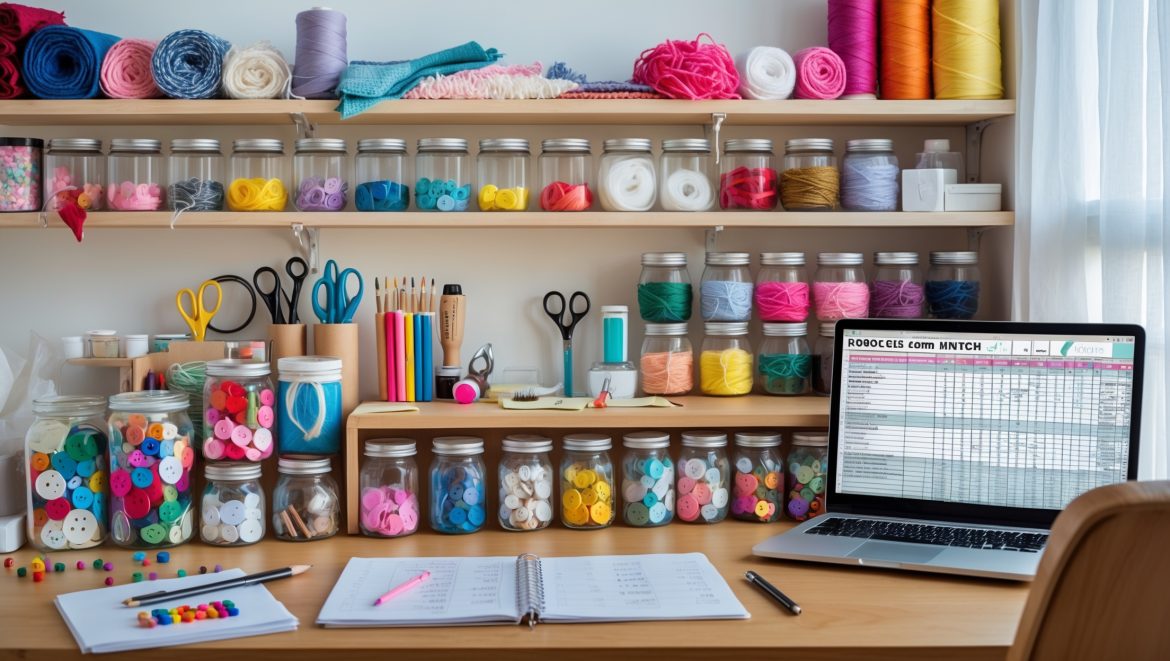
Introduction: Why Budgeting Matters for Aspiring DIY Craft Entrepreneurs
Embarking on the journey of turning your passion for crafts into a thriving DIY brand is exhilarating, but the path from hobbyist to entrepreneur is paved with more than creativity and ambition. One of the most critical—and often overlooked—aspects of launching your own craft business is building a realistic, actionable budget. Too many aspiring makers rely on guesswork or vague estimates, only to encounter unexpected expenses that can stall or even sink their dreams. Whether you dream of selling handmade jewelry, home décor, or custom stationery, knowing the real startup costs is empowering. It allows you to plan strategically, avoid financial pitfalls, and make every dollar work harder for your vision. In this comprehensive guide, we’ll dissect every major cost category, from essential supplies and workspace setup to branding, marketing, shipping, and beyond. You’ll learn how to calculate your true startup costs, identify where to save (and where not to), and create a budget that supports sustainable growth. Let’s demystify the numbers behind DIY success—so you can focus on what you do best: creating.
Understanding the True Scope of DIY Craft Business Costs
Defining Startup vs. Ongoing Costs
Before building your budget, it’s vital to distinguish between one-time startup costs and recurring operational expenses. Startup costs are those you’ll pay to get your business off the ground, such as initial inventory, workspace setup, and branding materials. Ongoing costs recur as you operate: think monthly website fees, replenishing supplies, or shipping costs. Understanding both is essential for cash flow planning and setting realistic financial goals.
Key Cost Categories for DIY Craft Brands
- Materials & Supplies: Raw materials, tools, packaging, and consumables.
- Workspace Setup: Furniture, storage, lighting, and environmental controls.
- Branding & Marketing: Logo design, business cards, product photography, online ads.
- Sales Platforms & Technology: E-commerce fees, website hosting, payment processing.
- Shipping & Delivery: Packaging, postage, mailers, and tracking solutions.
- Legal & Administrative: Business registration, licenses, accounting software.
- Contingency & Miscellaneous: Emergency fund, unexpected expenses.
Materials & Supplies: Calculating the Core Investment
Estimating Initial Inventory
Your materials budget will be dictated by your craft type, product range, and starting inventory goals. Start by mapping your core products and listing every required raw material. For example, a jewelry maker will need beads, wire, clasps, pliers, and findings; a candle maker requires wax, wicks, scents, and molds. Research supplier prices, buy in starter quantities, and beware of overstocking items that may not sell quickly. An effective approach is to set an initial production goal (e.g., enough materials for 50 units of each product) and calculate the total cost accordingly.
Tools and Equipment Essentials
Beyond consumables, certain tools are indispensable. Some you may already own, but factor in new purchases for professional results or increased efficiency. Examples include:
- High-quality scissors or cutting tools
- Specialized machinery (die cutters, sewing machines, heat presses)
- Measuring and safety equipment (rulers, mats, gloves, goggles)
Budget for replacements and upgrades as your business grows. Consider buying gently used tools or looking for supplier discounts to manage costs.
Packaging for Branding and Protection
Packaging is both a practical and branding investment. Calculate the cost per unit for boxes, mailers, tissue paper, labels, and any custom inserts. Don’t forget protective elements for fragile goods. Even at small scale, design choices can significantly impact expenses—opt for simple, scalable solutions initially, and source in bulk to save over time.
Workspace Setup: Creating Your Creative HQ Without Breaking the Bank
Choosing the Right Space
Your workspace can range from a spare room to a garage or rented studio, depending on your needs and budget. The main expenses to consider include:
- Work tables or desks
- Shelving and storage bins
- Task lighting
- Ventilation and safety equipment (especially for paints, adhesives, or fumes)
- Organizational supplies (pegboards, drawer organizers)
Shop secondhand, repurpose furniture, or DIY your own storage solutions to keep setup costs low. Expect to spend anywhere from $200 (for a home setup) to $2,000+ (for a professional studio).
Utilities and Overhead
If you’re using part of your home, factor in a portion of electricity, internet, and water bills. For rented spaces, include rent and any additional insurance or deposits. Keep careful records for tax purposes and future scaling decisions.
Branding & Marketing: Building Your Presence on a Budget
Logo and Visual Identity
Professional branding is crucial but doesn’t have to be expensive. Options include:
- DIY using graphic design tools (many offer free trials or low-cost plans)
- Commissioning affordable freelancers
- Purchasing pre-made logo templates
Set aside $50–$300 for initial branding costs, but prioritize quality and consistency.
Product Photography
High-quality photos sell products. Invest in a basic lightbox, use natural light, and learn simple editing. If outsourcing, expect to spend $20–$100 per product style. Alternatively, trade services with a photographer or learn DIY techniques online.
Marketing Materials
Even in a digital age, business cards, thank-you notes, and branded inserts enhance customer experience. Budget $50–$150 for your first batch. Digital marketing—social media ads, email newsletter services—can start at $50/month, but organic growth through content and community engagement is often most cost-effective early on.
Sales Platforms & Technology: Selling Smarter, Not Costlier
Choosing Your Sales Channel
Popular options include:
- Online marketplaces (Etsy, Amazon Handmade): Listing fees, transaction fees, payment processing (typically 5-10% of each sale).
- Your own website (Shopify, WooCommerce): Monthly hosting ($10–$30+), domain registration ($10–$20/year), payment processing (2.9% + 30¢ per transaction).
Factor in setup fees and monthly costs. Start with one platform and expand as your brand grows.
Software & Tech Tools
Consider essential software for:
- Inventory tracking
- Bookkeeping (QuickBooks, Wave)
- Email marketing (Mailchimp, ConvertKit)
- Photo editing (free or paid apps)
Free or basic plans often suffice early on, with annual upgrades as your needs evolve.
Shipping & Delivery: Getting Products Safely to Your Customers
Packaging Supplies
Calculate the cost of mailers, boxes, labels, and protective materials per order. Many carriers offer free branded packaging for certain services (e.g., USPS Priority Mail boxes).
Postage and Carrier Fees
Use online calculators to estimate shipping costs by weight and destination. Offer real-time rates to customers, or build average shipping into your product pricing. Shop around for shipping software or bulk discounts as order volume increases.
Tracking and Returns
Budget for tracking services and potential returns or lost packages. Having a clear, cost-effective policy builds trust and helps manage financial expectations.
Legal & Administrative: Staying Legit Without Overspending
Business Registration & Licensing
Research local requirements for registering a business name, obtaining a sales tax ID, or securing any craft-specific permits. Costs vary by state or country but typically range from $50–$500 upfront.
Accounting & Recordkeeping
Invest in simple bookkeeping software or spreadsheets. As your business grows, professional accounting support may be needed (expect $200–$500 annually for basic services). Keeping thorough records from day one helps avoid costly errors.
Insurance Considerations
While insurance is a separate, complex topic, budget for basic business insurance if required by your landlord or to protect your assets. Expect $200–$600 per year for general liability or product insurance, depending on your product type and scale.
Contingency & Miscellaneous: Planning for the Unexpected
No budget is complete without a line for surprises. Set aside at least 10% of your total startup budget for unexpected repairs, supply shortages, or small emergencies. This cushion can be the difference between a minor hiccup and a business-halting crisis.
Sample Startup Budget: A Realistic Example
To bring all these numbers together, here’s a sample budget for a home-based DIY craft brand (selling jewelry, as an example):
| Expense Category | Estimated Cost (USD) |
|---|---|
| Materials & Supplies (initial inventory) | $400 |
| Tools & Equipment | $250 |
| Workspace Setup | $350 |
| Branding & Marketing | $200 |
| Website & Sales Platform Setup | $180 |
| Shipping & Packaging | $100 |
| Legal & Administrative | $150 |
| Contingency (10%) | $163 |
| Total Estimated Startup Cost | $1,793 |
Your actual numbers will vary based on craft type, local costs, and business model, but this framework gives you a solid starting point for planning.
Budgeting Tips: Making Every Dollar Count
- Start small and scale up: Avoid overinvesting in inventory or fancy equipment until you have steady sales.
- Track every expense: Use a dedicated spreadsheet or app to monitor spending and spot budget leaks.
- Negotiate with suppliers: Ask for sample packs or first-time buyer discounts.
- DIY where possible: From branding to workspace setup, creative solutions can save serious cash.
- Set clear milestones: Plan to reinvest profits into growth, not just cover costs.
Conclusion: Building a Foundation for Long-Term Success
Launching your DIY craft brand is much more than a creative endeavor—it’s a business decision that deserves careful, realistic financial planning. By breaking down every cost category and mapping out both your startup and ongoing expenses, you transform uncertainty into confidence. A well-structured budget frees you from the anxiety of surprise bills and lets you focus on growth, creativity, and customer delight. Remember, the goal isn’t to spend the least, but to invest wisely in what matters most: quality materials, smart marketing, and a workspace that fuels your passion. As you track your progress and adjust your budget, you’ll discover new opportunities to save, innovate, and thrive. The journey from maker to entrepreneur is challenging, but with a clear-eyed approach to budgeting, you’ll build a craft business that’s financially sustainable and creatively fulfilling. Start with the numbers, and watch your dreams take shape—one well-planned dollar at a time.
Once I’ve calculated my initial costs and set a budget, how often should I revisit or adjust my budget as the business grows or new expenses pop up?
It’s a good idea to review your budget at least once a month, especially during the early stages of your business. As your craft brand grows or you encounter unexpected expenses, adjusting your budget regularly helps you stay on track and quickly respond to changes. You can move to quarterly reviews once things feel more stable.
Could you give more specifics about how to estimate ongoing costs like monthly website fees and packaging replenishment? I’m worried that I might underestimate these and run out of funds unexpectedly.
To estimate ongoing costs, list every expense you’ll have each month, such as website hosting (typically $10–$30), domain renewal (about $1–$2 per month averaged out), and packaging replenishment based on your sales projections. Track your packaging use per order, then multiply by expected orders to estimate monthly needs. Always add a buffer—10–20%—to cover fluctuations or unexpected increases.
Could you share more specifics about how much I should allocate for branding and marketing when starting out? I’m trying to decide between investing in a professional logo upfront or doing it myself to save costs.
When starting out, it’s common to allocate around 10-20% of your initial budget to branding and marketing. If you’re working with a tight budget, designing your own logo using affordable tools is a good way to save costs. You can always upgrade to a professionally designed logo later as your brand grows and you have more funds to invest.
When you mention ongoing costs like monthly website fees and shipping, do you have recommendations for budgeting these if sales are unpredictable in the early months?
For unpredictable early sales, it’s smart to estimate your ongoing costs on the higher side and set aside a few months’ worth of expenses in advance. Consider choosing flexible website plans that can scale up or down as needed, and use shipping options that allow you to pay per use rather than flat monthly rates. This way, your budget stays manageable even if sales fluctuate.
Is it better to invest more upfront into workspace setup or branding if you have a limited budget, or is there a smart way to balance those expenses?
When working with a limited budget, it’s wise to balance your spending between workspace setup and branding. Prioritize essential workspace tools and organization to ensure you can produce quality products efficiently. At the same time, invest in basic branding elements like a logo and cohesive packaging. You can gradually upgrade both as your business grows, focusing first on what directly supports your product quality and customer experience.
If unexpected costs arise after launching, like sudden increases in shipping rates, what strategies have worked for you to adjust your budget and keep your DIY brand on track?
When facing unexpected costs like shipping rate hikes, it’s helpful to review your expenses regularly and see where you can cut back, even temporarily. Some DIY brands renegotiate with suppliers, consider alternative shipping partners, or adjust packaging to reduce weight and size. Gradually increasing product prices or offering bundled deals can also help offset higher costs without losing customers.
Could you give more details on how to differentiate between what should be considered a one-time startup expense and what actually counts as an ongoing cost, especially when it comes to tools and workspace setup?
One-time startup expenses are usually items or services you purchase once to get your business running, such as buying a sewing machine or setting up a worktable. Ongoing costs are recurring, like rent for your workspace or replacing supplies as they run out. For tools, if you buy them at the start and expect to use them long-term, they’re one-time expenses. Workspace setup—like initial painting or furniture—is also a one-time cost, but monthly rent or utilities are ongoing.