

Introduction
Every passionate DIYer and crafter knows that a creative workspace is more than just a corner in your home—it’s the engine room of your imagination. But what many overlook is how profoundly the changing seasons can impact your craft space. From fluctuating temperatures that threaten the integrity of your materials to evolving storage needs and holiday-driven supply surges, each season brings unique challenges and opportunities. Ignoring these shifts can lead to ruined supplies, cramped work areas, and a stifling lack of inspiration. Whether you’re a lifelong crafter or just setting up your first dedicated nook, a seasonal approach to workspace prep is essential for productivity, safety, and creative flow. This comprehensive checklist will help you anticipate and address the specific needs of your DIY workspace throughout the year. We’ll cover everything from climate control and inventory management to seasonal decor swaps and safety precautions, ensuring your space is welcoming, functional, and ready for any project that inspires you.
Spring: Refresh and Rejuvenate
Declutter and Deep Clean
- Remove Unused Supplies: Sort through drawers and bins. Donate or recycle materials you haven’t touched in a year.
- Surface Cleaning: Wipe down all surfaces, including shelves, worktables, and storage containers. Dust can settle in forgotten corners over winter.
- Floor Care: Vacuum or mop the floor, paying special attention to corners where crafting debris collects.
Inventory and Organize Materials
- Check Expiration Dates: Many adhesives, paints, and sprays have a shelf life. Discard anything that’s dried out or expired.
- Reorganize by Season: Move spring and summer projects or materials to easy-access locations. Store heavy winter supplies in higher or lower shelves.
- Label Everything: Use clear, descriptive labels for bins, jars, and drawers to save time during busy project days.
Workspace Improvements
- Natural Light: Clean windows and consider rearranging your workspace to maximize daylight.
- Air Quality: Change air filters if your workspace is indoors. Add a small air purifier if you use paints or glues frequently.
Summer: Beat the Heat and Boost Inspiration
Climate Control and Material Care
- Temperature Management: Use fans, air conditioning, or dehumidifiers to keep the workspace cool. Extreme heat can warp paper, melt adhesives, and degrade fabrics.
- Material Storage: Store sensitive supplies—such as waxes, certain paints, and adhesives—in cool, shaded areas. Avoid direct sunlight on supply-rich shelves.
Safety Precautions
- Fire Safety: With higher temperatures, ensure flammable substances are stored in proper, ventilated containers. Keep a small fire extinguisher within reach.
- Hydration: Keep a water bottle nearby, but away from electronics and sensitive materials. Take breaks to avoid heat exhaustion during long crafting sessions.
Outdoor Crafting
- Portable Setup: Prepare a portable toolkit for projects that can be done outdoors. Include a folding table, drop cloth, and lightweight storage bins.
- Pest Control: Use sealed containers for supplies if working outside to protect against insects and moisture.
Autumn: Prepare for Project Surge and Cozy Comfort
Inventory and Supply Restock
- Prepare for Holidays: Take stock of materials needed for autumn and winter holidays (Halloween, Thanksgiving, Christmas, Hanukkah). Order in advance to avoid last-minute shortages.
- Organize Patterns and Plans: Sort through seasonal project patterns, templates, and inspiration boards. Discard old or irrelevant ideas.
Workspace Comfort
- Warmth: Add a small heater if your workspace is in a basement or garage. Use draft stoppers on doors and windows.
- Cozy Decor: Swap in autumnal decor like cushions, throws, or a scented candle (away from flammable materials) to enhance creative comfort.
Tool Maintenance
- Sharpen Blades: Clean and sharpen scissors, craft knives, and rotary cutters in preparation for increased use.
- Lubricate Machinery: Oil sewing machines or other mechanical tools according to manufacturer instructions.
Winter: Optimize for Efficiency and Safety
Climate and Storage Solutions
- Humidity Control: Use a humidifier to prevent materials like wood and paper from cracking in dry air.
- Insulate Storage: Move temperature-sensitive supplies away from cold walls and windows.
Lighting and Visibility
- Task Lighting: Add bright, adjustable lamps for shorter days. Choose daylight bulbs to reduce eye strain.
- Reflective Surfaces: Use white or pale work surfaces to maximize available light and make small details easier to see.
Safety Checklist
- Electrical Inspection: Check cords and outlets for wear. Avoid daisy-chaining power strips.
- First Aid Kit: Restock supplies and ensure it’s easily accessible. Include bandages, antiseptic, and burn ointment.
All-Season Essentials: Maintenance and Mindset
Routine Upkeep
- Monthly Check-ins: Schedule a monthly 30-minute session to tidy, restock, and review your workspace needs.
- Tool Calibration: If you use cutting machines, laser engravers, or other precision tools, calibrate them seasonally to adjust for temperature and humidity changes.
Creative Rejuvenation
- Mood Board Updates: Refresh your inspiration boards or digital folders with seasonal colors and themes to keep ideas flowing.
- Project Planning: At the start of each season, plan a list of must-try projects and set realistic deadlines for completion.
Health and Ergonomics
- Ergonomic Assessment: Adjust chair heights, table positions, and anti-fatigue mats to align with your current project types and durations.
- Air Circulation: Regularly open windows or use fans to prevent fumes from building up, especially after using paints or adhesives.
Conclusion
A well-prepared DIY and craft workspace is a living, breathing part of your creative journey. By tuning into the rhythms of the seasons, you not only protect your materials and tools but also nurture your own inspiration and well-being. Taking the time to declutter in the spring, cool down in the summer, cozy up in the autumn, and fortify against winter’s chill ensures that your workspace remains inviting, efficient, and safe. These efforts pay off in reduced stress, fewer ruined supplies, and a sense of pride every time you step into your creative zone. Even the busiest crafters can benefit from a few hours of seasonal organization—often, these rituals spark new project ideas or uncover hidden treasures you forgot you had. With this checklist in hand, you’ll approach each season with confidence, knowing your creative space is ready for anything. Now, set your timer, grab your label maker, and give your DIY haven the love it deserves. Happy crafting—no matter the weather outside!


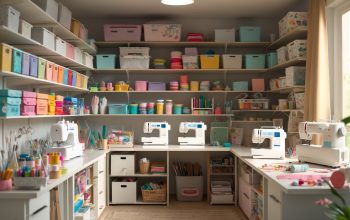
For those of us who craft in small spaces, what are some affordable storage solutions to make seasonal swaps easier without cluttering up other parts of the home?
Consider using clear plastic bins that can slide under beds or stack in closets for off-season supplies. Over-the-door organizers and collapsible fabric boxes are also budget-friendly and perfect for smaller items. Label everything clearly so it’s easy to swap materials as the seasons change without spreading supplies into other living areas.
When reorganizing craft materials by season, do you have suggestions for storing supplies that are sensitive to both temperature and humidity? I’m especially worried about things like specialty papers and certain adhesives during the summer.
For temperature- and humidity-sensitive supplies like specialty papers and adhesives, airtight containers are a great choice. Store them in a cool, dry area away from direct sunlight. You might also consider adding silica gel packets or desiccant packs to containers to control moisture, and avoid storing these materials in garages or attics where temperature swings are common.
I noticed you mention floor care as part of the spring cleaning process. What kind of cleaning products or tools do you find best for handling glitter, glue, or stubborn crafting residues on various flooring types?
For glitter, a vacuum with a HEPA filter is helpful for carpets, while a damp microfiber mop works well on hard floors. For glue or sticky residues, try using a plastic scraper and a gentle adhesive remover that’s safe for your specific flooring, followed by a damp cloth. Always test cleaners on a small area first to avoid damage.
When you talk about checking expiration dates, are there any specific signs to look for in adhesives or paints besides what’s printed on the packaging? I’ve accidentally kept some glue too long before and wasn’t sure if it was still safe to use.
Besides printed expiration dates, you can check adhesives for changes in texture, separation, or a sour smell—these can all signal it’s gone bad. For paints, clumping, unusual odors, or thick skin on the surface are signs that they’re no longer good to use. If anything looks or smells off, it’s safest to replace it.
When you suggest decluttering and donating old supplies, do you have resources or organizations you recommend for crafters to donate materials to?
Craft materials like fabric, yarn, paper, and tools are often welcomed by local schools, community centers, art programs, and children’s hospitals. Many cities also have creative reuse centers or charities that accept craft supplies. You might also check with after-school programs or retirement homes, as they often appreciate donations for their arts and crafts activities.
I’m wondering if you have any tips for keeping adhesives and paints at the right temperature during extreme summer heat, especially if my workspace is in a garage without air conditioning.
Storing adhesives and paints in a garage during extreme summer heat can affect their quality. To help, keep them in airtight containers and place them in insulated coolers or storage bins. You might also rotate supplies into your house during heatwaves or use portable fans and shade to lower workspace temperatures. Always check product labels for recommended storage temperatures.
How often should I do a deep clean and declutter beyond the big spring refresh? Would a quick monthly check-up help prevent mess from piling up, or is that overkill?
A quick monthly check-up is actually a great idea and not overkill. It helps keep supplies in order and prevents clutter from getting overwhelming. You can save deep cleans for once or twice a year, but regular mini-tidies make the big jobs much easier.
How often should I do deep cleans beyond the recommended spring cleaning if my crafting business tends to get especially busy (and messy) during the holiday months?
If your workspace gets extra busy and messy during the holidays, consider adding a deep clean both before and after the holiday rush, in addition to your spring cleaning. This helps keep your space organized, ensures supplies are easy to find, and creates a more productive environment during your busiest times.
I’m curious about inventory management—you mention labeling everything, but do you recommend using digital tools to track supplies, or is a manual system more efficient for crafters?
Both digital and manual inventory systems can work well, depending on your preference and the size of your supply collection. For smaller stashes, handwritten lists or labeled bins are often enough. If you have lots of materials or want to track things like expiration dates, digital tools or apps can make updating and searching much easier. Choose the method that feels most manageable for your workflow.