

Introduction: Why Avoiding Beginner Mistakes Matters in DIY Crafting
Embarking on your DIY crafting journey is an exciting experience, filled with the promise of creative fulfillment, personalized projects, and maybe even a new favorite hobby or side hustle. However, many beginners find themselves facing unexpected setbacks that can sap their enthusiasm and budget. From purchasing unnecessary tools to misjudging the amount of material needed, these mistakes are common but avoidable. Understanding where things typically go wrong is the first step to ensuring your creative endeavors are enjoyable and rewarding rather than stressful and costly. In this comprehensive guide, you’ll learn how to sidestep the most frequent pitfalls encountered by new crafters. We’ll cover practical advice on planning, budgeting, tool selection, workspace organization, and more—helping you set up for success from the very start. Whether you’re interested in papercraft, woodworking, home decor, or upcycling, these tips will help you gain confidence, save time and money, and truly enjoy your creative process.
Common Planning Mistakes and How to Avoid Them
1. Skipping the Research Phase
One of the most frequent errors beginners make is diving into a project without adequate research. Inspiration is important, but without understanding basic techniques or the nuances of your chosen craft, you’re more likely to encounter frustration. Take time to look up tutorials, read blog posts, and watch videos specific to your project. Join relevant online communities or local crafting groups to ask questions and get advice.
2. Underestimating Project Complexity
It’s easy to be drawn to intricate projects you see on social media, but attempting complex crafts without foundational skills can lead to wasted materials and disappointment. Start with beginner-friendly projects to build your confidence and skillset. Gradually increase the difficulty as you gain experience.
3. Failing to Plan Steps and Timeline
DIY projects often take longer than expected. Not planning out each step or estimating a timeline can lead to rushed decisions and mistakes. Before starting, break down your project into actionable steps and set realistic timeframes. This helps prevent burnout and ensures you have all necessary materials before you begin.
Budgeting and Material Sourcing Mistakes
1. Ignoring Cost Breakdown
Many beginners overlook the true cost of a project by only considering the price of primary materials. Factor in tools, adhesives, finishes, and any specialty items. Create a detailed cost breakdown before shopping, and compare prices across multiple suppliers. This will help you avoid sticker shock and stay within your means.
2. Buying in Bulk Too Early
While buying materials in bulk can save money in the long run, it’s risky for beginners who may not yet know their preferences or actual usage rates. Start with smaller quantities until you’re sure you’ll continue with the craft. This reduces waste and prevents storage clutter.
3. Sacrificing Quality for Price
Choosing the cheapest materials may seem budget-friendly, but low-quality supplies can affect the final result and your crafting experience. Invest in reputable brands for essentials like cutting tools, glues, and paints. For decorative elements, you can sometimes compromise, but for foundational materials, quality is worth the expense.
4. Not Accounting for Hidden Costs
- Shipping fees for online material orders
- Replacement blades or refills for tools
- Protective gear and storage solutions
Include these in your initial budget to avoid surprises.
Tool Selection and Equipment Setup
1. Buying Every Gadget on the Market
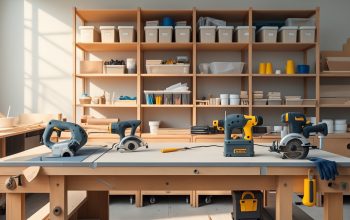
It’s tempting to splurge on every new tool, especially when marketed as essential. Focus on a basic toolkit tailored to your craft. For example, papercrafters need a quality craft knife, a self-healing mat, and reliable adhesives, while beginner woodworkers should invest in a sturdy saw, clamps, and a measuring tape. Expand your toolkit as your skills and needs grow.
2. Overlooking Tool Maintenance
Neglected tools quickly become dull or damaged, leading to poor results and safety hazards. Create a routine for cleaning, sharpening, and storing your equipment properly. Read manufacturer guidelines and invest in maintenance supplies, such as honing oils or blade cleaners.
3. Not Considering Workspace Ergonomics
Many crafters work in cramped or poorly lit areas, causing discomfort and mistakes. Arrange your workspace so tools and materials are easily accessible, and ensure you have adequate lighting. A comfortable, clutter-free environment increases productivity and reduces frustration.
Workspace Organization and Safety Oversights
1. Working in a Cluttered Environment
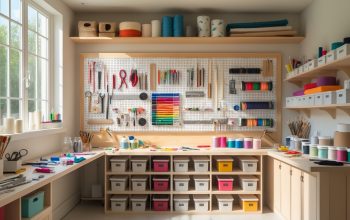
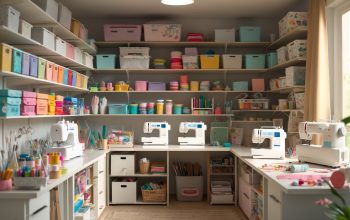
Disorganization leads to misplaced tools, lost materials, and accidental damage. Use storage solutions like pegboards, bins, and drawer organizers to keep your workspace tidy. Regularly declutter and designate areas for different supplies.
2. Ignoring Safety Precautions
Many beginners underestimate the risks involved in crafting. Always use protective gear such as goggles, gloves, and masks as appropriate for your materials and tools. Keep a first aid kit nearby and familiarize yourself with basic safety procedures for your craft.
3. Neglecting Ventilation
Some adhesives, paints, and finishes emit fumes that can be hazardous without proper ventilation. Work near a window or use a fan when working with chemicals, and take breaks to ensure fresh air circulation.
Project Execution Pitfalls
1. Rushing the Process
Impatience can cause you to skip crucial steps, like allowing glue or paint to dry. Respect drying and curing times to achieve professional-looking results. Use waiting periods to prepare for the next step or tidy up your workspace.
2. Not Testing Techniques First
Before applying a new technique or material to your main project, test it on scrap pieces. This helps you perfect your approach and avoid irreversible mistakes.
3. Skipping Measurements and Templates
Eyeballing cuts or placements often results in errors and wasted materials. Use rulers, measuring tapes, and templates to ensure precision. Invest time in marking out your design before making irreversible changes.
Finishing and Display Errors
1. Rushing the Final Touches
Finishing touches, such as sanding, sealing, or framing, are crucial for durability and aesthetics. Allocate time and care for these steps, and read up on best practices for your specific materials.
2. Improper Storage and Display
Finished projects can warp, fade, or become damaged without proper storage or display. Store items away from direct sunlight, moisture, and extreme temperatures. Use display stands or shadow boxes to showcase your work safely.
Learning from Mistakes: Growth Mindset for DIY Crafters
1. Documenting Your Process
Keep a crafting journal or photo log of your projects, noting what worked and what didn’t. Reviewing your process helps you identify areas for improvement and track your progress over time.
2. Seeking Feedback
Share your work with trusted friends, family, or online communities. Constructive feedback can offer valuable insights and encouragement, helping you refine your skills.
3. Embracing Iteration
Don’t be discouraged by setbacks. Treat each project as an opportunity to learn. Even experienced crafters make mistakes—what sets successful DIYers apart is their willingness to adapt and improve.
Conclusion: Set Yourself Up for Creative Success
DIY crafting is deeply rewarding, but the path to creative fulfillment is paved with lessons learned from experience. By recognizing and actively avoiding common beginner mistakes, you can save money, reduce frustration, and achieve results you’re proud to display. Remember, successful crafting isn’t about perfection on the first try—it’s about enjoying the process, growing your skills, and expressing your unique creativity. Start small, plan thoroughly, invest in quality tools and materials, and always prioritize safety and organization. Stay curious, be patient with yourself, and document your journey so you can look back and see how far you’ve come. With these practical strategies, you’ll build a strong foundation for a lifelong love of DIY, crafts, and creative living. Happy crafting!
For someone completely new to woodworking versus papercraft, which do you think has a gentler learning curve based on your discussion about beginner-friendly projects?
Based on the article, papercraft generally offers a gentler learning curve for beginners. The materials are inexpensive, mistakes are less costly, and basic techniques can be picked up quickly. Woodworking often requires more specialized tools and safety considerations, making it slightly more complex for someone just starting out.
I tend to be inspired by complex upcycling projects I see online, but often get stuck halfway through. What’s your recommendation for building skills before tackling more advanced DIY crafts?
Starting with smaller, manageable projects is a great way to build confidence and essential skills. Try practicing basic techniques with inexpensive materials before moving on to complex upcycling. As you gain experience, gradually increase the difficulty of your projects—this helps prevent frustration and ensures you develop the right skills step by step.
If I start with a beginner-friendly project, how do I know when I’m ready to move up to more complex crafts without getting overwhelmed or wasting materials?
A good sign you’re ready for more complex projects is when you can complete beginner tasks confidently and consistently get good results. If you understand the techniques, make fewer mistakes, and enjoy the process, try a project that adds just one or two new skills. That way, you’ll keep learning without feeling overwhelmed or risking too many materials.
The article mentions joining online communities for advice. Are there particular forums or groups that are especially welcoming or helpful for absolute beginners in DIY crafting?
Yes, there are several online communities that are very beginner-friendly. Reddit’s r/DIY and r/crafts are great places to ask questions and share projects, no matter your skill level. Facebook also has many crafting groups where people are supportive and happy to offer advice to newcomers. These spaces are ideal for finding tutorials, troubleshooting issues, and getting inspired by others.
When it comes to avoiding buying unnecessary tools as a beginner, do you have any tips for figuring out which items are truly essential for starting out, especially if you’re dabbling in more than one craft area like papercraft and woodworking?
To decide which tools are truly essential, focus on projects you want to try first in each craft area and list the tools needed for those specific tasks. Many basics, like rulers, cutting mats, and pencils, overlap between crafts. Consider borrowing or buying entry-level versions until you know which crafts you’ll pursue long-term, and avoid sets with lots of specialty items you might not use.
You mentioned that new crafters often misjudge how much material they need. Is there a good rule of thumb or formula for estimating materials for woodworking or papercraft projects?
For woodworking, measure each piece you need and add about 10–15% extra for mistakes or grain matching. For papercraft, count how many items you’ll cut from each sheet and add a couple of extra sheets for errors. Always double-check your measurements and list parts before purchasing materials.
You mention joining online crafting communities for advice during the research phase. Do you have any recommendations for US-based forums or Facebook groups that are especially beginner-friendly for people starting out with upcycling or woodworking?
Absolutely! For beginners interested in upcycling and woodworking, US-based Facebook groups like ‘Beginner Woodworking Questions’ and ‘Upcycle Nation’ are very welcoming. On forums, ‘LumberJocks’ has a helpful community for all skill levels, and ‘Craftster’ covers a range of upcycling topics. These spaces are great for tips, project inspiration, and troubleshooting as you get started.