

Introduction: The Foundation of Every Craft Studio
If you ask any seasoned crafter about the heart of their creative space, chances are they’ll point to their hand tools. While specialized machines and high-tech gadgets get plenty of attention, it’s the reliable hand tools—those scissors, knives, rulers, and pliers—that quietly power project after project. Yet, many DIY enthusiasts overlook the importance of building a well-chosen, well-maintained, and thoughtfully upgraded hand tool collection. This guide dives deep into the essentials: what tools truly belong in a craft studio, how to choose them for your specific needs, how to care for them so they last, and when it’s time to invest in upgrades. Whether you’re setting up your first studio or seeking to elevate your toolkit, you’ll find actionable advice to help you craft smarter, safer, and with more enjoyment. Let’s unlock the full potential of your creative workspace by focusing on the tools you use every single day.
Why Hand Tools Matter in DIY Craft Studios
Hand tools are the backbone of any craft studio for good reason. Unlike electric or digital equipment, they offer precise control, tactile feedback, and the flexibility to tackle an enormous range of projects. From papercraft and fabric arts to woodworking and jewelry making, the right hand tools can enhance your results, speed up your workflow, and even prevent injuries caused by using the wrong tool for a task.
- Versatility: Most hand tools serve multiple functions, saving space and money.
- Portability: Small and lightweight, they can be used anywhere in your studio or even on the go.
- Cost-effectiveness: Investing in quality hand tools pays off over years of reliable use.
Core Hand Tools Every DIY Craft Studio Needs
Every studio is unique, but some tools are universally indispensable. Here’s a breakdown of core categories, with recommendations for each.
1. Cutting Tools
- Precision Scissors: Invest in several pairs—fabric-only, paper-only, and detail scissors for intricate cuts.
- Craft Knives: A quality craft knife (like an X-Acto or Olfa) with replaceable blades is vital for clean, controlled cuts.
- Rotary Cutters: Essential for quilters and useful for paper, leather, and felt. Choose a size that fits your hand comfortably.
- Self-Healing Cutting Mat: Protects surfaces and prolongs blade life. Opt for a mat with grid lines for measuring.
2. Measuring and Marking Tools
- Steel Rulers: Durable, easy to clean, and perfect for scoring and cutting straight edges.
- Measuring Tape: Flexible for fabrics and 3D projects.
- Square and Angle Rulers: Useful for box making, framing, and accurate corners.
- Marking Pencils and Chalk: Choose non-permanent markers for fabric and erasable pencils for paper or wood.
3. Gripping, Shaping, and Fastening Tools
- Pliers (Needle-nose, Round-nose, Flat-nose): Must-haves for jewelry, wirework, and small repairs.
- Wire Cutters: For jewelry, floral, or mixed-media projects.
- Awl or Hole Punch: For leather, paper, and fabric punctures.
- Clamps or Clips: Hold items firmly while glue sets or paint dries.
4. Adhesive Tools
- Glue Guns (Low and High-Temp): Quick adhesion for a variety of materials.
- Brushes and Spreaders: For even application of glue, paste, or decoupage mediums.
5. Specialty Tools (Project-Dependent)
- Bone Folder: For crisp folds in paper crafting and bookbinding.
- Seam Ripper: Essential for sewing and upcycling fabric.
- Mini Screwdrivers: For assembling small hardware and repairs.
- Craft Tweezers: Precision placement of beads, sequins, and embellishments.
How to Choose the Right Tools for Your Craft Studio
With so many options, selecting the right tools can feel overwhelming. Here’s how to make informed choices that fit your creative practice and budget.
Assess Your Primary Craft Types
List the crafts you do most often. Cross-reference this with required tools. For instance, a jewelry maker needs excellent pliers, while a paper artist should prioritize craft knives and bone folders.
Prioritize Quality Over Quantity
- Material: Stainless steel tools resist rust and corrosion. Solid handles (wood, rubberized grip) increase comfort and safety.
- Brand Reputation: Read user reviews, ask in craft forums, and avoid off-brand bargain packs that may fail quickly.
- Test in Person: If possible, handle tools before buying to check for comfort and balance.
Budgeting for Tools
- Start with the essentials and add specialty tools as needed.
- Consider buying sets for cost savings, but only if you’ll use all included items.
- Look for sales, secondhand options, or craft supply swaps to stretch your budget.
Tool Care: Maintenance and Storage for Longevity
Even the best tools won’t last without proper care. Routine maintenance not only extends the life of your collection but also prevents accidents and ensures high-quality results.
Cleaning and Upkeep
- Wipe Down After Use: Remove glue, paint, or dust with a soft cloth. For sticky residues, use a little rubbing alcohol.
- Sharpen Blades Regularly: Dull knives and scissors are dangerous and can damage materials. Use a sharpening stone or appropriate tool.
- Oil Moving Parts: Pliers and screwdrivers last longer if pivot points are occasionally lubricated.
- Check for Damage: Inspect handles and blades for cracks, chips, or loose fittings. Replace when needed.
Safe Storage Solutions
- Tool Rolls or Pouches: Prevents tools from knocking together and dulling.
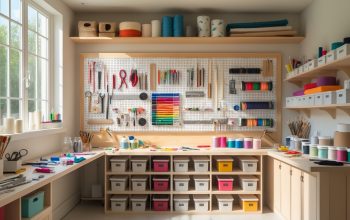
- Wall-Mounted Racks: Saves tabletop space and keeps frequently used tools accessible.
- Drawer Organizers: Keeps small items sorted and easy to find.
- Silica Packets: Place in drawers to absorb moisture and prevent rust.
Upgrading Your Toolkit: When and How
As your skills advance or your projects grow more complex, upgrading your hand tools can dramatically improve your results and efficiency.
Signs It’s Time to Upgrade
- Frequent Repairs: If you’re constantly fixing or replacing cheap tools, it’s time to invest in quality.
- Inconsistent Results: Dull or flimsy tools lead to mistakes and frustration.
- New Techniques: Trying a new craft may require specialty tools for best results.
How to Upgrade Smartly
- Replace, Don’t Accumulate: Donate or recycle outdated tools to avoid clutter.
- Read Reviews and Seek Recommendations: Forums and craft communities are invaluable for honest feedback.
- Test Upgrades in Person: Especially with ergonomic tools, comfort matters.
Tool Customization: Personalizing for Comfort and Efficiency
Many crafters find that minor tool modifications can make a big difference in comfort, efficiency, and creative flow.
- Ergonomic Grips: Add silicone covers or foam tape to handles for reduced hand fatigue.
- Color Coding: Use washi tape or paint to mark tools by craft or material type.
- Magnetic Strips: Install above your workspace for easy access to metal tools.
Common Hand Tool Mistakes and How to Avoid Them
Even experienced makers can fall into bad habits. Here are frequent pitfalls and expert solutions:
- Using the Wrong Tool: Always match the tool to the material and task. Forcing a tool can cause damage or injury.
- Neglecting Maintenance: Schedule regular cleaning and sharpening sessions.
- Overloading Storage: Cramming too many tools in one spot leads to dulling and breakage.
- Ignoring Safety: Always cut away from your body and use protective gear as needed (e.g., gloves, safety glasses).
Essential Safety Tips for Hand Tool Use
Proper hand tool use is about more than productivity—it’s about protecting yourself and your creations.
- Keep Blades Sharp: Sharp tools require less force and reduce slips.
- Stabilize Materials: Use a cutting mat, clamps, or a vice to secure workpieces.
- Wear Appropriate Protection: Eye protection for cutting or wirework, gloves for heavy-duty tasks.
- Store Safely: Never leave sharp tools loose on work surfaces.
Recommended Hand Tool Brands and Resources
While every crafter develops their own preferences, certain brands are trusted for durability and performance. Consider these when building or upgrading your toolkit:
- Fiskars: Renowned for precision scissors and rotary cutters.
- Olfa: High-quality craft knives and cutting mats.
- Knipex and Channellock: Excellent pliers and gripping tools.
- Stanley: Reliable hand tools for general crafting and repairs.
- Beadalon: Specialized tools for jewelry making.
Check your local craft store or reputable online retailers. Many brands offer starter sets that are perfect for new studios.
Conclusion: Building a Studio That Works for You
Choosing, maintaining, and upgrading hand tools is one of the most impactful investments you can make in your DIY craft studio. These tools are more than just instruments—they’re extensions of your creativity and skill. By curating a collection tailored to your crafts, caring for each item, and upgrading strategically, you’ll not only save time and money but also unlock new levels of precision and enjoyment in every project. Remember, quality always trumps quantity when it comes to hand tools: a few well-chosen items, kept in top condition, will serve you better than a box full of bargain-bin gadgets. As your studio evolves, revisit your toolkit regularly—swap out what doesn’t serve you, try new upgrades, and customize as your creative journey unfolds. With the right hand tools at your side, there’s no limit to what you can make, fix, or imagine. Happy crafting!
For someone setting up a new craft studio from scratch, about how long does it typically take to build a solid hand tool collection? Should I buy everything at once or build gradually?
Building a solid hand tool collection often takes several months to a year, depending on your budget and how often you work on new projects. It’s usually best to start with essential tools for your immediate needs and gradually add specialized tools as you gain experience and discover what you really use most.
For someone just starting a craft studio, how do you recommend prioritizing which hand tools to buy first, especially when working with a limited budget?
When starting out on a budget, focus on core hand tools that are versatile and commonly used, such as a utility knife, a sturdy pair of scissors, measuring tape, a hammer, and a set of screwdrivers. These basics will cover most tasks. As your projects expand, you can gradually add more specialized tools based on your specific needs.
You mention having different pairs of scissors for fabric and paper—can you recommend affordable brands or specific models for beginners who are on a budget?
For beginner-friendly and budget-friendly options, consider Fiskars or Westcott scissors. Fiskars offers dedicated fabric scissors that stay sharp and comfortable for repeated use, while Westcott makes reliable paper scissors. Both brands are widely available and known for good quality at reasonable prices, making them ideal for a starter craft studio.
When you mention upgrading hand tools, are there certain brands or features that really make a noticeable difference for everyday crafting compared to entry-level options?
Upgrading hand tools can make a big difference, especially if you craft often. Look for tools with ergonomic handles, higher-quality steel, and smooth action. Brands like Stanley, Irwin, and Wiha are known for reliability and comfort. Features such as cushioned grips or precision tips can also improve accuracy and reduce hand fatigue during long crafting sessions.
You mentioned hand tools help prevent injuries caused by using the wrong tool. Could you give examples of common mistakes and how to avoid them when just starting out?
Absolutely, common mistakes include using a screwdriver as a pry bar, which can cause the tip to snap and injure you, or using pliers instead of a wrench, which can slip and damage both the tool and your knuckles. To avoid these, always select the tool designed for the job and check it’s in good condition before use.
The article mentions knowing when to upgrade your hand tools. What are some signs that a tool is ready to be replaced or that it might be worth investing in an upgrade?
Signs that a hand tool is ready for replacement or an upgrade include visible damage like cracks or rust that affects safety, persistent dullness despite proper sharpening, or handles that are loose or uncomfortable. If your projects are becoming more complex and your current tools feel limiting or inefficient, it may also be a good time to invest in higher-quality or specialized tools.
I’m just starting to set up my craft space at home, so how important is it to have separate scissors for fabric and paper right away? Can I get by with just one good pair in the beginning?
It’s definitely possible to start with just one good pair of scissors, especially when you’re just getting set up. However, using the same scissors for both fabric and paper will quickly dull the blades, which can make clean fabric cuts difficult. If you plan to work with fabric often, consider getting a second pair for fabric as soon as you can.
When choosing hand tools for specific crafts like jewelry making or woodworking, are there brands or features you’d suggest looking for? The article mentions versatility, but I want to avoid buying something that won’t last.
For jewelry making, look for brands like Lindstrom or Beadsmith, as they offer precision pliers and cutters that hold up well. In woodworking, Bahco, Irwin, and Stanley are reliable for saws, chisels, and planes. Key features to prioritize are comfortable grips, solid steel construction, and replaceable parts. Investing a bit more upfront usually means better durability and long-term value.
If my studio already has basic hand tools, at what point do you suggest upgrading to more specialized or ergonomic versions? Are there early warning signs to look out for with tool wear?
If you notice your basic tools becoming uncomfortable after long use, or if you’re working on more advanced projects, it might be time to upgrade to specialized or ergonomic versions. Early warning signs of tool wear include slipping grips, dull blades, rust, or loose moving parts. Upgrading can improve both your comfort and project results.
The article talks about knowing when it’s time to upgrade hand tools. What are some clear signs that a tool has reached the end of its useful life versus just needing maintenance?
Signs a hand tool is at the end of its useful life include cracks in the handle, bent or warped metal parts, rust that can’t be removed, or tools that no longer hold their shape or function properly despite cleaning or sharpening. If a tool just feels dull, loose, or sticky, it might only need maintenance like tightening screws, oiling, or sharpening.
My projects usually switch between papercraft and some light woodworking. Are there any hand tools from your recommended list that work well for both, or should I get separate ones for each type of craft?
Several hand tools from the recommended list are versatile enough for both papercraft and light woodworking. Tools like precision knives, cutting mats, steel rulers, and small clamps can serve both crafts well. However, for tasks that require more force, such as sawing or chiseling, it’s best to have separate, craft-specific tools to maintain precision and safety.
Could you share any tips for knowing when a hand tool actually needs an upgrade versus when simple maintenance or sharpening would be enough?
Look out for signs like persistent rust, cracks in the handle, or parts that no longer fit tightly—these often mean a tool needs replacing. However, if a tool is just dull or a bit stiff, sharpening or oiling can usually restore it. Regular cleaning and care can greatly extend the life of most hand tools before an upgrade is necessary.
You mention the risk of injury from using the wrong tool. Can you give examples of common mistakes beginners make with hand tools in a craft studio and how to avoid them?
Beginners often use scissors instead of a craft knife for precise cuts, which can slip and cause injury. Another common mistake is using the wrong size screwdriver or hammer, leading to stripped screws or damaged materials and potential slips. To avoid accidents, always choose the correct tool for the task, keep tools sharp, and follow the manufacturer’s safety instructions.
How often do you find yourself needing to maintain or care for your core hand tools to keep them in good shape for regular use, and what’s your routine for keeping everything sharp and rust-free?
Regular maintenance is key for hand tools. I usually dedicate some time at the end of each week to wipe down tools, check for any rust, and oil any metal parts if needed. For sharpness, I hone blades after every few uses and do a more thorough sharpening monthly. Storing tools in a dry place and occasionally applying a rust inhibitor helps keep everything in top shape.
I’m on a pretty tight student budget and want versatility. Which core hand tool from your list do you think provides the best value for multiple types of crafting projects?
A quality utility knife is probably the most versatile core hand tool for a tight budget. It’s useful for cutting paper, cardboard, fabric, foam, and even thin wood or plastic, which covers a wide range of crafting projects. Just make sure to keep spare blades handy for clean, safe cuts.