

Introduction: Why Tool Organization Matters in Every DIY Craft Studio
Every creative project begins with the right tools—readily accessible, in good condition, and easy to find. Yet, for many DIY enthusiasts, disorganized tool storage can quickly transform a studio from a place of inspiration into a source of frustration. Misplaced supplies, tangled cords, and cluttered surfaces not only sap your creative energy but also waste precious time and money. Proper tool organization isn’t just about aesthetics; it’s essential for workflow efficiency, safety, and the longevity of your investments. In this guide, we’ll dig deep into actionable strategies for organizing tools in your craft studio, exploring proven storage systems, workflow-centric layouts, maintenance routines, and clever hacks for studios of all sizes. Whether you’re setting up your first creative nook or leveling up a full-sized workshop, these insights will help you transform chaos into creativity—one organized tool at a time.
Assessing Your Craft Tool Collection
Take Inventory: Know What You Have
Before investing in new storage systems, start with a thorough inventory. Gather every tool, accessory, and supply you own. Sort them by category (cutting, measuring, painting, gluing, etc.) and frequency of use (daily, weekly, occasional). This process often reveals duplicates, broken items, or supplies you no longer need. Consider donating or recycling anything you haven’t used in over a year.
- Tip: Use a spreadsheet or inventory app to log your tools, including purchase dates and maintenance notes.
Evaluate Your Space and Workflow
Analyze your studio’s layout: available wall and floor space, accessibility, lighting, and proximity to power outlets. Watch your crafting habits for a week—where do you naturally reach for tools? Which supplies clutter your workspace most? This observation will guide your organizational decisions for maximum efficiency.
Tool Organization Systems That Work
Pegboards: Versatile Vertical Storage
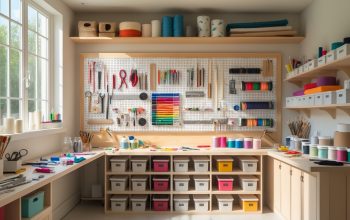
Pegboards are a staple in functional craft studios. Mounted on walls, they keep essential tools visible and within arm’s reach. Hooks, baskets, and custom holders allow endless configurations for scissors, rulers, small power tools, and more.
- Mount pegboards above your main workbench for easy access.
- Use color-coding or silhouette outlines to indicate where each tool belongs.
- Reserve lower rows for heavier tools and upper rows for lightweight items.
Drawer Dividers and Modular Trays
Deep drawers quickly become junk zones without proper dividers. Invest in adjustable trays or create custom compartments using foam board or wood. Label each section clearly: blades, adhesives, paintbrushes, fasteners, etc. Modular trays can be lifted out and brought to your work area, streamlining cleanup.
Wall-Mounted Shelves and Rails
Open shelving makes it easy to scan supplies at a glance. Use sturdy wall-mounted shelves for heavy items like sewing machines, die-cutters, or bins of raw materials. Slotted rails with moveable hooks are ideal for hanging rulers, cutting mats, and specialty tools that don’t fit pegboards.
Rolling Carts: Mobility Meets Storage
Rolling carts provide flexible storage for tools you use at multiple stations. Choose carts with adjustable shelves or drawers, and assign each level to a specific category (e.g., painting supplies on top, adhesives in the middle, cleaning products below). Look for lockable casters to keep carts steady during use.
Magnetic Strips for Metal Tools
Magnetic knife strips, typically used in kitchens, are perfect for organizing metal tools: scissors, pliers, tweezers, and screwdrivers. Install them near your primary workspace for instant grab-and-go functionality.
Storage Bins, Boxes, and Baskets
Clear, stackable bins make it easy to identify contents and keep supplies dust-free. Use smaller containers for beads, fasteners, and embellishments; larger boxes for fabric, yarn, or paper. Label every bin clearly using removable tags or a label maker. Group bins by project type or season for quick access.
Optimizing Workflow with Zone-Based Organization
Define Activity Zones
Divide your studio into distinct zones based on activity: cutting, assembly, painting, finishing, and storage. Place tools and supplies nearest to where they’re used most. For example, store all cutting tools and mats near the cutting area, while paints and brushes live by the painting station.
Centralized vs. Distributed Storage
Decide whether you prefer all tools in a centralized hub or distributed among various zones. Centralized storage is ideal for compact studios; distributed storage supports larger spaces or shared studios with multiple users. The best setups often blend both approaches for optimal flow.
Workflow-Friendly Work Surfaces
Keep primary work surfaces clear by using wall-mounted organizers and under-table drawers for tools you use every session. Only active project materials should be on the bench; everything else returns to its home after use.
Creative Storage Solutions for Small Studios
Utilize Vertical Space
Install ceiling-mounted racks for infrequently used supplies or lightweight items. Over-door organizers are perfect for small tools, glue bottles, or rolls of tape. Consider tall, narrow shelving units to maximize floor-to-ceiling space without crowding your workspace.
Hidden and Multi-Functional Storage
Furniture with built-in storage—benches with lift-up seats, ottomans with internal compartments, or fold-down wall tables with integrated pockets—can double your storage capacity in tight quarters. Magnetic or adhesive-backed organizers on cabinet doors offer extra room for small items.
Portable Storage Solutions
Stackable toolboxes, tackle boxes, and craft caddies are ideal for crafters on the go. Assign a portable kit for each major craft (e.g., sewing kit, jewelry kit) for grab-and-craft convenience, especially if you attend classes or craft fairs.
Labeling and Inventory Management
Effective Labeling Systems
Consistent labeling reduces search time and helps maintain order. Choose a labeling method that’s easy to update—chalkboard labels, dry-erase tags, or a label maker. Use large, clear fonts and color-coding to differentiate tool categories or projects.
Digital Inventory Management
For extensive tool collections, consider using inventory apps or spreadsheets to log each item, its location, and maintenance history. This is especially valuable if you share your studio or manage a teaching space. Some apps allow you to add photos and set reminders for tool maintenance or restocking.
Maintenance Routines to Keep Order
Daily and Weekly Habits
- Return tools to their designated spot after each session.
- Spend five minutes daily wiping surfaces and sweeping floors.
- Do a quick weekly scan for out-of-place items, clutter, or broken tools.
Monthly Deep Organizing
- Check tool condition; sharpen blades, replace batteries, and lubricate moving parts.
- Reorganize storage zones based on any workflow changes or new acquisitions.
- Purge expired or dried-up supplies and recycle packaging.
Safety Considerations in Tool Storage
Secure Storage for Sharp and Hazardous Tools
Store blades, needles, and cutting tools in locking drawers or containers away from children and pets. Power tools should be unplugged and stored with safety features (like blade guards) engaged. Avoid overcrowding shelves, which can lead to falling hazards.
Ventilation and Fire Safety
Ensure flammable supplies (solvents, adhesives, aerosols) are stored in a well-ventilated area, away from heat sources. Use metal cabinets for extra fire protection. Install smoke alarms and keep a fire extinguisher easily accessible.
Budget-Friendly Tool Organization Hacks
DIY Storage Solutions
- Repurpose glass jars for small hardware, buttons, or beads—mount jar lids under shelves for easy access.
- Use PVC pipe segments to create vertical tool holders for brushes or pens.
- Transform old muffin tins into drawer organizers for small items.
- Hang a shoe organizer for storing spray paint cans, glue bottles, or yarn skeins.
Thrift and Upcycle
Scout thrift stores or online marketplaces for gently used shelving, bins, and cabinets. Upcycled furniture often provides more character and durability than new, budget options. A fresh coat of paint or new hardware can transform a basic cabinet into a studio centerpiece.
Maintaining Momentum: Making Organization a Habit
Regular Reviews and Adjustments
Your organizational needs will evolve with your projects and skills. Set a quarterly reminder to review your setup, declutter, and fine-tune storage systems as needed. Involve studio partners or family members to ensure shared spaces stay functional for everyone.
Encouraging a Tidy Mindset
Adopt a “one in, one out” rule for new tools and supplies. Resist the urge to stockpile items unless they’re essential for ongoing projects. Celebrate small victories—an organized drawer, a labeled bin, or a clutter-free bench—these reinforce the habit of tidiness and set the tone for productive, enjoyable crafting.
Conclusion: Unlocking Creativity Through Organization
Crafting isn’t just about the materials and tools you use—it’s about the environment you create for your ideas to flourish. An organized tool storage system is the backbone of any productive DIY craft studio, saving you time, reducing frustration, and making creative sessions more joyful. By investing effort in smart organization—through thoughtful inventory, workflow zoning, creative storage solutions, effective labeling, and regular maintenance—you lay the groundwork for sustained creativity and growth. Remember, the best organization system is the one you’ll use consistently and adapt over time. Start small, experiment with different solutions, and don’t hesitate to upcycle or customize to fit your unique crafting style. With every tool in its place, your studio becomes a true sanctuary for inspiration, skill-building, and making beautiful things by hand. Happy organizing, and may your next project begin with a clear mind—and a clear workspace!
When taking inventory, do you have any tips for tracking smaller items like needles or tiny hardware that always seem to get lost? I worry a spreadsheet might get too detailed and overwhelming for those little things.
For small items like needles or hardware, grouping them into categories (like ‘assorted hand sewing needles’ or ‘tiny brass screws’) can make tracking less overwhelming. Instead of counting every piece, note the container or section they’re in and update your inventory only when you’re running low or restocking. Clear labeling and small divided containers help keep things visible and easy to recount.
How do you recommend handling tool organization if my craft studio is in a shared space, like a living room, and I need to frequently set up and pack away supplies?
For a shared space like a living room, using portable storage is key. Try clear bins or rolling carts to group tools by type, making it easy to see what you need and pack up quickly. Stackable containers or tote bags can also help you move supplies in and out efficiently while keeping everything organized.
I’m a bit overwhelmed by sorting all my tools into categories and tracking them in a spreadsheet. Do you have any tips or templates to make this inventory process quicker and less stressful for beginners?
To make tool inventory easier, start by grouping tools by use (like cutting, measuring, adhesives) rather than specific project types. Use broad categories to avoid overcomplicating things. For your spreadsheet, keep columns simple: Tool Name, Category, Location, and Notes. You can also jot down items on sticky notes as you sort, then enter them into your spreadsheet later to break the process into manageable steps.
As a small business owner with a limited budget, I’m curious if you recommend any low-cost alternatives to pegboards for maximizing wall storage space in a compact studio?
Absolutely! For a budget-friendly alternative to pegboards, you can use items like sturdy wire racks, tension rods with S-hooks, or even repurposed wooden pallets mounted on the wall. These options can hold tools and supplies, helping you organize your studio efficiently without a big investment.
When evaluating studio layout, how do you balance keeping frequently used tools within reach versus maintaining a clutter-free workspace, especially in really small areas?
In small studios, try using vertical storage like pegboards or magnetic strips to keep your most-used tools visible yet off the work surface. Limit the number of tools kept within arm’s reach to your true essentials, and store the rest in labeled drawers or bins nearby. Rotating tools seasonally or by project type also helps keep the space tidy without sacrificing accessibility.
Can you give more details about how to set up a workflow-centric studio layout if my crafting habits tend to change with each project?
When your crafting habits change, try using flexible furniture like rolling carts and modular shelves that can be moved around as needed. Organize your tools and supplies in portable bins or containers, grouping items by type or project. This way, you can quickly adapt your studio layout to match the workflow of each new project, keeping everything accessible and organized.
How do you decide what’s worth donating or recycling when it comes to rarely used supplies? I worry about getting rid of something I might need later.
It’s normal to worry about letting go of supplies you might use someday. Try sorting items by how often you’ve used them in the past year. If you haven’t used something in over a year and can’t think of a specific project for it, consider donating or recycling it. Keeping a small box for ‘maybes’ lets you revisit the decision in a few months before making it final.
When evaluating your studio layout, how do you balance between keeping frequently used tools within reach and avoiding clutter around your main workspace? Any strategies that work for smaller rooms?
To balance accessibility and avoid clutter, try grouping your most-used tools in containers or pegboards right above or next to your main work area. For smaller rooms, use vertical storage like wall shelves and magnetic strips. Limit your workspace surface to only daily essentials and rotate out tools you don’t use as often to keep the area tidy and efficient.
I noticed you suggest decluttering tools not used in over a year, but what about seasonal tools or supplies that only get used for holiday projects? How should those be stored or categorized?
Seasonal tools and supplies that are only used for holiday projects shouldn’t be decluttered if you know you’ll need them again. Store them in clearly labeled bins or containers by holiday or season, and keep them in a less accessible area to free up prime workspace for more frequently used items. This way, they’re easy to find when needed without taking up valuable everyday space.
For smaller studios with very limited wall and floor space, are there any alternative storage systems to pegboards that still support a workflow-centric layout?
For very small studios, consider using stackable drawers, rolling carts, and magnetic strips on the sides of shelves or desks. Over-the-door organizers and under-desk baskets can also maximize space. Arranging these tools close to your main work area keeps supplies accessible and supports a smooth workflow without relying on large pegboards.
Could you recommend some affordable storage solutions for those of us on a budget? I’d love to get organized but can’t invest a lot right now.
Absolutely! You can repurpose items like glass jars, tin cans, and shoeboxes for storing supplies. Drawer dividers made from cardboard work well for tools. Hanging organizers, pegboards, or even tension rods can add storage without much expense. Thrift stores and dollar shops often have baskets and bins at low prices to help keep things tidy.
I noticed you suggest taking a full inventory and logging purchase dates and maintenance notes. For a beginner with just a handful of tools, is setting up a spreadsheet really necessary, or is there a simpler way to track things?
If you only have a few tools right now, a spreadsheet isn’t necessary. You could jot down your tool details in a small notebook or even use your phone’s notes app. As your collection grows, you can always switch to a more detailed system later on.
For those of us with a tight budget, are there particular low-cost or DIY storage ideas that you’ve found effective for organizing frequently used craft tools without sacrificing workflow efficiency?
Absolutely! Repurposing household items like glass jars, tin cans, or sturdy boxes works well for organizing tools. Pegboards made from inexpensive materials can be hung up to keep tools visible and easy to grab. Drawer dividers crafted from cardboard help separate small items. These options keep your space tidy and tools within arm’s reach, supporting an efficient workflow without breaking the bank.
My biggest struggle is cords from my glue guns and heat tools always getting tangled. Are there any specific hacks for managing cords in a small craft room?
Tangled cords can be a real headache in a small craft space. Try using adhesive cord clips or hooks along the edge of your worktable to keep cords separated and accessible. Velcro cable ties or twist-ties can bundle excess cord length neatly. Also, consider mounting a small power strip under your table to keep plugs off the floor and organized.
I’m working with a super small apartment space—do you have any workflow-centric layout ideas for craft tool storage when you barely have any wall or floor space?
For very limited spaces, consider using vertical or over-the-door organizers and clear bins that stack inside cabinets or closets. A rolling utility cart can hold frequently used tools and tuck away when not needed. Tabletop organizers or a fold-down wall-mounted desk can turn tiny areas into efficient mini workstations without taking up much space.
You mentioned using a spreadsheet or app to track tools and maintenance. Can you recommend specific apps that work well for families, or is a paper list just as effective for a smaller studio?
For families, apps like Google Sheets or Trello work well because multiple people can access and update them from different devices. For a smaller studio, a paper list on a clipboard can be just as effective, especially if everyone using the space is comfortable with it. The best option depends on how many people need access and how detailed your tracking needs to be.