
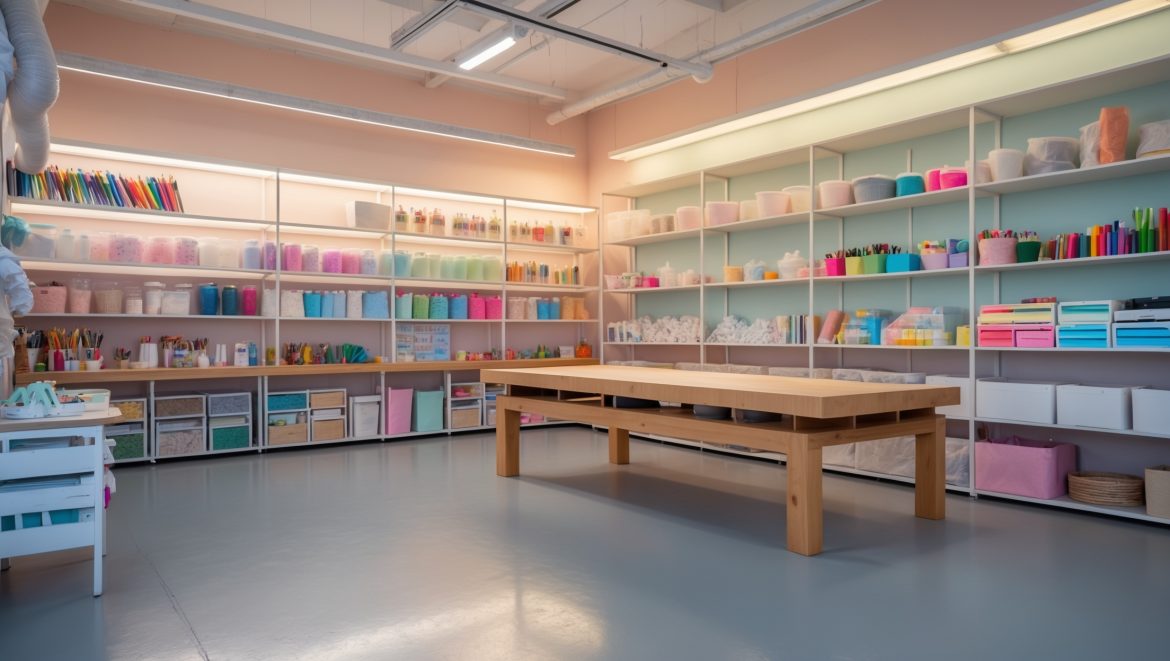
Introduction: Why Flooring Matters in Your DIY Craft Studio
When setting up your DIY craft studio, flooring is often the last thing on your mind—until you drop a fragile project, spend hours on your feet, or notice persistent paint stains that just won’t budge. The right flooring can make a world of difference in your creative experience, impacting comfort, safety, maintenance, and even the quality of your finished crafts. Whether your projects involve sewing, painting, woodworking, jewelry-making, or any other creative pursuit, your studio’s floor is the foundation that supports your work (literally and figuratively!). In this comprehensive guide, we’ll explore the most popular flooring options for DIY craft studios, analyze their pros and cons, cover installation basics, and share practical maintenance and safety tips. Our goal? To help you create a workspace that’s as functional and inspiring as your imagination.
From soft surfaces that reduce fatigue to tough finishes that withstand spills and heavy tools, flooring choices are as diverse as the crafts you love. Let’s dive into the details so you can make an informed decision and set the stage for years of satisfying, safe, and stress-free making.
Key Considerations for Craft Studio Flooring
Functionality Over Fashion
While aesthetics are important, your studio floor needs to handle heavy use, accidental spills, and the occasional dropped tool. Consider the kinds of projects you do most often, as well as any specific hazards (sharp objects, paints, glue, etc.) that could impact your flooring choice.
Comfort and Fatigue Reduction
If you spend hours standing or moving about, prioritize surfaces that reduce strain on your feet, legs, and back. Cushioned flooring and anti-fatigue mats can make a significant difference in your long-term comfort and productivity.
Safety and Slip Resistance
Safety is paramount in any workspace. Choose materials that offer good traction, and plan for easy cleanup of spills to prevent slips and falls. If you regularly use water or liquid media, moisture-resistant surfaces are a must.
Easy Maintenance
Craft studios get messy! Look for flooring that’s easy to clean, resistant to staining, and durable enough to withstand repeated scrubbing and the movement of furniture or rolling chairs.
Budget and Installation
Factor in both the cost of materials and installation. Some options are great for DIYers, while others may require professional help. Don’t forget to include underlayment and any necessary adhesives or sealants in your calculations.
Popular Craft Studio Flooring Options
1. Epoxy-Coated Concrete
- Pros: Extremely durable, easy to clean, resists stains and chemicals, seamless look, can be customized with colors and flakes.
- Cons: Hard underfoot, can be cold, initial installation is labor-intensive and requires proper ventilation.
- Best For: Large studios, messy crafts, and makers who need a tough, industrial-grade surface.
Installation Tips: Start with a clean, smooth concrete base. Apply primer, then mix and spread the epoxy evenly. Allow for full curing before use. Use anti-slip additives in areas prone to wet spills.
2. Vinyl Plank or Sheet Flooring
- Pros: Affordable, comes in a wide variety of styles, softer than tile or concrete, water-resistant, easy to install (especially click-together planks).
- Cons: Can gouge or tear with heavy equipment, seams may allow moisture penetration if not sealed.
- Best For: Multipurpose craft studios, home-based makers, and spaces that double as living areas.
Installation Tips: Ensure the subfloor is level. For sheet vinyl, carefully measure and cut before adhering. For plank systems, work from the center out. Use floor rollers for smooth adhesion.
3. Interlocking Rubber or Foam Tiles
- Pros: Cushioned support, great for standing long periods, easy to replace individual tiles if damaged, absorbs shock from dropped items, excellent slip resistance.
- Cons: Can be punctured by sharp tools, some foams may stain with paints or adhesives, may have seams where spills can seep through.
- Best For: Small studios, jewelry makers, sewing, and anyone prioritizing comfort.
Installation Tips: Lay tiles over any hard, flat surface. Leave a small gap at edges for expansion. Clean regularly to prevent grit from wearing the surface.
4. Laminate Flooring
- Pros: Attractive, affordable, easy to install as a floating floor, resists scratches and dents from light use, available in many finishes.
- Cons: Not waterproof, can swell or warp if wet, harder than vinyl or foam.
- Best For: Studios with frequent light crafting, or for multipurpose rooms where looks matter.
Installation Tips: Use underlayment for sound and moisture protection. Stagger planks for strength. Avoid standing water and wipe up spills promptly.
5. Ceramic or Porcelain Tile
- Pros: Durable, water- and stain-resistant, easy to clean, available in endless designs.
- Cons: Very hard and unforgiving if you drop fragile items, cold underfoot, grout can stain or crack over time.
- Best For: Studios exposed to heavy moisture or used for painting, glazing, or pottery.
Installation Tips: Ensure a level substrate. Use appropriate grout and sealant. Consider area rugs or mats in key work zones for comfort.
Specialty and Eco-Friendly Flooring Options
Cork Flooring
Cork is a renewable, soft, and warm material, offering excellent comfort for standing work. It’s also naturally antimicrobial. However, it can be dented by heavy furniture and is sensitive to moisture, making it better for dry craft studios.
Bamboo Flooring
Bamboo is another sustainable choice, with a look similar to hardwood but more eco-friendly. It’s durable and resists wear, but can be scratched by heavy or sharp objects. Look for engineered bamboo with a tough finish for best results.
Recycled Rubber Flooring
Often used in gyms, recycled rubber tiles or rolls are tough, shock-absorbent, and easy to clean. They’re ideal for studios where you stand for long periods or need cushioning for dropped tools and materials.
Comparing Flooring Types at a Glance
- Durability: Epoxy, tile, rubber
- Comfort: Foam/rubber tiles, cork
- Water Resistance: Epoxy, tile, vinyl
- Easy DIY Installation: Interlocking tiles, vinyl plank, laminate
- Eco-Friendly: Cork, bamboo, recycled rubber
Flooring Safety: Key Precautions for Crafters
Slip Resistance Is Essential
Look for flooring with built-in texture or slip-resistant coatings, especially if you routinely use water, glues, or paints. In high-risk areas, add anti-slip mats or runners.
Managing Spills
Always wipe up spills immediately. For studios with porous or seam-prone floors, use trays or mats under wet work, and consider sealing seams periodically.
Cushioning High-Impact Zones
Place anti-fatigue mats in front of standing workstations or sinks, even if your general flooring is hard. These mats reduce strain and lower the risk of dropped items breaking.
Installation: DIY or Hire a Pro?
DIY-Friendly Options
Many flooring choices are suitable for confident DIYers, including interlocking tiles, vinyl planks, and click-together laminate. These can often be installed in a day or weekend with basic tools.
When to Call a Professional
Epoxy coatings, tilework, and some specialty floors require skill, patience, and sometimes special equipment. If your craft studio is in a basement or over a subfloor with moisture issues, professional installation ensures a longer-lasting result.
Maintenance Best Practices By Flooring Type
- Epoxy: Sweep regularly, mop with mild detergent, avoid harsh abrasives, touch up chips promptly.
- Vinyl: Sweep or vacuum debris, mop with gentle cleaner, use furniture pads to prevent tears.
- Rubber/Foam Tiles: Vacuum or damp mop, replace damaged tiles as needed, avoid solvents.
- Laminate: Dry mop or vacuum, use damp cloth for spills, avoid excess water.
- Tile: Sweep and mop, seal grout periodically, replace cracked tiles promptly.
- Cork/Bamboo: Use microfiber dust mops, damp clean only, re-seal as recommended.
Flooring Upgrades and Accessories
Protective Mats and Runners
Strategically place mats under heavy equipment, rolling chairs, or messy workstations. These protect your main floor from stains and wear.
Chair Glides and Caster Wheels
Add felt glides or quality caster wheels to all furniture. This prevents scratching and makes it easy to reconfigure your workspace.
Flooring Transitions and Thresholds
If your studio connects to other rooms, use proper transition strips for a safe, seamless look. Rubber or beveled thresholds help prevent tripping.
Cost Breakdown: Budgeting for Your New Floor
Flooring costs vary widely by material and room size. Here’s a rough guide (materials only, per square foot):
- Epoxy: $3–$7
- Vinyl Plank/Sheet: $2–$5
- Rubber/Foam Tiles: $2–$6
- Laminate: $1.50–$4
- Tile: $2–$10
- Cork/Bamboo: $3–$8
Don’t forget underlayment, adhesives, and potential professional installation fees. Always add 10% extra for waste and future repairs.
Frequently Asked Questions
What’s the best all-around flooring for a craft studio?
Vinyl plank or interlocking rubber tiles offer a balance of durability, comfort, and affordability for most home studios.
Can I put new flooring over old flooring?
Yes, in many cases. Floating floors (laminate, vinyl plank, some tiles) can be installed over clean, level existing floors. Avoid layering over soft surfaces like thick carpet.
How do I prevent paint or glue stains?
Use protective mats or trays in messy zones, wipe up spills immediately, and choose non-porous, easy-clean flooring for messy crafts.
Conclusion: Set the Stage for Inspired Making
Choosing the right flooring for your DIY craft studio is an investment in your creative journey. Beyond just looks, your floor sets the tone for comfort, safety, and productivity. Whether you opt for resilient epoxy, cushioned rubber, stylish vinyl, or eco-friendly cork, consider the demands of your favorite projects and your own working style. Remember, the best flooring is the one that supports your unique workflow, keeps you safe, and stands up to the beautiful messes that come with making something by hand.
Take the time to research, budget, and plan for your studio floor. Don’t be afraid to combine solutions—hard surfaces in heavy-use areas, comfort mats where you stand, and protective runners in messy spots. Prioritize easy maintenance so you spend more time creating and less time cleaning. And finally, let your new floor inspire you! With the right foundation beneath your feet, your craft studio can be a space where creativity and comfort meet, and where your next masterpiece is always just one step away.
Do you have any recommendations for flooring materials that are both resistant to paint stains and comfortable for standing long hours? I do a lot of painting and I want to avoid surfaces that permanently show marks.
For a painting studio, look for cushioned vinyl or rubber flooring. Both materials are comfortable for long periods of standing and provide good resistance to paint stains—spills can usually be wiped up easily without leaving permanent marks. Additionally, these floors are more forgiving on your joints than hard surfaces like concrete or tile.
Could you clarify how to balance aesthetics with functionality in a craft studio, especially if my studio is also a shared space in our living room?
When your craft studio shares space with your living room, choose flooring that blends with your home’s decor but still meets durability and comfort needs. Consider attractive options like luxury vinyl or cork, which are easy to clean and gentle underfoot. You can use area rugs or modular tiles to visually separate the craft zone without sacrificing the room’s overall aesthetic.
Can you compare how well different flooring options handle stubborn stains from things like paint or glue? I’m worried about permanent marks since we do a lot of messy crafts.
Vinyl and sealed concrete floors are the most resistant to stubborn stains from paint or glue. They’re non-porous, so spills can usually be wiped up before they set. Laminate fares fairly well but can be damaged if moisture seeps into seams. Hardwood and carpet, on the other hand, are much more likely to hold onto permanent marks from messy crafts.
For people who do a mix of woodworking and painting, is it better to go with a single flooring type for the whole studio or separate surfaces for each area? Wondering about upkeep and practicality in a multi-purpose space.
For a studio that combines woodworking and painting, using different flooring types for each area can make maintenance easier and boost safety. For example, durable, easy-to-clean flooring like vinyl or sealed concrete in painting zones helps with spills, while cushioned mats or tough wood surfaces in woodworking areas reduce fatigue and protect tools. Dividing the space this way keeps upkeep practical and tailored to each activity.
You mention that some surfaces can help reduce fatigue from standing. Can you expand on which flooring types or mats provide the best support for long crafting sessions, and are there any that are suitable for people with joint issues?
Anti-fatigue mats, especially those made from cushioned rubber or foam, offer excellent support for long crafting sessions and can help ease joint strain. Cork flooring is another good option, providing a softer, resilient surface. Both are suitable choices for people with joint issues, as they reduce pressure on knees, hips, and back during extended periods of standing.
If I already have a concrete floor in my studio, are there specific treatments or coverings you recommend to improve comfort and reduce fatigue, or would I need to install something completely new?
You don’t need to completely replace your concrete floor. To improve comfort and reduce fatigue, consider adding anti-fatigue mats in work areas, or installing cushioned vinyl, rubber tiles, or interlocking foam tiles. These options provide cushioning and are easy to install over concrete, making your studio more comfortable without major renovations.
I’m working with a pretty tight budget. Are there any cost-effective flooring choices that balance safety, easy cleanup, and still look decent for a craft studio?
You might want to consider vinyl sheet or luxury vinyl tile flooring. Both are affordable, easy to clean, and offer some cushioning for safety. They come in a variety of styles, so you can still achieve a nice look without overspending. Another budget option is sealed concrete with area rugs in key spots for added comfort.
You mentioned that anti-fatigue mats help with standing for long hours. Do you have any recommendations on how to position these mats or what size works best for a compact workspace?
For a compact workspace, place anti-fatigue mats directly in front of your main work area—like your easel, table, or workstation—where you stand the most. Mats that are 2×3 feet or 3×4 feet usually fit well without crowding the space. Make sure the mat covers the area where your feet naturally land while you work to maximize comfort.
If I already have tile flooring in my space, are there easy ways to add slip resistance or comfort without a full replacement? Or do I really need to consider changing out the flooring completely?
You don’t necessarily need to replace your tile flooring. You can add slip-resistant mats or area rugs in key spots to improve safety and comfort. There are also anti-slip coatings available that can be applied directly to tiles. For added cushioning, consider interlocking foam tiles or rubber mats, which are easy to install and remove.
Do you have advice on installing tough, spill-proof flooring solutions for people who rent and can’t make permanent changes? Any specific materials or installation methods that work well for temporary studios?
For renters, interlocking rubber or vinyl tiles are a great choice—they’re durable, spill-proof, and can be installed without adhesives. Peel-and-stick vinyl planks are another option, as they’re easy to remove later. Both options protect existing floors and can be taken with you when you move.
How would you balance comfort and durability for someone who stands for hours but also deals with frequent spills and sharp objects in their craft space?
For your situation, consider cushioned vinyl or rubber flooring with a dense wear layer. These materials offer comfort for long periods of standing and have good resistance to spills and sharp tools. You might also use anti-fatigue mats in key areas for extra support, and choose flooring that is easy to clean and repair if damaged.
For someone on a tight budget, are there temporary or DIY floor solutions you’d suggest for a craft studio that still offer decent safety and stain resistance?
Absolutely, there are a few affordable and temporary options you can try. Interlocking foam mats or rubber tiles are budget-friendly, easy to install, and can be cleaned or replaced if stained. You could also use large vinyl or PVC floor mats, which resist stains and can be rolled up when not needed. Both options provide some cushioning and help protect against slips.
For someone renting a space and unable to do permanent installations, what temporary flooring solutions would still provide good safety and comfort without damaging the original floor?
For rental spaces, consider interlocking foam tiles or modular carpet squares. Both options sit on top of existing floors, offer cushioning for long periods of standing, and are easy to remove without leaving residue. You can also try large area rugs with non-slip backings for added comfort and safety.
Could you give some tips on maintaining different types of studio flooring, especially if you work with a lot of messy materials like paint and glue on a regular basis?
To keep your studio flooring in good shape despite frequent spills, use protective mats or drop cloths in high-mess areas. For concrete or vinyl floors, clean spills quickly with mild soap and water. For wood, wipe up liquids promptly and use floor-safe cleaners to avoid damage. Regularly sweep or vacuum to remove debris and prevent buildup, no matter the floor type.