
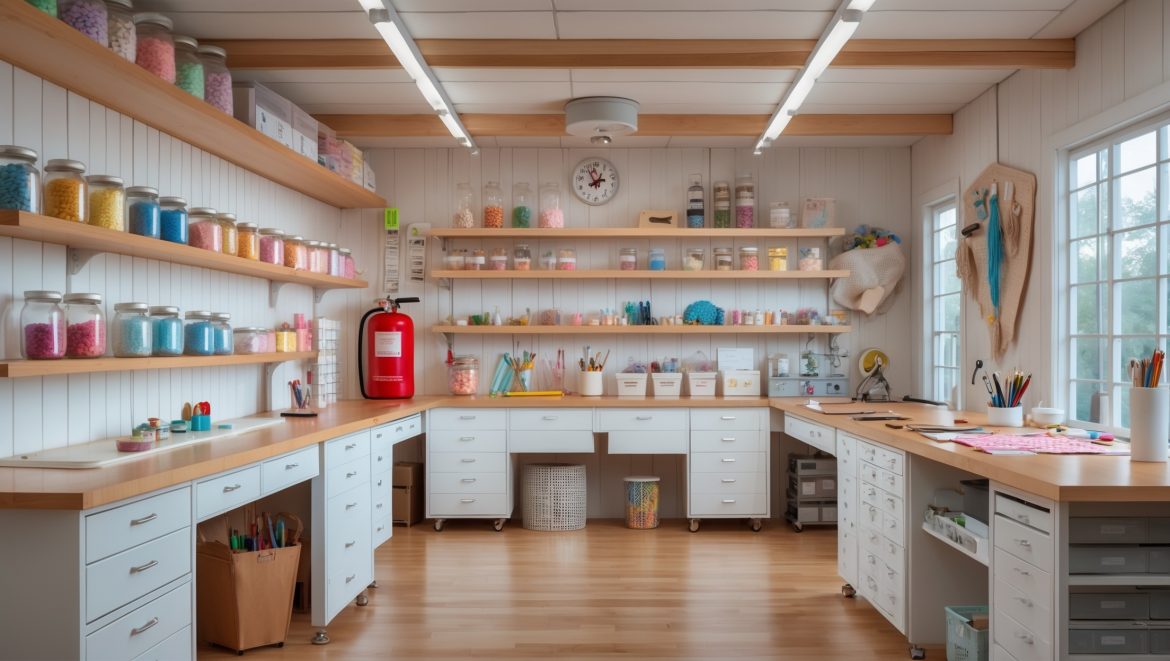
Introduction: Why Fire Safety Matters in Your Craft Studio
Every creative space has its own spark—sometimes literally. Whether you’re a passionate quilter, a jewelry designer with a penchant for soldering, or a multi-disciplinary DIY enthusiast, your craft studio is a haven for imaginative work. But amidst the vibrant colors, bustling tools, and inspiration boards, it’s easy to overlook a critical aspect of creative living: fire safety. Unlike many other rooms in your home, a craft studio often combines flammable materials, electrical equipment, heat sources, and creative chaos—making it uniquely vulnerable to fire hazards. From a forgotten glue gun to a misplaced rag soaked in solvent, it only takes a small oversight for a minor incident to escalate. You don’t need to be a full-scale woodworker to face real risks: even paper crafts and fiber arts can turn hazardous if safety isn’t prioritized. This guide is designed for DIYers and crafters who want to protect their creative investment, their home, and their peace of mind. We’ll walk you through practical, actionable strategies for preventing fires, storing materials safely, and responding effectively if the worst should happen—so you can focus on creativity, not catastrophe.
Understanding Fire Risks Unique to Craft Studios
Common Craft-Related Fire Hazards
- Heat Tools: Glue guns, embossing guns, soldering irons, and heat presses can ignite nearby flammable objects.
- Solvents and Chemicals: Paint thinners, alcohol inks, spray adhesives, and cleaning solvents often emit flammable vapors.
- Paper and Fabric: Large volumes of paper, fabric scraps, and batting are highly combustible if exposed to sparks or open flame.
- Electrical Overload: Multiple tools plugged into a single outlet or overloaded extension cords can overheat and cause electrical fires.
- Improper Storage: Storing oily rags, solvents, or paints in non-ventilated or incompatible containers can trigger spontaneous combustion.
Why Studios Are at Higher Risk
Craft studios—especially those set up in basements, garages, or spare rooms—may lack dedicated fire suppression systems or proper ventilation. Many are DIY spaces with makeshift electrical setups, second-hand furniture, and eclectic storage solutions. And because creativity thrives on inspiration, it’s easy to accumulate supplies far beyond immediate needs, increasing both clutter and fire load.
Fire Prevention Fundamentals: Setting Up a Safe Studio
Studio Layout and Zoning
- Designate Hot Zones: Assign specific areas for heat tools and ensure these are clear of flammable materials.
- Maintain Clear Paths: Keep walkways and exits unobstructed for quick evacuation.
- Work Surface Choices: Use non-combustible surfaces (metal, stone, tile) in areas where heat tools or open flame are used.
Electrical Safety Best Practices
- Dedicated Circuits: If possible, have a licensed electrician install dedicated circuits for high-draw equipment.
- Surge Protection: Use surge protectors rated for your equipment’s load.
- Avoid Daisy-Chaining: Never connect multiple extension cords or power strips together.
- Routine Inspection: Replace damaged cords and check for loose plugs or outlets.
Safe Use of Heat Tools
- Always place heat tools on a heat-resistant mat or metal tray when not in use.
- Unplug all tools immediately after use—don’t rely on switches alone.
- Install a dedicated hook or stand for soldering irons and similar tools to cool safely.
Fire-Resistant Furnishings and Storage
- Opt for metal or glass storage wherever possible, especially for chemicals and solvents.
- Avoid excessive use of wooden or plastic shelving in high-risk zones.
- Use fire-retardant spray on curtains or fabric room dividers if present.
Smart Storage: Managing Flammables and Combustibles
Storing Solvents, Paints, and Chemicals
- Keep all flammable liquids in clearly labeled, original containers with tight-fitting lids.
- Store chemicals in a dedicated, ventilated metal cabinet (ideally with a self-closing door).
- Avoid storing solvents near heat sources, direct sunlight, or electrical panels.
- Limit quantities: only keep on hand what you’ll use in a short period.
Oily Rags and Disposables
- Dispose of oily or solvent-soaked rags in a metal, self-closing container labeled for oily waste.
- Empty containers daily and never place rags in ordinary trash bins inside the studio.
Paper, Fabric, and Scrap Storage
- Organize bulk paper and fabric in closed cabinets or metal bins to minimize exposure.
- Keep scrap bins away from electrical outlets and heat-producing tools.
- Regularly declutter: donate or recycle excess to reduce fire load.
Fire Detection and Suppression: Gear Every Studio Needs
Smoke and Heat Alarms
- Install at least one smoke detector in your studio, ideally interconnected with others in your home.
- Test alarms monthly and replace batteries every six months or as recommended by the manufacturer.
- For studios with frequent dust, consider dual-sensor detectors to reduce false alarms.
Fire Extinguishers
- Keep a multipurpose (ABC-rated) fire extinguisher easily accessible—near the exit, not buried in a corner.
- Check pressure gauges monthly and service extinguishers annually.
- Learn how to use it: remember the PASS method—Pull, Aim, Squeeze, Sweep.
Fire Blankets
- Store a fire blanket near the workspace, especially if working with open flame or hot tools.
- Use fire blankets to quickly smother small fires or wrap around a person if clothing ignites.
Automatic Shutoffs and Timers
- Consider plug-in timers or auto-shutoff power strips for heat tools to prevent them from being left on accidentally.
Emergency Preparedness: Planning for the Worst
Craft Studio Evacuation Plan
- Know your exit routes and keep them clear at all times.
- Post a simple evacuation map by the door if your studio is in a basement, garage, or outbuilding.
- Practice exiting quickly—time yourself and others if you share the space.
Emergency Contacts and Communication
- Keep a list of emergency contacts and your address posted by the phone or exit.
- If working alone, let someone know your schedule and check in regularly.
First Aid and Burn Care
- Stock a basic first aid kit, including burn cream, sterile dressings, and eye wash.
- Post basic burn care steps: cool the burn, cover loosely, and seek medical help if severe.
Routine Maintenance: Keeping Fire Safety Top of Mind
Monthly and Seasonal Checklists
- Monthly: Test smoke alarms, check extinguisher pressure, inspect cords and plugs, empty oily rag containers.
- Quarterly: Declutter supplies, review storage of solvents and combustibles, rotate or dispose of expired chemicals.
- Annually: Schedule professional extinguisher servicing, review and update your emergency plan, conduct a full studio walk-through for hazards.
Training and Refreshers
- If you share the studio, ensure all users know how to operate extinguishers and alarms.
- Refresh your own knowledge by reviewing fire safety basics at least once a year.
Special Considerations for Different Types of Crafters
Fiber Arts and Sewing Studios
- Keep irons and heat presses on auto-off settings.
- Clean lint traps and vacuum around power outlets regularly.
Jewelry, Glass, and Metalwork Studios
- Store fuel canisters (butane, propane) outside or in fire-rated cabinets.
- Install a dedicated fire-resistant work surface for torch work.
Woodworking and Mixed Media
- Collect and empty sawdust and wood scrap bins frequently.
- Never leave finishes or solvents open—vapors can ignite from even small sparks.
Case Study: Fire Safety Upgrade in a Home Craft Studio
Background: Sarah, a mixed-media artist, worked from her converted basement studio. She used a hot glue gun, kept a small soldering iron for jewelry, and stored several types of paints and solvents. After a minor incident where a glue gun scorched a stack of paper, she decided to overhaul her safety setup.
Steps Taken:
- Installed a metal storage cabinet for all chemicals and labeled each container.
- Bought a multipurpose fire extinguisher and mounted it by the door, with a fire blanket nearby.
- Replaced wooden shelving near her soldering area with metal racks.
- Set up a plug-in timer for all heat tools and made a habit of unplugging them after each use.
- Posted emergency contacts and a simple evacuation plan by the stairs.
Outcome: Sarah reports increased peace of mind and a less cluttered, more efficient workspace. She’s since shared her safety upgrades with her craft group, inspiring others to audit their own studios.
Conclusion: Protect Your Passion and Your Peace of Mind
Your craft studio is more than a workspace—it’s where your ideas come to life, where you find flow, and where you build a creative legacy. But as every seasoned maker knows, a moment of inattention can put all of that at risk. Fire safety isn’t about stifling your inspiration; it’s about building a foundation for fearless creativity. By taking practical steps to prevent fires, safely store materials, and prepare for emergencies, you’re not just protecting your supplies—you’re safeguarding your time, investments, and dreams. Remember, the most successful makers are those who plan for the unexpected and make safety a creative habit. Whether you’re just setting up your first studio or revisiting your current routine, let fire safety be an ongoing part of your craft journey. You’ll gain more than protection: you’ll foster a space where creativity and security work hand in hand, and where you can create boldly—knowing you’re prepared for anything. Take a few hours this week to review your studio, implement these strategies, and encourage fellow crafters to do the same. Your future self—and your creative community—will thank you.



I noticed the article mentions that even paper crafts and fiber arts have fire risks. Are there specific storage solutions recommended for keeping large amounts of fabric or paper safer in small studios?
Yes, storing large amounts of fabric or paper safely in small studios is important. The article suggests using metal cabinets or fire-resistant storage bins to minimize fire risks. Make sure these containers have tight-fitting lids and keep them away from heat sources or direct sunlight. Also, avoid stacking materials too close to electrical outlets or equipment.
I use a lot of electrical tools like glue guns and heat presses in my studio. Is there a recommended way to organize power strips or outlets to avoid overloading circuits?
To prevent overloading circuits in your studio, try to plug high-wattage tools into separate outlets rather than using a single power strip. Use heavy-duty, surge-protected strips rated for your equipment. Label each tool’s plug, and avoid daisy-chaining multiple strips together. If possible, consult an electrician to ensure your outlets can handle the combined load safely.
Do you have any tips for safely storing oily rags and solvents in a small craft room where space is pretty limited? I’m worried about spontaneous combustion but don’t have room for bulky storage cabinets.
For oily rags, store them in a small, airtight metal container with a tight-fitting lid—an empty paint can works well. Keep the container away from heat sources. For solvents, use their original containers and place them in a cool, ventilated corner, ideally on a metal tray. Take oily rags outside regularly to dispose of or air-dry safely.
You mentioned electrical overload as a common hazard—are there specific types of surge protectors or outlets that are safest for craft studios?
For craft studios, it’s best to use surge protectors labeled as UL-listed or ETL-certified, which meet safety standards. Choose surge protectors with built-in overload protection and enough capacity for your equipment. Heavy-duty power strips with individual switches and a high joule rating provide added safety. Avoid daisy-chaining extension cords or power strips, and consider professional installation of additional grounded outlets if needed.
You mention spontaneous combustion from oily rags and certain chemicals. How often should I be disposing of these materials if I’m crafting weekly, and what’s the safest way to store them between uses?
If you’re crafting weekly, store oily rags and chemical-soaked materials in a sealed metal container with a tight-fitting lid, away from heat sources. Dispose of the contents at least once a week or after each session, whichever comes first. Never leave them in open air, as this increases the risk of spontaneous combustion.
Do you have any recommendations for fire extinguishers or fire blankets that are particularly suited to craft studios with a lot of paper and fabric? I want to make sure I’m prepared for the specific risks you mentioned.
For craft studios with lots of paper and fabric, look for an ABC-rated fire extinguisher, as it handles common combustibles, flammable liquids, and electrical fires. A 5-pound model is usually manageable and effective for small spaces. For fire blankets, choose one labeled for kitchen or workshop use, made from fiberglass, and at least 1×1 meter in size to quickly smother small paper or fabric fires.
How do the fire safety recommendations for fiber arts or quilting studios differ from those for studios using a lot of electrical tools, like soldering or heat presses?
Fiber arts and quilting studios mainly need to focus on preventing lint and fabric buildup, maintaining clear exits, and keeping irons or sewing machines unplugged when not in use. Studios using soldering or heat presses require extra precautions like fire-rated surfaces, dedicated ventilation, and frequent checks of electrical cords and outlets due to higher heat and electrical load.
Are there affordable fire safety upgrades for someone newly setting up a home craft studio, or would some precautions require a bigger investment upfront?
Absolutely, there are several affordable fire safety upgrades you can start with. For example, installing a basic smoke alarm, keeping a small fire extinguisher nearby, and using heat-resistant mats under equipment are budget-friendly steps. More extensive upgrades like a sprinkler system or specialized ventilation generally require a larger investment, but starting with the basics provides solid protection right away.
For someone who uses both fabric scraps and adhesives frequently, what’s the best way to organize materials to minimize fire risk without slowing down workflow?
Keep your fabric scraps and adhesives separated—store fabric in closed, labeled bins away from heat sources, and keep adhesives in their original containers in a cool spot. Set up a dedicated workstation for adhesives with only what you need for the current project, and always clean up after sessions to prevent clutter and risk.
When it comes to storing oily rags and solvents, do you recommend any specific types of containers or storage cabinets that are both effective and budget-friendly for a home craft studio?
For oily rags, a metal container with a tight-fitting lid, such as an oily waste can, is ideal—even a clean, metal paint can with a secure lid works well and is affordable. For solvents, store them in their original containers inside a metal or heavy-duty plastic cabinet, placed away from heat sources and out of direct sunlight. Regularly empty and clean your storage areas to maintain safety.
Could you share some tips for organizing solvents and paints when you don’t have a lot of storage space? I want to make sure I’m not increasing fire risk in my small apartment studio.
Store solvents and paints in tightly sealed containers on a metal or nonflammable shelf, away from heat sources and direct sunlight. If floor space is limited, use a small, sturdy cabinet or even a locking toolbox. Keep only what you need for current projects, and never store materials near exits or electrical outlets to reduce fire risk.
You mention that improper storage of things like oily rags and solvents can cause spontaneous combustion. What are the safest types of containers or storage solutions for these materials, especially if you don’t have a lot of space in your studio?
For oily rags and solvents, the safest option is using metal containers with tight-fitting lids, such as an approved oily waste can. These are designed to contain heat and vapors, reducing fire risk. If space is limited, choose a small, certified safety can or metal pail and store it away from heat sources. Always empty and clean containers regularly to further minimize hazards.
The article mentions spontaneous combustion from improper storage but I thought that only happened in industrial settings. How common is that in typical home DIY studios?
Spontaneous combustion can actually happen in home DIY studios, especially if oily rags or solvent-soaked materials are stored in piles or closed containers without proper ventilation. While it’s less common than in industrial settings, it does occur and poses a real risk. Simple precautions, like spreading rags to dry outdoors before disposal, can greatly reduce the danger.