
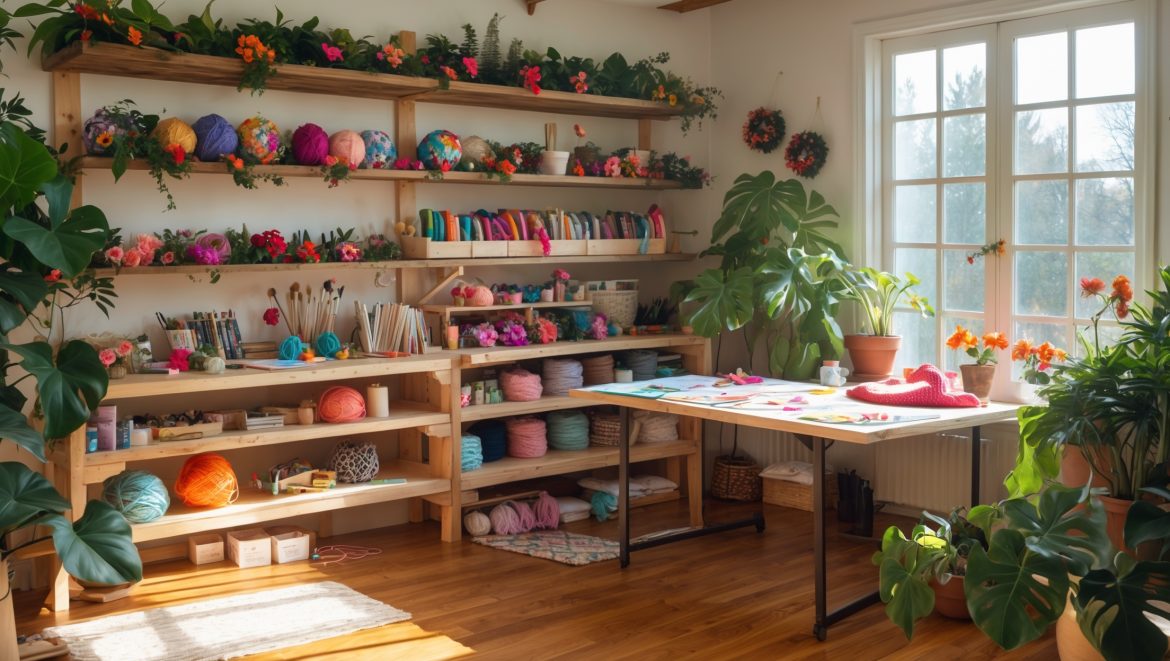
Introduction
A craft studio is more than just a workspace—it’s where inspiration meets action, and where creativity flourishes. Yet, as the seasons change, so do the needs of your DIY hub. Temperature swings, humidity, dust, clutter, and shifting project demands can all impact the safety, functionality, and enjoyment of your studio. Whether you’re a passionate hobbyist or running a small craft business, keeping your studio in peak condition year-round ensures you always have a welcoming, productive environment. But where should you start? What tasks are essential as the months roll by? This detailed seasonal checklist is your go-to guide for prepping, maintaining, and refreshing your craft studio, no matter the weather outside. From spring cleaning and tool tune-ups to winterizing materials and updating your inspiration boards, we’ll cover practical steps and pro tips for every season. Let’s make sure your DIY space remains organized, safe, and inspiring all year long!
Spring: Refresh and Rejuvenate
Deep Clean and Declutter
- Open windows for ventilation: Let fresh air circulate to clear out winter stuffiness and fumes from paints or adhesives.
- Declutter storage areas: Sort through drawers, bins, and shelves. Donate or toss unused supplies and expired materials.
- Deep-clean surfaces: Wipe down tables, counters, and shelving with appropriate cleaners. Don’t forget baseboards and window sills!
- Vacuum and mop floors: Pay special attention to corners and under furniture where dust and fibers accumulate.
- Clean light fixtures: Remove dust from lamps and bulbs to brighten up your workspace.
Inventory and Reorganize Supplies
- Take stock of tools and materials: Check expiration dates on paints, glues, and finishes; discard what’s no longer usable.
- Restock essentials: Make a list of depleted basics like scissors, tape, cutting blades, and specialty papers.
- Refresh organization systems: Re-label bins, add new dividers, or adjust storage for better workflow based on current projects.
Maintenance and Safety Checks
- Inspect hand and power tools: Check for signs of wear, sharpen blades, and oil moving parts as needed.
- Test smoke detectors and fire extinguishers: Replace batteries and ensure safety equipment is accessible and in good condition.
- Review ventilation systems: Clean filters and vents to ensure proper airflow, especially if you use chemicals or generate dust.
Spruce Up Your Space
- Bring in greenery: Add a few hardy indoor plants to improve air quality and add a spring vibe.
- Refresh inspiration boards: Update with new color palettes, project ideas, or seasonal motifs.
- Rotate seasonal decor: Swap out winter-themed items for spring accents or handcrafted decorations.
Summer: Optimize for Heat and High Activity
Climate Control and Comfort
- Monitor temperature and humidity: Use a digital hygrometer/thermometer. High humidity can warp papers, fabric, and wood.
- Adjust climate controls: Set up fans or air conditioning, and use dehumidifiers if necessary to protect sensitive materials.
- Check window coverings: Add blinds or UV-filtering curtains to reduce heat and protect materials from sun damage.
Material and Project Prep
- Store temperature-sensitive supplies: Move adhesives, paints, and specialty glues away from windows or heat sources.
- Plan for high-traffic projects: Summer often means more time for DIY. Create dedicated zones for ongoing projects to avoid workspace congestion.
- Stock up for workshops or group projects: Summer is prime time for craft gatherings—ensure you have ample seating, tools, and materials.
Safety and Maintenance
- Inspect electrical cords and outlets: Hot weather can exacerbate frayed wires or overloaded outlets. Replace or repair as needed.
- Update first aid kit: Include items for heat-related issues (like electrolyte tabs), plus bandages and ointments for minor cuts.
Inspiration and Aesthetics
- Switch to summer-themed decor: Use light fabrics, bright colors, and nature-inspired accents.
- Display current projects: Keep works-in-progress visible for motivation.
- Open up the space: If possible, rearrange furniture to create a more open, breezy layout for the season.
Fall: Prepare for Cozy Creativity and Storage
Organize and Store Summer Supplies
- Clean and store summer-specific items: Properly wash and pack away outdoor crafting supplies, picnic tables, or seasonal decor materials.
- Rotate in fall and holiday materials: Move autumn and early winter supplies (like felts, yarns, and holiday papers) to accessible spots.
Maintenance and Safety
- Check windows and doors: Ensure seals are intact to prevent drafts and moisture, which can affect sensitive supplies.
- Service heating equipment: Test and clean space heaters or radiators before steady use.
- Review lighting: As days get shorter, add task lighting or switch to brighter bulbs for evening work.
Project and Workflow Prep
- Update project lists: Plan for upcoming holidays, gift-making, or craft fairs.
- Organize inspiration materials: Collect magazine clippings, color swatches, and patterns for fall projects.
Refresh and Decorate
- Add cozy touches: Introduce rugs, throw blankets, or warm-toned decorations for comfort and inspiration.
- Switch out plants: Bring in autumnal greenery or dried arrangements.
- Display finished summer projects: Celebrate your achievements and make room for new creations.
Winter: Protect, Conserve, and Inspire
Climate and Material Protection
- Prevent freezing: Move paints, glues, and certain inks away from uninsulated walls or windows to prevent them from freezing or separating.
- Insulate windows and doors: Use draft stoppers, window film, or thermal curtains to maintain a stable environment.
- Monitor humidity: Use a humidifier if necessary to prevent paper, fabric, and wood from drying and cracking.
Safety and Maintenance
- Perform electrical safety checks: Ensure heaters and extension cords are in good condition and not overloaded.
- Test smoke and carbon monoxide detectors: Replace batteries and confirm functionality, especially if using heaters or candles.
- Clear walkways: Keep floors dry and free of clutter to prevent slips, especially if tracking in snow or rain.
Organization and Workflow
- Stock up on essentials: Winter weather can delay deliveries, so keep a backup supply of core materials.
- Organize for indoor projects: Plan projects that don’t require outdoor ventilation or drying.
- Update your inspiration board: Add winter themes, color palettes, and new goals for the coming year.
Winter Aesthetics
- Incorporate soft lighting: Use string lights, desk lamps, or LED candles for a warm, inviting glow.
- Add seasonal decor: Display handcrafted ornaments, garlands, or wintry centerpieces.
- Stay motivated: Place reminders of your creative achievements to inspire you through the colder months.
Quarterly Maintenance Checklist
- Inspect and service all tools: Clean, lubricate, and sharpen as needed.
- Check safety equipment: Confirm fire extinguishers, first aid kits, and emergency exits are ready.
- Audit inventory: Remove expired, damaged, or unused materials.
- Update insurance and compliance: If running a business, review policy coverage and local requirements.
Pro Tips for Year-Round Studio Success
- Set recurring calendar reminders: Use digital calendars for monthly and seasonal tasks.
- Photograph your setup: Take seasonal photos to track changes and spot issues before they become problems.
- Keep a maintenance log: Note when tools are serviced, materials are restocked, or repairs are made.
- Adjust as needed: Your creative process and space will evolve, so revisit your checklist regularly.
Conclusion
Maintaining a DIY craft studio that’s functional, safe, and inspiring is an ongoing process—one that changes as the seasons shift and your creativity grows. By following this detailed seasonal checklist, you’ll stay ahead of clutter, protect your materials and tools, and ensure your workspace is ready for any project, any time. Think of these routines not as chores, but as acts of self-care for your creative life: a well-tended studio supports your best work, reduces frustration, and keeps you motivated. Whether you’re spring cleaning, summer organizing, fall prepping, or winter proofing, the key is consistency and attention to detail. Make these checklists your own, adapting them to your workflow, climate, and craft specialties. With a little planning and regular care, your studio will always feel like a fresh, welcoming retreat—ready to spark new ideas, tackle ambitious projects, and offer creative comfort every day of the year.



Can you recommend specific cleaners that are safe for craft surfaces but effective against paint and glue residue? I always worry about harming my worktable finishes during spring deep cleans.
For cleaning craft surfaces safely, try using mild dish soap diluted in warm water and a soft cloth for everyday messes. For tougher paint or glue residue, Goo Gone is gentle on most surfaces but effective—just test it on a small spot first. Rubbing alcohol can lift dried glue, though avoid it on varnished or painted finishes. Always wipe with a clean damp cloth afterward to remove any cleaner residue.
How often should deep cleaning like wiping down surfaces and dusting light fixtures realistically be done if the studio is used daily for projects?
If your studio is used daily, deep cleaning tasks like wiping down surfaces and dusting light fixtures should be done every 1 to 2 weeks. This keeps dust, debris, and project residue from building up, helping you maintain a clean, inspiring workspace and preventing bigger cleaning jobs later on.
If my studio gets especially dusty during the spring, do you have any recommendations for air purifiers or ventilation strategies beyond just opening windows?
If your studio gets dusty in spring, consider using a HEPA air purifier to help trap fine dust particles. Make sure to choose a model suitable for your room size. For ventilation, installing an exhaust fan or using a portable fan to direct air out of the space can also help reduce dust buildup.
I noticed you recommend cleaning light fixtures to brighten up the workspace in spring. Is this mainly for aesthetics, or does better lighting actually affect productivity in a craft space?
Better lighting goes beyond just aesthetics—it can actually make a big difference in productivity. A well-lit craft space reduces eye strain, helps you see colors and details more accurately, and creates a more inviting environment to work in. Cleaning light fixtures ensures you get the maximum brightness, which can help you focus and enjoy your projects more.
I tend to accumulate a lot of materials through the year. How do you decide what to donate versus toss when decluttering your craft storage in the spring?
When decluttering, I suggest first checking if the materials are still usable—like unbroken tools, unopened paints, or clean fabric. Donate items in good condition that you realistically won’t use within the year. Toss anything that’s dried out, broken, or unsafe. Sorting by usefulness and condition usually makes the decision much easier.
Could you provide more specific suggestions on the best way to store paints and adhesives during seasonal temperature swings to prevent them from spoiling? I noticed you mentioned checking expiration dates, but I’m wondering what storage conditions you recommend.
To protect paints and adhesives from temperature swings, store them in a cool, dry place away from direct sunlight and heat sources. Avoid garages or sheds that get too hot or cold. Keeping supplies in airtight containers or original packaging on indoor shelves or cabinets helps maintain stable conditions. If possible, aim for a temperature range of 60-75°F (15-24°C) to extend their shelf life.
When deep-cleaning my craft studio, is there a certain type of cleaner that’s best for painted or delicate surfaces, or should I use something different than standard household cleaners?
For painted or delicate surfaces in your craft studio, it’s best to use a mild cleaner, such as a gentle soap diluted with water or a cleaner specifically labeled safe for painted surfaces. Avoid abrasive sponges and harsh chemicals, as they can damage finishes. Always test any cleaner on a small, hidden area first to ensure there’s no discoloration or damage.