

Introduction: Why Deep-Cleaning Matters in Creative Craft Studios
A DIY craft studio is more than just a workspace—it’s the heart of your creativity, a haven for inspiration, and a sanctuary for making. Yet, as any experienced maker knows, creative work can bring about spectacular messes. From fabric scraps to fine glitter, glue drips to paint splatters, the material magic of crafting can quickly accumulate into chaos. While daily tidying is helpful, true cleanliness—and the benefits it brings—comes from regular, thorough deep-cleaning routines tailored for creative spaces.
Why invest in deep-cleaning? First, safety: accumulated dust, chemical residues, and sharp offcuts can create hazards. Second, longevity: clean equipment and surfaces last longer and operate better. Third, inspiration: a fresh, organized environment helps your creativity flow. Finally, cleanliness is essential for crafters who work with clients, sell products, or invite others into their studio—your reputation and peace of mind depend on a professional, healthy environment.
This comprehensive guide will walk you through deep-cleaning steps specifically designed for DIY craft studios. Whether you have a dedicated room, a converted garage, or a compact corner, you’ll learn practical, step-by-step routines, product recommendations, and pro tips for maintaining a space that supports your art—and your wellbeing.
Section 1: Assessing Your Studio’s Cleaning Needs
Know Your Materials, Know Your Mess
Each crafting discipline brings unique cleaning challenges. Paints and solvents can leave stains and residues; textile work creates lint and thread; papercrafts generate dust and scraps; woodworking introduces sawdust and fine particles. Start by making a list of the materials and tools you use most often, and note the types of messes they produce. This assessment will help you tailor your cleaning routines efficiently.
High-Risk Areas to Prioritize
- Work surfaces: glue, paint, dye, and ink stains accumulate quickly.
- Floors: tripping hazards from offcuts, beads, or spills.
- Shelves and storage bins: dust, lint, and hidden debris.
- Ventilation and filters: clogged fans or air purifiers.
- Tool handles and switches: oil, paint, and grime build-up.
- Sinks and water sources: residue from dyes, clays, or adhesives.
Section 2: Essential Supplies for Studio Deep-Cleaning
The Core Cleaning Kit
- HEPA vacuum: Captures fine particles, dust, and fibers.
- Microfiber cloths: Trap dust and lint without scratching surfaces.
- Scrub brushes & sponges: For stubborn stains on worktops and floors.
- Non-abrasive cleaners: Safe for most surfaces; look for residue-free formulas.
- Degreasers: For sticky or oily residues from adhesives or paints.
- Disinfectant wipes: Quick for switches, handles, and shared tools.
- Organizational bins: For sorting scraps and materials during cleanup.
- Protective gloves & masks: Especially when using chemicals or handling fine dust.
- Lint roller: Excellent for fabric scraps and fine threads.
- Bucket & mop: For deep-cleaning floors, especially after paint or clay sessions.
Specialty Cleaners for Common Craft Messes
- Isopropyl alcohol: Removes ink, marker, and some adhesives.
- Goo Gone or citrus-based removers: For sticker and tape residue.
- Magic erasers: For stubborn surface marks (test on a small area first).
Section 3: Step-by-Step Deep-Cleaning Routine
1. Declutter and Sort
Start by removing all items from work surfaces, shelves, and storage units. Sort materials into categories: keep, donate, recycle, or toss. Use organizational bins to streamline this process. Decluttering not only reveals hidden messes but also makes cleaning more efficient.
2. Dusting and Vacuuming
Using a HEPA vacuum with appropriate attachments, thoroughly vacuum floors, baseboards, under furniture, and behind equipment. Follow up with microfiber cloths to dust shelves, light fixtures, windowsills, and any elevated surfaces. Don’t forget to vacuum or wipe down soft furnishings like chairs or cushions, which can harbor fine particles and fibers.
3. Surface Cleaning: Worktops, Tables, and Desks
- Spray work surfaces with a non-abrasive, residue-free cleaner.
- Let sit for a minute to loosen dried glue, paint, or ink.
- Scrub gently with a microfiber cloth or sponge. Use a magic eraser for stubborn spots (test first).
- Wipe dry to prevent streaks or watermarks.
4. Deep-Cleaning Floors
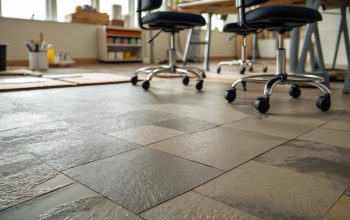
After vacuuming, mop hard floors with a gentle, pH-neutral cleaner. For stubborn paint or clay stains, use a targeted remover and scrub brush. Pay attention to corners—craft debris loves to hide there. If you have rugs, shake them outdoors and vacuum thoroughly.
5. Storage Units and Shelves
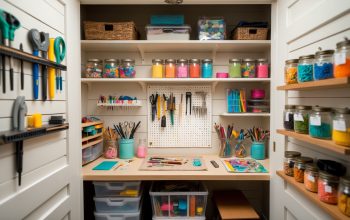
Remove contents and wipe down all surfaces, inside and out. For plastic bins, wash with warm, soapy water if needed. Before returning items, check for expired or dried-out materials, and reorganize for easy access and visibility.
6. Ventilation and Air Quality Equipment
- Turn off power before cleaning fans, air filters, or purifiers.
- Vacuum vents and wipe with a damp cloth.
- Replace or wash filters as recommended by the manufacturer.
7. Tools and Equipment
- Unplug all electrical tools before cleaning.
- Wipe handles, switches, and surfaces with disinfectant wipes.
- Use a small brush to remove debris from crevices.
- Check for tool maintenance needs (sharpening, lubrication).
8. Sinks and Water Sources
Scrub sinks with a non-abrasive cleaner to remove paint, clay, or glue residue. Pour boiling water down the drain to clear any clogs from craft materials. Disinfect faucets and handles.
9. Trash and Recycling
- Empty all bins and replace liners.
- Wipe down bin interiors and exteriors to prevent odors.
- Sort recyclables and hazardous waste (such as solvents or paints) according to local regulations.
Section 4: Cleaning Schedules—How Often Should You Deep-Clean?
Daily Tasks
- Wipe work surfaces after each session.
- Sweep or vacuum obvious debris.
- Sort and put away materials.
Weekly Tasks
- Vacuum floors and baseboards thoroughly.
- Dust shelves and storage units.
- Check and tidy tool storage.
Monthly Tasks
- Deep-clean equipment and frequently used tools.
- Wash or replace air filters.
- Inspect and reorganize supply bins.
Quarterly Tasks
- Full decluttering and reorganization.
- Deep-clean behind heavy furniture or equipment.
- Review and dispose of expired or unused materials.
Section 5: Product Recommendations for Craft Studio Cleanliness
Best Cleaning Solutions for Creative Spaces
- Simple Green All-Purpose Cleaner: Effective, non-toxic, and residue-free.
- 3M HEPA Vacuum: Captures fine dust, glitter, and fibers.
- O-Cedar EasyWring Spin Mop: Ideal for quick, thorough floor cleaning.
- Scotch-Brite Non-Scratch Scrub Sponges: For cleaning surfaces without damage.
- Clorox Disinfecting Wipes: Fast sanitizing for tools and surfaces.
- Honeywell Air Purifier: Maintains air quality, especially in small studios.
Eco-Friendly Alternatives
- Seventh Generation Free & Clear: Plant-based, unscented cleaning spray.
- Reusable microfiber cloths: Washable, long-lasting, and reduce waste.
Section 6: Pro Tips for Maintaining a Clean, Inspiring Studio
- Label everything: Clear labels on bins and shelves streamline both crafting and cleaning.
- Keep cleaning supplies visible: Store wipes, cloths, and vacuums within easy reach.
- Use drop cloths: Protect floors and tables during especially messy projects.
- Schedule cleaning sessions: Add them to your calendar like any other creative task.
- Involve others: If you share your space, set clear expectations for tidying up after each session.
Section 7: Preventing Future Messes—Organizational Strategies
Smart Storage Solutions
- Choose transparent bins for easy material identification.
- Install wall-mounted organizers for tools and frequently used supplies.
- Use drawer dividers to prevent small items from mixing.
Zone Your Studio
Designate specific areas for cutting, gluing, painting, and drying. Clean as you move between zones to prevent cross-contamination and reduce end-of-day mess.
Routine Maintenance Habits
- Adopt a “clean as you go” mindset—wipe up spills immediately.
- Empty trash and recycling at the end of each workday.
- Regularly inspect and restock cleaning supplies.
Section 8: Troubleshooting Common Studio Cleanliness Challenges
Persistent Glitter and Fine Particles
Glitter and microbeads can be relentless. Use a damp sponge to gather them from hard surfaces, followed by a vacuum with a HEPA filter. For soft surfaces, a lint roller is your best friend.
Paint and Dye Stains
For fresh spills, blot immediately—don’t rub. Use isopropyl alcohol or a dedicated paint remover for dried stains (test on a hidden area first). Consider using removable protective mats in high-risk areas.
Odors from Adhesives or Paints
Ventilate thoroughly after using strong-smelling materials. Air purifiers with carbon filters help absorb lingering odors. Store adhesives and paints in airtight containers to minimize fumes.
Clogged Drains from Craft Residue
Install a mesh drain screen to catch fibers and debris. Clean regularly, and use enzyme-based drain cleaners monthly to prevent clogs.
Conclusion: Keeping Your Creative Space Clean for the Long Haul
A clean craft studio isn’t a one-time achievement—it’s an ongoing investment in your creativity, health, and peace of mind. Deep-cleaning routines, tailored specifically for the unique messes of DIY and crafting, ensure that your workspace remains safe, functional, and inspiring. By assessing your studio’s needs, assembling the right cleaning toolkit, and following structured cleaning schedules, you’ll prevent hazards before they arise and extend the life of your materials and equipment.
But cleanliness is more than just maintenance. It’s a signal to yourself (and others) that your creative work deserves respect and care. An organized, spotless studio boosts your professional image, supports your mental clarity, and welcomes fresh bursts of inspiration. By weaving deep-cleaning into your creative practice—just as you plan projects or restock supplies—you build a studio where ideas can flourish, and where cleanup is never a dreaded chore but an act of creative stewardship.
So schedule that monthly deep clean, stock up on microfiber cloths, and take pride in every sparkling surface. Your craft, your tools, and your well-being will thank you for it—today, and for many creative sessions to come.

Once you’ve established your initial deep-cleaning routine, how frequently do you find you actually need to repeat it to keep things under control in a busy craft studio?
For a busy craft studio, most people find that repeating a deep-clean every one to two months is ideal to keep clutter and dust at bay. Lighter cleaning or tidying up after each session helps in maintaining order between deep-cleans, making the bigger jobs much easier.
Could you elaborate on which deep-cleaning products are safest to use around common craft materials like fabrics or paints, especially if you have to clean up chemical residues or glue drips?
For cleaning around fabrics and paints, it’s safest to use mild, non-abrasive cleaners like diluted dish soap, white vinegar, or rubbing alcohol. These are gentle on most craft materials and effective for glue residue or chemical drips. Avoid harsh solvents like acetone or bleach, as they can damage fabrics and affect paint finishes. Always spot-test a small area first and use soft cloths or sponges instead of rough scrubbers.
What’s the best way to handle and dispose of chemical residues or sawdust from paints and woodworking to keep both the studio and the environment safe?
For chemical residues like paint or solvents, collect them in labeled, sealed containers and take them to a local hazardous waste facility—never pour them down the drain. For sawdust, sweep it up and dispose of it in compost if it’s untreated wood, or regular trash if it contains finishes or chemicals. Always wear gloves and masks when cleaning up to protect yourself.
I’m just getting started and trying to set up a cleaning schedule that isn’t overwhelming. For someone with a basic setup, about how much time does a proper deep-clean actually take, and do you recommend breaking it down into steps over a few days?
For a basic craft setup, a thorough deep clean usually takes about 1-2 hours, depending on how much you have. Breaking it up over a few days can definitely make it less overwhelming. You might try tackling surfaces and floors one day, organizing supplies the next, and finishing up with tools and storage areas after that.
How long does a full deep-clean typically take in a busy craft studio with lots of small supplies, and do you have any tips for breaking the process into quick routines that fit around a hectic family schedule?
A full deep-clean in a busy craft studio with many small supplies usually takes 3 to 5 hours, depending on the size and clutter. To make it manageable, try dividing tasks by area—tackle one section (like the worktable or shelving) each day. Set 15–30 minute cleaning sessions, focusing on sorting, wiping down surfaces, and organizing supplies as you go. This way, you can maintain cleanliness without disrupting your family schedule.
What kind of cleaning products would you recommend for studios where kids are often crafting with me? I want to make sure everything is safe but still gets rid of all the glue and paint stains.
For studios with kids, it’s best to use non-toxic, fragrance-free cleaning products. Look for plant-based cleaners or make your own with vinegar and water for surfaces. For tough glue and paint stains, try baking soda paste or rubbing alcohol in small amounts, making sure to rinse thoroughly afterward. Always store cleaning supplies out of children’s reach.
The article mentions different types of messes depending on the crafting materials you use, like paint stains or textile lint. Are there any specific cleaning methods or products you recommend for dealing with glitter, which always seems impossible to fully clean up?
Glitter can be especially tricky to remove, but using a lint roller or a piece of sticky tape helps pick up loose bits from most surfaces. For hard floors, try using a damp paper towel or microfiber cloth to gather up stray glitter. Vacuuming with a hose attachment is also effective, especially around edges and corners.
You mention that cleanliness affects both safety and inspiration in the studio. Are there certain steps you suggest prioritizing if I only have an hour or two to spend on deep-cleaning each month?
If you only have a couple of hours each month, start by clearing clutter from work surfaces and putting away sharp tools or hazardous materials for safety. Next, wipe down tables and sweep the floors to remove dust and debris. Finally, sanitize frequently touched areas like handles and switches. These steps will boost both safety and creative energy in your space.
For DIYers on a tight budget, what are some affordable deep-cleaning products or hacks that work well for craft studios? Is it possible to use household items instead of specialized cleaners?
Absolutely, you can deep-clean your craft studio affordably with common household items. White vinegar mixed with water is great for wiping surfaces, while baking soda works well as a gentle scrub for tables and sinks. Old toothbrushes can help clean small tools or stubborn spots. Microfiber cloths, if you have them, are reusable and effective for dusting. No need for expensive specialized cleaners—everyday items can do the job just fine.