
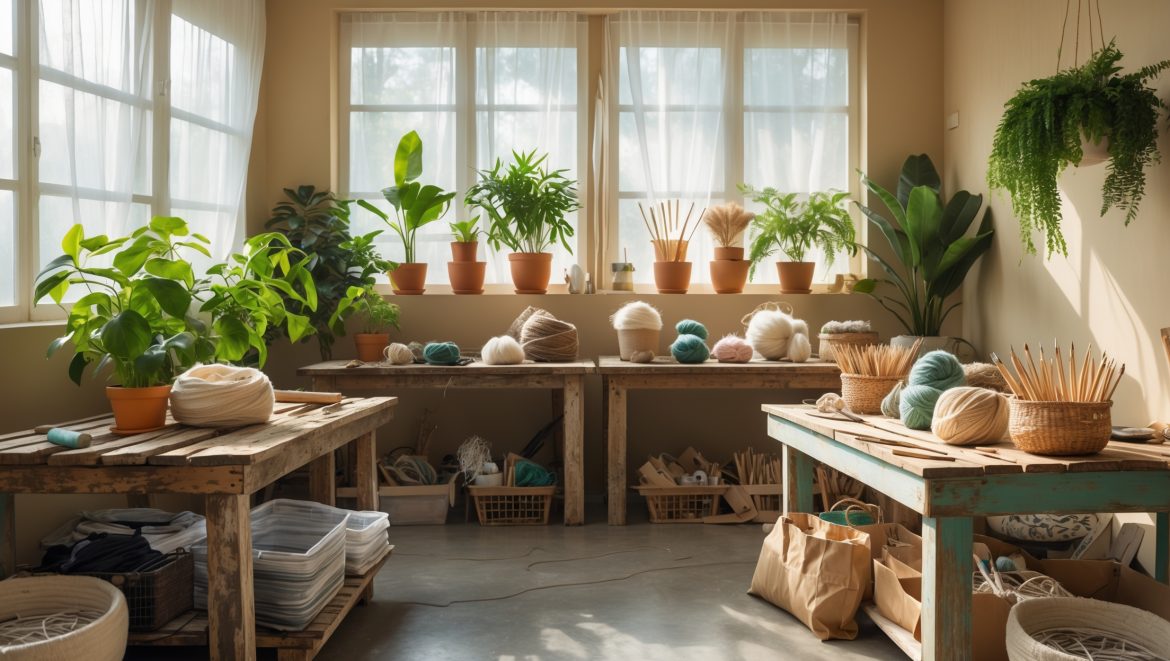
Introduction: Why Eco-Friendly Practices Matter in Your DIY Craft Studio
Every creative journey leaves a footprint, and in the world of DIY, crafts, and creative living, that footprint can be surprisingly large. From packaging waste to the chemicals in paints and adhesives, even the most mindful maker can unintentionally contribute to environmental harm. But what if your craft studio could be a beacon of sustainability? Going green isn’t just a trend—it’s an essential step for conscientious creators who want their art to inspire without compromise. Adopting eco-friendly habits in your workspace doesn’t mean sacrificing quality, creativity, or comfort. In fact, it often leads to smarter spending, healthier surroundings, and a more rewarding creative flow. Whether you’re setting up your first craft nook or upgrading a bustling studio, this guide will walk you through actionable strategies to build, maintain, and enjoy a sustainable craft space—without overwhelming your workflow or budget. Let’s explore how you can make your studio as kind to the planet as it is inspiring to you.
Choosing Sustainable Materials for Your Crafts
Eco-Conscious Basics for Every Maker
The foundation of an eco-friendly craft studio is the materials you select for your projects. Conventional supplies often contain plastics, synthetic chemicals, and excessive packaging. Here’s how to shift your material sourcing toward greener options:
- Natural Fibers: Opt for cotton, linen, wool, hemp, or bamboo for textiles. Look for organic certifications and avoid synthetic blends.
- Recycled Paper & Cardstock: Choose post-consumer recycled papers. Seek out brands that use minimal bleaching and dyes.
- Reclaimed Wood: Source wood from architectural salvage yards or upcycle old furniture for woodworking projects.
- Plant-Based Dyes & Paints: Use water-based paints, natural pigments, or DIY your own plant-based dyes using kitchen scraps.
- Biodegradable Glitter & Embellishments: Swap plastic glitters and sequins for options made from cellulose, mica, or natural minerals.
- Eco-Resins & Adhesives: Look for plant-derived resins and glues that are non-toxic and compostable where possible.
Smart Sourcing Strategies
Finding sustainable materials doesn’t have to be expensive or time-consuming. Try these approaches:
- Shop at local craft stores with eco-conscious sections.
- Join online maker groups to swap or buy surplus materials.
- Visit thrift shops and flea markets for vintage supplies and tools.
- Repurpose packaging materials from your own household waste.
Reclaiming and Upcycling: Creating with What You Have
Reusing Everyday Items
One of the greenest things you can do is give new life to what’s already at hand. Make it a habit to assess household waste before tossing:
- Glass Jars: Use for paint water, brush storage, or sorting beads and buttons.
- Cereal Boxes: Cut for sturdy chipboard bases or die-cut shapes.
- Textile Scraps: Patch together for quilts, applique, or stuffing for soft crafts.
- Old Magazines & Books: Collage, decoupage, or make paper beads.
- Broken Jewelry: Salvage beads, clasps, and findings for new projects.
Creative Upcycling Project Ideas
- Turn wine corks into bulletin boards or stamps.
- Transform tin cans into organizers or lanterns.
- Make fabric twine from leftover strips for weaving or wrapping.
- Use cardboard tubes as loom bases or cord organizers.
Studio Setup: Sustainable Furniture and Layout Choices
Eco-Friendly Furnishings
Your furniture and layout choices play a major role in the sustainability and comfort of your studio. Consider these tips for a greener setup:
- Secondhand Finds: Scour thrift stores, estate sales, and online marketplaces for desks, shelves, and storage units.
- DIY from Reclaimed Materials: Build your own tables or shelving using pallets, barn wood, or old doors.
- Modular & Multi-Use Furniture: Choose pieces that serve multiple purposes to maximize space and reduce consumption.
- Natural Finishes: Use plant-based oils, waxes, or low-VOC paints to finish wood surfaces.
Layout for Light and Air
Maximize natural light to reduce energy use. Position your workspace near windows and use mirrors to reflect daylight. If possible, open windows for fresh air instead of relying solely on mechanical ventilation. Add potted plants not only for aesthetics, but to help filter indoor air and boost creativity.
Energy Efficiency and Green Power Choices
Reducing Your Studio’s Energy Footprint
Small changes can add up to big savings for both your wallet and the environment:
- LED Lighting: Swap out incandescent or CFL bulbs for LEDs—they last longer and use a fraction of the energy.
- Task Lighting: Use adjustable lamps that focus light only where you need it, reducing the need for overhead lighting.
- Smart Power Strips: Prevent phantom energy drain by plugging tools and chargers into smart strips that cut power when not in use.
- Unplug Unused Equipment: Make it a ritual to unplug hot glue guns, printers, or sewing machines after sessions.
Greener Power Sources
- If possible, choose a renewable energy provider for your home or studio space.
- Consider small solar panels for charging devices or powering low-draw equipment.
Reducing and Managing Waste in Your Craft Studio
Setting Up a Studio Recycling Station
Organize your waste streams for easy recycling and composting:
- Label bins for paper, plastics, metals, and landfill waste.
- Keep a box for reusable offcuts and scraps for future projects.
- Add a compost bin for organic waste like fabric trimmings (natural fibers only) and paper towels.
Waste-Minimizing Habits
- Measure twice, cut once—planning reduces mistakes and wasted materials.
- Create a “scrap challenge” box to encourage using up leftovers.
- Opt for digital patterns and instructions to reduce printing.
- Buy supplies in bulk to minimize packaging waste.
Cleaning and Maintenance: Green Solutions for a Healthier Space
Non-Toxic Cleaning Products
Swap harsh chemicals for safer, eco-friendly alternatives that protect your health and the planet:
- All-Purpose Cleaner: Mix equal parts vinegar and water with a few drops of essential oil.
- Natural Scrubs: Use baking soda for scrubbing surfaces or removing glue residue.
- Microfiber Cloths: Reusable and effective for dusting and cleaning spills.
Tool Care with Minimal Impact
- Use plant-based oils for cleaning and lubricating tools.
- Sharpen blades and scissors regularly to extend their usable life.
- Store tools in dry, clean conditions to prevent rust and deterioration.
Responsible Disposal of Hazardous Materials
Identifying Hazardous Supplies
Some craft supplies can’t simply go in the trash or recycling. Common culprits include:
- Paints and solvents containing VOCs
- Aerosol sprays
- Epoxy resins and hardeners
- Old batteries and electronic components
Safe Disposal Practices
- Contact your local waste authority for hazardous waste collection days.
- Store hazardous materials in their original containers until disposal.
- Never pour chemicals down the drain or toss them in regular trash bins.
- Switch to less hazardous alternatives where possible.
Eco-Friendly Packaging and Shipping for Makers Who Sell
Sustainable Packing Materials
If you sell your creations, your packaging is part of your environmental impact. Consider these swaps:
- Use recycled or recyclable boxes and envelopes.
- Opt for paper-based tape and natural fiber twine.
- Replace plastic bubble wrap with shredded paper, cornstarch peanuts, or fabric scraps.
- Include a note to encourage customers to reuse or recycle packaging.
Low-Impact Shipping Choices
- Offer local pickup or delivery to minimize transport emissions.
- Batch shipments to reduce the number of trips and packaging used.
- Choose carbon-neutral shipping services if available.
Eco-Conscious Mindset: Inspiring Others and Continuous Improvement
Sharing Green Practices
Lead by example in your creative community. Share tips, host swaps for supplies, and document your sustainable projects on social media. Encourage others to adopt green habits and celebrate small wins.
Evaluating and Evolving
Sustainability is a journey. Periodically review your studio habits and look for new opportunities to reduce waste, save energy, and source greener materials. Stay curious and open to learning from others in the maker community.
Conclusion: Crafting a Greener Legacy
Transforming your DIY craft studio into an eco-friendly haven is more than a checklist—it’s a creative commitment to the world around you. Every choice, from the materials you select to the way you dispose of waste, shapes your studio’s environmental footprint. The process may seem daunting at first, but as you integrate sustainable practices, you’ll discover it’s not about perfection—it’s about progress. With each mindful adjustment, you foster a healthier workspace, reduce costs, and spark innovation in your projects.
Green crafting isn’t just about protecting resources for future generations; it’s also about enhancing your own creative experience. The satisfaction of making art that aligns with your values is unmatched. As you inspire others by sharing your journey, you become part of a growing movement of makers who believe that creativity and sustainability go hand-in-hand. Start small, celebrate each improvement, and watch your studio—and your impact—flourish. The art you make matters; let the way you make it matter, too.



When looking for natural fibers like organic cotton or hemp for crafting, do you have any tips on affordable sources, especially for students on a tight budget?
For budget-friendly natural fibers, consider checking local thrift stores for old clothing or linens made of cotton or hemp that you can repurpose. Community swaps, craft supply reuse centers, or bulk buying with classmates can also help reduce costs. Some online retailers offer student discounts on sustainable materials, so it’s worth asking about special rates.
I love the idea of using plant-based dyes for my projects. Could you give a few examples of kitchen scraps that work well for DIY dyes and explain how to maintain good colorfastness?
Kitchen scraps like onion skins, avocado pits, red cabbage, and used coffee grounds are popular for making natural dyes. To help keep your colors vibrant, always pre-wash your fabric and use a mordant such as alum before dyeing. After dyeing, rinse with cold water and dry items out of direct sunlight to maintain colorfastness.
If I already have a stash of non-eco-friendly materials, is there a recommended way to phase them out or reuse them sustainably before fully switching to greener options?
Absolutely, it’s best to use up your existing non-eco-friendly materials thoughtfully rather than discarding them. Try to incorporate them into projects where their impact is minimized, or donate them to local schools or community centers. As you finish your stash, gradually replace items with sustainable alternatives, so the transition is smooth and waste is avoided.
How time-consuming is it to make your own natural dyes or paints at home from kitchen scraps, and do they provide similar color intensity as store-bought eco-friendly paints?
Making natural dyes or paints from kitchen scraps usually takes a few hours, including prep, simmering, and straining. The colors tend to be softer and less intense compared to store-bought eco-friendly paints, but they have a unique, earthy quality. If you want bold, consistent colors, ready-made options are more reliable, but DIY versions offer a creative, sustainable touch.
I’m curious if you have suggestions for sources of reclaimed wood that are affordable and reliable for small home studios, especially for beginners who might not know where to look.
Affordable reclaimed wood can often be found at local Habitat for Humanity ReStores, which sell donated building materials at reduced prices. Checking with nearby construction sites or contractors for leftover wood is another good option. Also, look for community recycling centers, online marketplaces like Craigslist or Facebook Marketplace, and even old furniture from thrift stores that you can repurpose. These sources are beginner-friendly and usually have varied selections.
Could you explain more about making your own plant-based dyes with kitchen scraps? How much time and effort does that typically take compared to buying ready-made options?
Making your own plant-based dyes from kitchen scraps involves simmering items like onion skins, avocado pits, or red cabbage in water, which usually takes about 1–2 hours from start to finish. It requires planning and a bit of trial and error, but the process is simple and low-cost. While it’s more time-consuming than buying ready-made dyes, it lets you control ingredients and reduces waste.
If I’m used to traditional craft glitters and embellishments, how does biodegradable glitter perform in terms of color and sparkle? Is there a big difference in the final look of projects?
Biodegradable glitter has improved a lot and now comes in a wide range of vibrant colors and finishes. While the sparkle is usually very close to traditional glitter, you might notice it’s a bit softer or less intense depending on the brand. Most crafters find it gives a similar effect, especially for most DIY projects, without the environmental impact.
I noticed you mention reclaimed wood for woodworking projects. Any advice on how to safely prep or treat salvaged wood if you don’t have access to a full workshop setup?
You can prep reclaimed wood safely without a full workshop by using basic hand tools like a hand saw, sanding block, and hammer. Clean the wood thoroughly with a stiff brush and soapy water, let it dry completely, and check for nails or staples to remove. Sand down rough edges carefully and apply a non-toxic wood sealant if needed to finish.
I’m curious about sourcing reclaimed wood for small DIY projects—are there any particular places in the US that hobbyists can reliably find quality pieces, or is it mostly luck at salvage yards?
You can often find quality reclaimed wood at architectural salvage yards and specialized lumber stores in many US cities. Habitat for Humanity ReStores are also a great source nationwide. Some woodworking shops and even local classifieds like Craigslist or Facebook Marketplace can be reliable if you ask about the wood’s origins and condition.
Once I switch to these sustainable materials, are there any changes to how I should store or dispose of leftover supplies compared to conventional crafting products?
When using sustainable materials, it’s important to store them in dry, cool places just like conventional supplies, but watch for items like natural glues or paints that may have shorter shelf lives. For disposal, many eco-friendly materials are compostable or recyclable, so check packaging instructions and local guidelines to dispose of leftovers more sustainably than simply tossing them in the trash.
For someone running a busy craft studio, how much time does it typically take to transition to more sustainable practices, like sourcing recycled paper or switching to water-based paints? Is it something you can phase in gradually?
Transitioning to sustainable practices in a busy craft studio can definitely be phased in gradually. Sourcing recycled paper or switching to water-based paints often starts with research and reaching out to suppliers, which might take a few weeks. Many studios introduce changes step by step, over a few months, so the process feels manageable alongside daily work.
When looking for recycled paper and cardstock, what should I watch out for in terms of minimal bleaching and dyes? Are there particular certifications or labels that can help me identify the most sustainable brands?
When choosing recycled paper and cardstock, check for labels like FSC (Forest Stewardship Council) or Green Seal, which indicate responsible sourcing and reduced chemical use. Look for products labeled as Processed Chlorine Free (PCF) or Totally Chlorine Free (TCF) to ensure minimal bleaching. Also, avoid papers marked as ‘bright white,’ as these often involve more dyes or bleaching.