

Introduction: Why Layout Planning Matters in a DIY Craft Studio
Whether you’re a hobbyist, a side-hustler, or a full-time creative entrepreneur, the design of your DIY craft studio has a profound impact on your productivity, comfort, and even the quality of your work. A well-planned layout is not just about fitting furniture and supplies into a room—it’s about shaping your creative process, minimizing wasted time, and preventing frustration. Many crafters overlook this foundational step, jumping straight to decorating or stocking up on tools. But a thoughtfully arranged studio can mean the difference between inspiration and chaos, between finishing projects with joy or feeling overwhelmed by clutter.
This guide will walk you through practical strategies to optimize your studio layout—whether you’re revamping a compact corner, a spare room, or a dedicated backyard shed. We’ll cover workflow zoning, essential measurements, storage placement, lighting considerations, ergonomic setup, and flexible solutions for evolving needs. With detailed steps, real-world examples, and actionable tips, you’ll learn how to create a studio that truly supports your creativity and efficiency.
Assessing Your Space and Needs
Measuring and Mapping Your Studio
Begin by taking accurate measurements of your space. Note the location of doors, windows, outlets, radiators, and any fixed features. Draw a scaled floor plan on graph paper or use a digital tool. Mark ceiling height and any sloped ceilings or beams. This map will be your blueprint for planning zones and furniture placement.
- Tip: Note the direction of natural light. This affects where you may want to place your main work area.
- Measure doorways for moving in large tables or storage units.
Identifying Your Crafting Activities
Every crafter’s workflow is unique. List all the activities you regularly do—such as sewing, painting, papercrafting, jewelry making, woodworking, or digital design. Each may require specific tools, surfaces, or storage. Consider also if you photograph products, pack orders, or teach classes in your studio.
- How much workspace do you need for each craft?
- Which supplies and tools must be within arm’s reach?
- Do you need areas for drying, curing, or pressing?
Inventorying Equipment and Supplies
Take stock of everything you use and store: machines, hand tools, raw materials, finished goods, packaging, and reference materials. Estimate the storage volume required and note items that are bulky, heavy, or oddly shaped.
- Group items by frequency of use—daily, weekly, occasional.
- Declutter or relocate infrequently used items to free up prime space.
Designing Workflow Zones
Dividing your studio into specialized zones streamlines your workflow and reduces clutter. The classic approach is to create distinct areas for preparation, creation, finishing, storage, and administration.
Main Work Zone
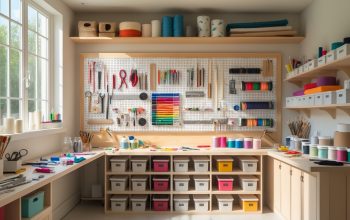
This is the heart of your studio. Ideally, place your primary worktable or bench near natural light and electrical outlets. Choose a surface large enough for your biggest projects, with space to spread out materials. Keep core tools and materials within easy reach—use rolling carts, pegboards, or magnetic strips.
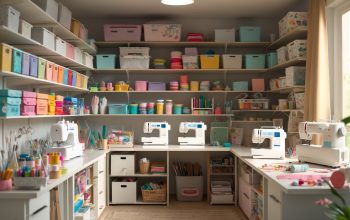
- For sewing: Table with machine, cutting mat nearby, thread rack mounted above.
- For painting: Easel or flat table, brush caddy, water jars, and drying rack close by.
Secondary Work Zone(s)
If you do multiple crafts, create flexible secondary zones. For example, a fold-down table for paper projects, or a mobile workstation for jewelry making. These can be stowed when not in use to save space.
Finishing and Drying Area
Dedicate a shelf, rack, or protected corner for pieces that need to dry, cure, or set. Use ventilated shelving or wall-mounted racks to maximize vertical space.
Photography and Shipping Station
If you sell your crafts, set up a small zone with a neutral backdrop, good lighting, and storage for props. Nearby, allocate space for packing materials, scales, and shipping labels.
Administrative Nook
Even a mini desk or a wall-mounted organizer can keep paperwork, planners, and devices out of your main creative space, reducing distractions and clutter.
Smart Storage Solutions
Vertical Storage: Going Up, Not Out
Walls are prime real estate in small studios. Install shelves, pegboards, slat walls, or rails to keep tools and supplies visible and accessible. Use clear bins or labeled containers to quickly find what you need. Hang scissors, rulers, and tools on hooks or magnetic strips.
Under-Table and Modular Storage
Utilize space beneath tables for rolling carts, stackable bins, or drawer units. Modular storage pieces can be rearranged as your needs change. Low-profile rolling carts can double as mobile work surfaces or be tucked away when not needed.
Specialized Storage for Tools and Materials
- Fabric: Store on bolts, comic boards, or rolled in clear tubes; keep out of direct sunlight.
- Paints: Use tiered racks or spice shelves for easy color selection.
- Paper: Flat files or vertical slots prevent curling and damage.
- Beads and findings: Stackable organizers with divided compartments.
Hidden and Multi-Use Storage
Look for furniture with built-in storage, such as benches with lift-up seats, ottomans with hidden compartments, or fold-out tables with drawers. Use over-the-door organizers for small items. Don’t forget the backs of cabinet doors—mount racks or hooks for additional storage.
Optimizing Lighting and Ambiance
Maximizing Natural Light
Position your main work area near windows for daylight and energizing views. If privacy is a concern, use sheer curtains or frosted film. Avoid blocking windows with tall storage units. Consider mirrors to reflect light deeper into the room.
Layered Artificial Lighting
Combine ambient (overhead), task (adjustable lamps), and accent (spotlights or LED strips) lighting. Choose daylight-balanced bulbs (5000–6500K) for truer color rendering. Place adjustable lamps at each workstation to minimize shadows and eye strain.
- Install under-shelf lighting for focused illumination on work surfaces.
- Use dimmers for flexibility and mood adjustment.
Ergonomics and Comfort
Work Surface Height and Chair Selection
The ideal work surface height depends on your tasks. For fine detail work, a standard desk height (28–30 inches) is best. For cutting or assembly, a counter height (36 inches) reduces back strain. Use an adjustable ergonomic chair or supportive stool, and consider anti-fatigue mats for standing tasks.
Circulation and Access
Allow at least 36 inches of clearance for aisles and between furniture. This ensures safe and comfortable movement, especially when carrying materials or using rolling carts. Keep pathways clear of clutter and cords.
Climate and Air Quality
Good ventilation is essential, especially for studios using adhesives, paints, or solvents. Consider a window fan, air purifier, or portable air conditioner. Use a dehumidifier in damp basements or garages. Maintain a comfortable temperature year-round to encourage longer creative sessions.
Flexible and Future-Proof Layouts
Modular Furniture and Mobile Solutions
Choose furniture that can adapt to changing needs: folding tables, nesting carts, stackable bins, or bookcases on casters. This allows you to reconfigure your space for new projects, workshops, or collaborations without major upheaval.
Room for Growth
Leave open shelves or empty bins to accommodate future supplies. Plan ahead for possible upgrades—like larger machines or new craft areas—by leaving wall space and outlets accessible. If you photograph your work, consider how the space could double as a backdrop for evolving product lines.
Real-World Layout Examples
Example 1: The Multi-Crafter’s Spare Room
A 10×12 ft room serves a jewelry maker who also sews and paints. She places her main table under the window, with a rolling storage cart for jewelry tools on one side and a fold-down sewing table on the other. Pegboards above the table hold pliers, scissors, and brushes. Shelves over the door store infrequently used supplies. A corner drying rack and a slim bookcase for reference materials complete the workflow.
Example 2: The Compact Nook
A crafter transforms a 5×7 ft closet into a papercraft studio. A wall-mounted drop-leaf worktable saves space. Above, two rows of shelves hold bins of cardstock and tools. A pegboard occupies the back wall, and a rolling cart fits under the table for extra storage. Task lighting is provided by an LED strip under the lowest shelf.
Example 3: The Garage Workshop
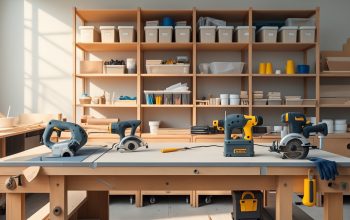
A woodworking and painting enthusiast uses one bay of a garage. A large workbench runs along one wall with a tool wall above. Mobile carts store paints and brushes, while a ceiling-mounted shelf keeps bulk wood out of the way. Heavy tools are positioned near outlets. A portable air purifier ensures good ventilation, and an insulated mat keeps feet warm in winter.
Common Pitfalls and How to Avoid Them
- Overcrowding: Avoid filling every inch with storage; leave open surfaces for working and moving.
- Underestimating Storage Needs: Supplies multiply—plan for more than you have now.
- Ignoring Workflow: Keep frequently used items within reach to minimize wasted motion.
- Poor Lighting: Don’t rely on a single overhead bulb; layer lighting for best results.
- Neglecting Comfort: Invest in a good chair and climate control for longer, more enjoyable sessions.
Step-by-Step Studio Layout Planning Process
- Measure and sketch your space, marking all features.
- List your crafts, activities, and equipment needs.
- Define workflow zones (work, storage, finishing, admin).
- Prioritize storage placement for most-used materials.
- Optimize lighting—both natural and artificial.
- Plan for comfort—choose ergonomic furniture and climate solutions.
- Select flexible furnishings to adapt as your needs change.
- Test and tweak—live with your layout for a week and adjust as needed.
Conclusion: Transform Your Studio, Elevate Your Creativity
Investing time and thought into your DIY craft studio layout pays off with every project you complete. A well-planned studio doesn’t just look tidy; it actively supports your unique process, safeguards your health, and frees your mind for creative breakthroughs. Whether you’re working in a tiny nook or a spacious workshop, the principles of zoning, smart storage, ergonomic comfort, and flexible design remain the same. Don’t be afraid to experiment and evolve your space—your studio should grow with you and your creative ambitions.
Remember, there’s no single “correct” layout; the best arrangement is the one that fits your crafts, your habits, and your dreams. Use the strategies and real-world examples in this guide as a springboard for your own innovations. With purposeful planning, your studio will become more than just a room—it will be a launchpad for creative joy, productivity, and success. Happy crafting!
After mapping and listing my crafting activities, I’m still struggling to figure out the workflow zones. Are there common mistakes people make at this stage that I should watch out for?
One common mistake is grouping too many unrelated activities in a single zone, which can cause clutter and confusion. Another is not leaving enough space between zones, making movement awkward. Also, forgetting to keep high-use tools accessible and storage within arm’s reach can slow down your process. Try arranging zones around how you actually move through projects.
If I do multiple crafts like sewing and painting, how do you suggest separating zones within one room so supplies don’t get mixed up or cause clutter?
Setting up clear zones for each craft is key. You could use shelving or storage bins to keep materials for sewing and painting separate, and designate specific tables or areas for each activity. Consider using labeled containers and rolling carts to easily move supplies as you switch projects, which helps keep everything organized and reduces clutter.
I have several different crafting hobbies, like sewing and painting, and each needs its own tools and materials. How can I lay out my small space so switching between activities doesn’t become a hassle or lead to clutter?
Try dividing your space into distinct zones for each craft, even if they’re just different sides of a table or shelving units. Store tools and materials for each hobby in labeled bins or drawers near their respective areas. Consider using mobile carts for items you use in multiple crafts, so you can move supplies easily without creating clutter.
How do you recommend balancing the need for plenty of storage with keeping the workspace from feeling too cluttered or overwhelming, especially in small spaces?
To keep your workspace organized without feeling cluttered, use vertical storage like shelves or pegboards to free up floor space. Opt for closed storage bins or cabinets to hide supplies you don’t use daily, and group similar items together. Regularly declutter and only keep essentials accessible to maintain a calm, creative environment.
How much time should I realistically set aside for thoroughly measuring and mapping the room before moving anything, and are there common mistakes to watch out for in this step?
Allow yourself at least an hour to measure and map the room, though a larger or cluttered space might take up to two. Common mistakes include forgetting to measure windows, doors, and outlets or skipping awkward corners. Double-check your notes to make sure all features are accurately recorded before planning your layout.
You mention measuring for doorways when bringing in large tables or storage units—do you have any tips for getting big furniture into a small studio space with narrow doorways or tight hallways?
Moving large furniture into tight spaces can be tricky. Measure the height, width, and depth of both the furniture and all entryways, not just doors but also hallways and staircases. Try disassembling larger pieces if possible, or look for modular furniture that can be assembled inside the studio. Angling or tilting items as you move them through doorways can help, and removing doors temporarily can also add a bit more clearance.
When you list all your crafting activities, what’s the best way to prioritize which ones get the prime real estate in your layout? Should it be based mostly on how often you do them or the space those activities usually take up?
A good way to prioritize is to consider both how often you do each activity and how much space or equipment they need. Activities you do regularly and that require quick access or larger work surfaces should get the most accessible, spacious spots. For occasional or compact crafts, you can use less central or smaller areas.
For someone on a tight budget, which layout adjustments or ergonomic investments would you recommend as a top priority when setting up a basic but efficient craft studio?
If you’re on a tight budget, prioritize using multipurpose furniture—like a sturdy table for both crafting and storage underneath. Arrange your supplies within easy reach to reduce unnecessary movement, and invest in a comfortable, supportive chair if possible, since seating has the biggest impact on your comfort over long crafting sessions. Wall-mounted shelves or pegboards are affordable ways to keep your workspace organized and efficient.
You mentioned drawing a scaled floor plan first. Are there any free digital tools you recommend for mapping out a studio, especially ones that make it easy to move things around virtually before buying new furniture?
Absolutely, there are several free digital tools perfect for this. Try SketchUp Free or Roomstyler 3D Room Planner—both let you drag and drop furniture, resize, and experiment with different layouts. They’re user-friendly and make visualizing your studio easy before making any purchases.
For crafters who do several different activities like sewing and woodworking, do you suggest creating distinct zones for each or using one flexible workspace? How do you transition between projects without clutter?
If you enjoy both sewing and woodworking, setting up distinct zones for each activity is often more efficient, as it keeps tools and materials organized and prevents cross-contamination. However, if space is limited, a flexible workspace with modular storage—like rolling carts or stackable bins—can work well. To transition between projects, always tidy up and put away one project’s materials before starting the next to keep clutter under control.
When measuring your studio space, how do you account for things like baseboard heaters or floor vents in your floor plan? I worry that these obstacles could mess up my furniture placement and storage ideas.
When measuring your studio, it’s important to note the exact placement and size of baseboard heaters or floor vents on your floor plan. Mark these obstacles on your sketch and avoid placing furniture or storage units directly in front of them to ensure proper airflow and safety. This way, you can plan around them and make the most of your available space.
I noticed you suggest using graph paper or digital tools for creating a floor plan. Are there any free digital tools you recommend for beginners who want to experiment with different layouts before moving furniture?
Yes, for beginners looking to try different studio layouts, free digital tools like Roomstyler, Planner 5D, and SketchUp Free are user-friendly and let you drag and drop furniture to see what works best. These platforms are intuitive and don’t require advanced design skills, making them perfect for experimenting before rearranging your space.