
Introduction: Why Tool Organization Transforms Your DIY Craft Studio
Every DIY enthusiast and craft aficionado knows the joy of a well-equipped studio. Yet even with the best tools, a disorganized workspace can stunt creativity, slow down projects, and turn a fun afternoon of making into a frustrating hunt for missing supplies. Tool organization isn’t just about tidiness—it’s about optimizing your workflow, protecting your investments, and making every moment at your crafting table count. Whether you’re quilting, woodworking, jewelry making, or dabbling in mixed-media, the way you organize your tools directly impacts your productivity and creative freedom. In this in-depth guide, you’ll discover actionable, studio-tested tactics for organizing your craft tools. We’ll explore practical storage solutions for every budget and space, from tiny nooks to expansive studios, and uncover hacks that streamline your process, reduce clutter, and help you reclaim your creative energy. Let’s transform your craft studio into a haven of efficiency and inspiration—one tool at a time.
Assessing Your Tools and Workflow Needs
Step 1: Inventory Your Tools
Before you start reorganizing, take stock of every tool and supply you own. Lay out everything on your work surface, group by category (cutting, measuring, adhesives, etc.), and make a list. This inventory will help you:
- Identify duplicates and items you no longer use
- Recognize which tools need better accessibility
- Spot gaps in your collection
Step 2: Analyze Your Workflow
Think about the crafts you do most often. Which tools do you reach for repeatedly? Which are specialty items used less frequently? Map out your typical project flow—this clarifies which tools need prime real estate and which can be stowed away.
Step 3: Set Organization Goals
Decide what you want to achieve. Do you want faster setup? Less clutter on your workbench? Safer storage for sharp or expensive tools? Clear goals will guide your choices as you implement organization solutions.
Tool Storage Solutions for Every Studio Size
Small Space Hacks
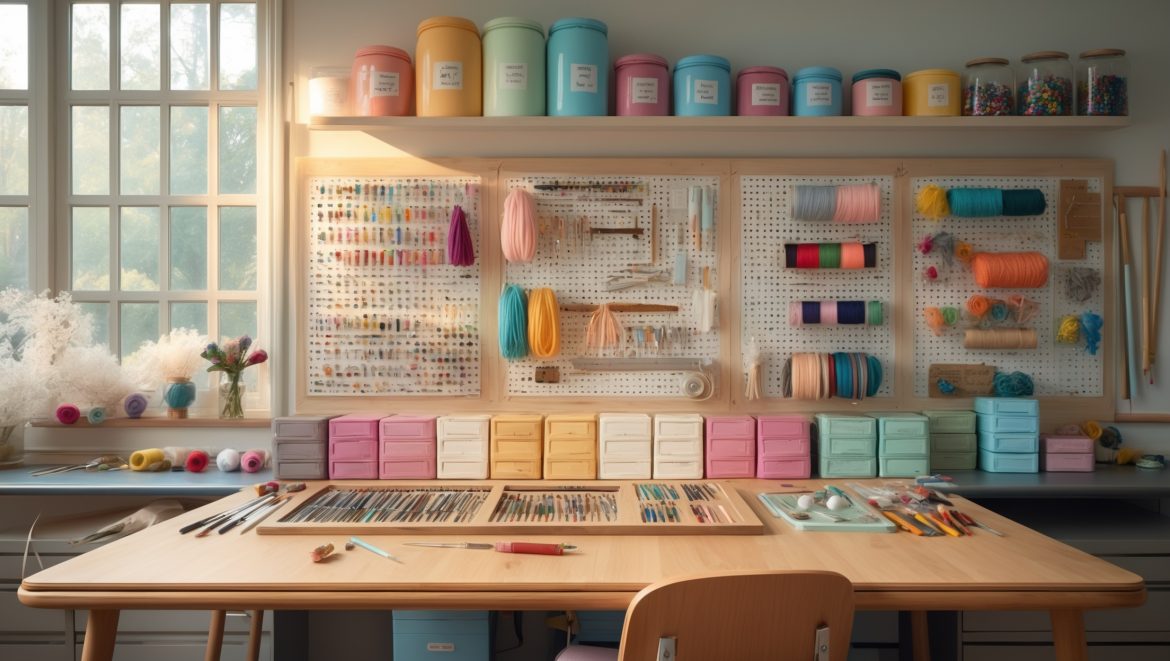
- Pegboards: Mount a pegboard above your worktable. Use hooks, bins, and shelves to keep essentials within arm’s reach. Paint or frame your pegboard for a custom look.
- Magnetic Strips: Attach magnetic strips to walls for scissors, rulers, and metal tools. This keeps sharp blades off the table and easy to grab.
- Rolling Carts: Slim, multi-tiered carts can be tucked beside desks and moved as needed. Assign each tier to a tool category.
- Vertical Storage: Use tall shelving units or wall-mounted racks to make the most of vertical space. Stackable bins with clear labels maximize accessibility.
- Over-Door Organizers: Repurpose shoe organizers with clear pockets for storing small tools, markers, or adhesives on the back of a door.
Solutions for Medium to Large Studios
- Custom Cabinetry: Install cabinets with adjustable shelves and pull-out drawers. Deep drawers are ideal for large tools; shallow ones for small items.
- Workbench with Integrated Storage: Build or buy a workbench featuring built-in shelves or drawers. Keep daily-use tools in the top drawers and less-used items below.
- Tool Walls: Dedicate a wall to tool storage with a combination of pegboards, magnetic strips, and open shelving.
- Drawer Dividers: Use adjustable dividers or DIY foam inserts to keep tools organized in drawers, preventing tangling and damage.
- Freestanding Tool Towers: For heavy or bulky tools, rolling towers with designated slots offer easy access and mobility.
Zone-Based Organization: The Key to Seamless Workflow
Understanding Zones
Divide your studio into dedicated zones based on function. This minimizes backtracking and keeps your process smooth. Common zones include:
- Preparation Zone: For measuring, sketching, and planning. Stock with rulers, pencils, cutting mats.
- Assembly Zone: Central workspace for crafting. Keep adhesives, clamps, and frequently-used tools here.
- Finishing Zone: For sanding, painting, sealing, or packaging. Store finishing tools, paintbrushes, and protective gear.
- Storage Zone: For long-term tool and supply storage, ideally out of the way but accessible when needed.
Tips for Effective Zoning
- Mark zones visually with colored tape, rugs, or signage.
- Keep mobile tools on carts to shift zones as needed.
- Place cleaning supplies at the border of each zone for quick tidying.
Labeling, Accessibility, and Safety
Label Everything
Clear labeling is non-negotiable. Use a label maker, washi tape, or chalkboard labels for bins, drawers, and shelves. Labels should be legible from a distance and updated as your tool collection evolves.
Prioritize Accessibility
- Keep daily-use tools at eye level and within easy reach.
- Store heavy or dangerous tools lower to avoid accidents.
- Reserve high shelves for lightweight, rarely-used items.
Safety Considerations
- Install child-proof latches if your studio is accessible to children.
- Store sharp tools in locking drawers or containers with blade guards.
- Ensure electrical tools are unplugged when not in use and cords are neatly coiled to prevent tripping.
DIY Tool Organization Projects
Custom Tool Caddies
Build a wooden or fabric tool caddy tailored to your most-used items. Include compartments for scissors, pens, and adhesives. Add a handle for portability between zones.
Repurposed Storage Solutions
- Mason Jars: Attach to the underside of shelves for storing brushes or small parts.
- Old Spice Racks: Perfect for thread spools, paint bottles, or glitter jars.
- Silverware Trays: Organize small hand tools, pliers, or cutting blades in shallow drawers.
DIY Drawer Inserts
Cut foam or cardboard to fit your drawers and carve custom slots for each tool. This prevents shifting and protects delicate items.
Magnetic Tool Bars
Mount magnetic bars under shelves or along workbenches for scissors, tweezers, and metal rulers. This keeps your tabletop clear and tools visible.
Maintaining Your Organized Studio
Daily Reset Routine
- Spend five minutes at the end of each session returning tools to their designated spots.
- Wipe down surfaces and empty scrap bins daily to prevent buildup.
Weekly Deep Clean
- Check for misplaced tools and supplies.
- Re-label bins or drawers as needed.
- Inspect storage solutions for wear or damage and repair promptly.
Quarterly Audit
- Review your tool inventory and purge duplicates or unused items.
- Adjust your organization system if your workflow or projects have changed.
- Donate surplus tools to community centers or schools.
Advanced Tips for Power Users
Tool Tracking Apps
Digital organization can be a game-changer. Use inventory apps to track tool locations, maintenance schedules, and supply levels. Options like Sortly, Airtable, or even custom spreadsheets work well.
Color Coding
Assign colors to tool categories or zones using colored bins, labels, or tape. This makes it easy to spot misplaced items at a glance and adds visual appeal.
Modular Storage Systems
Invest in modular shelving or drawer units that can adapt as your collection grows. Look for brands offering interchangeable parts or stackable components for maximum flexibility.
Case Study: Real-World Craft Studio Organization Success
Meet Rachel, a mixed-media artist with a passion for both painting and jewelry making. Rachel’s studio was once a jumble of paint tubes, pliers, and half-finished projects. She implemented a zone-based system with the following results:
- Mounted a large pegboard above her workbench for all pliers, scissors, and brushes.
- Dedicated a rolling cart to painting supplies, easily moved to her easel or stored out of the way.
- Used clear plastic bins with bold labels for beads, findings, and specialty adhesives.
- Hung magnetic strips on the wall for metal rulers and small tools.
- Created a daily reset checklist and stuck it to her cabinet door as a reminder.
After two months, Rachel reported she completed projects 25% faster, misplaced tools were a thing of the past, and cleanup was no longer a dreaded chore. Her studio now inspires creativity rather than chaos.
Conclusion: Your Path to a More Creative and Efficient Studio
Tool organization is far more than a cosmetic upgrade—it’s a crucial investment in your creativity, efficiency, and peace of mind. By inventorying your tools, designing storage solutions tailored to your space, and implementing zone-based organization, you create a studio that supports your unique workflow and protects your valuable supplies. Small daily habits, like resetting your workspace and performing regular audits, ensure that your system continues to work for you—not against you. Remember, the best organization system is the one you’ll actually use, so don’t hesitate to adapt these tactics to fit your style and craft. With a purposeful approach to tool storage, you’ll spend less time searching and more time creating, transforming your DIY craft studio into a space that fuels your passion and productivity. Start with one hack, build as you go, and watch your creative potential flourish in your newly organized haven.


When you suggest laying out every tool to take inventory, do you have any tips for quickly sorting small items like beads or screws that can easily get mixed up? I tend to lose track when grouping the tiny stuff.
To keep small items like beads or screws organized while taking inventory, try using muffin tins, ice cube trays, or small containers to separate each type as you sort. Label each section with a sticky note or masking tape to help you track what’s what. Sorting on a light-colored towel can also prevent items from rolling away and getting lost.
What budget-friendly solutions would you suggest for organizing a large collection of adhesives and paints so they’re visible but not cluttering up my work surface?
To keep your adhesives and paints visible yet off your work surface, try using clear plastic bins or tiered spice racks mounted on the wall. Pegboards with small baskets or hooks are another affordable option. Repurposed jars or containers can also be grouped on shelves, letting you quickly see contents without taking up valuable desk space.
Once you’ve set your organization goals and reorganized your space, how long does it usually take before you notice real improvements in productivity or workflow?
Most people start noticing real improvements in productivity and workflow within a week or two after reorganizing their workspace. The benefits often become even clearer over the following month as new habits form and you spend less time searching for tools. Consistency in keeping things organized helps maximize these improvements.
I’m working with a limited budget right now. Are there any low-cost or DIY storage ideas for keeping sharp or delicate tools protected and organized?
Absolutely, there are several budget-friendly ways to organize and protect your sharp or delicate tools. You can repurpose items like old muffin tins, magnetic strips, or foam inserts cut from packing material to create custom holders. Small containers, jars, or even cardboard dividers in a drawer help keep tools separated and safe from damage.
Some of your hacks sound great, but can you recommend any budget-friendly tool storage ideas for someone just starting out who can’t invest in expensive organizers yet?
Absolutely! Repurposing everyday items is a budget-friendly way to organize tools. Try using jars, cups, or tin cans for small supplies, and shoe boxes or sturdy cardboard boxes for larger tools. Pegboards made from inexpensive materials or even hanging tools on hooks along a wall work well too. These solutions keep your workspace tidy without needing to buy pricier organizers.