

Introduction: Shedding Light on DIY Craft Studio Myths
Setting up your own DIY craft studio is an exciting milestone for any creative soul. Whether you’re a passionate hobbyist or a budding entrepreneur, having a dedicated space can transform your productivity and creative flow. Yet, as you dream, plan, and scroll through endless inspiration boards, you’re likely to stumble on a mountain of advice—much of it conflicting or simply outdated. Myths about what’s “essential,” who can (or can’t) build a studio, and what it will cost can sidetrack or even discourage you from starting.
It’s time to clear the air. In this post, we’ll debunk the most common myths surrounding DIY craft studio setups. We’ll dig into beliefs about space requirements, budgeting, tool needs, safety, and more—offering the practical facts and experience-backed insights you need. Whether you’re planning a corner craft nook, a garage transformation, or a full-scale home studio, this guide will help you make informed decisions that fit your actual needs, skills, and dreams. Let’s replace fiction with facts so you can set up a craft haven that inspires you—no matter your budget or square footage.
Myth #1: “You Need a Huge Space for a Functional Craft Studio”
Why This Myth Persists
Instagram-worthy images and YouTube tours often showcase sprawling, sunlit studios with every possible amenity. It’s easy to assume that real creativity requires a dedicated room—or even a backyard shed. This belief can be discouraging for apartment dwellers or those with limited square footage.
The Truth: Small Spaces Can Be Exceptionally Effective
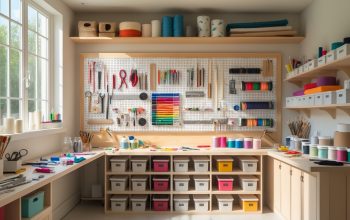
- Smart Organization: With vertical storage, wall-mounted shelves, and modular furniture, you can maximize even the tiniest corners.
- Purpose-Driven Design: Designing for your specific crafts (be it sewing, painting, jewelry-making, or papercraft) means you only need to accommodate the tools and materials you actually use.
- Multi-Purpose Zones: A well-planned craft area can share space with a home office, guest room, or even a living space—using fold-away or mobile furniture to switch functions as needed.
Real-world example: Many successful Etsy sellers operate from a desk in their bedroom or a well-organized closet nook. The key is strategic organization, not square footage.
Myth #2: “Setting Up a Craft Studio Is Too Expensive”
Where the Cost Lies
High-end tools, custom cabinetry, and specialty lighting can add up fast, leading many to believe a studio is a luxury. However, this misconception ignores creative, cost-effective solutions and the power of incremental upgrades.
Budget-Friendly Approaches
- Repurposed Furniture: Old dressers, bookshelves, or kitchen carts can be converted into storage or work surfaces.
- DIY Upgrades: Simple projects like pegboards, open shelving, and rolling carts can be built with minimal investment.
- Shop Secondhand: Visit thrift stores, garage sales, and online marketplaces for gently used craft furniture and organizers.
- Prioritize Purchases: Start with what you use most often. It’s okay to upgrade tools or storage incrementally as your needs evolve.
Remember, a functional studio is about workflow, not flashy gadgets. Many creators build thriving businesses from spaces furnished for less than the cost of a single high-end tool.
Myth #3: “You Must Have Every Tool and Supply Before Starting”
The Temptation of Over-Preparation
It’s common to equate readiness with having every possible tool or material. Marketing from craft stores and online influencers can fuel the pressure to stock up “just in case.”
Start with the Essentials
- Focus on Core Tools: Identify the 5–10 items you use for your main craft. Invest in quality versions of these first.
- Add As You Grow: Expand your toolkit as you encounter new projects or techniques, not before.
- Avoid Storage Overload: Too many supplies can create clutter, making your space less inviting and harder to maintain.
Tip: Keep a running list of “nice-to-have” items and review it monthly. Only purchase when a tool or supply will fill a real gap in your creative process.
Myth #4: “Craft Studios Require Specialized, Expensive Lighting”
What Matters Most in Studio Lighting
While good lighting is important for color accuracy and comfort, many believe only costly, professional fixtures will suffice. This simply isn’t true for most DIY crafters.
Practical Lighting Solutions
- Maximize Natural Light: Position your work area near a window.
- Supplement with Affordable LEDs: Desk lamps with daylight bulbs (5000–6500K) provide clear, consistent illumination for most tasks.
- Task Lighting Overhead: Clip-on lights or adjustable floor lamps can target specific areas as needed.
Unless you’re doing true color-critical work (such as professional painting or product photography), there’s no need to invest in studio-grade lighting from day one.
Myth #5: “You Need to Follow a Strict Organizational System”
Why One-Size-Fits-All Doesn’t Work
Popular organization systems—whether rainbow-sorted bins or hyper-labeled drawers—can look beautiful but may not suit your workflow or medium. The myth here is that there’s a “right” way to organize every craft studio.
Find What Works for You
- Workflow-First Organization: Store your most-used tools and supplies within arm’s reach, even if it’s not visually perfect.
- Flexible Systems: Use open containers, portable caddies, or rolling carts to keep your setup adaptable as your projects change.
- Visual vs. Hidden Storage: Some people are inspired by visible supplies; others need clear surfaces to focus. Choose the style that keeps you creating.
Ultimately, the best system is one you’ll consistently use—regardless of what’s trending on social media.
Myth #6: “Craft Studios Are Inherently Unsafe”
Separating Fact from Fear
Stories of accidents, fire hazards, or chemical exposure can make the idea of a home craft studio seem intimidating. The reality is that with basic precautions, most studios are very safe.
Basic Safety Practices
- Proper Storage: Keep flammable or hazardous materials away from heat sources and store them in appropriate containers.
- Ventilation: For painting, gluing, or soldering, open a window or use a small fan to ensure airflow.
- Tool Maintenance: Regularly inspect tools for wear and keep blades or bits sharp to prevent accidents.
- Clear Walkways: Avoid trip hazards by keeping the floor free of cords and clutter.
Most crafts do not require industrial-grade safety measures. Simple, consistent habits are the foundation of studio safety.
Myth #7: “A Perfect Studio Guarantees Creative Success”
The Productivity Trap
It’s tempting to believe that the right space will automatically boost your output or artistic quality. While a comfortable studio helps, it’s not a substitute for consistent practice, experimentation, and rest.
Focus on Process, Not Perfection
- Allow for Mess: Creativity is inherently messy. Don’t wait for a “perfect” studio to start making.
- Iterate Your Setup: Tweak your space as your projects and interests evolve. No layout is final.
- Value Progress: Celebrate small milestones in both your craft and your studio improvements.
Your studio is a tool, not a magic solution. The most important ingredient is you and your willingness to keep creating.
Myth #8: “You Need Professional Help for Every Step”
DIY Means Doing It Yourself—With Support
Some believe only a contractor, designer, or professional organizer can create an effective craft space. While expert help can be valuable for complex projects (like major renovations or custom-built furniture), most studios are entirely achievable with basic DIY skills.
Empowering Yourself
- Learn As You Go: Online tutorials, forums, and local maker spaces offer free or low-cost education for everything from furniture assembly to basic wiring.
- Ask for Advice: Tap into the creative community for tips—many makers love sharing their solutions to common studio challenges.
- Start Small: Begin with simple projects (like building a pegboard or organizing a shelf) and build confidence as you go.
Don’t let lack of experience hold you back. The DIY spirit thrives on experimentation and growth.
Myth #9: “You Need to Wait for the ‘Right Time’ to Start”
The Paralysis of Planning
Many aspiring crafters delay their dream studio, waiting for a better home, more money, or a perfect plan. The truth is, the best time to start is now—with the resources and space you already have.
Taking Action
- Start With What You Have: Clear a table, claim a closet, or repurpose a corner. Momentum builds from small beginnings.
- Iterative Improvements: Upgrade your setup as you go. Every adjustment teaches you more about your creative needs.
- Enjoy the Journey: Remember, a craft studio evolves alongside your skills and interests. There’s no finish line.
Don’t let waiting become an excuse. Your creative journey starts with the first step, not the final destination.
Myth #10: “You Must Follow Industry Trends for a ‘Real’ Studio”
Trends vs. Timeless Solutions
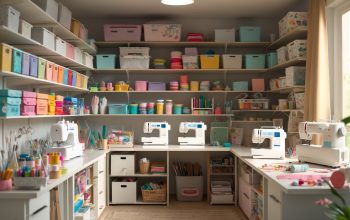
From color-coded bins to industrial-chic shelving, social media is full of visually stunning studios. But chasing trends can lead to wasted time and money if those choices don’t suit your actual workflow or taste.
Authenticity Over Aesthetics
- Personal Comfort: Choose colors, layouts, and storage that inspire you—not just what’s popular online.
- Function First: Prioritize usability, accessibility, and comfort over style. A beautiful but awkward space can stifle creativity.
- Longevity Matters: Invest in solutions that will serve you for years, not just for social media likes.
Your studio should reflect your personality and process—not just the latest trends.
Conclusion: Build Your Studio, Bust the Myths, Unleash Your Creativity
Setting up a DIY craft studio is both a practical and deeply personal journey. As we’ve explored, many of the most common beliefs about craft spaces are rooted in outdated ideals, social media illusions, or well-intentioned but misguided advice. The truth is, you don’t need a sprawling space, endless funds, or a catalog of shiny tools to create a studio that fuels your creativity. What truly matters is thoughtful planning, flexible organization, and a willingness to adapt as your needs and interests evolve.
Don’t let myths hold you back from starting—or improving—your creative space. Embrace what works for you, ignore the pressure to live up to online perfection, and focus on building a studio that empowers your unique creative process. Whether your workspace occupies a spare room, a tiny nook, or the corner of your kitchen, it can be the birthplace of your best ideas and happiest hours.
Remember: The “right” studio is the one that inspires you to keep crafting, learning, and growing. So, start today—debunk the myths, trust your intuition, and create a space where your imagination can truly thrive.
I noticed you mentioned modular furniture and vertical storage for small craft spaces. Do you have recommendations on specific types of shelves or storage solutions that work especially well in apartments where you can’t install anything permanent?
For apartment-friendly solutions, consider freestanding shelving units, rolling carts, and stackable storage bins since they don’t require wall mounting. Over-the-door organizers can add extra storage without any installation. Look for modular cube shelves that can be reconfigured as your needs change—these work great for storing supplies and keeping your space flexible.
I see you mention modular furniture and vertical storage for maximizing small craft spaces. Could you suggest some specific types or brands of furniture that work well for people with very limited space?
For very limited spaces, look for modular cube storage like IKEA’s KALLAX, which can be stacked or wall-mounted. Fold-down wall desks, such as those from Prepac or South Shore, are great space savers. For vertical storage, consider Elfa wall-mounted systems or pegboards from brands like Wall Control. These options are flexible and help keep supplies organized without taking up much floor space.
You mention that small spaces can be just as effective as large ones for a craft studio if organized wisely. Could you share some examples of how to set up a functional craft area in a studio apartment or shared living space?
Absolutely! In a studio apartment or shared space, try using vertical storage like wall-mounted shelves or pegboards to keep supplies accessible without taking up floor space. A fold-down table can serve as your craft surface and tuck away when not in use. Rolling carts are also useful—they’re portable and can store tools or materials. Designating a specific corner for crafting, even if it’s compact, helps keep everything organized and easy to find.
The article talks about designing your studio around specific crafts. How do you recommend prioritizing which tools and materials to keep accessible if you enjoy several different crafts and have limited space?
Start by identifying which crafts you do most often and which ones require frequent use of certain tools or materials. Keep those essentials within easy reach—on shelves, in drawers, or organized bins. For crafts you do less often, store their supplies in labeled containers that can be tucked away, making it easy to swap items in and out as needed.
If I want to start setting up my studio gradually due to budget constraints, which organizational changes or tools should I prioritize first?
Starting with clear storage bins or shelves is a smart first step, as keeping your supplies visible and accessible saves time and reduces clutter. Prioritize a sturdy work surface and basic organizers for frequently used tools, such as jars or drawer dividers. Gradually add specialized storage as your collection grows.
When you started transforming your own space, how long did it take you to get your setup fully functional, and were there any unexpected challenges during the process?
Transforming my own craft studio took me about three weeks from planning to having everything fully functional. The biggest surprise was how much time organizing supplies and adjusting storage took, especially as I realized I needed more space than expected. Finding the right lighting setup also took some trial and error, but it made a big difference in the end.
For someone short on time, how long does it typically take to set up a functional, organized craft studio if you’re starting from scratch in a small apartment?
If you’re working with limited time and space, setting up a functional, organized craft studio in a small apartment can usually be done over a weekend—about 6 to 8 hours total. Focus on essentials first: a dedicated work surface, basic storage containers, and good lighting. You can always refine your setup gradually as you use the space.
For people renting apartments where adding shelves might not be allowed, what are some renter-friendly solutions for setting up a functional craft area?
You can create a functional craft area in a rental by using freestanding shelves or storage carts on wheels, which don’t require wall mounting. Foldable tables or desks are also helpful for saving space. Consider clear bins or baskets for organizing supplies so you can easily move things around without making any permanent changes.