

Introduction: Why Pegboards Are a Game-Changer for Craft Studio Organization
Effective organization is the backbone of any successful DIY, crafts, or creative living space. Whether you’re a seasoned maker or just setting up your first studio, the way you manage your tools and materials can make all the difference between frustration and creative flow. Among all the storage solutions available, pegboard systems stand out as a flexible, highly customizable, and visually inspiring option for craft studio organization. Unlike static shelving or drawers, pegboards allow you to tailor your storage to your workflow, easily rearrange tools as your projects evolve, and keep everything within arm’s reach. This long-form guide will walk you through everything you need to know about implementing DIY pegboard systems in your craft studio: from choosing materials and planning layouts to custom accessories, safety considerations, and real-world organization hacks. Whether your passion is sewing, woodworking, painting, or mixed media, you’ll discover actionable strategies for transforming your creative space into an organized, motivating haven.
Understanding Pegboard Systems: Materials, Sizes, and Benefits
What Is a Pegboard System?
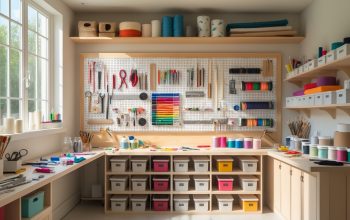
A pegboard system is a wall-mounted panel with a grid of evenly spaced holes designed to hold hooks, shelves, baskets, and a wide range of accessories. These systems can be used to organize tools, supplies, and even works-in-progress, offering both storage and display functions. Pegboards are particularly popular in creative environments because of their modularity and endless customization options.
Types of Pegboard Materials
- Hardboard Pegboard: The classic brown, pressed wood fiberboard. Affordable and widely available, but less durable in humid environments.
- Metal Pegboard: Made from steel or aluminum, these boards are sturdy, rust-resistant, and suitable for heavier tools or humid studios.
- Plastic Pegboard: Lightweight, colorful, and moisture-resistant, making them ideal for studios where aesthetics and flexibility matter.
Sizes and Mounting Options
Pegboards come in standard sheets (typically 2’x4’ or 4’x8’), modular panels, or smaller tiles for custom arrangements. Mounting can be direct-to-wall with spacers, framed for extra stability, or even built into furniture like mobile carts or folding screens. Choose a size that fits your wall space and workflow needs—remember, you can always add more panels later!
Benefits for DIY and Craft Studios
- Visibility: Tools and supplies are always in sight, reducing time spent searching.
- Accessibility: Rearranging hooks and accessories lets you adapt storage as your projects change.
- Space Efficiency: Frees up valuable worktable and drawer space.
- Inspiration: Displaying colorful tools and materials can spark new ideas.
Planning Your Pegboard Layout: Assessing Needs and Workflow
Step 1: Inventory Your Tools and Supplies
Before mounting a pegboard, list the tools and materials you use most often. Group them by function—cutting tools, painting supplies, adhesives, rulers, etc.—and note their sizes and weights. This will help you design a layout that’s both practical and safe.
Step 2: Analyze Your Workflow
Think about the typical flow of a project in your studio. Do you move from cutting to assembly to finishing? Are there supplies you use with every project? Plan to position your most-used items at eye level and within easy reach of your primary workspace. Less frequently used supplies can go higher or lower on the board.
Step 3: Measure and Map Your Wall Space
Measure the available wall area and consider potential obstacles like windows, doors, and electrical outlets. Use painter’s tape to outline possible pegboard locations before drilling any holes. For larger studios, consider multiple pegboard zones for different activities—one for sewing, another for painting, etc.
Step 4: Sketch Your Arrangement
Draw a rough sketch of your planned pegboard, noting where each tool or bin will go. This doesn’t have to be artistic—a simple grid will do. Many pegboard accessory kits include templates to help you visualize spacing.
Installing Your Pegboard System: DIY Steps and Tips
Gather Your Materials
- Pegboard panels (material of choice)
- Wall-mounting hardware (screws, anchors, spacers, or French cleats)
- Level and measuring tape
- Drill and screwdriver
- Pegboard hooks, shelves, and accessory kits
- Optional: frame materials (1×2 wood strips) for added stability
Step-by-Step Installation Guide
- Prepare the Wall: Mark stud locations using a stud finder. If you can’t align the board with studs, use appropriate wall anchors for your wall type (drywall, masonry, etc.).
- Install Spacers or Frame: Pegboards need space behind them so hooks can pass through. Attach 1×2 wood strips to the wall as a frame, or use included spacers.
- Mount the Pegboard: With help (for larger panels), hold the pegboard in place, check for level, and screw it securely into the frame or spacers.
- Test Stability: Gently tug on the corners and edges to ensure the board is firmly mounted and doesn’t flex or wobble.
- Add Accessories: Start with basic hooks and shelves, then expand as needed. Test heavier items for safety before storing them long-term.
Safety and Maintenance Tips
- Don’t overload the board—check weight ratings for both the board and wall fasteners.
- Keep sharp tools pointed down or sheathed to prevent accidental injuries.
- Every few months, check for loose hardware and retighten as needed.
Customizing Your Pegboard: Accessories, Hacks, and Creative Ideas
Essential Pegboard Accessories
- Hooks: Straight, curved, double-prong, and specialty shapes for scissors, rulers, and pliers.
- Shelves: Great for paints, jars, small power tools, and display items.
- Baskets and Bins: Store yarn, fabric scraps, pens, and other loose items.
- Magnetic Strips: Hold metal tools, needles, or blades securely.
- Clip Holders: Perfect for hanging in-progress sketches or instructions.
DIY and Upcycled Pegboard Add-Ons
- Custom Tool Holders: Use PVC pipe, cardboard tubes, or tin cans to create holders for brushes, crochet hooks, or markers. Attach with zip ties or screws.
- Fabric Pockets: Sew or glue fabric pockets to a pegboard-compatible backing for flexible, colorful storage of small items.
- Wooden Crates or Trays: Mount shallow crates for storing paper pads, sketchbooks, or glue bottles.
- Painted Patterns: Use painter’s tape and acrylic paints to create a color-coded grid or decorative motifs.
Creative Organization Ideas
- Project Stations: Dedicate a section of your pegboard to each current project, with labeled bins or trays for associated tools and materials.
- Vertical Inspiration Board: Mix photos, fabric swatches, and color wheels alongside your tools for instant inspiration.
- Seasonal Rotations: Swap out accessories and supplies as your crafting focus changes throughout the year.
Pegboard Layouts for Every Craft: Tailored Solutions
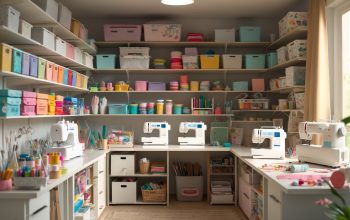
Sewing and Textile Arts
- Hooks for scissors, rotary cutters, and rulers
- Shelves for thread spools and bobbins
- Baskets for fabric scraps and patterns
- Magnetic strip for pins and needles
Painting and Drawing
- Jars or cans for brushes and pencils
- Shelves for paint tubes, jars, and palettes
- Clip holders for reference images or sketches
Woodworking and Model Building
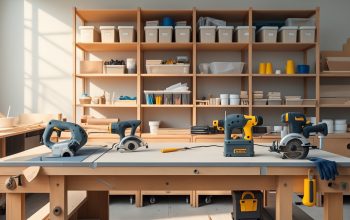
- Heavy-duty hooks for hand tools
- Bins for nails, screws, and small components
- Custom racks for glue guns or soldering irons
Jewelry Making and Mixed Media
- Small bins for beads and findings
- Hooks for pliers and specialty tools
- Magnetic strips for tweezers and wire cutters
Pegboard Maintenance and Long-Term Organization Strategies
Keeping Your System Tidy
Like any organizational tool, a pegboard only works if you maintain it. Make it a habit to return tools to their designated spots after each project session. If you notice clutter building up, reassess your layout—perhaps you need more bins, or your most-used tools have changed.
Flexible Upgrades
One of the biggest advantages of pegboards is adaptability. As your craft evolves, so should your storage. Don’t be afraid to experiment with new layouts, swap out accessories, or repaint your board for a fresh look. Take a photo of your setup every few months to track changes and inspire future upgrades.
Safety Checks
- Routinely inspect hooks and shelves for signs of wear.
- Check weight limits if you plan to add heavier items.
- Dust the board and accessories regularly to prevent buildup.
Case Study: Real-World Pegboard Studio Makeover
Meet the Maker: Emily’s Textile Studio
Emily, a textile artist working from a spare bedroom, struggled with overflowing drawers and lost tools. By dedicating an 8-foot span of wall to a modular metal pegboard system, she created distinct zones for cutting, sewing, and finishing. Custom holders made from PVC pipe now house her scissors and rotary cutters; a row of mini shelves displays her favorite threads and buttons. Emily reports that her projects flow faster, her space feels more inspiring, and she spends less time searching for misplaced tools. She updates her pegboard layout seasonally to match her current projects.
Conclusion: Pegboards as the Key to Creative Efficiency
In the world of DIY, crafts, and creative living, a well-organized studio is more than just a tidy space—it’s the foundation for productive, joyful making. Pegboard systems offer unmatched versatility, allowing you to design storage that grows with your craft and adapts to your evolving needs. From simple hardboard panels to high-end metal grids, there’s a pegboard solution for every style and budget. By investing time in planning your layout, installing your system securely, and customizing with creative accessories, you’ll create a workspace where inspiration and efficiency coexist. Regular maintenance and a willingness to experiment with organization will ensure your pegboard remains a powerful ally for years to come. So whether you’re battling craft chaos or simply seeking a new way to display your favorite tools, consider the humble pegboard—your studio (and your creativity) will thank you.
I’m setting up my first craft studio and want to try a pegboard, but my space is pretty humid. Would a metal pegboard definitely be better than hardboard, or could I treat the hardboard somehow to hold up longer?
In a humid environment, metal pegboards are definitely more durable since hardboard can swell or warp over time. If you prefer hardboard for its look or price, you could seal it with several coats of waterproof sealant or paint, making sure to cover all edges and holes, but it still might not last as long as metal in constant humidity.
How difficult is it to rearrange tools and accessories on a pegboard once it’s already set up? Is there a quick way to plan the layout before drilling holes in the wall?
Rearranging tools and accessories on a pegboard is actually very easy. The hooks and shelves simply lift out and can be moved wherever you like, so you can change the setup to suit your needs. To plan your layout before installing the pegboard, lay your tools on the floor or a large table in the arrangement you want, then mark the positions. This helps you visualize the setup and make adjustments before drilling holes.
For those of us dealing with high humidity in our workspace, do you have any tips for preventing rust or warping on both metal and hardboard pegboards over time?
To protect metal pegboards from rust in humid areas, consider applying a rust-resistant spray or clear sealant. For hardboard pegboards, a few coats of polyurethane can help prevent warping. Also, keep your workspace well-ventilated or use a dehumidifier to control moisture levels year-round.
Can these pegboard systems handle storing heavier equipment or power tools, or would you suggest using them mainly for lightweight supplies?
Pegboard systems can support some heavier equipment and power tools, but their capacity depends on the material and how securely they’re mounted. For safety, look for heavy-duty metal pegboards and use strong wall anchors or secure studs. If you plan to store weighty items, double-check the manufacturer’s weight rating and distribute the load evenly. For very heavy tools, a combination of pegboards and sturdy shelving is usually best.
You mentioned customizing storage to your workflow. How often do most makers find themselves rearranging their pegboard setup, and does it get easier over time?
Many makers find themselves rearranging their pegboard setup every few months, especially as projects and tools change. It definitely gets easier with experience—once you understand your workflow and preferences, you can spot what needs adjusting and move hooks or shelves much faster than when you first started.
I’m wondering how pegboard systems hold up over time in more humid climates. Have you noticed significant warping or rust issues with hardboard versus metal options?
In humid climates, traditional hardboard pegboards can warp or swell over time, especially if they’re not sealed properly. Metal pegboards are much more resistant to both warping and rust, particularly if they have a good powder-coated finish. For best durability in humid conditions, metal options are generally a safer choice.
Reading about the different pegboard materials, I’m curious if there’s a preferred option for makers who frequently work with fabric or yarn. Would plastic pegboards be gentler on textiles, or are there other features I should look for?
For makers who often work with fabric or yarn, plastic pegboards can indeed be gentler on textiles compared to metal or wooden boards, as they have smoother edges and won’t snag fibers. You might also look for pegboards with rounded hooks or accessories designed specifically for soft materials to further protect your supplies.
I do a lot of mixed media projects, so my supplies are all different shapes and sizes. Are there any specific custom accessories or hacks you recommend for organizing odd-shaped tools on a pegboard?
For odd-shaped tools, consider using flexible pegboard accessories like adjustable hooks, deep baskets, or small hanging bins. You can also attach magnetic strips or repurpose items like binder clips and zip ties to secure items that don’t fit standard holders. Custom wooden shelves or dowel rods can work well for larger or heavier tools.
If my main concern is keeping my craft supplies dust-free, does a pegboard system still make sense, or would you suggest combining it with another type of storage?
A pegboard system is great for visibility and easy access, but it does leave supplies exposed to dust. If keeping things dust-free is a priority, you might want to use closed bins or containers on the pegboard hooks or combine the pegboard with cabinet or drawer storage for items that need extra protection.
Is there a big price difference between the standard hardboard, metal, and plastic pegboards? I’m on a tight budget and want to make sure I get something that’s both durable and affordable.
Hardboard pegboards are usually the most budget-friendly option, making them great for saving money. Metal pegboards tend to be the most durable but are also the most expensive. Plastic pegboards fall in between, offering better moisture resistance than hardboard at a moderate price. For affordability and decent durability, hardboard is a solid choice unless your studio is very damp.