
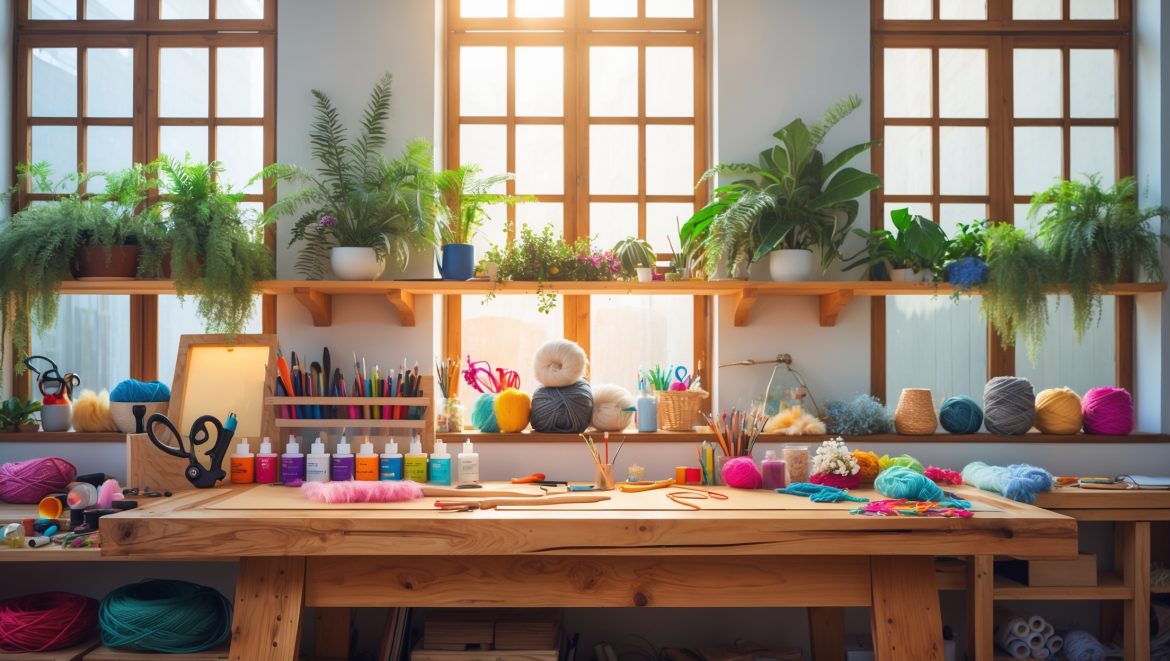
Introduction: Why Avoiding Beginner Craft Studio Mistakes Matters
Setting up your first DIY craft studio is an exciting adventure filled with creative potential. But whether you dream of a vibrant sewing nook, a serene painting corner, or a multi-purpose maker’s paradise, there’s more to an effective workspace than meets the eye. Many creative enthusiasts—eager to jump in—unwittingly fall into common traps that can waste money, hinder productivity, and even pose safety risks. These beginner mistakes can transform a dream project into a frustrating ordeal, or worse, lead to costly re-dos and burnout.
As a craft lover myself, I’ve seen (and made) plenty of these missteps. Dozens of conversations with fellow makers reveal the same handful of errors cropping up again and again: skipping vital planning, underestimating tool needs, ignoring workflow, or missing hidden hazards. The good news? Most of these pitfalls are entirely preventable with the right know-how. In this comprehensive guide, I’ll walk you through the ten most common beginner craft studio mistakes—plus practical, tried-and-true strategies to avoid them. Whether you’re carving out a dedicated room or repurposing a tiny corner, these insights will help you build a safe, inspiring, and efficient creative sanctuary from day one.
1. Overlooking Workflow and Layout Planning
One of the biggest mistakes new DIYers make is skipping thoughtful layout planning. It’s tempting to buy a cute desk and start piling up supplies, but a haphazard setup can stifle creativity and productivity. Workflow—the way you move through your creative tasks—should guide every decision from furniture placement to storage selection.
Symptoms of Poor Workflow
- Constantly getting up to retrieve tools or materials
- Supplies buried behind other items
- Limited space to spread out or work on large projects
Pro Tips to Get It Right
- Sketch your space and note your main craft activities (cutting, assembling, finishing, etc.)
- Arrange stations in sequence—e.g., fabric storage near cutting area, paints near easel
- Leave room for clear walkways and pull-out storage
- Test your layout with mock arrangements before committing
2. Underestimating Lighting Needs
Many crafters overlook how crucial good lighting is—not just for ambience, but for accuracy and comfort. Poor lighting leads to eye strain, color mistakes, and even accidents with sharp tools.
Common Lighting Errors
- Relying solely on overhead lights
- Ignoring natural light direction and glare
- Forgetting task lighting for detailed work
How to Illuminate Like a Pro
- Layer your lighting: mix ambient (overhead), task (desk lamps), and accent (spotlights)
- Position workstations near windows, but manage glare with blinds
- Use adjustable LED lamps for color-accurate, energy-efficient task lighting
3. Skimping on Ventilation and Air Quality
From glue fumes to paint particles, many crafts introduce airborne irritants. Beginners often set up in basements or closets without considering airflow. This can affect both comfort and health.
Red Flags
- Strong odors lingering after projects
- Mold or excess humidity in the workspace
- Frequent headaches or irritation
Healthy Air Solutions
- Install a window fan or portable air purifier
- Open windows during messy projects
- Store solvents and sprays in airtight containers and away from heat sources
4. Buying Every Tool at Once
It’s easy to get swept up by glossy craft supply aisles and online hauls. But filling your studio with every gadget is rarely budget-friendly or space-smart—especially if you’re just starting out.
Common Pitfalls
- Buying duplicates (how many glue guns do you really need?)
- Investing in specialized tools for crafts you haven’t tried yet
- Cluttering your workspace and overwhelming yourself
How to Build Your Toolkit Wisely
- Start with versatile basics; add specialty tools as your skills grow
- Borrow or rent before buying expensive or rarely-used equipment
- Read reviews and ask fellow crafters for quality recommendations
5. Neglecting Storage and Organization Early On
Disorder breeds stress and wasted time. Too many beginners put off organizing supplies, leading to misplaced tools, damaged materials, or abandoned projects. A thoughtful storage plan saves money and sanity.
Early Organization Mistakes
- Piling supplies without sorting
- No clear system for in-progress projects
- Storing heavy items on high shelves
Smart Storage Habits
- Sort supplies by type and frequency of use
- Label bins and drawers clearly
- Keep daily essentials within arm’s reach
- Designate a spot for unfinished work to prevent clutter
6. Ignoring Safety from the Start
Safety should be baked into your studio setup, not added after an accident. Beginners often forget about fire hazards, trip risks, or chemical exposure. Even a minor injury can sideline your creative flow.
Frequently Missed Safety Steps
- No fire extinguisher or first aid kit nearby
- Extension cords running across walkways
- No clear exit path in case of emergency
How to Stay Safe
- Install a smoke detector and keep extinguishers accessible
- Secure cords and use surge-protected outlets
- Store sharp or hazardous items out of reach of children/pets
- Make sure you can exit quickly if needed
7. Overlooking Power and Electrical Capacity
Many crafts require more than a single outlet. Overloaded circuits, tangled extension cords, or lack of outlets can interrupt your workflow and create hazards.
Common Electrical Oversights
- Underestimating the number of outlets needed
- Plugging high-wattage tools into unsafe power strips
- Poorly placed cords creating trip hazards
Electrical Planning Tips
- Map out your equipment and their power requirements
- Use grounded surge protectors
- Have an electrician add outlets if necessary for larger studios
- Keep cords tidy and away from walkways
8. Not Considering Future Growth
Your interests and skills will evolve, and so will your supply stash. Beginners often set up a studio that’s perfect for the present, but difficult to expand later.
Signs You’re Not Planning Ahead
- No space for new tools or materials
- Fixed furniture that can’t be reconfigured
- Storage bursting at the seams within months
Plan for Flexibility
- Choose modular furniture and storage systems
- Leave open shelves or wall space for future needs
- Schedule periodic cleanouts to make room for new supplies
9. Failing to Separate Personal and Craft Space
Especially in shared homes, boundaries matter. Mixing craft supplies with family areas can lead to lost materials, accidental spills, or tension with housemates.
Common Boundary Mistakes
- Using the dining table as a permanent craft zone
- Leaving supplies in high-traffic areas
- Not communicating your needs with others
Smart Space Division
- Define your workspace with rugs, screens, or shelving
- Set clear rules (e.g., which supplies are off-limits to kids)
- Involve family or roommates in the setup process to foster respect
10. Forgetting About Inspiration and Comfort
A craft studio isn’t just functional—it should inspire you to create. Newbies often neglect comfort elements or personal touches, making their space less inviting over time.
Symptoms of an Uninspiring Space
- Bare walls and little color
- Uncomfortable chairs or poor seating
- No display for finished work or works-in-progress
How to Make Your Space Your Own
- Add plants, art, or mood boards
- Invest in ergonomic seating and anti-fatigue mats
- Display your projects—finished or in-progress—for motivation
Conclusion: Set Up for Success—Skip the Rookie Regrets
Building your ideal DIY craft studio is a journey that should spark joy, not stress. By learning from the most common beginner mistakes—from skipping layout planning to ignoring safety or comfort—you’re already ahead of the curve. Remember, a creative workspace isn’t about expensive gear or magazine-worthy aesthetics. It’s about a setup that fits your life, your projects, and your vision for growth.
Start with a clear workflow and basic organization; prioritize lighting, ventilation, and power needs. Grow your toolkit as your skills develop, and always keep an eye on safety. Don’t forget to carve out space for inspiration and personal touches—these are just as important as your tools and supplies. Most importantly, give yourself permission to tweak and improve your studio over time. Flexibility, thoughtful planning, and self-compassion are the real secrets to a successful creative space.
Whether you’re working with a cozy corner or a sprawling room, avoiding these rookie pitfalls sets you on the path to a happier, more productive DIY experience. Here’s to a studio that supports every bold idea and beautiful mistake you’ll make along the way!
I’m mostly interested in painting and sewing. Should I separate these activities in my limited space, or is there a way to combine them efficiently without causing workflow issues?
You can definitely combine painting and sewing in a small space with some planning. Try using storage bins or portable caddies to keep supplies for each activity organized and separate. If possible, designate one main work surface that can be cleared between projects, and use protective coverings when painting to avoid spills on sewing materials.
You mention that skipping layout planning is one of the main pitfalls when setting up a craft studio. Are there any online tools or templates you recommend for sketching out a studio space before buying furniture?
Yes, there are helpful online tools for planning your craft studio layout. Free options like Roomstyler and SketchUp let you create a virtual floor plan and experiment with furniture placement. You can also find printable grid templates for hand-drawing your space. Using these resources makes it easier to visualize arrangements and avoid buying pieces that won’t fit.
I noticed you talked about wasting money as a common pitfall. Which supplies or storage solutions do beginner crafters most often buy but end up not really needing?
Many beginners end up buying bulk packs of specialty paper, dozens of paint colors, or trendy gadgets like die-cut machines before knowing if they’ll use them long-term. Overly elaborate storage containers, such as intricate drawer systems or decorative bins, can also go unused if your supply collection stays small at first. It’s best to start with basic, versatile supplies and simple storage until you figure out your true crafting needs.
For someone on a tight budget, what’s the most cost-effective way to improve workflow and avoid clutter without investing in expensive organizational systems right away?
To improve workflow and avoid clutter on a tight budget, focus on using what you already have—repurpose boxes, jars, or trays for storage. Group similar tools together and label them clearly. Regularly tidy up your workspace at the end of each session to keep things organized without needing to buy new organizers.