
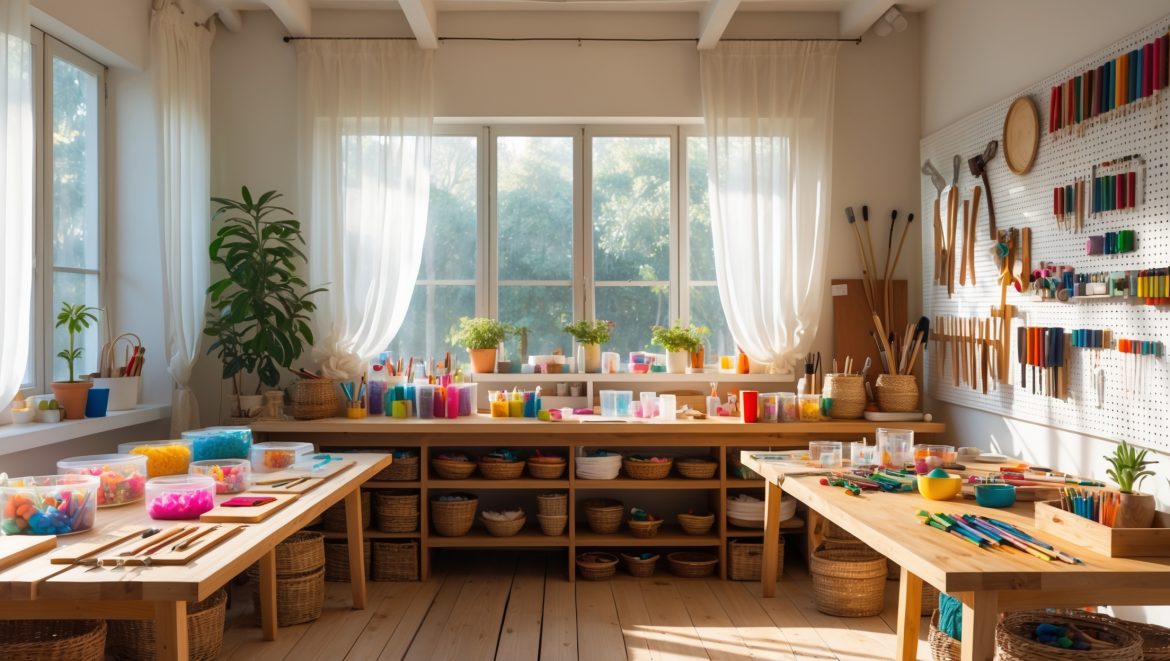
Creating your own DIY craft studio is a dream for many makers, hobbyists, and creative entrepreneurs. Whether you’re carving out a corner in your apartment or transforming a spare room into a full-fledged workspace, the excitement of having a dedicated area for your projects is undeniable. But along with the thrill comes a learning curve—one that’s peppered with potential pitfalls many beginners encounter. Missteps in planning, budgeting, and organizing can quickly turn your dream space into a frustrating jumble. The good news? Most common mistakes are entirely avoidable with a little foresight and practical advice.
In this in-depth guide, we’ll walk you through 12 of the most frequent errors made by first-time DIY craft studio creators. From underestimating storage needs to overlooking workflow, from skimping on lighting to neglecting safety basics, we’ll explore each misstep and—crucially—provide clear strategies to help you sidestep them. Whether you’re a casual crafter or launching a side hustle, use these tips to lay the foundation for a studio that’s not just beautiful, but truly supports your creative journey.
1. Skipping a Detailed Studio Plan
It’s tempting to rush into setting up your space, but failing to map out a detailed plan is a recipe for frustration. Before you buy a single shelf or hang a pegboard, take time to sketch your studio layout. Consider the types of crafts you’ll pursue, the tools you need, and your preferred workflow. Measure your available space—don’t guess!—and diagram possible furniture and storage arrangements. Factor in electrical outlets, window placements, and doors. A well-thought-out plan helps you avoid wasted spending on storage that doesn’t fit or work surfaces that cramp your movement.
2. Underestimating Storage Needs
Most beginners misjudge just how much storage crafting requires. Tools, paints, fabrics, paper, adhesives, and half-finished projects pile up quickly. Open shelving is great for accessibility, but closed cabinets help control dust and visual clutter. Modular storage—like stackable bins or rolling carts—lets you adapt as your needs evolve. Don’t overlook vertical space: wall-mounted shelves, pegboards, and hooks expand your capacity without eating up floor area. Remember, it’s easier to start with more storage than you think you’ll need than to scramble for solutions later.
3. Neglecting Workflow and Accessibility
How you move through your studio matters as much as what’s in it. Beginners often cram furniture and supplies into a space without considering workflow: can you move easily from prepping materials to assembling, finishing, and storing projects? Are frequently used tools within arm’s reach of your main work surface? Arrange your studio to minimize back-and-forth trips and awkward reaches. Use mobile carts for items you use in multiple zones. If possible, create defined areas for cutting, painting, drying, and packaging to streamline your process.
4. Settling for Poor Lighting
Lighting isn’t just about seeing what you’re doing—it affects the accuracy of your work and your mood. Relying on a single ceiling fixture or dim bulbs is a common beginner error. Aim for a mix of ambient, task, and accent lighting. Position your main worktable near a window for natural light, but supplement with adjustable LED desk lamps to reduce eye strain and color distortion. Avoid harsh overhead lights that cast shadows. If your craft involves color matching or detail work, look for lamps with high Color Rendering Index (CRI) ratings.
5. Overlooking Power and Charging Needs
From glue guns to sewing machines, many crafts require reliable access to power. Don’t make the mistake of relying on a single outlet or running extension cords across your floor (a tripping hazard). Map your electrical needs in your studio plan. Use power strips with surge protection, and consider adding USB charging stations for devices. If you’re working with high-draw tools (like kilns or large cutters), consult a licensed electrician about dedicated circuits. Keep cords organized with cable clips or under-desk trays to prevent tangles and accidents.
6. Failing to Budget for Hidden Costs
Many DIYers focus on big-ticket items like desks and storage but forget to account for hidden expenses: lighting fixtures, extension cords, wall anchors, safety gear, and consumables (like sandpaper or replacement blades). Make a comprehensive list of every item you’ll need, and research prices before you start. Build in a 10–15% contingency for unexpected costs. Don’t blow your entire budget on furniture—leave room for tools, organizational supplies, and improvements down the road.
7. Ignoring Ventilation and Air Quality
If your crafts involve adhesives, paints, solvents, or wood dust, good ventilation is non-negotiable. Even in a simple studio, failing to address air quality can impact your health and the longevity of your supplies. Consider installing a window exhaust fan or portable air purifier. Open windows whenever possible, and store volatile chemicals in sealed containers. For dust-producing crafts, use a shop vacuum or dust collection system. Regularly clean surfaces to keep your air fresh and your supplies in top condition.
8. Neglecting Basic Safety Precautions
It’s easy to assume that a home craft studio is inherently safe, but even basic projects can involve sharp tools, hot equipment, and hazardous materials. Always keep a first aid kit and fire extinguisher within reach. Store flammable items away from heat sources, and use proper containers for sharps and blades. Label hazardous materials clearly. Wear safety goggles, masks, or gloves as needed, and never leave heat tools unattended. Develop the habit of tidying as you go to prevent slips and accidental injuries.
9. Overcrowding the Space
In the excitement to have everything at hand, beginners often overload their studios with furniture, supplies, and decorative items. Too much clutter limits your working area and can sap your creativity. Focus on essentials first: a sturdy worktable, comfortable chair, and core tools. Bring in additional storage or decor gradually as you settle into your workflow. Regularly edit your supplies—donate or recycle materials you no longer use to keep your space flexible and inspiring.
10. Forgetting Ergonomics
Long hours at your workbench can take a toll on your back, neck, and wrists. Skipping ergonomic considerations—like adjustable chairs, anti-fatigue mats, or proper bench height—leads to discomfort and even injury. Choose a work surface that matches your primary activities (higher for standing tasks, lower for seated ones). Use supportive seating with adjustable height and lumbar support. Consider adding a footrest or standing mat if you alternate between sitting and standing. Take regular breaks to stretch and reset your posture.
11. Disregarding Flexibility for Future Growth
Your creative interests and storage needs will evolve. Avoid building in too many permanent fixtures or customizations that can’t be adjusted. Opt for modular furniture, movable shelves, and wall-mounted systems that can be rearranged as your projects change. Leave open space for future tools or new mediums. By planning for flexibility, you’ll avoid costly renovations or the need to start over as your skills and ambitions grow.
12. Not Personalizing the Space
While function is crucial, your studio should also spark joy and creativity. Beginners sometimes create sterile, utilitarian spaces that lack inspiration. Add touches that reflect your personality: display favorite creations, pin up a vision board, or paint an accent wall in a color that energizes you. Use baskets, jars, or vintage containers for storage that’s both practical and beautiful. Personalizing your studio makes it a place you’ll want to spend time in—and that nurtures your creative journey.
Conclusion: Set Yourself Up for Creative Success
Launching your first DIY craft studio is a major milestone—one worth celebrating and investing in. By learning from the most common beginner mistakes, you can create a workspace that’s not just organized and efficient, but also safe, flexible, and truly inspiring.
Take time to plan your layout and workflow. Invest in storage that fits your current and future needs. Don’t underestimate the impact of good lighting, air quality, and ergonomic comfort. Budget for the hidden essentials and always prioritize safety, no matter how simple your projects seem. Remember that your studio should grow with you, adapting as your skills and passions evolve.
Above all, infuse your space with elements that make you smile—whether that’s a pop of color, a favorite tool on display, or a comfortable chair where you can dream up your next big idea. Avoiding these 12 beginner pitfalls will lay the groundwork for a studio that empowers your creativity for years to come. Happy crafting!
You mentioned planning out a workflow based on your crafting activities. Could you give some examples of how different crafts might require different layouts or setups in the studio?
Absolutely! For sewing, you’ll want a large table for fabric cutting and space for your sewing machine, plus accessible storage for threads and tools. For painting, good lighting and easel space are priorities, along with shelves for paints and brushes. Jewelry making benefits from a workbench with lots of small compartments for beads and findings, and a magnifying lamp. Tailoring your setup to your main craft keeps everything efficient and comfortable.
If I’m using a shared room for both crafts and small business admin work, what are some workflow tips to keep the space from getting too chaotic or cramped as mentioned in your article?
Keeping a shared craft and admin space organized can be much easier if you assign clear zones for each activity, even if they’re just different sides of a desk. Use labeled storage bins or trays to quickly clear away supplies when switching tasks. Regularly declutter and schedule specific times for each type of work to prevent overlap and mess.
Could you elaborate a bit more on how to balance open versus closed storage in a small craft studio? I’m worried that too many closed cabinets might make the space feel cramped, but I don’t want clutter everywhere either.
Finding the right mix between open and closed storage in a small craft studio is all about prioritizing what you use most. Keep frequently used tools and materials on open shelves or pegboards for easy access, while stowing away less-used or messier items in closed cabinets or bins. Limiting closed storage to a few key pieces can prevent the space from feeling boxed in while still keeping clutter under control.
When mapping out a studio plan as suggested, what are the most commonly overlooked factors besides electrical outlets and windows that you’ve seen cause issues later on?
One commonly overlooked factor is storage—many people underestimate how much space supplies and finished projects will take. Ventilation is another one, especially if you use paints or glues. Also, consider lighting beyond just natural light, as well as space to move around comfortably and enough tabletop workspace for spreading out materials.
After mapping out a detailed plan and measuring the space, what’s the best way to test if your chosen layout actually supports your preferred crafting workflow before investing in furniture and fixtures?
Once you’ve mapped out your plan and measured the space, try marking the layout on the floor using painter’s tape to outline where furniture and equipment will go. Then, simulate your typical crafting activities in that space. Move between work zones as you would while crafting to see if the flow feels smooth and nothing feels cramped or awkward. This hands-on trial helps reveal any adjustments needed before making big purchases.
How long did it realistically take you to go from planning to having a fully functional studio, and are there ways to speed up the process without overlooking key steps?
From planning to a fully functional studio, it took about two months, largely because I tackled things in stages and adjusted as I went. To speed things up, try planning your layout in detail before buying anything, organizing your supplies by category, and focusing on must-have tools first. This helps avoid backtracking while still covering all the essentials.
If I already made the mistake of skimping on lighting and my workspace feels gloomy, what are some quick fixes or affordable upgrades to brighten things up without rewiring the whole room?
You can boost your studio lighting quickly by adding LED desk lamps or clip-on lights, which are affordable and easy to move around. Consider using daylight-balanced bulbs for a brighter, more natural look. You can also place mirrors or white boards near your workspace to reflect and spread existing light, making the area feel much brighter without any complex installation.
If I’m turning a spare room into a craft studio but might eventually use it for another purpose, how can I set up the space to allow for easy conversion later without undoing all my work?
To keep your space flexible, use freestanding furniture and storage that can be easily moved or repurposed, rather than installing built-ins. Choose modular shelves, rolling carts, and folding tables. Avoid painting walls with bold colors specific to crafts—stick with neutrals. Secure heavier items with removable fasteners so you can change things without causing damage.
How do you suggest sticking to a reasonable budget when buying storage and furniture for a new craft studio? I feel like costs could add up fast if I’m not careful.
To manage your budget, start by making a list of essentials and prioritizing what you truly need. Consider repurposing items you already have at home, and check secondhand stores or online marketplaces for affordable storage and furniture. Modular or stackable solutions can be added over time so you aren’t spending a lot upfront.
After mapping out a detailed plan as suggested, how long should I expect the whole setup process to take for a beginner? I’m hoping to avoid drawn-out projects but want it done right.
For a beginner with a clear plan in place, setting up a basic DIY craft studio usually takes about one to two weekends. Allow extra time for organizing supplies and making adjustments as you work. Tackle it step by step so you achieve a functional setup without feeling rushed.
When you talk about factoring in electrical outlets and lighting, do you recommend a specific type of light setup that works best for both day and night crafting?
For balanced lighting throughout the day and night, a mix of bright LED overhead lights and adjustable desk lamps usually works best. LEDs provide consistent, natural-looking light and are energy efficient. Position your crafting table near a window for daytime light, then supplement with adjustable LEDs to prevent shadows or eye strain when it gets dark.
Do you have any tips for balancing open shelving and closed storage? I want everything within reach, but I’m worried about clutter piling up, especially with kids running around. How can I keep supplies accessible but tidy?
A good approach is to use open shelving for frequently used, safe supplies, while reserving closed storage for items that are either messy or potentially hazardous to kids. Bins or baskets on open shelves can organize loose items, keeping them neat but visible. Label everything clearly and store less-used or delicate materials higher up or behind doors to minimize clutter and keep things child-friendly.
You mention the importance of sketching a detailed studio plan ahead of time. Are there specific tools or software you suggest for mapping out small or oddly-shaped rooms?
For planning out small or irregularly shaped craft rooms, you might find free tools like SketchUp, Roomstyler, or the Ikea Home Planner helpful. These allow you to input room dimensions and experiment with furniture placement. Even simple graph paper can be useful if you prefer a hands-on approach.
If someone is on a tight budget, which aspects of the studio setup should they invest in first to avoid the frustration you describe?
Prioritize investing in good lighting and a comfortable work surface, as these make a big difference in your crafting experience. Proper storage solutions can be improvised with boxes or bins at first, so focus on what helps you work safely and comfortably before upgrading storage or decor.
You mentioned not to overlook workflow in the planning stage. Can you give an example of how setting up the wrong workflow has caused problems, and how to fix it without starting from scratch?
Absolutely, a common issue is storing tools far from your main workspace. For example, if your cutting tools are across the room from your work table, you waste time and break creative focus moving back and forth. To fix this, rearrange your layout by bringing the most-used tools closer to your primary workspace, using shelves, carts, or organizers, without needing a full studio overhaul.
When it comes to workflow, how do you decide the best way to arrange your workspace for multiple types of crafts? I sew, paint, and do paper crafts, so I’m not sure how to plan areas for each.
Since you do several types of crafts, try to group similar tools and materials together, and dedicate separate zones for sewing, painting, and paper crafts. If space is limited, use movable storage carts or foldable tables so each area can be adapted as needed. Make sure each zone has good lighting and easy access to the supplies you use most frequently.
If you realize midway through setting up your studio that you miscalculated the space for tools or forgot to factor in outlets, what’s the best way to troubleshoot those issues without starting over completely?
If you find you’ve miscalculated tool space, try rearranging your layout or use vertical storage like shelves or pegboards to maximize room. For missing outlets, consider adding power strips or heavy-duty extension cords, making sure they’re safely placed. These quick fixes can help you adapt without needing to completely redo your setup.
How much time should I realistically set aside to organize my tools and supplies before starting major projects? I tend to get excited and jump right in, so I always end up losing track of things.
It’s a good idea to set aside at least a couple of hours for organizing your tools and supplies before tackling big projects. This upfront time can save you frustration later and help keep your workspace efficient. If your collection is large, breaking it into shorter sessions over a few days can make the process less overwhelming.