
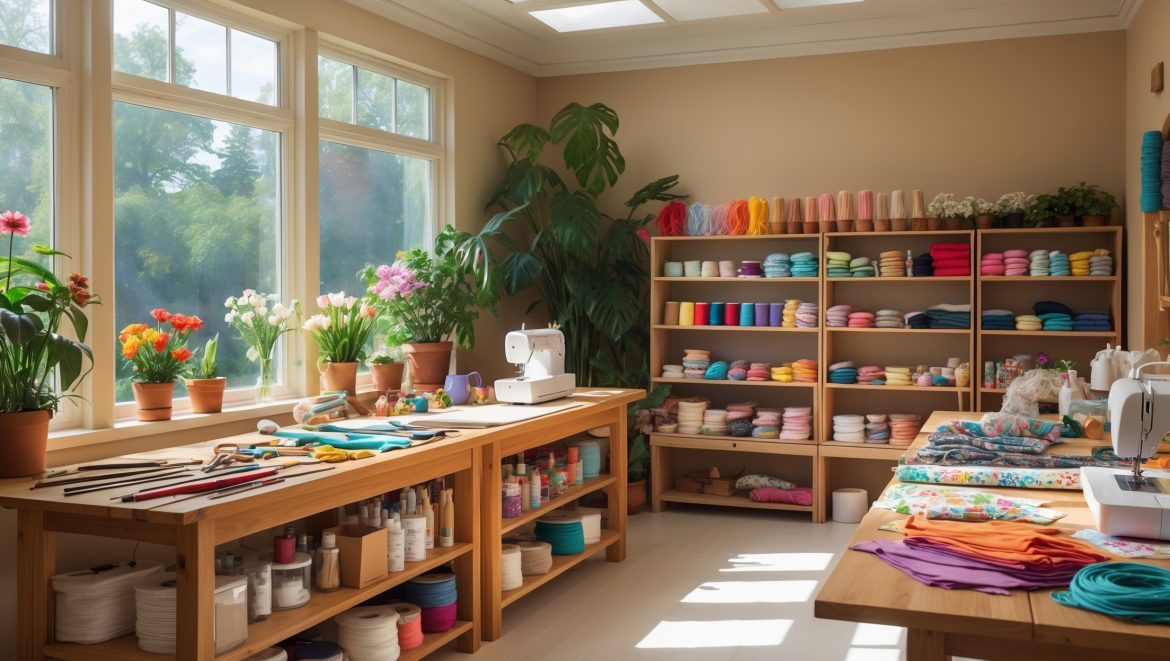
Introduction: Busting Myths for Better DIY Craft Studios
Setting up your own DIY craft studio is an exhilarating adventure, filled with creative potential and dreams of countless projects taking shape. But in the sea of inspiration and advice found online, myths and misconceptions can quietly sabotage your progress—leading to wasted money, cramped workspaces, and even safety hazards. Many makers find themselves following outdated tips, believing shortcuts are good enough, or assuming success depends on expensive tools. These misunderstandings not only hinder your productivity but can also dampen your creative spirit.
This in-depth guide is your myth-busting companion for building a craft studio that truly works for you. We’ll expose the most common myths circulating in the DIY and creative community, from workspace design to tool choices, storage, safety, and more. Each section will clarify fact from fiction, offering practical, experience-backed advice to help you make informed decisions. Whether you’re carving out a small corner for hobbies or transforming an entire room into a creative haven, let’s ensure your setup is built on solid ground—not crafty fables.
Myth #1: “Bigger Studios Guarantee Better Creativity”
The Myth Unpacked
Many aspiring crafters believe that more space automatically means more productivity and inspiration. The dream of a sprawling, Pinterest-worthy studio can overshadow practical considerations.
The Reality
Well-designed small studios often outperform larger, poorly organized ones. Creativity thrives in spaces tailored to your workflow—regardless of square footage. Large studios can quickly become cluttered and overwhelming without intentional layout planning.
- Small studios encourage efficiency: You’re more likely to keep only what you need, minimizing distractions and clutter.
- Personalization matters: A cozy, well-lit nook can inspire just as much as a converted garage or basement.
- Workflow-first design: Prioritize proximity of tools, storage, and work surfaces—not just floor space.
Pro Tip
Use mobile storage carts, fold-down tables, and vertical shelving to maximize any space. Measure twice, plan carefully, and focus on how you want to work—not how much space you have.
Myth #2: “Only Expensive Tools Are Worth Owning”
The Myth Unpacked
There’s a pervasive belief that only premium, professional-grade tools deliver quality results. This myth can intimidate beginners and drain budgets unnecessarily.
The Reality
Many affordable tools perform exceptionally well, especially for hobbyists and small-scale projects. It’s more important to buy reputable brands, learn correct tool care, and invest in upgrades when your needs demand it.
- Start with essentials: Identify which tools you’ll use most often. Invest in quality for these, but don’t splurge on specialized items you might rarely use.
- Test before you invest: Borrow or rent tools for trial runs before committing to big purchases.
- Maintenance trumps price: A well-maintained mid-range tool can outperform a neglected high-end one.
Pro Tip
Prioritize versatility. Tools with multiple functions stretch your budget further and save storage space.
Myth #3: “Natural Light Is Optional—Any Lighting Will Do”
The Myth Unpacked
Some believe that as long as the studio is lit, the type or source of light doesn’t matter. This can lead to eye strain, color distortion, and fatigue.
The Reality
Natural light is invaluable for crafts involving color, detail, and long hours. Artificial lighting should mimic daylight as closely as possible, using high-CRI (Color Rendering Index) bulbs. Poor lighting can cause mistakes and diminish enjoyment.
- Natural light: Position your workspace near windows if possible. Use sheer curtains to diffuse harsh sunlight.
- Artificial supplementation: Use adjustable task lighting with daylight bulbs for evening work or windowless spaces.
- Layered lighting: Combine ambient, task, and accent lighting for comfort and flexibility.
Pro Tip
Test your lighting with sample projects and color swatches before finalizing your setup.
Myth #4: “Organization Systems Are One-Size-Fits-All”
The Myth Unpacked
Many guides promote ‘perfect’ storage solutions that supposedly work for everyone. In reality, each craft and crafter is unique.
The Reality
Organization should support your personal workflow and the specific materials you use. What works for a jewelry maker may not suit a painter or fiber artist.
- Assess your habits: Are you a visual organizer (like open shelving) or do you prefer hidden storage?
- Modular systems: Opt for storage that adapts as your projects and supplies evolve.
- Label everything: Clear labeling reduces search time and frustration, especially in shared or multi-use studios.
Pro Tip
Start with temporary, flexible storage before committing to built-ins. Your needs will evolve with your craft.
Myth #5: “Ventilation Doesn’t Matter Unless You’re Using Chemicals”
The Myth Unpacked
It’s easy to overlook ventilation if your crafts don’t seem hazardous—like papercraft, sewing, or beading. But all studios benefit from good airflow.
The Reality
Even crafts without strong fumes generate dust, fibers, and heat. Stale air can worsen allergies, dull your focus, and contribute to tool wear.
- Air quality basics: Use an oscillating fan, open windows, or install a basic exhaust vent.
- Dust management: HEPA air purifiers capture fine particles—especially important for woodworking, sanding, or textile work.
- Humidity control: Excess moisture can warp supplies and damage electronics; consider a dehumidifier where needed.
Pro Tip
Monitor air quality with a basic sensor. Good air supports creativity and comfort in every studio.
Myth #6: “Safety Gear Is Only for Power Tools”
The Myth Unpacked
Hand tools and “gentle” crafts are often considered low-risk. This leads to skipping safety gear like goggles, gloves, or dust masks.
The Reality
Many common injuries—cuts, burns, eye irritation—occur with hand tools, glues, paints, or even hot glue guns. Allergic reactions to certain materials and repetitive strain injuries are also frequent.
- Protective eyewear: Always use when cutting, sanding, or working with adhesives.
- Gloves: Essential for hot tools, dyes, and sharp materials.
- Ergonomics: Adjustable chairs, anti-fatigue mats, and wrist supports prevent chronic injuries.
Pro Tip
Keep a first aid kit and fire extinguisher within reach. Don’t let routine breed complacency.
Myth #7: “You Must Tidy Up After Every Session”
The Myth Unpacked
Some believe that a truly productive maker always leaves their workspace spotless. While cleanliness is important, this myth can pressure creators unnecessarily.
The Reality
Daily deep cleaning isn’t always practical or necessary. Instead, prioritize tidying in stages. Clear major work surfaces, contain messes, and set up quick resets for your most-used zones.
- End-of-project resets: Fully clean and reorganize between major projects, not every day.
- Quick cleans: Use trays or bins to corral loose materials at the end of a session.
- Routine checks: Schedule weekly or monthly deep cleans for tools and flooring.
Pro Tip
Embrace a “clean enough” philosophy—your studio should support your creativity, not stifle it with perfectionism.
Myth #8: “All Craft Studios Need the Same Utilities”
The Myth Unpacked
Many assume every studio requires plumbing, high-voltage outlets, or complex climate controls. This can deter those with limited resources.
The Reality
Most crafts can thrive with basic utilities. Adapting your projects to your space—rather than vice versa—often leads to more sustainable, affordable setups.
- Water: Needed only for wet crafts (painting, dyeing, ceramics). For others, a nearby bathroom or portable wash station suffices.
- Electricity: Only essential for power tools and strong lighting. Extension cords or surge protectors can expand reach safely when needed.
- Climate control: Fans and portable heaters meet most needs; full HVAC is rarely required for hobby-scale studios.
Pro Tip
Prioritize upgrades only if your craft demands it or your comfort is consistently compromised.
Myth #9: “Digital Organization Isn’t Necessary for Hands-On Crafts”
The Myth Unpacked
Some crafters think digital apps and cloud storage are for digital artists or businesses only. This myth leaves many struggling with lost patterns, project notes, and supply lists.
The Reality
Even hands-on makers benefit from digital tools. Simple apps can track inventory, manage inspiration boards, and document project progress—saving time and frustration.
- Inventory management: Use spreadsheets or dedicated apps to track supplies and tools.
- Project tracking: Note deadlines, patterns, and measurements digitally for easy reference.
- Inspiration organization: Digital pinboards (like Pinterest or Trello) keep ideas accessible and prevent idea overload.
Pro Tip
Back up your digital records regularly. Even a simple system can dramatically streamline your creative process.
Myth #10: “Craft Studios Don’t Need Insurance or Legal Considerations”
The Myth Unpacked
If you’re not running a full-fledged business, it’s tempting to skip insurance, permits, or liability checks. This myth can leave you exposed in case of accidents or property damage.
The Reality
Even hobbyists benefit from reviewing insurance policies, especially if you sell crafts, teach workshops, or invite others into your studio. Renter’s or homeowner’s insurance may not cover studio-specific risks.
- Insurance review: Talk to your provider about coverage for tools, materials, and liability.
- Permits: Check local regulations if you plan to sell crafts or host classes, even occasionally.
- Document safety: Keep records of your setup and safety measures—especially if you share your space online or with guests.
Pro Tip
Consult a local expert or online maker community for advice specific to your region and craft.
Conclusion: Build Your Studio on Facts, Not Fiction
Craft studios are as diverse as the creators who fill them. The journey from vision to reality is dotted with choices—each one influenced by the information you trust. By debunking these common myths, you can approach your DIY studio setup with clarity, confidence, and a focus on what truly matters: supporting your creativity in a safe, enjoyable, and practical space.
Remember, there’s no single formula for the perfect studio. The best spaces evolve through experimentation, honest assessment of your needs, and a willingness to question popular advice. Invest in what serves your unique workflow, prioritize comfort and safety, and don’t be swayed by glossy images or one-size-fits-all solutions. Embrace digital tools if they ease your process, but don’t neglect the tactile joys that drew you to crafting in the first place.
Most importantly, let your studio grow alongside your skills. Start simple, stay curious, and revisit your setup regularly. As you separate fact from fiction, you’ll build a workspace that not only reflects your personality but also empowers your best creative work—project after project.
The myths we’ve debunked here are just a starting point. Connect with fellow makers, share your discoveries, and keep learning—because in DIY crafts, there’s always room to grow smarter and more inspired, one fact-based decision at a time.
The article mentions that expensive tools aren’t necessary for success, but how do I figure out which basic tools are really essential for a beginner’s studio setup?
To decide which basic tools are essential, start by considering the types of projects you want to make. Most beginners do well with a quality pair of scissors, a cutting mat, a ruler, multipurpose glue, and a set of craft knives. As your skills grow, you can add more specialized tools based on your needs and interests.
You mention that small studios can actually be more efficient than large ones if organized well. Could you give some concrete tips or examples on layout choices that work best for maximizing a tiny workspace?
Absolutely! For tiny studios, using vertical space with shelves or pegboards keeps tools accessible without crowding your work surface. Multipurpose furniture, like fold-down tables, helps maximize flexibility. Creating dedicated zones for different tasks, even with tape or small dividers, reduces clutter and streamlines workflow. Compact rolling carts are also great for moving supplies around as needed.
If I’m on a limited budget and don’t have much room, what are the most important safety considerations I should focus on when setting up a DIY studio at home?
When setting up a DIY studio in a small space on a budget, focus on good ventilation, especially if you use paints or adhesives that release fumes. Always store sharp tools and chemicals safely, and keep your workspace tidy to prevent accidents. Make sure you have access to a fire extinguisher and a first aid kit nearby.
When you talk about avoiding outdated advice for setting up a craft studio, are there any common organizational products or tools you feel are overrated or unnecessary for beginners starting out?
For beginners setting up a craft studio, items like expensive label makers, specialty storage bins, or elaborate drawer organizers can often be unnecessary. Simple containers, shelves, and clear jars from around the house usually work just as well when you’re getting started. It’s better to grow your organization system as your needs become clearer with experience.
If I only have a small corner to work with, what are a couple of the most common mistakes that can lead to cramped or unsafe conditions in a DIY studio?
One common mistake in a small DIY studio is overcrowding the space with too many supplies or furniture, which can make it difficult to move safely. Another issue is poor organization—leaving tools or cords in walkways can create trip hazards and clutter. Prioritizing storage solutions and keeping your workspace tidy helps maximize both safety and comfort.
I love the idea of prioritizing workflow over just having more space, but how do I figure out which part of my process needs to be closest at hand? Are there common mistakes people make when planning this?
To decide what should be closest at hand, try walking through a typical project step by step and note where you pause or search for supplies most often. People often over-prioritize storage for rarely used items, so focus on keeping your everyday tools and materials easily accessible. Revisit your setup after a few projects and adjust as needed.
After busting the myth that bigger is better, what first steps do you suggest for personalizing a tiny studio to really boost inspiration and workflow efficiency?
Start by focusing on vertical storage and modular furniture to make the most of limited space. Choose a color palette and decor that spark your creativity. Organize your tools and materials within easy reach using shelves, pegboards, or carts. Setting up defined zones for different tasks, even in a small area, can also help streamline your workflow.
I have a pretty tiny corner in our living room to dedicate to crafting—what are some specific organizational tips to keep that small space feeling functional and not overwhelmed with clutter?
Try using vertical storage like wall-mounted shelves or pegboards to save floor space, and opt for clear bins or drawers so you can easily see supplies. Keep only your most-used tools within arm’s reach, and store seasonal or rarely used items in labeled containers. A folding table or rolling cart can add flexible workspace and tuck away when not needed.
If a small, well-organized studio can be better than a big cluttered one, what are the most common mistakes people make when trying to scale up their craft rooms, and how can we avoid them?
One common mistake is adding lots of storage or supplies without a clear plan, which leads to clutter. People also tend to overestimate how much space they need and underestimate the importance of efficient organization. To avoid this, expand gradually, prioritize tools you truly use, and regularly reassess your layout to keep it functional and tidy.
I’m curious if you have advice for people working with a limited budget when setting up a DIY craft space. Are there affordable organization solutions you recommend to keep smaller studios functional?
Absolutely, setting up a craft space on a budget is possible and can be quite fun. Consider using repurposed containers like jars, boxes, or tins for organizing small items. Wall-mounted shelves, pegboards, or hanging baskets can help maximize space without a big investment. Dollar stores often have bins and organizers that work well for craft supplies, too.
Your point about workflow-first design over studio size makes sense. Could you share some practical examples of organizing a smaller craft corner to maximize efficiency, especially for those who do multiple types of crafts?
Absolutely! In a small craft corner, using modular storage like clear bins or drawers helps keep supplies for different crafts separate and easy to find. Vertical shelving and pegboards make the most of wall space for hanging tools or materials. A folding table or rolling cart can add flexible workspace, and labeling everything saves time when switching between projects like sewing, painting, or paper crafts.
You talk about workflow-first design being more important than studio size. What’s a good process for figuring out the best layout for my personal crafting habits before moving furniture or buying new storage?
Start by listing the activities you do most often and noting the tools you use for each. Try working in your space for a week, jotting down what feels awkward or convenient. Sketch a simple floor plan and use sticky notes or tape to mark different zones before moving anything. This way, you can test different setups and adjust your layout to fit your workflow before making permanent changes or purchases.
Have you noticed any common pitfalls parents fall into when setting up shared craft areas for both adults and children, and how can these be avoided?
One common pitfall is not separating adult tools from children’s supplies, which can lead to safety issues. Another is overlooking accessible storage for kids, causing clutter or frustration. To avoid these, keep sharp or hazardous items out of reach, designate kid-friendly bins or shelves, and set clear rules for shared use and cleanup.
I’m always battling clutter in my small craft corner. You mention small studios can be more efficient—could you share some practical organization tips or storage solutions that actually work in tight spaces?
Absolutely! In tight craft spaces, vertical storage is key—consider wall-mounted shelves, pegboards for tools, and clear bins stacked up rather than out. Use drawer organizers for small supplies and repurpose jars or tins for buttons and beads. Keeping only essentials within reach and storing seasonal or less-used items elsewhere can also help maintain a tidy, efficient workspace.
If I’m planning to set up a studio in our basement, are there specific safety measures I should be considering that people often overlook when setting up their craft spaces?
When setting up a basement craft studio, it’s easy to overlook good ventilation, especially if you use paints or glues. Make sure your space has proper airflow to avoid fumes building up. Also, check for adequate lighting, install smoke detectors, and keep flammable materials securely stored away from heat sources. Lastly, address any dampness to prevent mold.
Could you give some practical tips on how to efficiently organize a very small craft space so it feels inspiring, not cramped, especially if you have to use a shared area like a dining room corner?
To maximize a small craft space in a shared area, choose storage that can be easily tucked away, like rolling carts or stackable bins. Use vertical space with wall-mounted shelves or pegboards for tools. Keep only essentials at hand, rotating supplies based on projects. Add a personal, inspiring touch like a small mood board or colorful containers to make the corner feel creative rather than cluttered.
After reading about the myths around big studios, I’m reconsidering converting my whole guest room. Would you recommend starting with just a corner setup at first, or is it better to dedicate a whole room from the start?
Starting with a dedicated corner setup is a smart idea, especially if you’re new to crafting or unsure how much space you’ll really need. This way, you can see how often you use the area and what materials or equipment you reach for most. If you find yourself outgrowing the space, you can always expand into the whole room later.
I’ve always thought I needed lots of expensive tools to get serious about crafting. Does your myth-busting guide offer advice on how to prioritize which tools are truly essential, especially when working on a budget?
Absolutely, the guide addresses the assumption that you need to invest heavily in tools to be a dedicated crafter. It highlights which basic tools are most versatile and suggests how to select only what you’ll use most often, making it easier to build your toolkit gradually without overspending.
When you mention that small studios can actually encourage efficiency, could you share any specific organization strategies or layout tips for making the most out of a limited space?
Small studios can maximize efficiency by using vertical storage, like wall-mounted shelves and pegboards, to keep supplies accessible without taking up floor space. Mobile carts or stackable bins help organize materials and can be tucked away when not in use. Keeping only essential tools within reach and creating dedicated zones for different tasks also helps keep the workflow smooth in a compact area.
I always thought you needed tons of expensive tools to be successful at crafting, but the article says that’s a myth. What are the must-have tools for someone just getting started without breaking the bank?
You definitely don’t need a huge collection of pricey tools to start crafting. Basic must-haves usually include good scissors, a glue gun, a ruler, a craft knife, and some paintbrushes. As you try different projects, you can slowly add more specialized tools, but starting simple helps you focus on creativity instead of spending a lot.
I’m just starting to set up my own studio on a tight budget. Are there particular investments that matter more than others when it comes to creating an efficient small space?
Focus on essentials that impact your daily workflow, like good lighting, sturdy work surfaces, and efficient storage solutions. Multi-purpose furniture or adjustable shelving can maximize limited space. Start with quality tools you’ll use most often, and gradually add specialized items as your needs and projects grow.
You mention intentional layout planning for large studios. Are there any common mistakes people make when trying to organize a bigger space for crafts?
Yes, in larger craft studios, people often underestimate the importance of workflow and accessibility. Common mistakes include placing frequently used tools too far apart, not allowing enough open workspace, and overcrowding storage areas. It also helps to avoid dedicating too much space to rarely used supplies. Planning stations for different tasks and keeping essentials within easy reach can make the space much more efficient.
You mentioned that a cozy nook can inspire creativity just as much as a big room. How do I know what kind of lighting is best for a small workspace, especially if I don’t have a window?
For a small workspace without natural light, opt for bright but diffused lighting, like LED desk lamps or overhead fixtures with a daylight color temperature (around 5000K). Avoid harsh direct bulbs; instead, use soft white shades or adjustable lamps to reduce glare and eye strain. Layering a couple of light sources can help create a warm, inviting atmosphere.
You mention that expensive tools aren’t necessary for a creative setup. How can I figure out which tools are truly essential for a beginner so I don’t overspend when starting out?
Start by focusing on the basics: choose tools that match the type of crafts you want to try first. For example, simple scissors, glue, a cutting mat, and a few versatile brushes are often enough. Ask yourself what projects you want to tackle, then list only the materials needed for those. As you gain experience, you’ll notice which tools you reach for most often and can add more specialized items gradually.
I’m planning on converting just a corner of my bedroom into a craft area. What are some common safety hazards to look out for in such a small, multipurpose setup?
In a small bedroom craft area, watch for hazards like cluttered surfaces leading to tripping or fire risks, improper storage of sharp tools and adhesives, and poor ventilation when using paints or glues. Keep electrical cords organized and ensure there’s enough lighting. Storing materials safely and keeping your workspace tidy can help minimize accidents.