
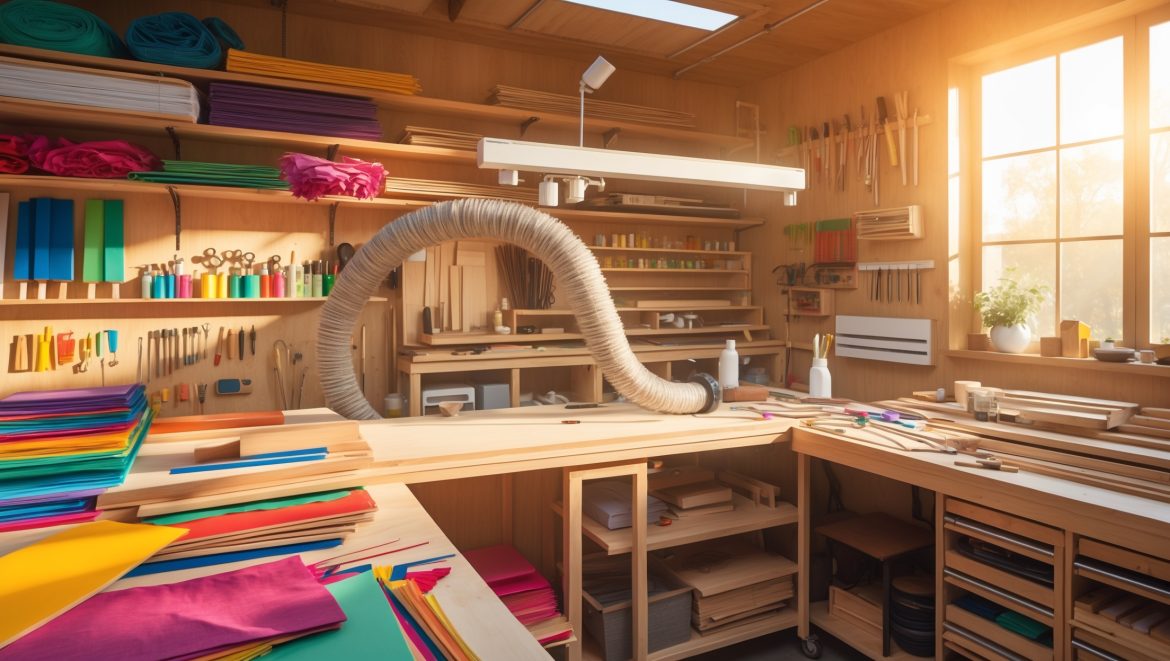
Introduction: Why Dust Management Matters in DIY Craft Studios
If you’ve ever spent a long day in your craft studio sanding, cutting, or even just working with various fibers, you know how quickly dust can invade your creative sanctuary. Fine wood dust, paper shreds, fabric fibers, glitter, and even dried paint particles can accumulate quietly, impacting not just the longevity of your tools and projects, but also your health. More than a cleaning nuisance, persistent dust can irritate your lungs, trigger allergies, and even pose fire risks if left unchecked. For DIYers and crafters, maintaining studio air quality is every bit as important as keeping your supplies organized.
Yet, many creators underestimate the complexity of dust control. While vacuuming and sweeping help, they’re not enough for busy workspaces where dust is generated daily. A thoughtfully designed dust management system can transform your studio, protecting your projects from contamination, extending the life of your tools, and ensuring you can breathe easy—even after hours of creative work. This comprehensive guide will walk you through the design, installation, and maintenance of a DIY dust management system tailored for craft studios of all sizes and specialties. Whether you work with wood, fabric, paper, or mixed media, you’ll learn practical, step-by-step solutions to keep your air clean, your surfaces pristine, and your inspiration flowing.
Understanding Dust Sources in Craft Studios
Common Dust-Generating Activities
- Woodworking: Cutting, sanding, drilling, and sawing generate fine wood dust that lingers in the air and settles on surfaces.
- Paper Crafting: Paper trimmers, punches, and die-cutting machines create paper chaff and dust.
- Textile Work: Cutting, tearing, and sanding fabric or batting release fibers and lint.
- Painting & Finishing: Sanding painted surfaces, mixing dry pigments, and handling glitters release airborne particles.
- Ceramics & Clays: Dry clay and glaze powders can become airborne during mixing or sanding.
Types of Studio Dust and Their Risks
- Fine dust: Inhalable, can cause respiratory irritation or long-term health issues.
- Coarse debris: Can clog tools, damage electronics, and contaminate projects.
- Combustible dust: Wood, paper, and fabric dust can be a fire hazard when accumulated.
Planning Your DIY Dust Management System
Step 1: Assess Your Space and Needs
Begin by mapping out your studio and identifying all dust-generating stations. Note the types of materials you work with and the volume of dust each activity produces. For small studios, a portable system may suffice, while larger or multi-use spaces might need a network of collection points.
Step 2: Set Your Dust Management Goals
- Keep airborne dust to a minimum.
- Prevent dust buildup on surfaces, tools, and electronics.
- Ensure easy maintenance and adaptability as your craft needs change.
Step 3: Budget and Sourcing
Dust management systems can be built on any budget. Decide what you can allocate for:
- Cyclone separators or shop vacuums
- HEPA filters or air purifiers
- Hoses, ducting, and blast gates
- Collection bins and sealing supplies
Check local hardware stores, online marketplaces, and upcycling sources for deals. Remember, even a basic setup is better than none.
Key Components of an Effective Studio Dust Management System
1. Source Capture: Getting Dust at the Source
- Tool Attachments: Many power tools and machines have dust ports for direct connection to vacuums or hoses. Universal adapters are available for odd-sized ports.
- Downdraft Tables: For sanding or finishing, a simple box with a perforated top connected to a vacuum pulls dust downward as you work.
- Enclosed Workstations: Use acrylic shields or small enclosures to contain dust-prone tasks like sanding or glitter use.
2. Collection: Transporting Dust Safely
- Ducting and Hoses: Flexible hoses (2.5–4″ diameter) can be routed to each workstation. Use quick-connect fittings for versatility.
- Blast Gates: These manually operated gates allow you to direct suction to the station in use, preserving vacuum power and reducing noise.
- Central Collectors: A shop vacuum or small dust collector can serve multiple stations if properly routed.
3. Filtration: Cleaning the Air
- HEPA Filters: Capture fine particles that pass through standard filters, crucial for health and safety.
- Air Scrubbers: Standalone units filter ambient air, helpful for studios with high dust loads or poor ventilation.
- DIY Box Fan Filters: Attach a MERV-13 furnace filter to a box fan for a budget-friendly air cleaner.
4. Containment and Disposal
- Sealed Collection Bins: Use metal or heavy-duty plastic bins to collect dust safely and prevent leaks.
- Easy Access: Design bins for quick emptying to prevent overflow and clogs.
- Safe Disposal: Bag dust before throwing away, especially if it contains hazardous materials (e.g., treated wood, glazes).
Step-by-Step: Building Your DIY Dust Management System
Step 1: Select a Collection Unit
The heart of your system is the suction source. For most craft studios, a good-quality shop vacuum (10–16 gallon, 4+ hp) is powerful, affordable, and adaptable. For larger studios, consider a dedicated dust collector with a cyclone separator for maximum efficiency and less frequent filter changes.
Step 2: Plan and Install Ductwork
- Sketch your studio layout, marking each dust source.
- Measure hose runs—keep them as short and straight as possible to maintain suction.
- Use smooth-walled hoses or PVC ducting for minimal airflow resistance.
- Secure hoses with clamps or brackets to keep walkways clear.
Step 3: Add Blast Gates and Tool Ports
- Install blast gates at each branch to control suction where needed.
- Use quick-release couplers for portable tools or workstations that move.
- Label each gate for easy use.
Step 4: Integrate Filtration
- Upgrade your vacuum or collector with a HEPA filter if it doesn’t already have one.
- Add a secondary air purifier or DIY box fan filter for general air cleaning.
- Position air scrubbers high in the room for best effect, as dust tends to rise and circulate.
Step 5: Design Your Collection Bin System
- Choose a bin size based on your dust output and available space.
- Seal all connections with silicone caulk or weatherstripping to prevent leaks.
- Consider clear bins or sight windows to easily monitor fill level.
Step 6: Test and Tweak
- Run your system with each tool to check for suction and air leaks.
- Adjust hose lengths and blast gate positions for optimal performance.
- Monitor noise levels; add insulation to reduce sound if necessary.
Maintenance Best Practices for Studio Dust Systems
Daily and Weekly Tasks
- Empty collection bins before they’re full to maintain suction.
- Wipe down hoses and tool ports to prevent buildup.
- Check and clean pre-filters on vacuums and air scrubbers weekly.
Monthly and Seasonal Tasks
- Inspect hoses for cracks or leaks.
- Replace or wash HEPA and furnace filters per manufacturer guidelines.
- Vacuum behind and under equipment to catch stray dust.
- Test blast gates and moving parts for smooth operation.
Deep Cleaning and Upkeep
- Schedule a quarterly system check for all connections, seals, and collection bins.
- Disinfect bins and hoses if you work with organic or hazardous materials.
- Document maintenance in a log—this helps track filter changes and detect patterns of wear.
Smart Upgrades and Studio Innovations
Automating Dust Collection
- Remote Switches: Wireless switches let you control your vacuum or collector from anywhere in the studio.
- Tool-Activated Outlets: These smart outlets power up your dust collector automatically when you turn on a connected tool.
Advanced Filtration and Air Quality Monitoring
- Air Quality Monitors: Small, affordable devices alert you to rising dust levels, so you know when to run scrubbers or open windows.
- Electrostatic Filters: For added protection, consider adding an electrostatic filter to capture even finer particles.
Space-Saving Tips for Small Studios
- Mount vacuums and dust collectors on shelves or in under-bench cabinets.
- Use retractable hose reels for easy storage and tidy work areas.
- Consolidate multiple small tools onto a single dust port with a manifold and blast gates.
Studio Dust Safety: What Every Crafter Should Know
Personal Protective Equipment (PPE)
- Always use N95 (or better) masks when sanding or working with fine powders.
- Wear safety glasses to prevent eye irritation from floating fibers or dust.
Ventilation Matters
- Supplement your dust system by opening windows or using exhaust fans during high-dust activities.
- Never block vents or overstuff your studio—air needs to circulate to carry away fine particles.
Fire Hazard Awareness
- Do not let dust accumulate near electrical outlets, heaters, or open flames.
- Empty bins frequently, and avoid mixing dust from different materials that may react.
Case Study: DIY Dust Management in a Multi-Medium Craft Studio
Studio Profile: 180 sq ft, woodworking and fiber arts, 3 main workstations.
- Shop vacuum with a cyclone separator mounted on a rolling cart; hoses routed overhead and along walls.
- Blast gates at each station: one for the miter saw, one for the sanding table, and one for the sewing/fabric cutting area (to manage lint and threads).
- HEPA air purifier near the center of the room, replaced every three months.
- DIY box fan filter in the far corner to keep ambient dust down during long sessions.
- Weekly emptying of bins and filter checks logged on a whiteboard for accountability.
Results: Noticeably cleaner air, less dust on finished projects, and fewer allergy symptoms for the studio owner. The system cost under $350 using a mix of new and salvaged parts.
Conclusion: Breathe Easy and Create More
Installing an effective dust management system may not be the most glamorous studio upgrade, but it’s one of the most impactful investments you can make for your health, creativity, and project quality. Cleaner air leads to clearer thinking and longer, more enjoyable crafting sessions. Your tools will last longer, your finishes will be smoother, and you’ll spend less time cleaning up and more time making.
Remember: dust management is not a one-time project, but an ongoing commitment to your workspace and wellbeing. Start simple if you must—a single hose and a quality filter can make a difference. As your studio evolves, so can your system, with new collection points, smarter controls, or more advanced filtration. Every improvement you make will pay dividends in the form of a healthier studio and happier creative experiences. Take the time to map out your needs, invest in good components, and stay diligent with maintenance. Your lungs, your tools, and your art will thank you.
Breathe easier, create more, and let your craft studio truly be a place of inspiration and joy—not dust and distractions.

How involved is the installation process for a DIY dust management system in a smaller craft space? I want to plan my project, so knowing the typical timeframe and any major challenges would be helpful.
Installing a DIY dust management system in a small craft space is generally manageable for a motivated DIYer. You can expect the process to take a weekend, depending on the complexity of your setup. Key steps include planning airflow, installing ductwork and fittings, and positioning your dust collector. Major challenges might be routing ducts efficiently in tight areas and sealing connections for optimal suction. Careful measurement and a clear layout plan will help things go smoothly.
I noticed you highlighted glitter and dried paint particles as dust sources. Are there any additional steps or precautions you recommend for managing these finer or more stubborn materials beyond a standard dust control setup?
Absolutely, for tricky materials like glitter and dried paint particles, consider using a HEPA-filter vacuum or air purifier, as they capture finer particles better than standard filters. Also, wet-wiping surfaces instead of dry dusting helps prevent these tiny particles from becoming airborne. Regularly emptying vacuum bags and cleaning filters is important too.
How long did it take you to design and install your dust management setup from start to finish? Just trying to figure out what kind of time investment to expect for a project like this.
From planning and designing to the final installation, the whole dust management system took me about two weekends to complete. That includes researching components, sourcing materials, building the enclosure, and setting everything up. If you have your materials ready and a clear plan, you could probably finish in two to three days of focused work.
You mentioned that vacuuming and sweeping aren’t enough for busy studios. What specific features should a DIY dust management system have beyond just a shop vac or basic air purifier?
A DIY dust management system should include features like a central dust collection unit with powerful suction, ductwork to connect multiple workstations, and blast gates to control airflow where needed. Consider adding a cyclone separator to capture larger debris before it reaches the filter, and use high-efficiency filters to trap fine particles for cleaner air.
Do you have any suggestions for controlling lint and fine fibers when cutting and tearing fabrics? My regular cleanup routine doesn’t seem to keep it from landing on my other projects.
To manage lint and fine fibers, try using a dedicated cutting mat and keep a handheld vacuum or lint roller nearby to clean up immediately after cutting. Consider air purifiers with HEPA filters positioned near your cutting area, and store works-in-progress in covered bins or zippered bags to prevent stray fibers from settling on them.
I noticed you talked about different dust sources like wood and clay—do I need a separate system for each kind of craft, or can a single setup handle multiple types of dust in one studio?
A single dust management system can usually handle multiple types of dust, including wood, clay, and fabric. The key is to use high-quality filters, like HEPA or fine particle filters, and regularly clean or replace them. Just make sure your system is powerful enough for your studio’s size and your most demanding craft activities.
If I’m renting and can’t do permanent installations, what temporary or portable dust management solutions have worked well for keeping studio air clean?
For renters, portable air purifiers with HEPA filters work really well for improving studio air quality. You can also use a shop vacuum with a fine dust filter attached to your main tools. Flexible dust collection hoses and clip-on vent hoods are easy to set up and move, so you won’t need to make any permanent changes to your space.
The article mentions that vacuuming and sweeping aren’t enough for daily dust control. What sort of daily or weekly maintenance should a beginner plan for once the dust management system is installed? Not sure how much upkeep these systems need.
Once your dust management system is installed, daily maintenance is usually minimal—just check that collection bins aren’t full and clear any visible clogs in hoses or filters. Weekly, it’s a good idea to empty collection bins and inspect the system for leaks or loose fittings. Filter cleaning or replacement is typically needed every few weeks, depending on usage. This routine helps maintain strong airflow and efficient dust capture.
I noticed you mentioned that dust from different sources behaves differently, like fine wood dust versus heavier paper chaff. Does your DIY system use the same filtration method for all types, or do you recommend separate approaches for each material?
The DIY system described in the article uses a combination of filtration methods that handle most common craft studio dust types, including both fine wood dust and heavier paper chaff. However, if you work mostly with one material, you might consider tailoring your setup. For example, a HEPA filter is great for fine dust, while a pre-filter or cyclone separator helps trap larger bits like paper chaff before they reach the main filter.
Some of my projects involve glitter, which seems to get everywhere and is tough to filter out. Are there any specific tips in your dust management approach for dealing with really fine or static-charged particles like glitter?
Glitter and other fine, static-charged particles can be especially tricky. In addition to a good HEPA-rated filter, consider using an air purifier near your work area. Anti-static wipes or sprays on surfaces and vacuums with anti-static hoses can help capture glitter more effectively. Regularly cleaning surfaces and using a sticky lint roller also helps catch stray particles.
The article mentions fire risks from unchecked dust. Does your system include any specific features or steps to help prevent those hazards, especially around electric equipment?
Yes, the system addresses fire risks by using anti-static hoses and grounding wires to reduce static build-up around electric equipment. The setup also recommends regular cleaning of filters and ductwork to prevent dust accumulation, which can be flammable. Keeping dust collection bins emptied frequently further reduces the risk near electrical tools.
You mention that normal sweeping and vacuuming isn’t enough for busy studios. Is there a particular type of air filtration system you recommend for dealing with fine fabric fibers and glitter particles?
For handling fine fabric fibers and glitter, a HEPA air filtration system is highly recommended. HEPA filters are designed to capture very small particles, making them effective for studio environments. You might also consider combining a HEPA air purifier with a downdraft table or localized extraction near cutting and crafting areas for maximum dust control.
How do you recommend handling dust from really fine materials like glitter and dry pigments that seem to stay airborne longer than wood or paper dust in a small studio?
Fine materials like glitter and dry pigments are definitely tricky since they linger in the air. Try using an air purifier with a HEPA filter in addition to your main dust collection. Wet-wiping surfaces and cleaning with a damp cloth instead of sweeping helps trap fine particles. Also, wearing a mask while working with these materials can protect your lungs.
You mentioned that dust can be a fire risk if left unchecked. Can you give more details on which types of craft dust are especially dangerous and what extra steps I should take for safety?
Certain craft dusts are particularly hazardous, like fine wood dust, sawdust from MDF (which can contain adhesives), and dust from flammable materials like fabric or paper. These can become airborne and pose fire or explosion risks, especially near electrical equipment. For safety, use a well-sealed dust collection system, empty collection bags regularly, avoid letting dust accumulate in corners or outlets, and never let dust build up around heat sources.
I work mainly with fabric and paper in my craft room, and I’m wondering if I need the same level of dust management as someone who does woodworking. Are there different recommendations or setups for these types of materials?
For fabric and paper crafts, you typically don’t need as heavy-duty dust management as woodworking requires. Simple solutions like regular vacuuming, using an air purifier, and keeping your workspace organized should be sufficient. If you occasionally cut or sand wood, consider a small dust extractor, but for your main materials, lighter dust control is adequate.
For someone who only has a small corner in their apartment for crafting, are there compact dust control solutions that still address multiple sources like paper, fabric, and paint particles?
Absolutely, there are compact solutions suitable for small apartment corners. Consider using a tabletop air purifier with a HEPA filter—it will help capture fine particles from paper, fabric, and paint. Additionally, a small desktop fan with a filter attachment or a portable vacuum with fine dust filters can target messes right at their source without taking up much space.
How long did it take you to fully design and install a DIY dust management system for your studio? Was there a big learning curve for beginners?
Designing and installing the DIY dust management system took about two weekends from start to finish. As a beginner, there was definitely a learning curve, especially understanding airflow and choosing the right filters, but taking it step by step made it manageable. Researching and planning ahead really helped simplify the process.
I often work with glitter and tiny paper cuttings that seem to escape every filter. Do you have troubleshooting advice for managing these smallest particles beyond standard shop vacs or air purifiers?
For glitter and fine paper particles, try using a combination of a HEPA-rated air purifier and a downdraft table, which pulls small debris downward as you work. Also, regularly wipe surfaces with a damp microfiber cloth to trap lingering particles, and consider using a tacky mat at your studio entrance to prevent spreading.
How much time and effort does it usually take to install a complete dust management system for a medium-sized craft studio? I’m trying to figure out if this is a weekend project or something more involved.
For a medium-sized craft studio, installing a complete dust management system usually takes about one to two days, depending on your setup and experience with tools. Most users can complete it over a weekend if they’ve already gathered supplies and planned the layout. Allow extra time if you need to make adjustments or add custom features.
I noticed you mention that persistent dust can even pose fire risks in craft studios. Can you explain a bit more about how that happens and which materials are most risky in this regard?
Persistent dust in craft studios can become a fire risk because fine particles, especially from wood, paper, or certain fabrics, are highly combustible. When dust accumulates, a spark from equipment or static electricity can ignite it, leading to a flash fire. Wood dust is particularly risky, but lint from textiles and fine paper dust also pose similar hazards.
For someone with a limited budget, are there specific dust management strategies or DIY solutions you recommend for textile work and paper crafting that still make a noticeable difference in air quality?
Absolutely, you can make a big improvement on a budget. For textile and paper crafting, try using a box fan fitted with a standard furnace filter to help trap airborne dust. Regularly vacuum with a HEPA filter, use damp cloths to wipe surfaces, and consider creating a simple dust hood out of cardboard or foam board for particularly dusty tasks. These steps are affordable and can noticeably boost your air quality.
I noticed the article mentions both health risks and fire hazards from dust buildup in studios. Are there certain types of craft dust that are more dangerous than others in terms of flammability or allergies?
Yes, some types of craft dust are riskier than others. Fine wood dust is highly flammable and can even explode in certain conditions. Dust from materials like MDF or synthetic fabrics can also cause strong allergic reactions or respiratory issues. Always check material safety data and use appropriate dust collection and filtration for the materials you work with most.
Can you recommend specific types of air filters or purifiers that work best for capturing both fine wood dust and lighter fibers from textile work in a small home studio?
For a small home studio, consider using a HEPA air purifier, as HEPA filters are excellent at trapping both fine wood dust and textile fibers. Brands like Honeywell or Coway offer compact units that work well in tight spaces. Make sure to get a model rated for your studio’s size and check that it has a pre-filter to catch larger particles.
We do a lot of painting and woodworking in my home studio, and I struggle with both glitter and wood dust getting everywhere. Are there specific dust management solutions you recommend for multi-purpose studios where different materials are used back-to-back?
For multi-purpose studios like yours, consider combining a shop vacuum with a HEPA filter, a portable air purifier, and a downdraft table for sanding or painting. Use dedicated extraction arms or hoods at workstations, and keep a regular cleaning schedule. Switching to tack mats by doorways also helps minimize tracking glitter and dust around the studio.