
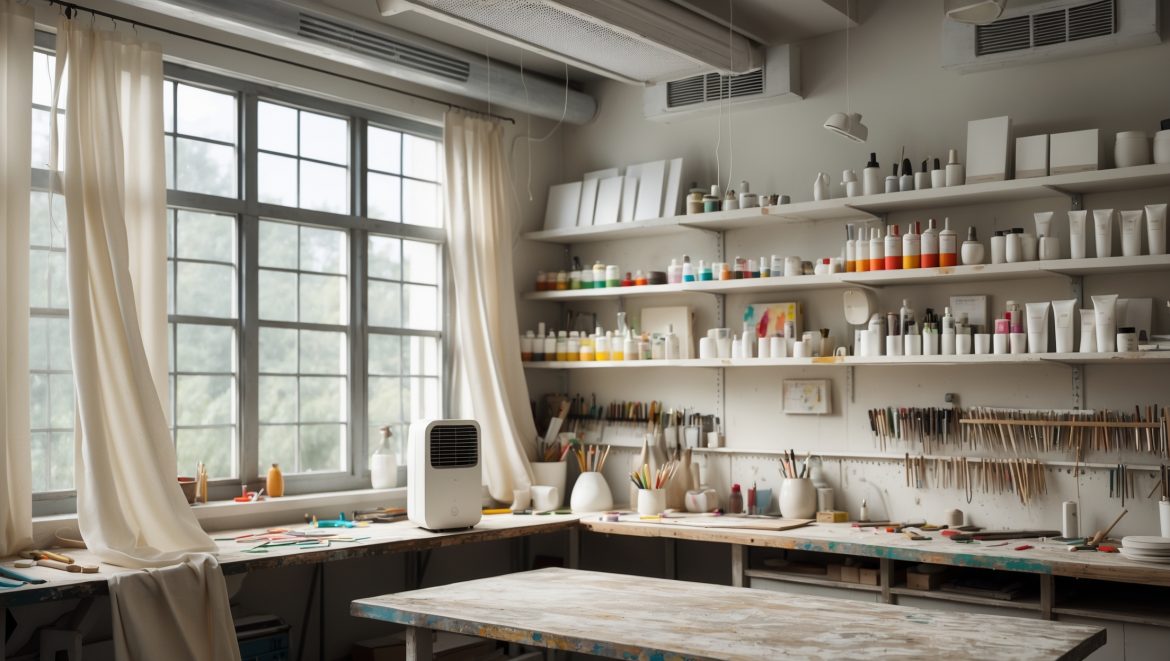
Every DIY craft studio is a hive of creativity, color, and invention. But beneath the surface of paints, glues, and saws, there’s an often-overlooked component that can make or break your creative experience: ventilation. Whether you’re melting wax, sanding wood, using solvent-based paints, or simply working with lots of paper and fabric, the air quality in your studio directly affects your health, your finished projects, and your long-term enjoyment of the space. Yet, many crafters underestimate the risks of poor airflow—until headaches, musty odors, or even respiratory issues crop up.
In this guide, we’ll dive deep into essential ventilation solutions tailored specifically for DIY craft studios. You’ll learn how to identify your unique air quality needs, choose and install the right systems, and maintain a comfortable, safe, and inspiring workspace. We’ll cover everything from portable air purifiers to robust exhaust setups, with practical advice for budgets large and small. If you want to avoid stale air, lingering fumes, and hidden health hazards, this is your go-to resource for keeping your creative sanctuary fresh and healthy all year long.
Why Ventilation Matters in DIY Craft Studios
Understanding the Risks of Poor Air Quality
Craft studios can quickly accumulate airborne contaminants: paint fumes, fine dust, glue vapors, and even mold spores from damp materials. Without proper ventilation, these pollutants linger, leading to:
- Headaches and fatigue
- Eye, nose, and throat irritation
- Worsened allergies or asthma
- Long-term respiratory issues
- Decreased project quality due to dust and moisture
Benefits of Good Ventilation
- Improved air quality and healthier breathing
- Odor and fume control
- Better drying and curing conditions for paints, glues, and finishes
- Reduced dust settling on projects and tools
- Prevention of mold and mildew
Assessing Your Craft Studio’s Ventilation Needs
Identify Your Craft Activities and Materials
List the primary activities in your studio (e.g., painting, soldering, woodworking, gluing, textile work). Note which involve chemicals, dust, fumes, or moisture. For each activity, jot down:
- Typical duration and frequency
- Materials used (solvents, adhesives, finishes, etc.)
- Potential byproducts (dust, vapors, heat)
Evaluate the Room’s Natural Airflow
Consider the following:
- Number, size, and placement of windows and doors
- Presence of existing vents or HVAC registers
- Wall and ceiling insulation (affects moisture and temperature control)
- Is your studio in a basement, attic, garage, or separate outbuilding?
Common Ventilation Red Flags
- Persistent odors or stuffiness
- Condensation on windows
- Visible dust buildup on surfaces
- Rust or corrosion on metal tools
- Frequent headaches or allergy flare-ups while working
Ventilation Methods: Pros, Cons, and Practical Tips
1. Natural Ventilation: The Basics
Simply opening windows and doors is the easiest way to increase airflow. However, its effectiveness depends on weather, studio layout, and surrounding air quality.
- Pros: Low-cost, easy to implement, no installation required
- Cons: Ineffective in extreme weather, poor outdoor air, or windowless spaces
- Tips: Position workstations near windows; use doorstops and window locks to create steady cross-ventilation; install window screens to block insects and debris.
2. Exhaust Fans: Targeted Fume and Dust Removal
Exhaust fans pull contaminated air out of the studio and expel it outside. They’re ideal for spaces where you use strong-smelling chemicals, paints, or create fine dust.
- Types: Wall-mounted, ceiling-mounted, window insert, or portable ducted fans
- Pros: Highly effective at removing fumes and dust at the source
- Cons: Requires installation, may increase heating/cooling costs, can be noisy
- Tips: Install above or near the main workbench; choose fans rated for your studio’s square footage (look for CFM—cubic feet per minute); add a timer or remote switch for convenience.
3. Air Purifiers: Filtering the Invisible
HEPA and activated carbon air purifiers capture fine particles and neutralize odors. While they don’t replace the need for exhaust, they’re excellent for ongoing filtration.
- Pros: Easy setup, portable, effective for dust, pollen, and some fumes
- Cons: Limited effect on heavy chemical fumes, must replace filters regularly
- Tips: Choose a purifier with both HEPA and activated carbon filters; check the CADR (Clean Air Delivery Rate) to match your room size; place near your main work area.
4. Localized Extraction: Spot Solutions
For high-risk tasks (spray painting, soldering, resin casting), a localized extraction system—like a fume hood or downdraft table—captures and vents pollutants right at the source.
- Pros: Extremely effective for hazardous tasks, protects user directly
- Cons: Higher cost, may require professional installation, limited to specific tasks/areas
- Tips: Use portable fume extractors with flexible hoses for soldering or painting; ensure all ducting is sealed and vents outdoors, not into another room.
5. Make-Up Air: Balancing the Flow
If you’re exhausting large volumes of air (e.g., using a powerful exhaust fan), you’ll need to provide make-up air—fresh air coming in to replace what’s removed—otherwise you risk negative pressure, which can draw in dust, radon, or even backdraft combustion appliances.
- Pros: Maintains safe air pressure, improves exhaust efficiency
- Cons: May increase heating/cooling load, requires planning
- Tips: Install a passive vent or a small intake fan on the opposite wall from your exhaust; consider including an air filter in the intake to prevent pollen and dust.
Step-by-Step: Designing a Ventilation Plan for Your Studio
Step 1: Analyze Studio Layout
Draw a simple floor plan. Mark locations of windows, doors, electrical outlets, and your main work areas. Note the direction of prevailing breezes if possible.
Step 2: Identify High-Risk Zones
Highlight areas where fumes, dust, or moisture are most likely. Common hotspots include paint stations, soldering benches, and wood sanding areas.
Step 3: Select Appropriate Solutions
- For painting/gluing: Exhaust fan above workstation + air purifier
- For dust (woodworking/textiles): Shop vacuum with HEPA filter + exhaust fan
- For general crafting: Natural ventilation + portable air purifier
- For soldering/resin: Localized extraction + exhaust
Step 4: Plan for Make-Up Air
Ensure every exhaust system has a route for fresh air to enter, either through a vented window, passive vent, or intake fan.
Step 5: Install and Test
Follow manufacturer instructions for all devices. Test airflow using a ribbon or smoke stick: the air should move steadily from intake to exhaust, particularly near your main workstations.
DIY Ventilation Upgrades for Different Budgets
Low-Budget (<$100)
- Box fan in a window (blowing out)
- Strategic opening of windows and doors
- Basic portable air purifier (small room size)
- Weatherstripping around doors to reduce unwanted drafts
Mid-Range ($100–$500)
- Wall or window-mounted exhaust fan (vented outdoors)
- Larger, multi-stage air purifier (HEPA + carbon)
- Shop vacuum with HEPA filter for dust collection
- Passive make-up air vent with filter
High-End ($500+)
- Dedicated fume hood or downdraft table
- Multiple zone exhaust fans with variable speed control
- Fresh air intake with pre-filter and humidity control
- Integrated air quality monitoring system
Maintenance and Best Practices for Studio Air Quality
Regular Filter Replacement
- Check and replace air purifier and exhaust fan filters per manufacturer guidelines (usually every 3–6 months).
- Keep a spare set of filters on hand for uninterrupted use.
Keep Vents and Fans Clean
- Dust and vacuum intake/exhaust grilles monthly.
- Wipe down fan blades and housing to prevent buildup.
Monitor Humidity
- Use a hygrometer to track humidity. Aim for 40–55%.
- Run a dehumidifier if your studio tends to be damp (especially in basements).
Store Chemicals Properly
- Seal all paint, glue, and solvent containers tightly after use.
- Store in a dedicated cabinet with ventilation (never near heat sources).
Air Out After Major Projects
- After using strong chemicals, leave fans running and windows open for at least 30 minutes.
- Consider running your air purifier on high for an hour after finishing.
Advanced Tips: Monitoring and Automation
Install an Air Quality Monitor
Smart air quality monitors track particulate matter (PM2.5), VOCs (volatile organic compounds), humidity, and temperature. Set alerts for high pollutant levels so you can act quickly.
Automate Fan and Purifier Operation
- Use smart plugs or timers to run exhaust fans during and after crafting sessions.
- Set air purifiers to auto mode based on air quality readings.
Integrate with HVAC (If Applicable)
If your studio is part of a larger home HVAC system, consult a professional about adding dedicated returns or in-line HEPA filtration to protect both your workspace and the rest of your home.
Frequently Asked Questions
Do I need ventilation if I only do paper crafts?
Even simple crafts can create dust, especially with cutting tools or adhesives. While needs are lower, it’s still wise to ensure some airflow to keep the environment comfortable and safe.
Can I run an exhaust fan into my attic or another room?
No. Always vent exhaust fans directly outdoors. Venting into other spaces can spread pollutants, moisture, and odors, causing bigger problems down the line.
How often should I clean my air purifier?
Check pre-filters monthly and replace main filters every 3–6 months, or as recommended. Clogged filters reduce efficiency and can re-emit dust.
Is it safe to use a portable air conditioner as ventilation?
Some portable AC units double as exhaust fans if vented properly. However, they don’t filter fumes or dust like a dedicated purifier or exhaust system. Combine with other solutions for best results.
Conclusion: Invest in Your Creative Wellbeing
Ventilation might not be the first thing you dream about when envisioning your perfect craft studio, but it’s absolutely foundational to a safe, productive, and joyous creative practice. By paying attention to airflow, air quality, and pollutant removal, you protect your health, preserve your materials and tools, and create an environment that truly inspires.
Every studio is different, so take time to assess your specific risks and needs. Whether you’re opening a window, installing a robust exhaust system, or adding a smart air purifier, each step you take brings you closer to a space that supports your passions for the long haul. Don’t wait for headaches or musty smells to remind you—make ventilation a core part of your DIY setup from day one. Your lungs, your art, and your future self will thank you for it.
Ready to breathe new life into your creative space? Start with one small upgrade today, and enjoy the fresh, invigorating results every time you step into your studio.


You mentioned both portable air purifiers and robust exhaust systems as ventilation solutions. For someone working in a small apartment studio with limited window space, which option would be more effective and easier to maintain?
In a small apartment studio with limited window space, a portable air purifier is generally more effective and much easier to maintain. It requires no installation, works well in confined areas, and only needs regular filter changes. Exhaust systems often need window access and more setup, which might not be practical for your situation.
I use a lot of solvent-based paints and hot glue in my small basement craft area, and I’ve noticed headaches after long sessions. Would a portable air purifier be enough, or should I invest in a more permanent exhaust system?
A portable air purifier can help with general dust and some odors, but it won’t effectively remove the fumes from solvent-based paints and hot glue. For your situation, a permanent exhaust system that vents air directly outside is much more effective at keeping the air safe and reducing symptoms like headaches.
What are some warning signs that your current ventilation isn’t adequate, especially if you start noticing subtle symptoms like musty smells but don’t see visible dust or mold?
Musty smells, headaches, fatigue, or lingering chemical odors are all early signs your studio’s ventilation might not be working well, even if you don’t see dust or mold. Other warning signs include condensation on windows, stale air, or materials taking longer to dry. If you notice these, it’s a good idea to improve airflow or add exhaust fans.
If my studio is in a basement with limited windows, what are the best ways to prevent musty odors and mold without doing major renovations? Does the guide offer specific advice for tricky spaces like that?
The article does cover tips for challenging spaces like basement studios. It suggests using portable air purifiers with HEPA filters, running a dehumidifier to control moisture, and installing exhaust fans if possible. Regularly airing out the space and keeping materials dry are also recommended to prevent odors and mold, without needing major renovations.
For those of us on tight budgets, are there specific DIY ventilation solutions you recommend for controlling fumes from solvent-based paints without having to do major renovations?
A cost-effective option is to use a portable window fan set to exhaust air outwards while you work, drawing fumes outside. You can also add a simple DIY fume hood using a large cardboard box and a flexible duct leading to a window. Always work near open windows and keep doors open for cross-ventilation. These solutions help manage fumes without major renovations.
When you mention using portable air purifiers versus exhaust setups, how do you decide which is more effective for dealing with paint fumes and wood dust specifically? Are there situations where both are needed at the same time in a home craft studio?
Portable air purifiers are good for capturing fine particles like wood dust and some airborne chemicals, but exhaust setups are usually more effective at removing paint fumes because they push contaminated air outside. If your craft studio involves both painting and woodworking, using both an exhaust system (for fumes) and a purifier (for dust) together is often the best approach for cleaner air.
For a space where I do both woodworking and fabric crafts, do I need separate ventilation solutions for dust and fumes, or can one system handle both effectively?
In a studio where both woodworking and fabric crafts are done, it’s best to use a combined approach. A high-quality ventilation system with good filtration (like a HEPA filter) can handle fine dust and most fumes, but for heavy woodworking dust, a dedicated dust collection system is also recommended. This two-part setup ensures both dust and fumes are removed effectively, keeping your space safe and comfortable.
You mentioned headaches and musty odors as warning signs of poor ventilation. Are there specific types of air quality monitors you recommend for a DIY studio to catch issues before they become noticeable?
Yes, there are air quality monitors designed for home use that can help catch issues early. Look for monitors that can detect particulate matter (PM2.5), volatile organic compounds (VOCs), humidity, and carbon dioxide (CO2). Brands like Airthings, Awair, and IQAir offer models that track these indicators, alerting you to changes in air quality before symptoms or odors appear.
The article mentions budgets large and small, but what are some of the most affordable yet effective ways to improve ventilation in a small craft studio without a lot of windows?
Some affordable and effective ways to boost ventilation in a small craft studio with limited windows include using portable fans to create airflow, setting up a window exhaust fan if you have any window space at all, or installing a door vent to encourage cross-ventilation. You can also consider air purifiers with HEPA filters for additional air quality improvement.
Is there an affordable way to upgrade an older basement studio with better airflow without doing major renovations? I’m concerned about both budget and ease of installation.
You can improve airflow in your older basement studio without major renovations by using portable solutions like window fans or air purifiers with HEPA filters. Adding a dehumidifier can also help control moisture and air quality. Look for fans that can be set up in windows or doorways to encourage cross-ventilation. These options are budget-friendly and easy to install.
If my craft studio is in a basement with just one small window, what ventilation solution would you recommend for controlling both fumes from paints and moisture that causes mold?
With just one small window in your basement studio, a window-mounted exhaust fan would help remove fumes and moisture efficiently. Pair this with a portable dehumidifier to keep humidity in check and prevent mold. For added safety, always use low-VOC paints and keep the fan running during and after your projects.
Do you have recommendations for affordable ventilation options that are effective in smaller craft studios, especially if I work with both fabric and solvent-based paints?
For smaller craft studios, a combination of a window exhaust fan and a portable air purifier with a HEPA and activated carbon filter works well. The exhaust fan helps remove fumes and dust, while the purifier tackles fine particles and odors from both fabric work and solvent-based paints. Also, consider a tabletop fume extractor if you work with paints regularly.
For someone on a tight budget, what would be the most cost-effective way to handle both dust from sanding and paint fumes in a DIY studio?
To manage both dust and paint fumes on a budget, use a basic box fan fitted with a high-quality furnace filter to capture dust from sanding. For paint fumes, ensure good airflow by opening windows and using a second fan to exhaust air outdoors. Wearing a mask rated for particulates and fumes can also help protect your health.
Could you provide more specifics about maintaining a ventilation system in a craft studio? For instance, how often should filters be changed or equipment be checked if I use my studio weekly?
If you use your craft studio weekly, it’s a good idea to check your ventilation filters every 2–3 months and replace them as needed, or at least every 6 months. Inspect fans and ductwork for dust buildup at the same interval, and clean or vacuum vents to keep airflow strong. Annual professional servicing is also recommended for more complex systems.
If I already have a basic exhaust fan, do I still need an air purifier for dust and fumes? I want to make sure my paint finishes cure properly and avoid lingering odors but don’t want to overcomplicate my setup.
An exhaust fan is great for removing fumes and helping paint dry, but it may not capture fine dust or all odors. An air purifier with a HEPA and activated carbon filter can help reduce airborne particles and lingering smells. Using both together ensures a fresher, healthier studio without much added complexity.
I sometimes get headaches while working on bigger projects with multiple materials. Are there warning signs that my studio’s air quality is no longer safe, even if I can’t smell anything unusual?
Yes, poor air quality can affect you even if you don’t notice any unusual smells. Common warning signs include headaches, dizziness, fatigue, or irritation of your eyes, nose, or throat. If you experience these, it’s a good idea to improve ventilation immediately, take breaks outside, and consider using an air quality monitor for added safety.