
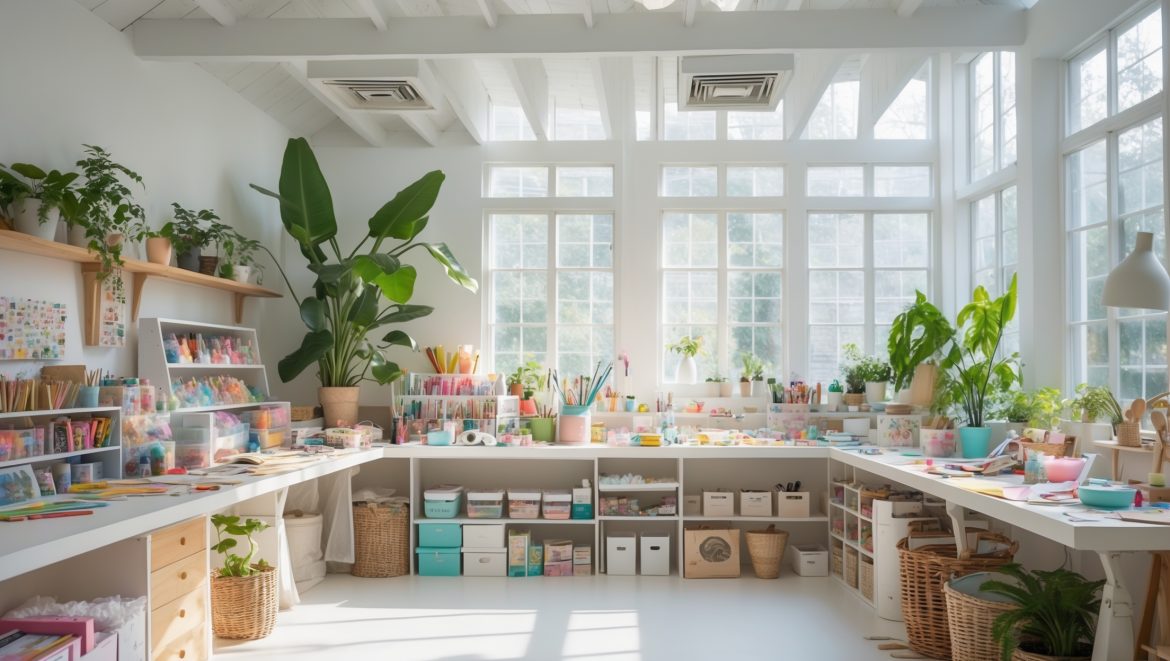
Introduction: Why Ventilation Matters in Your DIY Craft Studio
When it comes to DIY, crafts, and creative living, most makers focus on tools, materials, and inspiring décor. But there’s an unsung hero of every great craft studio: proper ventilation. Whether you work with paints, adhesives, wood, or textiles, the air you breathe can affect your health, your creativity, and the longevity of your projects. Poor ventilation can lead to a buildup of fumes, dust, and humidity—common byproducts of crafting activities. Over time, these can trigger allergies, asthma, headaches, and even long-term respiratory issues. On top of health concerns, inadequate airflow can damage your supplies, warp finished pieces, and cause persistent odors that linger in your workspace. This comprehensive guide covers everything you need to know to optimize air quality in your DIY craft studio, from understanding common air hazards to implementing effective ventilation solutions—ensuring your creative space is as safe and inspiring as your imagination.
Understanding Air Quality Risks in Craft Studios
Common Culprits: What Pollutes Studio Air?
Before improving air quality, it’s essential to know which pollutants you might encounter in a craft studio:
- Volatile Organic Compounds (VOCs): Found in paints, adhesives, varnishes, and many solvents. VOCs can cause eye, nose, and throat irritation, and long-term exposure may impact your nervous system.
- Fine Particulate Matter: Generated by sanding, cutting, drilling, or working with textiles. These tiny particles can be inhaled deep into the lungs, exacerbating respiratory problems.
- Mold and Mildew: High humidity and poor airflow can encourage mold growth, which can trigger allergies and degrade materials.
- Odors: Persistent chemical or organic smells not only make your space unpleasant but indicate lingering pollutants.
- Combustion Byproducts: If you use soldering irons, wood burners, or other heat tools, carbon monoxide and other hazardous gases can accumulate.
Signs Your Studio Needs Better Ventilation
- Lingering chemical or musty odors after crafting sessions
- Visible dust accumulation on surfaces
- Condensation on windows or walls
- Frequent headaches, coughing, or allergy symptoms during or after crafting
- Mold spots on walls, ceilings, or around windows
If you notice any of these issues, your studio’s air quality may be putting your health and work at risk.
Types of Ventilation: Mechanical vs. Natural
Natural Ventilation
Natural ventilation relies on windows, doors, and vents to allow fresh air to circulate. It’s low-cost, energy-efficient, and easy to implement—but it depends on weather conditions and studio layout.
- Pros: Free, simple to use, brings in fresh air
- Cons: Limited control; may not be sufficient for heavy fumes or dust
Mechanical Ventilation
Mechanical systems use fans, air purifiers, and HVAC systems to actively move and filter air. They provide consistent results and can address specific pollutants.
- Pros: Effective at removing pollutants, works regardless of season or weather
- Cons: Upfront cost, requires maintenance, may increase energy use
Assessing Your Studio: A Step-by-Step Air Quality Audit
1. Evaluate Your Crafting Activities
List all materials and processes you use. Are you frequently painting, gluing, soldering, or sanding? The more hazardous the activity, the more robust your ventilation needs to be.
2. Check Your Current Airflow
- Open all windows and doors—does air move freely through the space?
- Are there areas where air feels stagnant or humid?
- Do you have exhaust fans, air vents, or ceiling fans installed?
3. Identify Problem Zones
- Look for corners, closets, or storage areas where air can stagnate.
- Check for dust or mold buildup on window sills or in HVAC vents.
- Note any areas where odors linger after crafting sessions.
4. Test Humidity and Air Quality
Purchase an indoor air quality monitor or a digital hygrometer. Ideal indoor humidity is between 30–50%. High readings or spikes during crafting indicate the need for dehumidification or increased ventilation.
Optimizing Natural Ventilation in Your Craft Studio
Strategic Window Placement
If you’re designing or remodeling your studio, position workstations near operable windows. Cross-ventilation—when air can flow from one side of the room to the other—is especially effective. Open windows on opposite sides of the space whenever possible to create a breeze that carries pollutants away.
Door and Vent Use
- Keep internal doors open during crafting sessions to allow airflow.
- Add vent grilles to interior doors if privacy is needed but airflow is lacking.
- Consider installing passive wall vents in windowless rooms to allow air exchange.
Weather Considerations
Natural ventilation is less effective in extreme temperatures or during high pollen or pollution days. Use pollen screens on windows during spring and fall. In winter, try short, frequent bursts of ventilation to keep the space fresh without losing too much heat.
Mechanical Solutions for Superior Air Quality
Exhaust Fans
Install a wall- or window-mounted exhaust fan above your primary work area. Choose a fan rated for chemical fumes if you use solvent-based products. Make sure the fan exhausts to the outdoors, not into an attic or another room.
Portable Air Purifiers
HEPA air purifiers are essential for reducing fine particles and dust. For chemical fumes, look for models with an activated carbon filter. Place the purifier near your work zone for best results, and change filters regularly per manufacturer instructions.
Dedicated Fume Extractors
If you solder, burn wood, or use resin, invest in a desktop fume extractor. These units use powerful fans and filters to capture hazardous fumes at the source. Always point the exhaust out a window or connect to a duct leading outdoors.
Dehumidifiers
In humid climates or basement studios, run a dehumidifier to keep humidity under 50%. This helps prevent mold and keeps supplies in optimal condition.
HVAC Upgrades
- Add a fresh air intake to your HVAC system if possible.
- Upgrade to high-MERV filters (minimum MERV 11) to trap more particles.
- Schedule regular HVAC maintenance to prevent mold and dust buildup.
DIY Ventilation Projects: Practical Tutorials
Installing a Window Exhaust Fan
- Step 1: Measure your window to ensure a good fit for your chosen fan.
- Step 2: Remove the windowpane or open the sash; install the fan according to manufacturer instructions, sealing gaps with weatherproofing strips.
- Step 3: Plug in the fan and test airflow by holding a strip of tissue in front of the vent.
Building a DIY Air Purifier
- Materials: Box fan, high-quality furnace filter (MERV 13 or higher), duct tape.
- Step 1: Attach the filter to the intake side of the fan, ensuring a tight seal.
- Step 2: Run the fan while working to capture dust and particles.
- Step 3: Change the filter every 2–3 months or more frequently for heavy use.
Setting Up a Cross-Ventilation System
- Step 1: Place a box fan in a window blowing outward to exhaust air.
- Step 2: Open a window or door on the opposite side of the room to allow fresh air to enter.
- Step 3: Use a second fan to help direct air toward the exhaust for larger or oddly shaped rooms.
Air-Quality Enhancing Studio Habits
Smart Storage Solutions
Store paints, solvents, and adhesives in airtight containers, preferably in a metal cabinet. Consider a dedicated outdoor storage shed for large quantities of chemicals.
Regular Cleaning Routines
- Vacuum floors and surfaces with a HEPA-filtered vacuum weekly.
- Damp-wipe surfaces after dusty projects to prevent particles from becoming airborne again.
- Declutter frequently to reduce dust-trapping zones.
Project Planning
Schedule work with strong fumes or dust for times when you can maximize ventilation, and avoid combining multiple high-emission projects in one session.
Indoor Plants for Air Quality
Certain robust indoor plants (such as spider plants, peace lilies, and snake plants) can help absorb some VOCs and improve humidity. While they’re not a substitute for mechanical ventilation, they’re a great supplement and add a touch of green to your creative space.
Monitoring and Maintenance: Keeping Your Air Clean
Routine Checks
- Test air quality monitors monthly and replace batteries as needed.
- Inspect fans, filters, and vents for dust or buildup every two weeks.
- Check for signs of moisture, mold, or mildew after rain or humid spells.
Filter Replacement Schedule
- HEPA air purifier filters: every 6–12 months (or as indicated by manufacturer)
- Carbon filters: every 3–6 months for heavy chemical use
- Furnace/HVAC filters: every 1–3 months, especially during allergy season
Deep Cleaning
Undertake a thorough deep clean of your studio every quarter. This includes washing windows, wiping down walls, emptying storage bins, and checking for hidden dust or mold behind furniture and shelving.
Ventilation Solutions for Small, Windowless, or Shared Spaces
Small Spaces
For compact craft rooms, use portable air purifiers, mini exhaust fans, and keep doors open during use. Avoid using large quantities of high-VOC products.
Windowless Studios
- Install a through-the-wall exhaust fan that vents outdoors.
- Use an air-to-air heat exchanger for fresh air exchange without losing heat.
- Rely heavily on HEPA and carbon air purifiers.
Shared or Multipurpose Spaces
- Ventilate thoroughly after each session before others use the space.
- Store chemicals safely out of reach of children or pets.
- Use portable solutions that can be moved or stored when not in use.
Frequently Asked Questions
How do I know if my craft studio’s air quality is safe?
The best approach is to use a combination of air quality monitors (for particulates, VOCs, and humidity) and your own observations. If you ever feel dizzy, develop new allergies, or notice persistent odors, improve ventilation immediately.
Can I just use a regular fan instead of an exhaust or air purifier?
Regular fans only circulate air—they don’t remove pollutants. Always use exhaust fans or purifiers with appropriate filters for effective air cleaning.
What if I rent and can’t install permanent ventilation?
Portable air purifiers, desktop fume extractors, and DIY box fan filters are all renter-friendly options. Use open windows and doors whenever possible, and focus on source control (limiting use of high-emission products).
Conclusion: Breathe Easy and Create with Confidence
Your craft studio is your sanctuary—a space for creativity, productivity, and joy. But without proper ventilation and air quality management, even the most beautifully organized studio can become a hidden health hazard. The good news is that with a combination of smart habits, practical upgrades, and regular maintenance, you can transform your space into a healthy, inspiring haven. From opening windows and using HEPA filters to installing exhaust fans and practicing safe storage, every step you take dramatically improves the safety and comfort of your creative environment. Not only will you protect your health, but you’ll also preserve your supplies, prevent costly damage to your projects, and ensure that your studio is always ready for your next burst of inspiration. Prioritize clean air as much as you prioritize your tools and materials—your body, your art, and your future self will thank you for it. Breathe easy, and let your creativity soar.


If my craft studio doesn’t currently have windows, what are some realistic ways to reduce lingering odors and humidity without undertaking major renovations? I’d love some actionable tips for renters.
You can reduce odors and humidity in a windowless studio by using a good quality air purifier with a HEPA and activated carbon filter, which helps trap particles and smells. Plug-in dehumidifiers are renter-friendly and will control moisture. Also, consider using portable exhaust fans that vent through a door or hallway, and keep your workspace tidy by regularly removing trash and cleaning up materials.
Could you clarify how often I should run a ventilation system during and after working with things like adhesives or varnish? Is there a guideline for how long fumes can linger in a small workspace?
When using adhesives or varnish, it’s best to keep your ventilation system running the entire time you’re working and for at least 30–60 minutes afterward. In small spaces, fumes can linger for an hour or more, so running ventilation a bit longer helps ensure air quality is safe before you re-enter or close up your studio.
Could you share some tips for optimizing air quality in older homes or converted spaces where installing new ventilation might not be straightforward?
Improving air quality in older homes or converted studios can be done by using portable air purifiers with HEPA filters, keeping windows open when possible to encourage cross-ventilation, and sealing gaps to reduce dust. Regularly cleaning work areas, using low-VOC materials, and adding indoor plants can also help maintain fresher air without major renovations.
I’m just starting to set up a small craft nook in my basement and have noticed it gets pretty humid. Will a dehumidifier alone be enough to prevent mold, or do I need some kind of exhaust fan as well?
A dehumidifier is a great first step and will help control humidity, which is important for preventing mold. However, in a basement craft nook, pairing the dehumidifier with some form of exhaust fan or ventilation can be even more effective. Good airflow, alongside humidity control, helps remove fumes from crafting and keeps the air fresh.
You mentioned that poor airflow can lead to lingering odors and even damage materials. What are some early warning signs that my current ventilation isn’t adequate for my crafting activities?
Some early signs of inadequate ventilation include persistent odors that don’t clear up after crafting, a stuffy or humid feeling in the room, condensation on windows, and visible dust buildup. You might also notice irritation in your eyes, nose, or throat more frequently. Keeping an eye on these clues can help you address airflow problems before they affect your materials or health.
You mention mold and mildew due to high humidity and poor airflow. How often should I check for these issues, and are there any specific signs I should look out for in a craft studio?
It’s wise to check for mold and mildew every couple of weeks, especially in humid seasons or after using water-based supplies. Look for musty odors, discolored spots on walls, ceilings, or storage bins, and any unexplained condensation. Early detection helps you fix ventilation issues before they become bigger problems.