
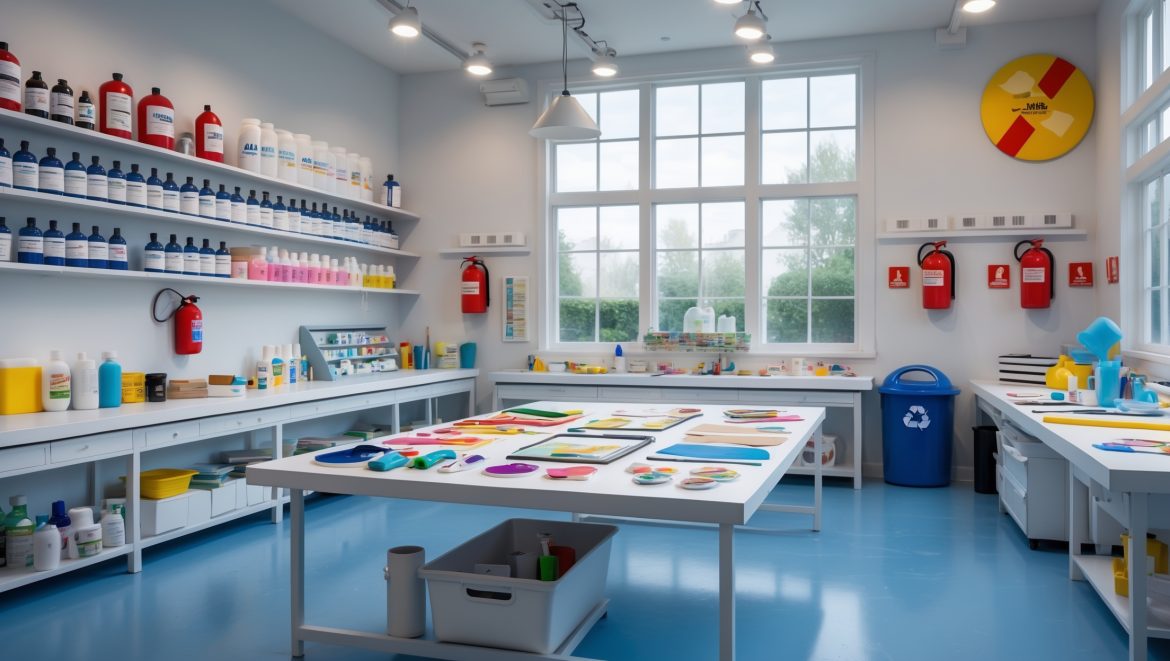
Introduction: Why Chemical Safety Matters in Your DIY Craft Studio
The world of DIY crafts is vibrant, imaginative, and hands-on, but it also sometimes involves materials that require thoughtful handling—especially chemicals. Whether you’re a resin artist, a printmaker, a woodworker using solvents, or a candle maker experimenting with dyes and fragrances, your craft studio may house substances that pose risks if improperly managed. Chemical safety isn’t just for industrial labs; it’s essential for every creative working with paints, adhesives, cleaners, solvents, or finishing agents. This comprehensive guide demystifies chemical handling in the DIY craft studio, equipping you with actionable steps to protect your health, creative projects, and workspace. From storage solutions and safety gear to emergency response and compliance, you’ll learn how to craft confidently—knowing your studio is as safe as it is inspiring.
Understanding Chemicals in the DIY Craft Studio
Common Chemicals and Their Risks
- Resins and Hardeners: Can cause skin and respiratory irritation; some are toxic if inhaled.
- Solvents (acetone, mineral spirits, alcohol): Flammable, can cause headaches, dizziness, or harm with prolonged exposure.
- Acrylic, Oil, and Spray Paints: May contain volatile organic compounds (VOCs); inhalation can be hazardous.
- Adhesives (epoxy, super glue, wood glue): Some release fumes or cause burns; skin contact can be dangerous.
- Cleaning Agents (bleach, ammonia): Corrosive, can produce toxic gases if mixed; harmful to eyes, skin, and lungs.
- Finishing Agents (varnishes, stains): Often flammable and emit harmful vapors; some ingredients are carcinogenic.
- Dyes and Pigments: Fine powders can be inhaled; some are toxic or allergenic.
Reading Labels and Safety Data Sheets (SDS)
- Labels: Always check for hazard symbols, warnings, and instructions before use.
- Safety Data Sheets: Download or request SDS for each chemical. They detail hazards, safe handling, storage, and emergency procedures.
Never use an unfamiliar chemical without reviewing its label and SDS. These documents are your first defense against accidental exposure or misuse.
Smart Storage: Keeping Your Studio Safe and Organized
General Storage Principles
- Store chemicals in original containers with labels intact.
- Keep incompatible substances (e.g., acids and bases, oxidizers and flammables) separate.
- Use well-sealed, non-reactive containers for decanted or custom-mixed chemicals—label them clearly with contents and date.
Dedicated Storage Solutions
- Flammable Cabinets: Store solvents, alcohols, and flammable paints in a steel, ventilated flammables cabinet.
- Locked Cabinets: Keep hazardous chemicals out of reach of children and pets.
- Secondary Containment: Place bottles on chemical-resistant trays or in bins to contain spills.
Environmental Controls
- Store away from direct sunlight and heat sources.
- Maintain a dry, cool, and well-ventilated area.
- Never store chemicals above eye level or in areas prone to flooding.
Personal Protective Equipment (PPE) Essentials
What You Need
- Gloves: Nitrile or chemical-resistant gloves for handling resins, solvents, and dyes.
- Eye Protection: Chemical splash goggles (not just safety glasses) for mixing or pouring liquids.
- Respirators: Use a properly-fitted mask with the correct cartridges for fumes, dusts, or vapors. Basic surgical masks do not offer chemical protection.
- Aprons or Lab Coats: Chemical-resistant aprons protect skin and clothing.
- Ventilation: Use fans, open windows, or a local exhaust system when working with volatile substances.
Proper PPE Usage Tips
- Inspect PPE for damage before each use.
- Replace disposable gloves after each session or if they become damaged.
- Remove PPE before leaving the studio to avoid contaminating other areas.
Safe Handling Procedures: From Mixing to Disposal
Mixing Chemicals
- Work in a well-ventilated area with a flat, stable surface.
- Measure carefully; do not mix more than you need.
- Add chemicals slowly to prevent splashes or violent reactions.
- Never eat, drink, or smoke while handling chemicals.
Transferring and Pouring
- Use funnels and pipettes for accuracy.
- Wipe up drips and spills immediately.
- Close containers promptly after use.
Disposal of Chemical Waste
- Do not pour chemicals down the drain or throw them in regular trash.
- Store waste in labeled, sealed containers.
- Contact your local hazardous waste facility for disposal instructions.
- Never mix different types of chemical waste.
Emergency Preparedness: Responding to Spills and Exposures
Spill Response Steps
- Ventilate the area immediately.
- Don appropriate PPE (gloves, goggles, respirator if needed).
- Contain the spill with absorbent material (kitty litter, commercial pads).
- Clean up with disposable towels; avoid spreading the spill.
- Dispose of cleanup materials as hazardous waste.
- Report large or dangerous spills to local authorities.
First Aid for Chemical Exposure
- Skin Contact: Rinse with running water for at least 15 minutes. Remove contaminated clothing.
- Eye Contact: Rinse eyes with clean water for at least 15 minutes, holding lids open. Seek medical attention if irritation persists.
- Inhalation: Move to fresh air immediately. Seek help if symptoms persist.
- Ingestion: Do not induce vomiting. Call poison control or emergency services.
Emergency Equipment Checklist
- Eyewash station or eyewash bottles
- First aid kit
- Fire extinguisher (rated for chemical fires)
- Spill kit with absorbents, gloves, waste bags
- Emergency contact numbers posted visibly
Labeling, Documentation, and Compliance
Labeling Best Practices
- Every container—original or decanted—should be labeled with chemical name, hazards, and date opened.
- Use waterproof, smudge-resistant labels.
- Color-code for quick hazard recognition (e.g., red for flammable, yellow for corrosive).
Documentation: Keeping Track of Your Chemicals
- Maintain an up-to-date inventory of all chemicals in your studio.
- Keep SDS for every substance in a binder or digital folder.
- Log purchases, usage, and disposal dates.
Local Regulations and Permits
- Check municipal rules on storing, using, and disposing of chemicals—especially flammables and solvents.
- Some areas require permits for large volumes or specific substances.
- Review waste disposal requirements to avoid fines or environmental harm.
Ventilation: Your First Line of Defense
Types of Ventilation
- Natural Ventilation: Open windows and doors to allow air exchange. Use box fans to direct fumes out of the workspace.
- Local Exhaust: Install a fume hood, downdraft table, or ducted exhaust fan near your work area.
- Air Purifiers: Use units with activated carbon filters for VOC removal—but remember, these do not replace proper ventilation.
Ventilation Best Practices
- Work closest to the exhaust source.
- Don’t block airflow with clutter or large equipment.
- Clean vents and filters regularly.
- Test airflow with a smoke stick or incense to ensure fumes are being carried away.
Routine Maintenance and Ongoing Safety Habits
Weekly and Monthly Safety Tasks
- Inspect chemical containers for leaks, corrosion, or expired contents.
- Wipe down storage areas and work surfaces with appropriate cleaners.
- Review PPE for wear and replace as needed.
- Test and restock spill kits and first aid supplies.
- Check ventilation systems for dust and obstructions.
Annual Safety Review
- Audit your chemical inventory—dispose of unneeded or expired materials properly.
- Update your SDS binder and emergency contact list.
- Review municipal compliance for any regulatory changes.
Conclusion: Crafting Safely, Creating Confidently
Creativity thrives in an environment where makers feel secure and empowered. By prioritizing chemical safety in your DIY craft studio, you’re not just protecting your health—you’re also preserving the integrity of your work and the comfort of your creative space. Remember: safe storage, proper PPE, clear labeling, and vigilant ventilation are not optional extras; they are foundational habits that every DIYer should build into their daily routines. Emergencies can happen to anyone, but a well-prepared studio can turn accidents into manageable inconveniences rather than disasters. Take the time to read labels, maintain your equipment, and stay informed about the materials you use. With each thoughtful step, you’re investing in a future where your craft—and your well-being—flourish together. Let safety be your studio’s most reliable tool, and enjoy years of bold, inspired, and worry-free making!



Could you clarify what kind of ventilation setup is recommended for a small DIY craft studio, especially when working with solvents or spray paints that emit VOCs?
For a small DIY craft studio using solvents or spray paints, it’s best to have a combination of natural and mechanical ventilation. Open windows and doors if possible, and use an exhaust fan that vents air directly outside to remove fumes and VOCs. Avoid recirculating air purifiers, as they don’t remove VOCs effectively. Always work in well-ventilated areas and consider a portable spray booth for extra protection.
Are there particular types or brands of gloves and respirators that hold up best when switching between using epoxy, spray paint, and cleaning agents in a craft studio?
For projects involving epoxy, spray paint, and cleaning agents, look for nitrile gloves—they offer good chemical resistance compared to latex or vinyl. For respirators, opt for a half-face respirator with interchangeable cartridges rated for organic vapors and particulates. Brands like 3M and Honeywell are widely trusted for both gloves and respirators. Always check that the equipment is compatible with the specific chemicals you’re using.
You mention that resins and hardeners can be toxic if inhaled. What type of mask or respirator do you recommend for someone working with these materials in a small, enclosed studio?
For working with resins and hardeners in a small, enclosed studio, it’s important to use a respirator with cartridges specifically rated for organic vapors (often labeled as OV). A half-face or full-face respirator with these cartridges will provide much better protection than a standard dust mask. Make sure the mask fits properly and replace the filters as recommended by the manufacturer.
If two common cleaning agents like bleach and ammonia are accidentally stored too close together, what are the best immediate steps to take to prevent any dangerous reactions in a craft studio setting?
If bleach and ammonia are found stored near each other, carefully and immediately separate them, ensuring the containers are sealed tightly and not leaking. Move them to well-ventilated, designated storage areas, ideally in different cabinets. Avoid handling both at once, and if any spills are noticed, ventilate the area and clean up according to safety guidelines while wearing gloves and a mask.
How often should I review or update my chemical storage solutions to make sure they comply with safety guidelines, especially if I occasionally try new materials or switch crafts?
It’s a good idea to review your chemical storage solutions at least once a year, even if you don’t make many changes. However, if you start using new materials or switch crafts more frequently, check your storage practices each time you introduce something new to ensure ongoing compliance with safety guidelines.
You mentioned downloading Safety Data Sheets for chemicals—are there specific resources or websites you recommend for getting accurate SDS documents for craft supplies that aren’t always labeled clearly?
For craft supplies that aren’t clearly labeled, try searching for Safety Data Sheets directly on the manufacturer’s official website, as many provide downloadable SDS documents. If that’s not possible, websites like Fisher Scientific or Sigma-Aldrich have extensive SDS databases where you can search by product name or chemical. Always double-check that the SDS you download matches your product as closely as possible.
If I work with both resin and acrylic paints in a small space, are there specific ventilation setups I should consider, or is just opening a window usually enough to manage fumes safely?
When working with both resin and acrylic paints in a small space, opening a window helps, but it’s often not enough for proper fume control. Ideally, use an exhaust fan that vents outdoors to actively pull fumes out of the room. If that’s not possible, pair open windows with a portable fan directing air out. Also, consider wearing a mask rated for organic vapors while working with resin.
What should I do if I accidentally mix cleaning agents like bleach and ammonia in my studio? Are there specific emergency steps for craft studios you recommend?
If you accidentally mix bleach and ammonia, immediately leave the area to avoid inhaling toxic fumes. Ventilate the space by opening windows and doors if possible, but only do so from a safe distance. Do not try to clean up yourself. Call emergency services to handle the situation. In craft studios, always label chemicals clearly and store incompatible substances separately to avoid accidents.
You mentioned the risks of mixing cleaning agents like bleach and ammonia—are there any easy ways to avoid accidental mixing if you’re using a small shared space?
One simple way to avoid accidental mixing is to label all containers clearly and store bleach and ammonia-based products on separate shelves or in different bins. When cleaning, only use one product at a time and rinse surfaces thoroughly before switching agents. It’s also a good idea to establish a routine or checklist that everyone in the shared space follows.
I saw that cleaning agents can be dangerous if mixed, like bleach and ammonia. What’s the best way to keep track of which chemicals shouldn’t be combined when you have several types for different projects?
To keep track of which chemicals should never be mixed, create a simple chart or list and post it in your craft area, noting dangerous combinations like bleach with ammonia or acids. Always read product labels for warnings, and store chemicals in their original containers to prevent confusion. Keeping a dedicated notebook for chemical details and safety tips can also help you stay organized and safe.
Some safety gear can get pricey. Are there budget-friendly options for safety equipment that still provide good protection when handling adhesives or solvents like the ones mentioned here?
Absolutely, you can find budget-friendly safety gear that still offers good protection when working with adhesives or solvents. Look for safety goggles and nitrile gloves at hardware stores or online retailers, as many offer multipacks at a lower cost. Basic respirators with replaceable filters are also available at reasonable prices. Just be sure to check that all items meet safety standards for chemical resistance.
With the risks of inhaling fine powders from pigments, what type of safety gear or ventilation system would you recommend for someone working in a small, windowless area? Is a simple mask enough?
A simple mask, like a basic dust mask, is usually not enough for protection against fine pigment powders. In a small, windowless workspace, you should use a properly fitted respirator with P100 filters, which are effective for fine particulates. Also, consider a portable HEPA air purifier to help reduce airborne particles, since ventilation options are limited.
How do you recommend keeping all the Safety Data Sheets accessible and organized when working with so many different materials? Is there a simple system that works for busy parents or just occasional crafters?
One simple way is to use a dedicated binder with plastic sleeves for each Safety Data Sheet, organized by material type or alphabetically. For extra convenience, you can also keep digital copies on your phone or computer in clearly labeled folders. This way, you’ll always have quick access whether you craft regularly or just occasionally.
You mentioned reading Safety Data Sheets for each chemical, but I sometimes struggle to find clear ones for certain craft supplies. Where is the best place to request or download SDS for products that don’t include them in the packaging?
If a Safety Data Sheet isn’t included with your craft supply, the best first step is to check the manufacturer’s website, as most brands provide downloadable SDS documents online. If you still can’t find it, try contacting their customer service directly and request the SDS by product name or code. Local art supply stores can also sometimes provide SDS upon request.
In the event of accidentally mixing bleach and ammonia while cleaning, what immediate steps should be taken before emergency services arrive, and how can similar accidents be prevented in a busy DIY setting?
If bleach and ammonia are accidentally mixed, leave the area immediately to avoid inhaling toxic fumes and ensure others do the same. Ventilate by opening windows and doors if possible, but don’t try to clean up or neutralize the mixture yourself. Call emergency services right away. To prevent future accidents, store chemicals separately, label them clearly, and train everyone in your studio about safe handling and the risks of mixing certain products.
You mention downloading or requesting Safety Data Sheets for each chemical. What is the best way for hobbyists to locate these SDS documents for products sold in craft stores or online shops?
Most craft product manufacturers provide Safety Data Sheets (SDS) on their official websites—often under a section labeled ‘Safety’ or ‘Compliance.’ If you can’t find it online, contact the manufacturer’s customer service and ask for the SDS by product name or code. For products bought at craft stores, staff may also be able to help you access the SDS.
The article talks about reading Safety Data Sheets. Where can hobbyists typically find these for craft supplies if the manufacturer doesn’t provide them in the packaging?
If the manufacturer doesn’t include Safety Data Sheets (SDS) with your craft supplies, you can usually find them on the manufacturer’s website by searching for the product name and ‘SDS’ or ‘Safety Data Sheet.’ If that doesn’t work, try third-party SDS databases online or contact the manufacturer directly and request the sheet. Most reputable companies will provide it upon request.