
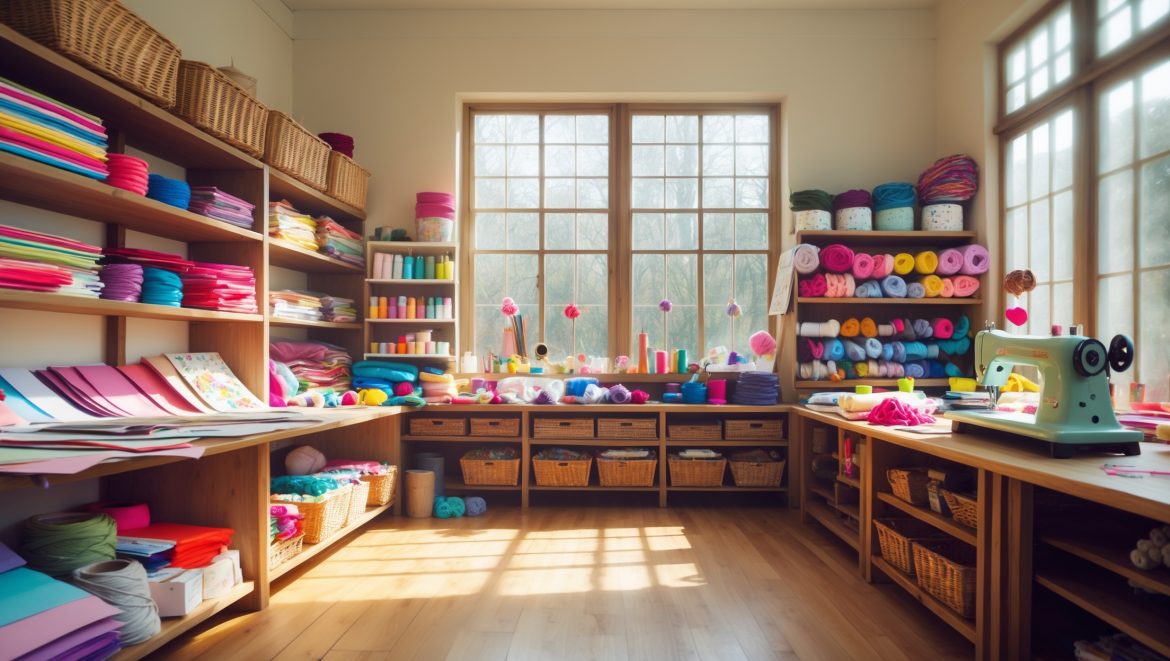
Introduction: Why Insurance Matters for DIY Craft Studios
Whether you run a bustling Etsy shop from your home, teach weekend workshops, or simply enjoy crafting as a serious hobby, your creative workspace is more than just a room—it’s your sanctuary, your business, and often, a significant investment. While you may have spent hours perfecting organization, safety, and ambiance, have you given enough thought to protecting your studio from unexpected setbacks? Insurance is often overlooked in the DIY and craft world, yet it’s essential for anyone who wants to safeguard their tools, materials, and peace of mind. In this comprehensive guide, we’ll break down the insurance essentials every DIY creator should know—addressing the types of coverage you need, common mistakes to avoid, how to assess your risks, and how to build a safety net that lets your creativity flourish without worry.
Understanding the Risks: What Could Go Wrong?
Common Hazards in Craft Studios
Every creative space, no matter how careful you are, is susceptible to risks. These can include:
- Fire and Water Damage: Electrical mishaps, flammable materials, or burst pipes can devastate your space.
- Theft or Vandalism: Costly tools, specialty machines, and finished goods can be attractive to thieves.
- Liability Accidents: If a client, student, or delivery person slips and falls, you could be liable for medical costs.
- Product Liability: If you sell handmade goods, a defect could lead to injury or property damage claims.
- Equipment Breakdown: Sudden failure of key machinery can halt your operations and cause financial strain.
- Natural Disasters: Floods, storms, or earthquakes can destroy materials and infrastructure.
The Cost of Being Uninsured
Without insurance, the financial burden of replacing tools, materials, or covering legal fees can be overwhelming. A single incident can wipe out savings or even force you to close your creative business. Insurance is not just a box to tick—it’s a strategic safeguard for your future.
Types of Insurance Every Craft Studio Should Consider
1. Homeowners or Renters Insurance—But Read the Fine Print
Most crafters assume their home insurance covers their studio. However, standard policies often exclude business-related assets or limit coverage for expensive equipment. If you use a dedicated room for your studio, or if clients visit your space, you may need additional endorsements or a separate policy.
- Business Property Endorsement: Increases coverage limits for business equipment and materials.
- Home Business Insurance: Designed for small-scale businesses operating from home, covering liability and property.
2. General Liability Insurance
This is essential if you teach classes, have visitors, or sell products. General liability covers bodily injury, property damage, and legal fees if someone is injured in your studio or claims your business caused harm.
- Example: A student trips on an extension cord during a workshop—liability insurance covers medical costs and legal defense.
3. Product Liability Insurance
Any creator selling handmade goods should consider product liability insurance. If a customer claims your item caused injury or damage (for example, a candle causes a fire or a toy has a sharp edge), this insurance covers legal costs and settlements.
- Tip: Many online marketplaces now require sellers to carry product liability coverage to maintain their accounts.
4. Commercial Property Insurance
Whether you work from home or rent a studio, commercial property insurance protects your physical assets—tools, materials, inventory, and furnishings—against fire, theft, vandalism, and some natural disasters. It can also cover loss of income if your business is interrupted by a covered event.
5. Equipment Breakdown Insurance
This coverage pays for repairs or replacements if key machines (like a kiln, embroidery machine, or laser cutter) fail due to mechanical issues, not just external events like fire or theft. If you rely on specialty equipment, this insurance can be a lifesaver.
6. Business Interruption Insurance
If a covered disaster forces you to pause operations, business interruption insurance replaces lost income, helping you stay afloat during repairs or relocation.
7. Professional Liability Insurance
If you teach classes, run workshops, or offer consulting, professional liability (errors & omissions) insurance covers claims related to advice, instruction, or teaching that leads to a client’s financial loss or injury.
8. Workers’ Compensation Insurance
If you have employees, even part-time, most states require workers’ compensation insurance for on-the-job injuries or illnesses.
Assessing Your Studio’s Insurance Needs
Step 1: Take Inventory
Document all tools, machines, materials, and finished items in your studio. Use photos or a spreadsheet to record serial numbers, purchase dates, and values. This not only helps you choose coverage limits, but also speeds up claims if you ever need to file one.
Step 2: Evaluate Your Risks
Consider your unique situation:
- Do clients or students visit your studio?
- Do you ship products nationwide or internationally?
- Is your studio in a high-risk area for natural disasters?
- Do you store expensive or irreplaceable tools or materials?
- Do you participate in craft fairs or pop-up events?
Step 3: Set Your Priorities
Based on your risk assessment, decide which types of coverage are essential and which are optional but beneficial. If budget is tight, focus on the highest risks first—usually liability and property protection.
Common Insurance Mistakes Craft Studio Owners Make
1. Relying Only on Homeowners or Renters Insurance
Most personal policies exclude business-related losses. Always check your policy and discuss your business activities with your insurance agent.
2. Underinsuring Tools and Materials
It’s easy to underestimate the total value of your creative inventory. Factor in the replacement cost of specialty tools, raw materials, and finished goods.
3. Ignoring Product Liability
If you sell or give away your creations, you could be liable for accidents—even years after the sale. Product liability insurance is a must for any seller.
4. Forgetting About Off-Site Events
If you attend craft fairs, pop-up shops, or markets, your studio insurance may not cover off-site losses. Ask your insurer about event coverage or short-term riders.
5. Failing to Update Coverage As You Grow
As your business expands—new tools, higher sales, more visitors—your insurance needs change. Schedule an annual review with your agent to make sure you’re still protected.
How to Shop for the Right Insurance
Choosing an Insurer
Look for carriers with experience insuring artists, crafters, or small studios. Some insurers offer specialized policies for home-based businesses or creative professionals. Ask for recommendations from local business groups or craft associations.
Key Questions to Ask
- What is and isn’t covered under my policy?
- Are there coverage limits for business property in my home?
- Does the policy cover off-site events or markets?
- What documentation is required for claims?
- Is product liability included, or is it a separate policy?
- How are payout values determined—actual cash value or replacement cost?
Bundling and Discounts
Bundling multiple coverages (liability, property, business interruption) with one insurer can save money. Some providers offer discounts for safety features (like smoke detectors, security systems) or for members of craft organizations.
Documentation and Record-Keeping Best Practices
Inventory Management
Maintain an up-to-date inventory of all assets—tools, equipment, materials, and inventory. Update this list whenever you add or dispose of items. Store digital copies of receipts, warranties, and serial numbers in a secure cloud folder.
Photos and Videos
Visual documentation can speed up claims and prove ownership. Photograph your studio, storage areas, and each major item. Consider a quick video tour as additional proof.
Policy Review and Updates
Set a recurring calendar reminder to review your insurance policies annually or after any major purchase, studio renovation, or business milestone.
Insurance for Special Situations
Mobile Craft Studios and Pop-Up Events
If you operate from a mobile studio (such as a converted trailer or van), standard property insurance may not apply. Look into commercial auto insurance or specialty mobile business policies. For pop-up events, ask organizers if you need to show proof of insurance, and whether their policy covers vendors.
Shared Studio Spaces
If you rent space in a shared studio, clarify with the landlord what’s covered under their policy and what you are responsible for. Renters are typically responsible for insuring their own equipment and inventory.
Online Sales and International Shipping
When selling online or shipping internationally, check if your product liability insurance has geographic limitations. Some insurers offer global coverage, but you may need to request it specifically. For high-value shipments, use carriers that offer package insurance or purchase supplemental shipping insurance.
Frequently Asked Questions About Craft Studio Insurance
Do I need insurance if I only sell at a few craft fairs a year?
Yes, because even one sale can expose you to liability. Many craft fairs now require proof of insurance from vendors. Consider event-specific policies if you only sell occasionally.
How much does craft studio insurance cost?
Costs vary based on location, coverage types, and business size. For home-based studios, basic coverage can start at $200–$500 per year, while larger operations or those with employees will pay more. Shop around for quotes.
Will insurance cover vintage or one-of-a-kind tools?
Coverage depends on your policy. Provide documentation and appraisals for valuable or unique items to ensure they’re fully covered. Discuss any special items with your agent.
Conclusion: Investing in Peace of Mind
Your DIY craft studio is the beating heart of your creative pursuits and, for many, a vital source of income. While you may hope never to need insurance, having the right coverage transforms unforeseen disasters from overwhelming setbacks into manageable bumps in the road. By understanding the risks unique to your space, choosing the appropriate policies, and maintaining thorough documentation, you can focus on what you do best—creating, teaching, and sharing your passion—without fear. Insurance isn’t just about compliance or ticking a box; it’s about giving yourself the freedom to experiment, grow, and innovate, knowing your investment is protected. Take the time to review your needs today, ask the hard questions, and build an insurance strategy that truly supports your creative journey. With the right safeguards in place, you’ll gain peace of mind—and the confidence to dream big, craft boldly, and turn your vision into reality.
For someone just starting out with a small craft studio on a tight budget, what would be the most essential insurance coverage to prioritize first, and are there affordable options for part-time creators?
For a small craft studio starting out, liability insurance is the most essential, as it protects you if someone is injured by your products or in your studio. Many insurers offer affordable policies tailored for part-time creators or home-based businesses, so it’s worth getting quotes and comparing coverage to fit your budget.
Could you provide more details about how liability insurance works if I occasionally hold workshops in my home studio? Are there specific policies for covering accidents involving students or visitors?
Liability insurance can protect you if a student or visitor is injured during a workshop in your home studio. Look for a general liability policy that specifically covers home-based businesses and events involving third parties. Some insurers offer craft or art instructor policies that address these risks. Be sure to tell your insurer about the workshops so your coverage is properly tailored.
You mentioned product liability for handmade goods—could you explain what kind of incidents are typically covered, and whether a basic policy would be enough for a small Etsy shop, or do I need something more specialized?
Product liability insurance generally covers incidents where a customer claims your handmade item caused injury or property damage, such as a skin reaction from a lotion or damage from a candle. For a small Etsy shop, a basic policy can be a good start, but if you sell products with higher risks (like cosmetics or children’s items), you may need more specialized coverage. Always review your policy details and speak with your insurer to make sure you’re fully protected.
How often should I reassess my coverage as my craft business grows or as I add expensive new equipment? Is this something I need to do annually?
It’s a good idea to review your insurance coverage at least once a year, but you should also reassess it any time you make significant changes—like adding expensive new equipment or expanding your business. This helps ensure you always have the right level of protection for your current needs.
Could you clarify if a regular homeowner’s policy would cover fire or theft in a home-based craft studio, or do you need a special rider or separate insurance altogether?
A regular homeowner’s policy usually offers limited or no coverage for business-related losses, like fire or theft in a home-based craft studio. To properly protect your materials and equipment, you’ll typically need a special business rider added to your policy or a separate business or craft studio insurance policy.
My main concern is affordability since my crafting is more of a part-time side hustle. Are there any budget-friendly insurance options for someone who doesn’t have a full-time studio but still wants basic protection?
Absolutely—many insurance providers offer flexible policies designed for part-time or home-based crafters. You can look into home business endorsements, craft fair insurance, or basic liability plans, which often cost less than full commercial coverage. It’s a good idea to compare quotes and discuss your specific needs with providers to keep costs down while staying protected.
You mention natural disasters like floods and storms as risks. Are there specific insurance policies tailored for craft studios in high-risk areas, or is it just an add-on to regular business insurance?
There are specialized insurance policies available for businesses in high-risk areas, including craft studios. While some standard business insurance policies offer add-ons for natural disaster coverage, studios located in flood- or storm-prone zones can often get tailored policies that provide broader protection, sometimes with higher coverage limits or specific terms for those risks. It’s a good idea to discuss your location and risks with an insurance agent to find the best fit.
For someone just starting out and on a tight budget, which type of insurance would you prioritize first to cover the biggest risks highlighted in your article?
For someone just starting a craft studio on a tight budget, I would prioritize getting general liability insurance first. This type of coverage addresses the biggest risks mentioned in the article, such as accidents or injuries to customers and damage to their property, which can be costly if they happen. Once your business grows, you can consider additional coverage.
If I only sell my handmade items online and never have customers or students in my home, do I still need liability insurance for accidents like slips and falls, or is product liability enough?
Since you don’t have customers or students visiting your home, you usually don’t need premises liability insurance for slips and falls. However, product liability insurance is still important, as it protects you if someone is harmed by using your handmade items. Focus on product liability to cover your main risks as an online seller.
If my craft studio is in an area prone to natural disasters like floods or earthquakes, are there particular add-ons or policy features I should be looking for beyond the standard coverage?
If your studio is in a high-risk area for natural disasters, you should look for add-ons like flood insurance and earthquake coverage, as these are often excluded from standard policies. It’s also wise to check if your policy covers business interruption and equipment replacement specific to those risks.
In terms of cost, what should a small-scale crafter like me expect to budget for basic insurance that covers theft, fires, and liability each year?
For a small-scale crafter, basic insurance that covers theft, fire, and liability typically costs between $250 and $600 per year, depending on your location, the value of your equipment and inventory, and the level of coverage you choose. It’s a good idea to get quotes from a few insurers to compare options based on your specific needs.
Could you explain how insurance works if I plan to host weekend craft workshops in my garage? I’m worried about liability if a student gets hurt.
If you host craft workshops in your garage, liability insurance is important because it can cover you if a student gets injured during a session. Look for general liability insurance that specifically covers home-based businesses. This type of policy helps pay for medical expenses and legal fees if someone files a claim due to an accident on your property.
You talk about product liability if you sell handmade goods—does this apply even if I only sell occasionally at local craft fairs, or just for regular online sellers?
Product liability concerns apply to anyone selling handmade goods, even if sales are occasional or happen only at local craft fairs. If a customer claims your product caused harm, you could be held responsible regardless of how often or where you sell. Considering insurance can help protect you from unexpected costs.
Can you go into more detail about how product liability insurance works for handmade goods? For example, if someone claims injury from something I sold on Etsy, what steps would I need to take and what would insurance cover?
Product liability insurance helps protect you if someone claims they were injured or suffered damage from a handmade item you sold. If a customer reports an injury, you should notify your insurer right away, provide details and documentation, and follow their guidance. The insurance can cover legal fees, settlements, or medical costs if you’re found liable, up to your policy limits.
In cases where I occasionally have students come to my home for workshops, is there a particular type of liability insurance that covers incidents involving guests, or would my regular homeowners insurance cover that?
Your regular homeowners insurance usually doesn’t cover business activities like workshops with students at your home. It’s important to look into a business liability policy, often called ‘craft instructor insurance’ or ‘home-based business insurance.’ This type of coverage is designed to protect you in case a guest or student is injured during a class.
Do most insurance providers cover both theft of finished goods and costly specialty equipment, or do I need separate policies for each risk mentioned in the article?
Most insurance providers offer customizable policies that can cover both theft of finished goods and specialty equipment under a single business policy, often called a business property or craft studio insurance policy. However, coverage details and limits can vary, so it’s important to review the policy and discuss your specific needs with your insurer. In some cases, you might need to purchase add-ons or separate endorsements for full protection.
What would you recommend as a first step for someone just turning their crafting hobby into a business when deciding what kind of insurance they need?
A good first step is to list all the activities and products involved in your new crafting business, including where you’ll sell or teach. This will help you identify risks, like liability for injuries or damage, so you can discuss your specific needs with an insurance agent who understands small creative businesses.
How long does it usually take to get insured after applying, especially if I need coverage quickly to participate in a craft fair or start teaching workshops?
Approval times for craft studio insurance can vary, but many providers offer instant or same-day coverage if your application is straightforward and all information is provided. If you need insurance quickly for a craft fair or workshops, be sure to have your business details ready and ask the insurer about expedited processing options.