
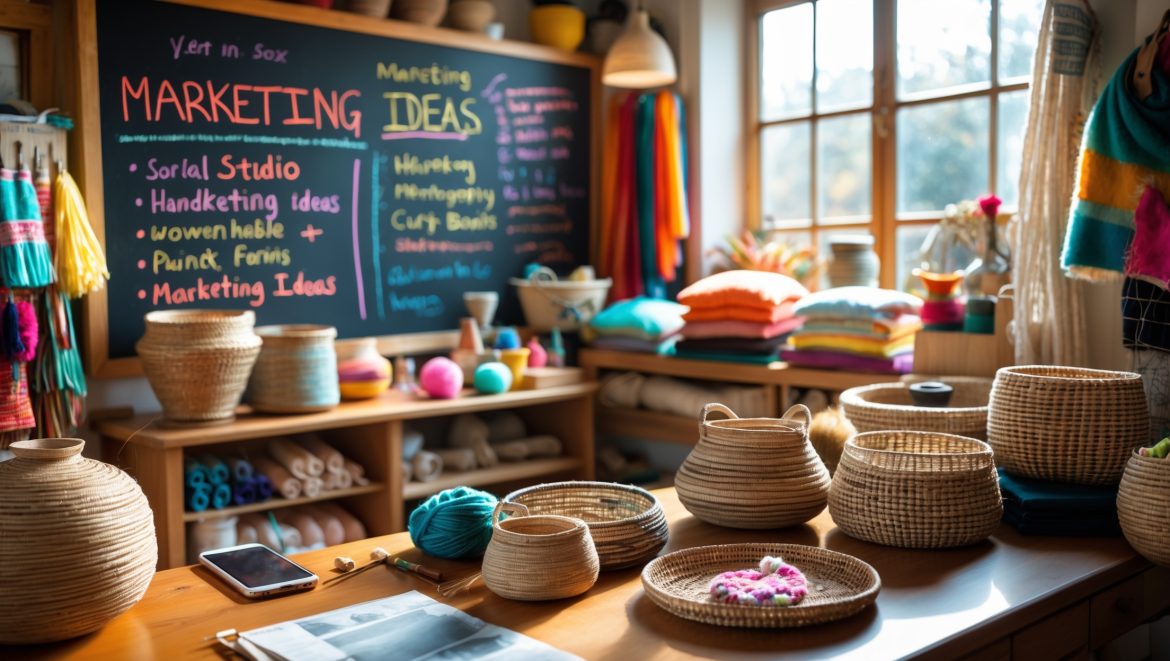
In the vibrant world of DIY crafts, creativity often overflows from the workbench into every facet of life—including how you market your craft studio. But for many makers, marketing can feel daunting, especially if you’re working with a limited budget. The good news? You don’t need a big ad spend or a full-time marketing team to get your studio noticed. With strategic choices, a little persistence, and a dash of resourcefulness, you can attract new customers, build a loyal community, and stand out from the crowd—all without breaking the bank.
This guide is designed specifically for DIY studio owners and home-based crafters ready to grow their reach. We’ll explore a range of low-cost marketing tactics—from clever branding and content creation, to local collaborations and social media hacks—each tailored for creative businesses. Whether you’re just launching your studio or looking to boost your presence, you’ll find actionable steps, real-world examples, and plenty of inspiration to help your unique vision shine.
Why Low-Budget Marketing Works for DIY Craft Studios
DIY studios have a unique advantage: authenticity. Today’s consumers crave personal stories, handmade quality, and community connections—exactly what small creative businesses offer. Low-budget marketing leverages these strengths, allowing you to:
- Build genuine relationships with your audience
- Showcase your personality and process
- Stand out from mass-produced competition
- Adapt quickly to trends and feedback
Let’s dive into the most effective, budget-friendly tactics you can start using today.
Crafting Your Brand Without Breaking the Bank
Define Your Studio’s Unique Story
Start by distilling what makes your craft studio special. Is it your eco-friendly approach, your quirky designs, or your local roots? Write a 2-3 sentence brand story that captures your mission and the feeling you want customers to have when they engage with your creations. Use this across your website, social media bios, and marketing materials.
DIY Visual Identity
- Logo: Use free tools like Canva or Looka to create a simple, memorable logo. Focus on clarity and relevance to your craft.
- Color Palette: Pick 2-3 main colors that reflect your style. Apply them consistently to product tags, signage, and online posts.
- Photography: Learn basic smartphone photography. Natural light, clean backgrounds, and close-ups of textures can elevate your product images.
Digital Presence: Get Found Online
Build a Simple, Effective Website
Your website is your digital storefront. You don’t need anything fancy—just a clear homepage, a portfolio/gallery, contact info, and (if possible) a basic store or booking form. Platforms like Wix, Squarespace, or WordPress offer free or affordable templates for creative businesses.
- Tip: Use your brand story and best photos on your homepage to instantly connect with visitors.
Google My Business (GMB)
If you have a physical studio or teach workshops, claim your free Google My Business profile. This boosts your visibility in local searches and maps. Add photos, hours, a description, and encourage happy customers to leave reviews.
SEO Basics for Crafters
- Use keywords like “handmade jewelry in [city]” or “DIY pottery classes near me” in your website copy and blog posts.
- Start a simple blog and share behind-the-scenes stories, project tutorials, and upcoming event announcements.
- Link your site on all social profiles and craft directories (Etsy, Pinterest, local business listings).
Social Media: Amplify Your Creativity
Pick the Right Platforms
- Instagram: Best for visual crafts—showcase process videos, finished pieces, and studio tours.
- Pinterest: Great for driving traffic to blogs, tutorials, and product pages.
- Facebook: Connect with local groups, promote events, and build community.
- TikTok: Short, fun videos of your process or quick tips can go viral, even with a small following.
Content Ideas That Don’t Cost a Dime
- Time-lapse videos: Show your work from start to finish.
- Studio “before and after” shots: Reveal your creative transformation.
- Behind-the-scenes stories: Share your inspiration, struggles, and wins.
- Customer features: Repost photos of happy buyers with your creations.
- DIY tips: Offer quick tutorials or material hacks.
Consistency and Engagement
Post regularly—ideally 3-5 times a week. Reply to comments and direct messages promptly. Use relevant hashtags (e.g., #diycraftstudio, #[yourcity]makers) to reach new audiences. Most importantly, show your personality—people love connecting with the maker behind the brand.
Leverage Local Networks and Events
Join and Collaborate
- Maker Markets & Pop-ups: Even if you can’t afford a booth, volunteer to help, offer demo workshops, or collaborate with another vendor to share a space.
- Local Business Partnerships: Display your crafts at coffee shops, boutiques, or community centers. Offer a commission or swap products for exposure.
- Classes and Workshops: Host affordable DIY classes in your studio or virtually. This builds your reputation and brings new faces into your space.
- Library and School Events: Partner with local libraries or schools to run craft sessions or donate a piece for fundraising auctions. It’s great exposure and community goodwill.
Maximize Word of Mouth
Encourage satisfied customers to tell friends and family. Consider a referral program (e.g., “bring a friend and get 10% off your next class”). Ask for reviews and testimonials you can share online.
Creative Guerrilla Marketing Tactics
DIY Flyers and Posters
Design eye-catching flyers using free online tools. Post them at community bulletin boards, cafés, and local shops. Include a QR code leading to your website or social media.
Chalk Art and Window Displays
If your studio is street-facing, create a lively sidewalk chalk design or window display to draw attention. Rotate themes seasonally to keep things fresh.
Craft Swaps and Open Studios
Host a monthly craft swap where local makers exchange materials or projects. Open studio days let the community tour your space, watch demos, and meet you in person—no expensive advertising needed.
Email Marketing on a Budget
Build Your List
Start a signup sheet at events or on your website. Offer a small incentive—like a printable pattern or a discount on their first purchase—for new subscribers.
Send Value, Not Spam
- Monthly Newsletters: Share new products, workshop dates, and a peek into your creative process.
- Exclusive Offers: Give your email list early access to sales or special events.
- Free Resources: Send DIY guides, printable templates, or bonus tips to keep your audience engaged.
Use free tools like Mailchimp or MailerLite to manage up to 1,000 subscribers at no cost.
Optimizing Your Marketing Time
Batch Your Tasks
Set aside one morning a week to plan posts, take photos, and schedule emails. Batching saves time and ensures you stay consistent.
Automate Where Possible
Use free scheduling tools (like Later or Buffer) to queue up social media posts. Automate email welcome sequences so new subscribers feel valued from the start.
Tracking Results and Adjusting Your Strategy
Monitor What Works
- Check which social posts get the most likes, shares, or comments.
- Track website and store visits via free tools like Google Analytics.
- Ask new customers how they found you—was it a flyer, word of mouth, or Instagram?
Put more effort into channels that deliver results, and don’t be afraid to experiment with new tactics.
Real-Life Examples: Low-Budget Success Stories
The Upcycled Textile Studio
Lisa, a home-based fiber artist, grew her business by running monthly Instagram “mini-tutorials” using only scraps and leftovers. Her hashtag #RemnantRevolution caught the attention of local eco-shops, leading to collaborations and workshop invites—all for zero ad spend.
Pottery with Purpose
Jamal started with pop-up pottery demos at farmers markets. He posted time-lapse videos on TikTok and handed out simple flyers. Within six months, his studio workshops were booked out, and a local art supply store offered him a consignment deal.
Neighborhood Craft Collective
A group of DIYers in a small town pooled resources to host a quarterly open studio tour. Each used their email lists and social media to promote the event. The result? Increased visitors, sales, and a stronger sense of creative community—at almost no cost.
Conclusion: Grow Your Craft Studio, Your Way
Marketing your DIY craft studio doesn’t have to be intimidating—or expensive. In fact, the most effective strategies are often the ones that come straight from the heart: sharing your story, building real connections, and inviting your community into your creative world. By focusing on authenticity and consistency, you can make a memorable impression even with a tiny budget.
Remember, there’s no one-size-fits-all formula. Start with the tactics that feel most natural, whether that’s snapping photos of your latest project, hosting a hands-on workshop, or collaborating with your favorite local café. Track your progress, listen to your audience, and adjust as you grow. Over time, you’ll develop a marketing rhythm that fits your studio’s personality—and attracts the customers who truly value your work.
The journey to growing your craft studio is as creative as the art you make. Embrace the process, celebrate small wins, and keep experimenting. With these low-budget marketing strategies, your DIY business can flourish—one handmade connection at a time.

If I’m just starting out and have almost no marketing budget, which one or two strategies mentioned would you prioritize to make the biggest difference?
If you’re just starting out with a tiny budget, prioritizing social media engagement and collaborating with local businesses or influencers can be especially effective. These approaches require little to no money and can quickly help you reach a wider audience while building real connections in your community.
I like the idea of building authenticity and community connections, but what if I’m not very comfortable sharing personal stories online? Are there ways to market my studio authentically without having to be too public about myself?
Absolutely, you can market your studio authentically without sharing personal stories. Focus on highlighting your creative process, showcasing customer or student work, and sharing behind-the-scenes glimpses of your projects. You might also collaborate with others in your community or share tips and resources related to your craft. This lets you build trust and connection while keeping your private life out of the spotlight.
If I’m just launching my craft studio, what would you say is the very first marketing step I should take to make an impact without investing heavily?
To make an immediate impact on a tiny budget, start by creating an engaging social media page for your studio, using high-quality photos of your work. Invite friends and local groups to follow and share your page. This builds visibility and credibility right away without any cost.
Can you give more examples of how to collaborate locally with other small businesses or artists without spending much money? I’m curious about practical ways to approach partnerships on a tight budget.
You can team up with nearby artists or small businesses by swapping skills or services, such as hosting a joint workshop or pop-up event in each other’s spaces. Display each other’s work, share social media promotions, or bundle products for special offers. Approaching with a clear idea of how both parties benefit makes partnerships more appealing and cost-effective.
How can I gauge if my low-budget marketing efforts, like content creation or social media hacks, are actually bringing in new customers rather than just more followers or likes?
To measure if your marketing is attracting new customers, try tracking metrics beyond likes or followers. Set up simple ways to ask new customers how they found you, such as a quick question at checkout or a survey link. You can also use unique promo codes or links in your posts to see which platforms actually lead to sales.
If my budget is extremely tight, which one or two marketing strategies from your guide would you suggest starting with to see the quickest results for a new craft studio?
If your budget is very limited, focus first on building a presence on local social media groups and collaborating with nearby businesses. Sharing your work and studio updates in community groups can quickly attract local attention, while partnerships with other businesses can help you reach new audiences without spending much.
For home-based crafters on a very tight budget, which low-cost marketing tactic from your guide tends to show results the fastest? I’d like to focus my limited energy on something that generates early momentum.
For home-based crafters with limited resources, leveraging social media—especially posting regularly in local buy/sell or crafting groups—tends to generate the fastest results. This approach is free and connects you directly with people who are interested in handmade items, often leading to early sales or inquiries.
Building a loyal community sounds great, but how can I keep my audience engaged if I can only post on social media a couple times a week because of my family schedule?
Consistency is more important than frequency. If you can only post a couple times a week, try sharing behind-the-scenes updates, quick project tips, or asking your audience questions to spark conversation. Replying to comments and messages when you have time also keeps your community feeling connected and valued.
I’m curious about the content creation tips shared here. For someone with very limited time and budget, are there particular platforms or formats that have delivered the best returns for creative businesses?
Short-form video platforms like Instagram Reels and TikTok have shown strong results for creative businesses, especially when time and budget are tight. Quick behind-the-scenes clips or time-lapse videos often perform well. Additionally, batching content (shooting several pieces at once) helps maximize your limited time investment.
The article mentions social media hacks for marketing on a budget. What are some specific low-cost social media tactics that have worked well for DIY studios just starting out?
Some effective, low-cost social media tactics for new DIY studios include hosting live crafting sessions to engage followers, collaborating with other local creators for shout-outs, sharing behind-the-scenes stories, and running simple giveaways using your own handmade items. Consistent posting of project photos and quick tutorial videos also helps build interest without spending much.
Can you give some examples of what a 2-3 sentence brand story might look like for different types of DIY craft studios? I’m curious how much detail or personality to include without making it too long.
Absolutely! For a pottery studio: ‘Inspired by local landscapes, we help beginners and artists shape unique ceramics that reflect personal stories. Our studio is a welcoming space to get creative and connect.’ For a fiber arts studio: ‘At CozyLoops, we blend tradition and innovation, teaching crafts like knitting and weaving for all ages. Every class aims to spark joy through handmade creations.’ Two to three sentences is perfect for conveying your personality and mission without overwhelming readers.
Could you elaborate on what you mean by ‘local collaborations’ as a marketing tactic? Are there certain types of partnerships that tend to be most effective for home-based crafters just starting out?
Local collaborations refer to teaming up with nearby businesses, artists, or community groups to promote each other’s work. For home-based crafters, the most effective partnerships often include local coffee shops, boutiques, or community centers where you can display or sell your creations. Participating in craft fairs or hosting joint workshops with fellow makers can also boost your visibility and customer base.
When defining a brand story for a craft studio, how do you recommend balancing personal detail with broader appeal so it resonates with a wider audience?
When crafting your brand story, choose personal details that highlight your passion or inspiration, but focus on themes others can relate to, like creativity, overcoming challenges, or the joy of making. Share your journey in a way that invites your audience to see themselves reflected in your story or to connect with your values.
When defining a brand story for a home-based craft studio, what tips do you have for balancing authenticity with professionalism, especially for those just starting out?
When defining your brand story, share your personal journey and motivations behind your craft to create authenticity, but present them with clear language and well-edited visuals to maintain professionalism. Focus on consistent messaging, and choose a tone that reflects your personality while still being welcoming and trustworthy for potential customers.
If my craft studio focuses on eco-friendly materials but I’m worried that branding might seem expensive, do you have tips for showcasing this without spending a lot on design or advertising?
You can highlight your eco-friendly focus by sharing behind-the-scenes photos of your materials and process on social media, using handwritten tags or recycled packaging for your products, and telling your sustainability story in your website’s About section. Consistent use of natural colors and simple visuals can also reinforce your brand without extra design costs.
When you talk about local collaborations for craft studios, do you mean teaming up with other artists or working with local shops? I’m wondering what tends to provide the most value for someone just starting out.
Local collaborations can include both teaming up with other artists and partnering with local shops. For someone just starting out, working with local shops often brings more immediate value—like displaying your crafts in their space or co-hosting events, which helps get your work seen by new customers in your community.
How long does it typically take to see results from these low-budget marketing strategies? I’m trying to set realistic expectations for my first year of running a home-based crafting business.
Results from low-budget marketing strategies can vary, but you can generally expect to see some initial traction within 2 to 3 months, especially as you build your online presence and local awareness. Consistency is key, so keep promoting your work regularly. Significant growth may take 6 to 12 months, particularly as word of mouth and repeat customers build up over time.