
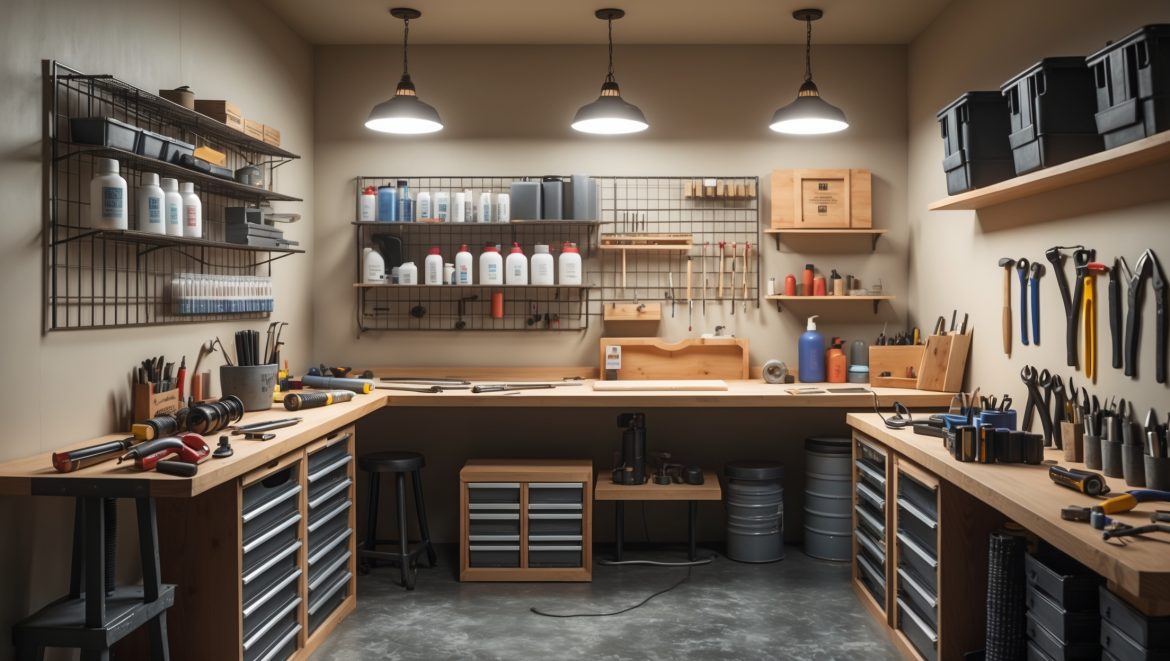
Every passionate crafter knows: well-maintained tools are the backbone of creative productivity. Yet, it’s easy to overlook regular upkeep, especially when your workspace lacks a dedicated spot for cleaning, tuning, and organizing your gear. Setting up a craft tool maintenance station isn’t just about tidiness—it’s about protecting your investment, saving time, and ensuring every project runs smoothly. Whether you’re a weekend hobbyist or building a thriving creative business, having a purposeful area for tool care can dramatically improve your workflow and extend the life of your most trusted equipment.
This comprehensive guide walks you through designing, equipping, and using a dedicated tool maintenance station in your DIY craft studio. You’ll learn how to choose the right location, select essential tools and storage solutions, establish an efficient workflow, and implement maintenance routines that prevent breakdowns and costly replacements. With practical tips and expert insights, you’ll transform a neglected corner into a hub of creativity and reliability—so you can focus on what you love, confident your tools will always perform.
Why You Need a Dedicated Craft Tool Maintenance Station
Many crafters store tools wherever they can, cleaning and fixing them only when problems arise. But this reactive approach leads to dull blades, jammed mechanisms, lost parts, and frustrating interruptions. By intentionally setting up a maintenance station, you:
- Reduce downtime: Tools are always ready for action, minimizing mid-project delays.
- Extend tool lifespan: Regular cleaning, sharpening, and lubrication prevent excessive wear.
- Improve safety: Well-maintained tools are less likely to fail or cause injuries.
- Enhance precision: Sharp, clean tools make for cleaner cuts, smoother finishes, and more professional results.
- Save money: Preventing damage and wear means fewer replacements or costly repairs.
With a dedicated station, tool care becomes a seamless part of your crafting routine—not an afterthought.
Choosing the Perfect Location
Assessing Your Space
You don’t need a huge workshop to establish an effective maintenance station. The ideal spot is:
- Accessible: Close to your main crafting area, but not in the way of active projects.
- Well-ventilated: Especially important when using oils, cleaning agents, or compressed air.
- Well-lit: Good lighting is essential for inspecting tools and performing detail work.
- Stable: A sturdy surface is critical for safe cleaning, sharpening, or minor repairs.
Common options include a corner of your workbench, a dedicated utility table, a rolling cart, or even a repurposed shelf unit. If space is tight, consider wall-mounted fold-down benches or compact tool chests that double as work surfaces.
Planning for Growth
Anticipate your future needs: as your tool collection or crafting practice expands, will your station adapt? Modular shelving, pegboards, and stackable storage bins offer flexibility without crowding your creative space.
Essential Equipment and Supplies
The Maintenance Work Surface
Your work surface should be sturdy, easy to clean, and large enough to lay out tools, parts, and supplies. Consider adding a silicone mat or a sacrificial cutting board to protect the surface from oil, glue, and metal filings. If you sharpen blades, a clamp-on vise or tool holder is invaluable for safety and precision.
Tool Storage and Organization
- Pegboards or Magnetic Strips: Hang commonly used maintenance tools (screwdrivers, wrenches, pliers) for easy access.
- Small Parts Drawers: Store screws, replacement blades, washers, and hardware in labeled compartments.
- Bins or Trays: Hold cleaning rags, brushes, and lubricants. Use color-coding or labeling for added efficiency.
- Hooks and Racks: Suspend larger items like files, sharpening stones, or cleaning sprays.
Must-Have Maintenance Tools
- Cleaning Brushes: Stiff-bristled, soft-bristled, and specialty brushes for dusting and scrubbing crevices.
- Compressed Air Canister: Blasts away fine dust from power tools and hard-to-reach areas.
- Microfiber Cloths and Rags: For wiping down surfaces and applying polish.
- Lubricants and Oils: Machine oil, silicone spray, or specialized products for moving parts.
- Sharpening Tools: Whetstones, honing rods, diamond files, or sharpening jigs for blades and scissors.
- Screwdrivers and Allen Keys: Tighten or disassemble tools for deep cleaning.
- Tweezers and Needle-Nose Pliers: Retrieve small parts or remove debris.
- Magnifying Glass or Headlamp: For close inspection of cutting edges or intricate components.
- Small Vacuum: Keep the station dust-free.
Consumables and Safety Gear
- Gloves: Nitrile or work gloves to protect your hands from chemicals and sharp edges.
- Safety Glasses: Shield your eyes during sharpening or compressed air use.
- Mask or Respirator: Essential if using solvents or generating dust.
- Cleaning Solutions: Mild solvents, isopropyl alcohol, or specialty cleaners for your specific tools.
- Replacement Parts: Keep spare blades, springs, or fasteners on hand for quick fixes.
Step-by-Step Setup: Building Your Maintenance Station
1. Clear and Prep the Area
Start by clearing your chosen space of clutter and giving it a thorough cleaning. Assess for adequate lighting and ventilation. If needed, install a task lamp, small fan, or open a nearby window for airflow.
2. Install Your Work Surface
Set up a sturdy table or bench, ensuring it’s level and stable. Affix a non-slip mat or cutting board for tool protection. Mount a pegboard or magnetic strip on the wall above for vertical storage.
3. Arrange Tool Storage
Install small drawers or parts bins within arm’s reach. Group items by function—sharpening tools in one drawer, cleaning supplies in another, etc. Place frequently used items on the pegboard or magnetic strip for instant access.
4. Set Up Safety and Cleaning Zones
Designate a spot for personal protective equipment (PPE) like gloves and goggles. Keep a small trash bin, used rag container, and a vacuum nearby for immediate cleanup. If using oils or solvents, store them in a fire-safe container away from open flames.
5. Organize Consumables and Replacement Parts
Label containers for new blades, backup screws, and lubricants. Use small jars or divided boxes to keep tiny fasteners sorted and easy to find.
6. Create a Maintenance Log
Mount a clipboard or keep a dedicated notebook at your station. Record maintenance dates, tool issues, and repairs. This simple step helps you track tool health and schedule preventive care.
Establishing Effective Maintenance Workflows
Daily Routines
- Wipe down tools after each use to remove dust, glue, or debris.
- Return tools to their designated storage spots immediately, reducing misplacement and accidental damage.
- Quickly inspect blades and moving parts for visible wear or buildup.
Weekly or Biweekly Tasks
- Deep clean high-use tools with brushes and mild cleaner.
- Sharpen blades, scissors, or cutting tools as needed.
- Lubricate moving parts (hinges, gears, sliders) according to manufacturer guidelines.
- Check for loose screws, worn parts, or cracks in handles and replace or repair promptly.
Monthly or Seasonal Upkeep
- Empty and clean storage bins, drawers, and trays.
- Vacuum and dust the maintenance area, especially vents and tool motors.
- Review your maintenance log and schedule preventive care for any neglected tools.
- Inventory consumables and restock supplies before they run out.
Smart Organization Tips for Maximum Efficiency
- Color-code storage: Assign colors to bins or drawers for different tool types or maintenance tasks.
- Use clear containers: Instantly spot what you need without rummaging.
- Label everything: A label maker or painter’s tape ensures even small parts stay organized.
- Implement a “first in, first out” system: Use older supplies before opening new ones to prevent waste.
- Hang a maintenance checklist: Post a laminated checklist at your station to remind you of routine steps.
Customizing Your Station for Different Craft Disciplines
Paper Crafts and Scrapbooking
- Include fine-point tweezers, precision scissors sharpeners, and gentle adhesive removers.
- Store extra cutting mats and blades for trimmers or craft knives.
Sewing and Textile Arts
- Set up a sewing machine cleaning kit with brushes, oil, and compressed air.
- Keep a needle threader, spare bobbins, and a magnet for retrieving dropped pins.
Jewelry Making
- Organize tiny files, polishing cloths, and specialty pliers.
- Use divided trays for jump rings, beads, and clasps.
Woodworking and Mixed-Media Crafts
- Maintain a file set for chisels, saw blades, and carving tools.
- Include a small mallet, glue scraper, and sandpaper holder.
Safety and Environmental Considerations
Ventilation and Fume Control
If your maintenance tasks involve solvents, adhesives, or sprays, ensure your station is well-ventilated. Open windows, use fans, or invest in a small air purifier. Never use flammable chemicals near heat sources.
Safe Chemical Storage
Keep all lubricants, oils, and cleaning agents in original containers with clear labels. Store them in a locked or clearly marked cabinet, away from children and pets. Dispose of used rags and empty containers according to local hazardous waste regulations.
Personal Protective Practices
Always wear gloves and goggles when handling chemicals, sharpening blades, or using compressed air. Never leave tools plugged in or unattended on the maintenance bench.
Maintaining Your Maintenance Station
- Schedule regular cleanups of the station itself: wipe surfaces, empty trash, and restock supplies.
- Periodically reassess your setup—are any tools out of place, bins overflowing, or supplies missing?
- Solicit feedback from anyone sharing your space to optimize workflow and safety.
- Update your maintenance log with new tool purchases, repairs, or upgrades.
Conclusion: Transforming Your Studio with Simple Upkeep
Creating a dedicated craft tool maintenance station is more than a convenience—it’s a commitment to your creative journey. By investing a few hours in setup and adopting consistent care routines, you protect your tools, your time, and your craft. A well-organized station empowers you to solve problems before they start, tackle ambitious projects with confidence, and make each crafting session smoother and more enjoyable.
Remember, a maintenance station isn’t static. As you try new techniques, acquire specialized tools, or refine your workflow, your station will evolve. Stay flexible, keep detailed records, and always prioritize safety and efficiency. Over time, you’ll notice fewer breakdowns, crisper results, and a newfound pride in your studio’s professionalism. Whether you’re a seasoned maker or just starting out, the habit of routine tool care will pay dividends in creativity, savings, and satisfaction for years to come.
Ready to elevate your craft? Start small—clear a corner, gather your supplies, and experience firsthand how a little maintenance goes a long way. Your tools—and your future projects—will thank you.


For crafters who use both fabric and paper tools, is it best to have separate maintenance supplies or stations for each type, or can they share cleaning and sharpening resources efficiently?
If you work with both fabric and paper tools, it’s better to keep separate maintenance supplies for each. Fabric scissors and rotary cutters can become dull or damaged if used on paper, and cleaning products may not be suitable for both materials. Having dedicated sharpening and cleaning tools for each type ensures your tools last longer and perform their best.
Could you suggest some budget-friendly storage solutions for organizing craft tools if my workspace is really limited? I want to set up a maintenance area but don’t have a lot of room or funds to work with.
For a small budget and limited space, try using stackable clear plastic bins or repurposed jars for storing small items like screws or needles. A pegboard mounted on the wall can hold tools vertically without taking up desk space. Shoe organizers hung on the back of a door are also great for keeping tools visible and easy to reach. Dollar stores often have baskets and containers that work well for craft tool organization.
You talk about implementing maintenance routines to prevent breakdowns. Could you include common warning signs that a craft tool might need immediate attention before it causes project interruptions?
Absolutely, common warning signs that a craft tool may need immediate attention include unusual noises, decreased performance, visible wear or damage to parts, overheating, irregular vibrations, and difficulty operating smoothly. Catching these early lets you address issues before they disrupt your projects. Regularly inspect your tools for these symptoms during your maintenance routine.
How often should I actually perform maintenance routines on tools like rotary cutters or craft knives to get the most out of their lifespan?
For tools like rotary cutters and craft knives, it’s best to perform basic maintenance after each use—wipe blades clean and check for any nicks or dullness. A more thorough maintenance, like oiling moving parts and sharpening or replacing blades, should be done about once a month if you use them regularly. This routine helps extend the life and performance of your tools.
In the guide, you mention choosing the right location for the maintenance station. What factors should I consider if my workspace is really limited, like in a dorm or a small apartment?
If your space is limited, look for a spot that’s easy to access but out of the way, like a small table, a rolling cart, or a shelf. Prioritize good lighting and ventilation. Choose storage solutions that use vertical space, such as wall-mounted organizers or stackable bins, to keep everything tidy and compact.
When setting up a maintenance station, is it better to use a movable cart or have a fixed workstation, especially if my crafting space is shared or limited?
If your crafting space is shared or limited, a movable cart is usually more practical. It gives you flexibility to move your tools where needed and frees up space when you’re not using them. Fixed workstations work well in permanent, dedicated areas, but carts offer easy storage and adaptability in multi-use spaces.
When choosing the right spot for a maintenance station, what should I consider if my crafting area is shared with family or used for multiple purposes?
If your crafting area is shared or multi-purpose, look for a spot that’s out of the main traffic flow, like a corner or a shelf that can be closed or sectioned off. Choose storage options that are easy to move or pack away, so you can quickly reclaim the space when others need it.
Sometimes I forget to clean my tools after projects. Do you have any advice or routines for building the habit of regular tool care so it becomes automatic?
One helpful trick is to set a specific time at the end of each crafting session just for tool cleaning—maybe even set a reminder on your phone. Keeping cleaning supplies visible at your station can help too. Making it part of your project wrap-up, rather than a separate chore, can reinforce the habit over time.
Can you share tips on organizing lubricants or cleaning agents safely so they’re easy to access but don’t create clutter in the craft area?
Storing lubricants and cleaning agents in clear, labeled containers on a dedicated shelf or in a caddy keeps them visible and easy to grab. Consider using small bins or divided trays to separate liquids from sprays, and always keep them upright to prevent spills. Placing them in a spot away from direct craft work helps avoid clutter and mess.
In your experience, are there specific types of storage solutions you’d recommend for keeping replacement parts or small accessories organized within the station, especially for things like sewing machine feet or X-Acto blades?
For small accessories like sewing machine feet or X-Acto blades, divided drawer organizers or small parts cabinets work really well. Clear stackable boxes with compartments also make it easy to see and access what you need. Labeling each section helps keep everything sorted and easy to find during your projects.
If certain tools are already in rough shape from lack of maintenance, does this guide offer tips for restoring them, or is it mainly for prevention and upkeep?
The guide mainly focuses on prevention and regular upkeep for craft tools, helping you set up a system to maintain them going forward. It doesn’t go in-depth on restoring tools that are already in poor condition, but you could adapt some cleaning and maintenance tips from the setup process for basic improvements.