
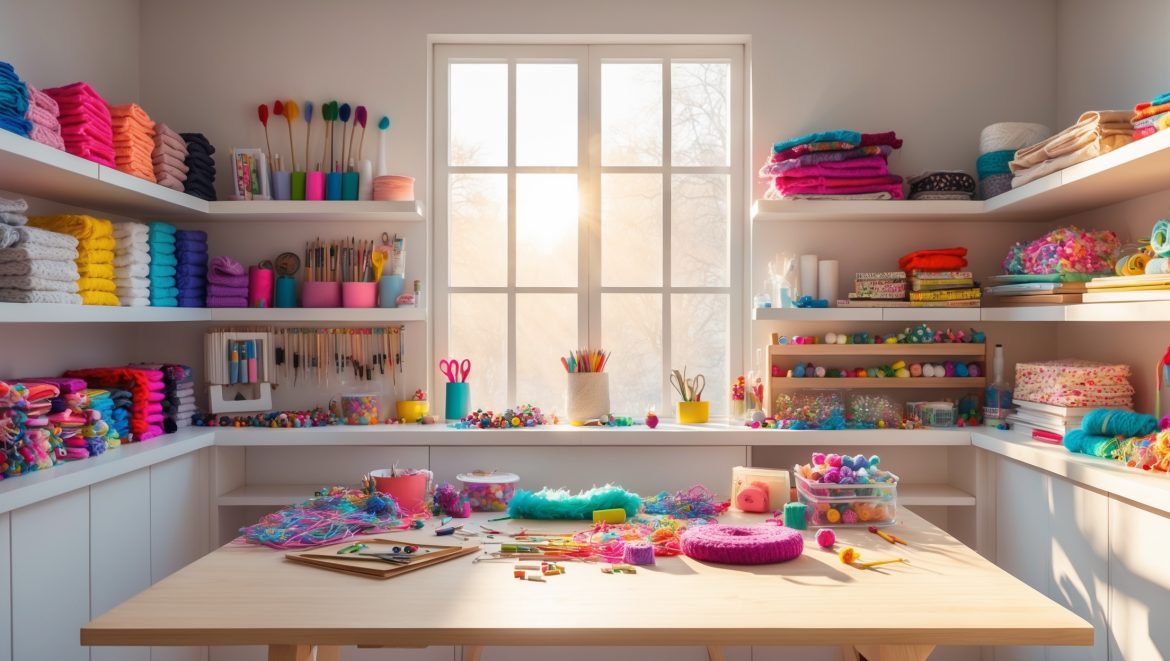
Introduction: Tackling the Myths Stalling Your Creative Dream
Setting up a DIY craft studio is a dream for many creative minds. Whether you’re a weekend hobbyist, an aspiring entrepreneur, or a seasoned maker, the idea of having a dedicated space to bring your ideas to life is thrilling. Yet, if you’ve spent any time researching how to start, you’ve undoubtedly encountered a barrage of conflicting advice, half-truths, and persistent myths. These misconceptions can make even the most passionate crafter hesitate, second-guess, or invest in the wrong things. The good news? Most of these hurdles exist only in your mind—or in outdated blog posts.
In this post, we’re shining a bright light on the top myths about launching a DIY craft studio. We’ll break down each misconception, explain where it comes from, and—most importantly—give you practical, up-to-date information so you can plan and build your creative haven with confidence. Whether you’re worried about space, budget, skill level, or safety, you’ll find actionable advice to help you move forward. Let’s debunk the myths, so you can focus on making, not stressing.
Myth 1: “You Need a Huge Dedicated Space to Start”
Why This Myth Persists
Social media and craft magazines often showcase sprawling, perfectly organized studios. It’s easy to assume you need a spare room, finished basement, or garage to do things “right.”
The Reality
While a big studio is nice, many successful crafters start with a corner of a kitchen table, a closet, or a rolling cart. What matters is thoughtful organization and maximizing your available space. Modular storage, wall-mounted shelves, and fold-away tables can turn even the tiniest nook into a productive studio. Start small, get creative with storage, and upgrade only as your needs and budget allow.
- Action Step: Map out your available space and identify underused areas—think vertical!
- Pro Tip: Use clear bins and label everything to keep small spaces functional and tidy.
Myth 2: “DIY Studios Are Expensive to Set Up”
Where the Cost Myth Comes From
Glamorous studio tours and supply hauls can give the impression that setting up a studio requires a massive upfront investment.
The Reality
Smart, incremental spending is key. Focus on essentials first: a sturdy work surface, good lighting, and secure storage. Many items—like shelves, tables, and cabinets—can be sourced secondhand, repurposed from other rooms, or even built as beginner projects. Expensive specialty tools and storage solutions can wait until you truly need them. Remember, a well-organized $50 space can be more productive than a cluttered $5,000 one.
- Start with the basics and upgrade as your needs evolve.
- Shop thrift stores, online marketplaces, and community groups for deals.
- DIY your own storage or workbench with free online plans.
Myth 3: “You Need Professional-Grade Equipment to Make Quality Crafts”
How This Myth Begins
Influencers and craft celebrities often showcase high-end machines and specialty tools, making beginners feel under-equipped.
The Reality
The majority of crafts can be made with basic, entry-level tools. Creativity, skill, and patience matter far more than the brand or price of your equipment. Focus on learning techniques and mastering your core tools before investing in upgrades. Professional-grade equipment can enhance production, but it’s rarely necessary at the start—and sometimes adds unnecessary complexity.
- Borrow or rent specialty tools before buying.
- Upgrade only when your work demands it or your production volume justifies the investment.
Myth 4: “You Must Be an Expert to Set Up a Craft Studio”
Origins of the Expertise Myth
The fear of ‘not knowing enough’ stops many crafters from taking the first step. There’s a misconception that only experienced makers should have a studio.
The Reality
Every expert was once a beginner. The best way to learn is by doing. Your studio’s organization, tools, and processes will evolve with your skills. Starting small allows you to make mistakes, learn, and optimize your setup without overwhelming yourself. There are endless resources—videos, forums, blogs, and local maker groups—to help you along the way.
- Join online communities to ask questions and share progress.
- Document your setup and workflow to spot areas for improvement.
Myth 5: “All Craft Studios Are Messy and Unsafe”
Why This Myth Spreads
TV shows and internet memes often depict craft spaces as chaotic, with supplies spilling everywhere and tools left out dangerously.
The Reality
Organization and safety go hand in hand. With a few habits—such as cleaning as you go, storing sharp tools out of reach, and labeling hazardous materials—you can keep your studio both tidy and secure. Even creative chaos has its limits; having ‘a place for everything’ reduces accidents and stress.
- Implement a 10-minute end-of-day cleanup routine.
- Use wall storage or pegboards to keep work surfaces clear.
- Invest in lockable storage for sharp or hazardous materials.
Myth 6: “You Need to Follow Trendy Studio Designs to Be Productive”
Where Design Pressure Comes From
Instagram and Pinterest are full of highly stylized, color-coordinated studios. This can make makers feel their space needs to look a certain way to be ‘legit’.
The Reality
Productivity comes from function, not fashion. Your studio should fit your workflow, storage needs, and style of making. Prioritize accessibility, lighting, and comfort over aesthetics. If a rainbow pegboard sparks joy and helps you find your scissors, go for it—but don’t let design trends dictate your setup.
- Arrange your most-used tools within arm’s reach.
- Prioritize adjustable lighting and ventilation over decor.
- Personal touches matter, but only if they serve your process.
Myth 7: “Craft Studios Are Only for Full-Time Makers or Sellers”
How This Myth Holds People Back
Some believe a dedicated studio is only ‘worth it’ if you’re running a business or crafting every day.
The Reality
A creative space is for anyone who loves to make, regardless of frequency or income. Even if you craft once a month, a well-organized area increases enjoyment and reduces set-up/cleanup time. Your studio can be as simple as a rolling cart with supplies or as elaborate as a converted attic. The key is having a space where you can create without obstacles, whenever inspiration strikes.
- Define success by your satisfaction and growth, not by output or sales.
- Customize your space for your unique workflow and frequency.
Myth 8: “You Have to Buy All New Supplies to Get Started”
Why This Myth Exists
Crafting supply marketing often suggests you need the latest products and full sets to begin any project.
The Reality
Most crafters have a stash of supplies that can be repurposed. Starting with what you have encourages creativity and prevents waste. Borrow, trade, or upcycle materials before buying new. When shopping, buy in small quantities to test what brands and types work best for your style, rather than splurging on bulk kits.
- Inventory your current supplies before making a shopping list.
- Host a supply swap with friends or local makers to refresh your stash.
- Focus on foundational supplies that support multiple crafts.
Myth 9: “Permits and Insurance Are Always Required for Craft Studios”
Root of the Regulation Myth
Some sources warn that any workspace, even in your own home, must have permits and insurance before you start.
The Reality
For most hobbyists and even small-scale sellers, permits and insurance are not required for a home-based craft studio—unless you’re modifying electrical systems, using hazardous materials, or seeing regular customer traffic. However, it’s wise to check local regulations if you intend to sell products or host workshops. For peace of mind, consult your home insurance provider about coverage for craft-related equipment or inventory.
- Check local zoning laws only if you plan to run a business from home.
- Document your equipment and inventory for insurance purposes, even if not required.
How to Spot and Avoid New Myths
Staying Savvy in the Age of Information Overload
As crafting trends evolve, new myths pop up—often driven by marketing, social media, or well-meaning but outdated advice. To protect yourself from falling for the next big misconception:
- Cross-check advice from multiple reputable sources.
- Join maker communities to exchange real-world experiences.
- Ask ‘why’ and ‘who benefits’ when you hear something that sounds restrictive or costly.
- Trust your instincts and adapt your setup to fit your space, budget, and style.
Conclusion: Build Your Studio on Facts, Not Fear
Starting a DIY craft studio should be exciting, not intimidating. Myths about space, cost, expertise, and more often hold crafters back or push them to waste money and energy on things that don’t actually matter. The truth is: every maker’s journey and space is unique. You don’t need a cavernous room, a huge budget, professional credentials, or the latest gadgets to nurture your creativity. Start with what you have, focus on function over form, and let your studio evolve naturally as your skills and interests grow.
Remember, some of the world’s most beautiful and innovative crafts were made in humble, improvised spaces. The heart of a great studio is the maker, not the materials. By clearing away these common misconceptions, you empower yourself to create a space that fits your needs and fuels your passion. Don’t wait for the ‘perfect’ setup—take action, stay flexible, and enjoy the process of crafting your own creative haven. Your first step is the most important one. Happy making!
I noticed you suggest starting small, even with just a kitchen table or a closet. How did you handle projects that required drying time or space for materials when you only had a tiny area to work with?
When I worked in a small space, I used trays or old baking sheets to move and contain projects that needed drying. For materials, I kept them in stackable bins and used vertical storage like shelves. Rotating projects and cleaning up after each session also helped keep things manageable.
I’ve been hesitant to start my own craft studio because my budget is pretty limited. Does the article discuss any affordable brands or DIY options for modular storage and fold-away tables that beginners could try as a starting point?
The article does address budget concerns and suggests that you don’t need to invest in expensive furniture right away. It mentions using DIY shelving from repurposed bookcases or crates, and recommends fold-away tables that you can find at big-box stores or even secondhand. These options allow beginners to set up a functional studio without a large upfront cost.
In the section about starting small, you mention using a kitchen table or closet as a studio space. Are there specific organizational tools or products you’ve found work best for keeping these tiny areas clutter-free, especially when working with lots of supplies?
For small spaces like a kitchen table or closet, stackable plastic bins, rolling carts with drawers, and over-the-door organizers are especially helpful for sorting and accessing craft supplies. Clear containers make it easy to see contents, while labeled baskets or caddies keep items grouped by type. Pegboards or wall-mounted racks also help maximize vertical storage without taking up valuable workspace.
How did you decide when it was really time to upgrade your workspace from a small table or closet to something bigger? Is there a sign or just when your stuff takes over?
For many crafters, the decision to upgrade comes when the current space starts feeling cramped or disorganized, making it hard to work efficiently. If you notice supplies consistently spilling over, projects taking longer because you can’t find things, or you simply feel inspired by the idea of a dedicated space, those are clear signs it’s time to expand.
How did you decide which craft items to keep out versus which to store away when first starting with a small space? I don’t want to overwhelm my area or forget what I have.
To avoid clutter and still remember what you own, keep your most-used and favorite craft supplies out and visible—these are the items you reach for in most projects. Store less frequently used supplies in labeled bins or drawers. Rotating items seasonally also helps keep your space fresh and reminds you of supplies you may want to use later.
I’m interested in maximizing vertical space like you suggest. Are there certain types of shelves or wall organizers you’ve found especially safe and effective for heavier craft supplies?
For heavier craft supplies, sturdy metal wall-mounted shelves or heavy-duty floating shelves anchored into wall studs work well. Pegboards with reinforced hooks are also a safe option for organizing tools. Always check weight limits and use appropriate anchors to ensure stability and safety, especially for items like machines or bulk materials.
If I’m just starting out with only a small corner in my kitchen for my craft supplies, what’s the first thing I should prioritize—workspace, storage solutions, or organization tools?
With limited space, start by prioritizing storage solutions that fit your available area. Once you have a way to neatly store your supplies, it’s much easier to organize them and create a small, functional workspace. Look for stackable bins or wall-mounted shelves to maximize your kitchen corner.