
Introduction: Power Tool Safety—The Hidden Key to Successful DIY Crafting
DIY crafting is a world of possibilities—turning raw materials into beautiful, functional items with your own hands. But as you transition from basic tools to powered equipment, safety becomes a non-negotiable priority. Power tools like drills, rotary cutters, sanders, and glue guns can unlock new levels of creativity and efficiency, but they also introduce new risks. Many enthusiastic crafters, especially beginners, underestimate how quickly a simple slip can lead to serious injuries or ruin a project. This guide is designed to give crafters of all experience levels the knowledge needed to use power tools confidently and safely. Whether you’re setting up your first creative workspace at home or scaling up to tackle more ambitious projects, understanding the fundamentals of power tool safety will save you headaches, money, and most importantly, keep you injury-free so you can keep creating. Let’s demystify the essential practices, smart habits, and preventative steps that protect both you and your craft.
Understanding Your Tools: Knowledge is Your First Line of Defense
Read the Manual—Every Time
Every power tool comes with a manual for a reason. Beyond explaining how to turn it on and off, these booklets highlight crucial safety features, proper usage, maintenance routines, and specific precautions for your model. Even if you’ve used similar tools before, manufacturers often update safety mechanisms and recommended practices. Make it a habit to skim the manual before every new tool or attachment.
Tool Features: Safety Locks and Guards
Modern power tools are designed with built-in safety features. Learn how to use blade guards, automatic shut-offs, and safety locks. Never disable or remove these features—they are your silent guardians against accidents.
Understanding Tool Ratings and Power
Using a tool beyond its intended capacity is a common beginner mistake. Pay close attention to voltage, wattage, and RPM (rotations per minute) ratings. Attempting to cut dense materials with a low-powered tool can overheat the motor and cause malfunctions or injuries.
Setting Up a Safe Work Environment
Clear and Organized Spaces
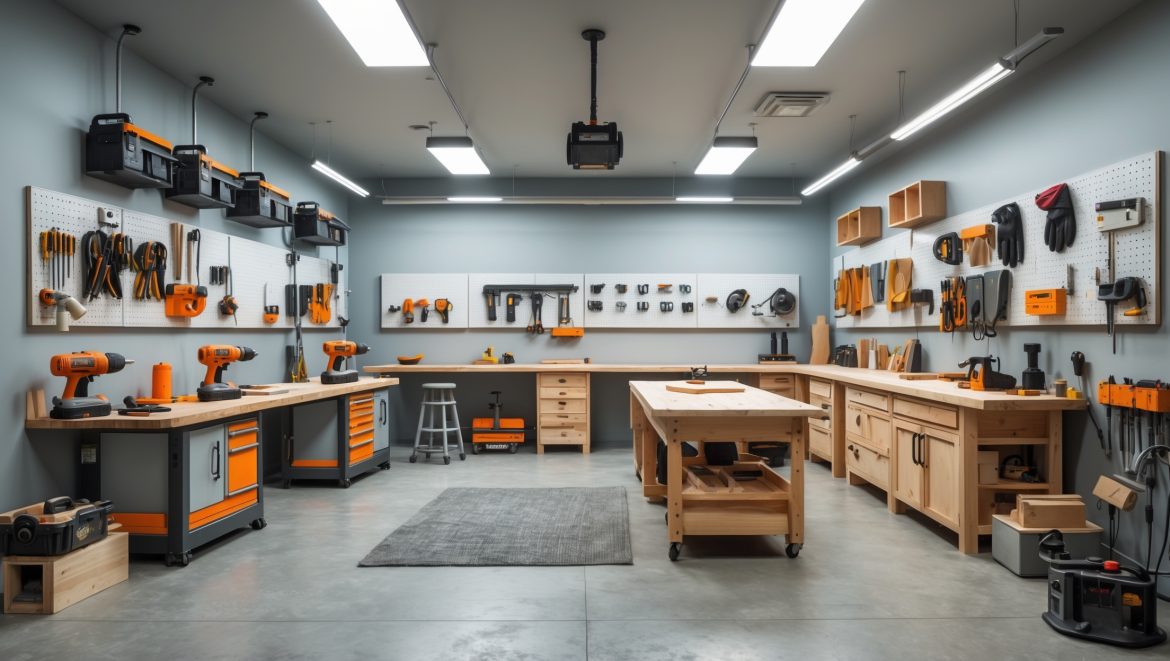
Clutter is the enemy of safety. Before plugging in any power tool, remove unnecessary objects from your workspace. Use pegboards, bins, and labeled shelves to keep tools accessible but out of the way. This not only prevents tripping hazards but also reduces the chance of knocking over tools mid-project.
Proper Lighting
Adequate lighting is critical—shadows can obscure blades and bits, leading to mistakes. Invest in adjustable, bright LED lights or daylight lamps to illuminate your work surface from multiple angles. If you work at night or in basements, supplement with portable task lighting.
Stable Surfaces
Always use stable, level workbenches or tables. Wobbly surfaces can cause tools to vibrate uncontrollably or slip, increasing the risk of accidents. Secure your workpiece using clamps or vises whenever possible.
Personal Protective Equipment (PPE): Don’t Skip the Basics
Eye Protection
Flying debris, dust, and splinters are common when working with power tools. Always wear ANSI-rated safety goggles or a face shield, even during quick jobs. Regular eyeglasses are not enough—they don’t provide side protection.
Hearing Protection
Many power tools emit noise levels above safe thresholds. Repeated exposure can cause gradual hearing loss. Use foam earplugs or earmuffs rated for industrial use, especially with sanders, saws, or rotary tools.
Respiratory Protection
Cutting, sanding, or burning materials releases fine dust and fumes. For most craft applications, a dust mask or N95 respirator is sufficient. If working with solvents, adhesives, or spray paints, upgrade to a mask with chemical filters and ventilate your workspace.
Hand and Skin Protection
Anti-cut gloves are recommended for handling sharp blades, but never wear loose gloves near spinning or rotating tools, as they can get caught. Instead, wear snug-fitting, grippy gloves when handling materials, and remove them when operating certain power tools as per the manufacturer’s guidance.
Appropriate Clothing
Avoid loose sleeves, scarves, and jewelry. Tie back long hair. Choose fitted, non-synthetic fabrics to reduce fire risk and prevent accidental entanglement.
Safe Operation Practices: Step-by-Step for Every Session
Pre-Use Checklist
- Inspect the tool and cord for visible damage.
- Ensure all safety guards are in place and functional.
- Check that the power switch is in the “off” position before plugging in.
- Test the tool briefly before starting your main task.
Focus and Attention
Distraction is a major cause of accidents. Silence your phone, keep children and pets away, and avoid multitasking. Never operate power tools if you’re tired, under the influence of medication, or consuming alcohol.
Proper Handling Techniques
- Always use two hands to guide the tool whenever possible.
- Keep hands away from moving blades, bits, or sanding surfaces.
- Let the tool reach full speed before making contact with the material.
- Never force the tool—let it do the work at its intended pace.
Power Management
Avoid overloading extension cords or power strips. Use grounded outlets and, where possible, ground-fault circuit interrupters (GFCIs), especially in damp or basement workspaces. Unplug tools immediately after use and before changing accessories or cleaning.
Material-Specific Safety Tips
Wood Crafting
Wood dust can be highly flammable and harmful when inhaled. Sand in well-ventilated areas and clean up sawdust promptly. Watch for nails or staples in reclaimed wood—they can damage blades and cause kickback.
Metal and Glass
Sparks and shards are common risks. Always use safety shields and vacuum up debris after cutting or grinding. Wear cut-resistant gloves for handling sharp edges, but remove gloves when feeding material into spinning tools to avoid entanglement.
Fabric and Leather
Rotary cutters and electric scissors can cause deep lacerations. Always cut on stable mats, keep fingers clear of the blade path, and store blades with guards engaged. Use slow, controlled movements to prevent slips.
Resins, Glues, and Paints
Heated glue guns, resin mixers, and spray tools can emit toxic fumes and cause burns. Wear gloves rated for chemical use, ventilate your space, and never touch tool tips or freshly applied adhesives until thoroughly cooled or cured.
Maintenance and Storage: Preventing Accidents Before They Happen
Regular Cleaning
Dust, glue, and debris buildup can impair tool function and cause jams. After each use, wipe down tools with a dry cloth and use compressed air to remove residue from vents and crevices. For glue guns and similar tools, remove any hardened adhesive from tips before storage.
Blade and Bit Care
Dull blades and bits require more force, increasing the risk of slips and kickbacks. Sharpen or replace components as recommended by the manufacturer. Always disconnect tools from power sources before changing blades or bits.
Safe Storage
Store power tools in dry, locked cabinets or drawers out of reach of children. Use blade covers and cord wraps to prevent accidental cuts or tripping hazards. Organize accessories and replacement parts in labeled containers for quick, safe access.
Emergency Preparedness: Be Ready for the Unexpected
First Aid Kit
Keep a fully stocked first aid kit within arm’s reach of your crafting area. Include bandages, burn ointment, eye wash, and tweezers for splinters or debris removal.
Fire Safety
Have a small, easily accessible fire extinguisher rated for electrical and chemical fires. Familiarize yourself with its operation and check the expiration date regularly.
Emergency Contacts
Post emergency phone numbers, including poison control and local urgent care, near your workspace. Make sure your phone is charged and easily accessible in case of accidents.
Safety for Shared and Family Craft Spaces
Childproofing
If you share your creative space with children, install locks on tool cabinets and use outlet covers. Teach older children about tool safety, even if they aren’t permitted to use power tools yet, to foster awareness.
Pet Safety
Pets can be curious and unpredictable. Use baby gates or closed doors to keep animals out while operating power tools. Secure loose cords and avoid leaving sharp objects within reach.
Continuing Education: Stay Up to Date
Workshops and Online Resources
Many local hardware stores and makerspaces offer free safety workshops. Online tutorials from reputable brands or professional crafters can provide valuable tips specific to your favorite tools or materials.
Joining Communities
Participate in online forums and social media groups focused on DIY and crafts. Share experiences and learn from others’ mistakes or innovations—collective wisdom is a powerful safety tool in itself.
Conclusion: Craft with Confidence, Create with Care
Empowering your creativity with power tools opens new horizons in the DIY and crafts world, but it also comes with responsibilities. Safety isn’t just a checklist—it’s a mindset that allows you to experiment and grow as a maker without jeopardizing your well-being. By understanding your tools, preparing your workspace, wearing appropriate protection, and practicing vigilant habits, you dramatically reduce the risk of accidents. Regular maintenance and readiness for emergencies further ensure that your crafting sessions remain enjoyable and productive. Remember, every project is an opportunity not just to create something beautiful, but to refine your skills—including the discipline of safety. Make each session a safe, rewarding experience, and you’ll find that your confidence and creativity will flourish together. Happy crafting—and stay safe!



You mentioned reading the manual every time you use a new power tool or attachment. For someone running a small studio with helpers, do you recommend a system to make sure everyone has read and understands these safety guidelines?
A good approach is to keep a logbook or checklist where each team member signs off after reading a manual for a new tool or attachment. You could also hold brief safety meetings or demonstrations, letting helpers ask questions and clarify instructions. This helps ensure everyone is informed and reduces the risk of accidents.
Could you give some tips on how to tell if a blade guard or safety feature has started to wear out or isn’t functioning properly? I’ve heard they can fail over time but I’m not sure what signs to look for.
Look out for cracks, splits, or any looseness in the blade guard. If it sticks, doesn’t move smoothly, or doesn’t return to its protective position automatically, that’s a problem. Also, check for rust, unusual noises, or any missing or bent parts. If anything feels off or doesn’t work as it did when new, it’s best to stop using the tool until it’s checked or repaired.
I’m totally new to power tools and setting up my first workspace. The article mentions safety locks and guards—are there any beginner-friendly brands or models that make these features really obvious or easy to use?
Absolutely, some brands design their tools with beginners in mind by making safety features like locks and guards very visible and straightforward. Brands such as Ryobi and Black+Decker are known for their clear, color-coded safety switches and easily adjustable guards. Look for tools labeled as beginner-friendly or entry-level, and always check the manual—these often highlight safety features with diagrams and step-by-step guides.
I’m just getting started setting up a workspace at home. How do I balance having enough space for safe tool operation without investing in expensive renovations or additions?
You can create a safe workspace by clearing out an existing area like a garage or spare room, ensuring there’s enough room to move around each tool comfortably. Use foldable tables, wall-mounted storage, and mobile tool carts to maximize space. Keep the area well-lit and clutter-free to prevent accidents, and only set up tools you need for the project at hand.
For someone on a budget just getting started, which basic safety features should be considered absolutely essential when purchasing their first power tools?
When buying your first power tools on a budget, look for features like a safety lock-off switch, a blade guard or shield, and non-slip grips. Double insulation and automatic shut-off mechanisms are also important for added protection. Even if you need to keep costs low, don’t compromise on these basic safety essentials.
Can you elaborate on how to properly maintain the safety mechanisms, like automatic shut-offs or blade guards, to ensure they work reliably over time? I worry about these features wearing out or sticking.
To keep safety mechanisms like automatic shut-offs and blade guards in good working order, regularly clean any dust or debris that might accumulate, as buildup can cause sticking. Lubricate moving parts as recommended by the tool’s manual. Periodically test features by triggering them in a safe manner to confirm they engage properly, and replace any worn or damaged components immediately to ensure reliability.
Could you elaborate on what specific maintenance routines I should be following for tools like sanders and rotary cutters to keep them safe and working well over time?
For sanders, regularly clean dust from vents, check and replace sanding pads when worn, and inspect power cords for damage. For rotary cutters, wipe blades clean after use, oil moving parts occasionally, and replace dull blades promptly. Storing both tools in a dry place and checking them before each use will help maintain their safety and performance.