
Introduction
Every creative journey begins in a space that inspires, energizes, and feels like home. For DIY enthusiasts and crafters, craft studios are sanctuaries of imagination—places where ideas become reality through paint, glue, fabric, wood, and more. Yet, amidst the flurry of scissors snipping, glue guns heating, and paints drying, many overlook a critical aspect: fire safety. Craft studios, often filled with flammable materials and powered tools, are uniquely susceptible to fire hazards. A single spark or careless storage choice can lead to devastating consequences, endangering not only your cherished creations but also your health, loved ones, and property.
Fire safety isn’t just for large industrial workshops or professional makerspaces—every hobbyist, artisan, or small business owner working from home must recognize and mitigate fire risks. This comprehensive guide empowers you to make your studio a safer place to create. You’ll learn how to identify common fire hazards, implement robust prevention measures, select and maintain fire safety equipment, and develop an actionable emergency response plan. Whether you’re setting up your first crafting corner or running a full-fledged creative business, these strategies will help protect your investment, provide peace of mind, and ensure your passion remains a source of joy—not anxiety.
Understanding Fire Risks in Craft Studios
Common Fire Hazards in Creative Spaces
Crafters often work with a surprising array of materials and tools that increase the risk of fire. Awareness is the first step toward prevention. Here are typical hazards found in DIY studios:
- Hot Tools: Glue guns, heat embossing tools, soldering irons, pyrography pens, and other heated equipment can ignite nearby materials or cause burns if left unattended.
- Flammable Supplies: Solvents, spray adhesives, acrylic paints, alcohol inks, varnishes, and cleaning fluids may ignite under certain conditions.
- Dust Accumulation: Sawdust, fabric lint, and paper scraps can be highly flammable and may ignite from electrical sparks or overheating equipment.
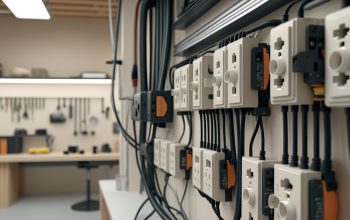
- Improper Electrical Setups: Overloaded power strips, damaged cords, and poorly maintained outlets are common sources of short circuits and fires.
- Open Flames: Candles, alcohol burners, and Bunsen burners (used in some craft processes) pose obvious ignition risks.
Why Craft Studios Are Especially Vulnerable
Unlike industrial spaces, home studios may lack dedicated ventilation, professional-grade fire suppression, or code-compliant wiring. Additionally, crafters often repurpose rooms (attics, basements, garages), which may have hidden hazards like old insulation or exposed wiring. The mix of combustibles and heat sources, combined with creative focus, means distractions can override caution.
Fire Prevention: Smart Strategies for Crafters
Organizing and Storing Flammable Materials
- Label Everything: Use clear, durable labels for all containers holding solvents, adhesives, or chemicals. Store in original packaging when possible to retain safety information.
- Dedicated Storage: Keep flammable liquids in a metal flammables cabinet or a designated, ventilated area away from heat sources and direct sunlight.
- Minimal Quantities: Only keep what you need for current projects; store bulk supplies outside the main work area.
- Sealed Containers: Always close lids tightly after use to minimize fumes and evaporation.
Safe Use of Hot Tools and Open Flames
- Heat-Resistant Surfaces: Place hot tools on ceramic tiles, silicone mats, or metal trays when in use or cooling.
- Unplug When Not in Use: Always unplug glue guns, irons, and similar tools immediately after use.
- Supervision: Never leave heating or open flame tools unattended, even for a minute.
- Distance from Flammables: Maintain at least a 3-foot (1-meter) buffer between hot tools and any flammable materials.
Electrical Safety Best Practices
- Inspect Cords Regularly: Check for fraying, cracks, and exposed wires. Replace damaged cords immediately.
- Avoid Daisy-Chaining: Plugging multiple power strips into each other can overload circuits. Use a power strip with a built-in circuit breaker, and don’t exceed its capacity.
- Professional Installation: If you need additional outlets or lighting, hire a licensed electrician to ensure the wiring meets local codes.
- Keep Outlets Clear: Don’t block outlets with heavy furniture or supplies, which can overheat and pose a fire risk.
Housekeeping: Keeping Your Studio Tidy and Safe
- Daily Cleanup: Sweep or vacuum up sawdust, lint, and scraps at the end of each session. Use a vacuum with a HEPA filter for fine dust.
- Dispose of Waste Properly: Oily rags, solvent-soaked papers, or paint-stained towels should be placed in a metal container with a tight-fitting lid and disposed of frequently.
- Declutter Work Surfaces: The less clutter, the fewer opportunities for fire to spread.
Essential Fire Safety Equipment for DIY Studios
Choosing and Maintaining Fire Extinguishers
- ABC-Rated Extinguisher: These handle most craft studio fires (combustibles, flammable liquids, electrical equipment).
- Proper Size: For small studios up to 200 sq ft, a 2.5 lb extinguisher is adequate; larger spaces may need a 5 lb unit.
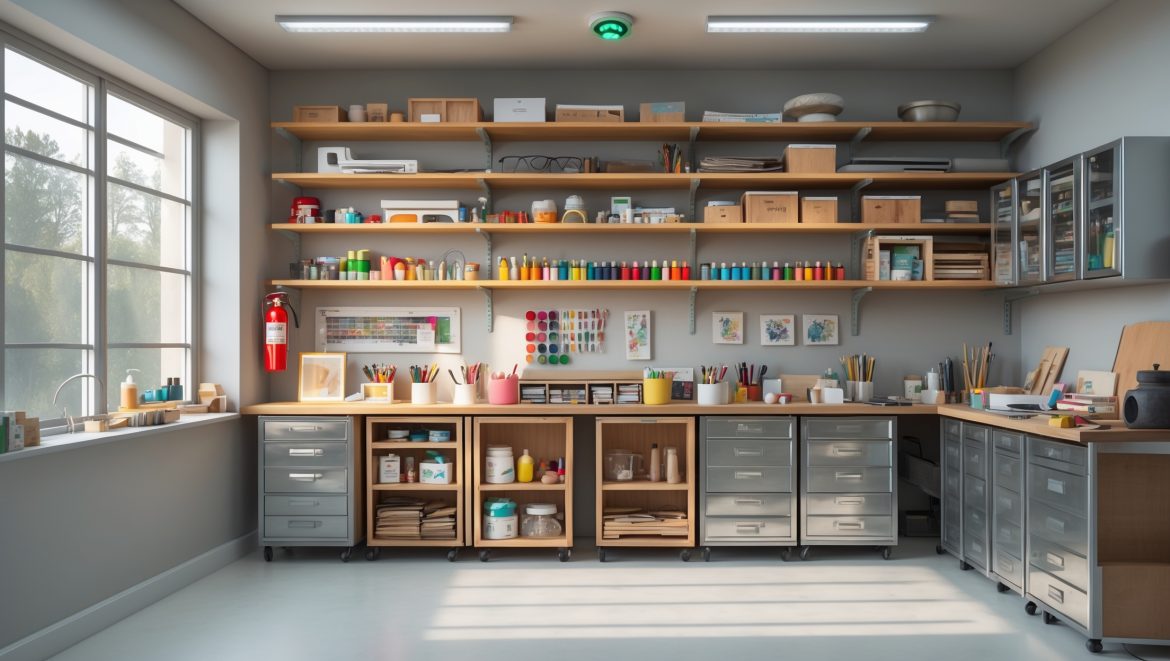
- Accessible Placement: Mount the extinguisher near the exit, not buried behind supplies or furniture.
- Monthly Checks: Inspect pressure gauges, ensure the safety pin is in place, and verify no visible damage.
- Annual Servicing: Have extinguishers professionally inspected and serviced as recommended by the manufacturer.
Smoke and Heat Detectors: Placement and Testing
- Install at Least One Smoke Detector: Place on the ceiling (away from vents) where smoke would naturally rise. For multi-room studios, install in each workspace.
- Heat Detectors: For areas with frequent dust (which can trigger false alarms), consider a heat detector in addition to a smoke detector.
- Test Monthly: Press the test button to ensure alarms work; replace batteries every 6–12 months.
- Replace Every 10 Years: Smoke detectors lose sensitivity and should be replaced per the manufacturer’s recommendation.
Fire Blankets and Safe Exits
- Fire Blanket: Mount a fire blanket in an easily accessible location to smother small fires on workbenches or clothing.
- Clear Escape Routes: Keep all doorways and pathways unobstructed. Don’t stack supplies near exits.
- Secondary Exit: If your studio is in a basement or attic, ensure a window or alternate exit is accessible in an emergency.
Emergency Planning: What Every Crafter Needs to Know
Creating a Fire Emergency Plan
- Know Your Exits: Identify all possible escape routes. Practice opening windows or doors that may stick.
- Establish a Meeting Point: Choose a safe spot outside your home or studio where everyone will gather after evacuating.
- Share the Plan: Make sure family, housemates, or employees know the emergency procedures.
- Emergency Contacts: Post important numbers (fire department, poison control, emergency contacts) near the exit and in your phone.
Fire Drills: Practicing Your Response
- Simulate a Drill: Practice leaving the studio quickly and safely. Include scenarios like blocked exits or heavy smoke.
- Review Extinguisher Use: Learn the PASS method (Pull, Aim, Squeeze, Sweep) for operating an extinguisher.
- Time Yourself: See how quickly you can exit the space. Aim for under two minutes.
Protecting Important Creations and Business Records
- Fireproof Storage: Store critical business documents, templates, and irreplaceable artwork in a fireproof safe.
- Digital Backups: Scan important papers and back up files to the cloud or an offsite location.
Studio Upgrades for Enhanced Fire Safety
Building Materials and Layout
- Fire-Resistant Surfaces: Upgrade countertops to metal, tile, or treated wood. Avoid flammable curtains or rugs near workbenches.
- Ventilation: Install exhaust fans or openable windows to disperse fumes and reduce fire risk.
- Strategic Layout: Place flammable materials and hot tool zones away from exits and high-traffic areas.
Electrical System Upgrades
- Surge-Protected Outlets: Install outlets with built-in surge protection to prevent electrical fires from power surges.
- Dedicated Circuits: For heavy-duty tools or multiple machines, ask an electrician to install dedicated circuits to prevent overloads.
- GFCI Outlets: Especially important for studios in basements or garages to reduce shock and fire risks.
Special Considerations for Home-Based Craft Businesses
Insurance and Compliance
- Review Your Policy: Ensure your homeowner’s or renter’s insurance covers craft-related fire damage. Consider additional business insurance if you sell your crafts.
- Local Regulations: Some municipalities require fire safety inspections or permits for home-based businesses. Check with your local authority.
Educating Employees and Family Members
- Safety Briefings: Train anyone who enters or works in your studio on fire prevention and emergency procedures.
- Clear Signage: Post signs indicating extinguisher locations, exits, and emergency contacts.
Conclusion
Fire safety may not be the most glamorous aspect of creative living, but it is one of the most vital for any DIYer, crafter, or home-based entrepreneur. By proactively assessing risks, implementing robust prevention measures, and equipping your studio with the right tools and knowledge, you safeguard not only your artistic output but also your livelihood and well-being. The peace of mind that comes from knowing your workspace is protected allows you to focus on what truly matters: expressing your creativity without fear or interruption.
Start by making small, practical changes—reorganize your supplies, invest in a quality extinguisher, test your smoke alarms, and clarify your emergency plan with everyone who shares your space. Over time, these habits become second nature, transforming your studio into a safe haven for creativity. Remember, the investment you make in fire safety today can mean the difference between a minor mishap and a major loss tomorrow. Stay vigilant, stay passionate, and let your craft thrive in a secure, well-prepared studio. Happy (and safe) crafting!


I use a mix of hot tools for my projects and sometimes I get distracted with family stuff. Is there a way to set up automatic shut-offs or safer power sources for things like glue guns and soldering irons to lower the risk of leaving them on accidentally?
Absolutely, there are several ways to add extra safety. Many newer glue guns and soldering irons have built-in automatic shut-off features—upgrading to these models can provide peace of mind. Alternatively, you can use outlet timers or smart plugs, which cut off power after a set time or can be controlled from your phone. Both options help reduce the risk when distractions happen.
For someone who shares their crafting space with roommates or family, what’s the simplest way to create an emergency response plan everyone can easily remember and follow?
Keep your emergency response plan simple by focusing on three main points: designate clear exit routes, assign roles (like who will call for help), and post a list of emergency contacts where everyone can see it. Practice a quick walkthrough together so everyone knows what to do if a fire occurs.
I’m just setting up my first craft studio and didn’t realize how many common supplies are flammable. Do you have any tips on organizing paints and solvents so they’re safe but still easy to access while I’m working?
Store paints and solvents in clearly labeled, airtight containers on sturdy shelves, keeping them away from direct sunlight and heat sources. Use a dedicated metal cabinet if possible for added fire safety. Place the materials you use most often at eye level, and keep only small amounts at your workspace—refilling as needed—to minimize risk while maintaining convenience.
How often should I check or replace fire safety equipment in a home studio? I’m on a tight budget, so I want to prioritize the most important tools first.
For a home studio, it’s wise to check smoke alarms and fire extinguishers monthly to ensure they’re working. Replace smoke alarm batteries yearly and the entire alarm every 10 years. Fire extinguishers should be replaced or serviced every 5–10 years, depending on type. Prioritize having at least one working smoke alarm and one multipurpose extinguisher as your top essentials.
I’m wondering if you have any advice on setting up an emergency response plan for solo artists working from home, as opposed to those in larger shared studios.
For solo artists working from home, make sure you have easy access to a fire extinguisher and smoke alarm, and keep emergency numbers handy. Plan clear exit routes and communicate your emergency plan to anyone who visits your workspace. Regularly check that pathways to exits remain uncluttered, and practice your escape plan occasionally to ensure you’re prepared.
I’m curious how often you recommend checking or replacing fire safety equipment like extinguishers in a small home craft studio. Is there a standard schedule, or does it depend on the materials you’re using most often?
For a small home craft studio, fire extinguishers should typically be checked monthly to ensure they’re charged and accessible, and professionally serviced or replaced every 1 to 2 years, depending on the manufacturer’s recommendations. While the standard schedule applies to most studios, if you regularly use highly flammable materials, you may want to inspect your equipment more frequently for extra peace of mind.
I noticed the article talks about hot tools like glue guns and soldering irons. What are some affordable options for heat-resistant mats or tool storage to make a studio safer on a student budget?
For a student budget, silicone baking mats or trivets work really well as heat-resistant surfaces for glue guns or soldering irons and are often cheaper than specialty craft mats. For storage, consider metal trays, ceramic dishes, or repurposed kitchen containers—these can safely hold hot tools and are usually inexpensive at discount or thrift stores.