
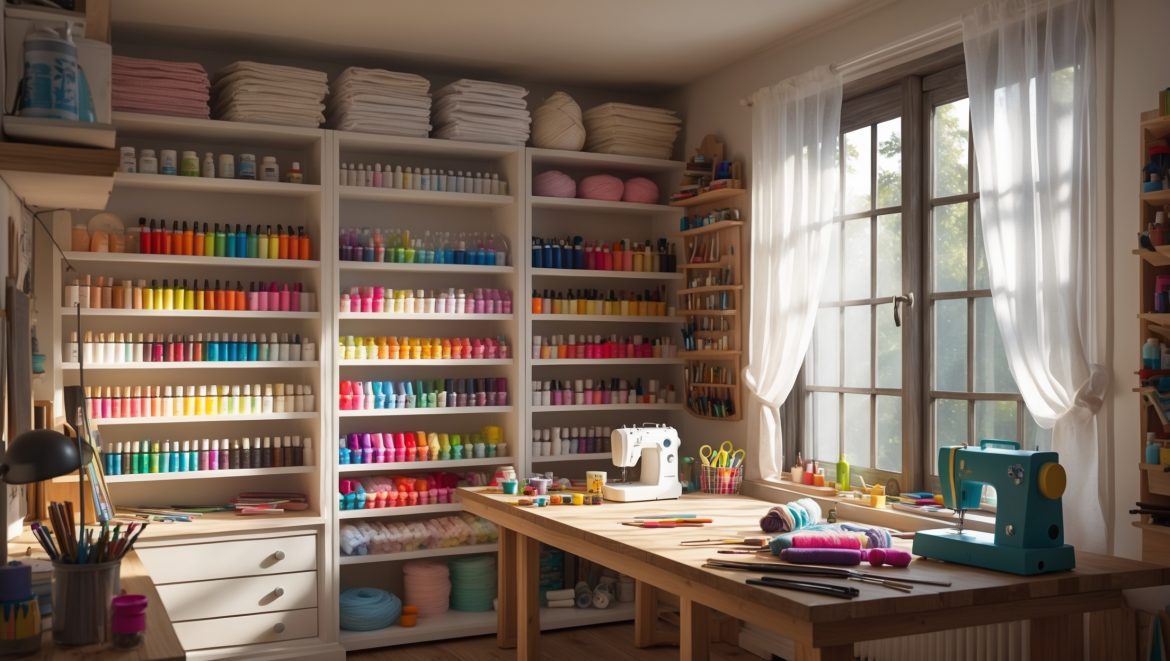
Introduction: Unlocking the Potential of a Spare Room
For many creative enthusiasts, the dream of having a dedicated craft studio often feels just out of reach—especially when space and budget are limited. But what if the solution is already inside your home? This case study details how an enterprising crafter transformed an underused spare room into a thriving, profit-generating DIY craft studio. Through a step-by-step exploration, we’ll unpack the planning, budgeting, challenges, and clever solutions that made this transformation possible. Whether you’re a hobbyist or an aspiring craft seller, this real-world example offers actionable strategies to maximize your space, minimize costs, and set yourself up for creative—and financial—success.
From the initial assessment of the space to final organization tips, you’ll learn how to approach your own project with confidence. Discover practical advice on sourcing materials, optimizing your workflow, and even leveraging your new studio for business growth. By the end, you’ll see that with a clear plan and a little ingenuity, your dream craft studio could be just a weekend away.
Meet the Maker: Background and Goals
Our case study follows Alex, an avid crafter specializing in handmade candles and decorative papercrafts. After years of working at the kitchen table, Alex realized the need for a dedicated workspace—not just for comfort, but to expand into selling at local markets and online. The only available option: a cluttered 10×12-foot spare room, previously used for storage and the occasional guest.
- Primary Goal: Create an organized, inspiring studio for crafting, with enough storage and work surfaces to support both personal projects and small-batch production for sale.
- Secondary Goal: Keep costs under $1,000, using as many upcycled and DIY solutions as possible.
Step 1: Assessing the Space and Setting a Vision
Taking Inventory
Alex began by emptying the room completely and taking stock of what was already available: a sturdy desk, a tall bookshelf, and a ceiling light fixture. Walls were painted a neutral cream, and the only window provided good natural light for much of the day.
Defining Requirements
- Work Surfaces: At least 6 feet of clear workspace for crafting and packing orders.
- Storage: Accessible shelving for supplies, tools, and finished products.
- Lighting: Task lighting for fine detail work, especially in the evenings.
- Inspiration: A visually appealing setup to boost creativity and motivation.
Step 2: Budgeting and Cost Breakdown
With a modest budget, every dollar needed to count. Alex created a detailed cost plan before buying anything:
- Paint & Supplies: $50 (freshen up walls and touch-up trim)
- Task Lighting: $80 (two adjustable LED lamps)
- Storage Solutions: $200 (mix of new and secondhand shelving, bins, and drawer units)
- Work Table: $150 (DIY from reclaimed wood and sawhorse legs)
- Organizers: $60 (pegboard, jars, drawer dividers)
- Decor & Inspiration Board: $40
- Miscellaneous: $70 (extension cords, surge protector, ergonomic chair cushion)
Total Spent: $650 (well under budget, with some funds reserved for future upgrades)
Step 3: Clearing and Prepping the Room
Before moving in new furniture, the room needed a reset. Alex followed these steps:
- Removed all existing clutter, donating or discarding unused items.
- Patched small nail holes and touched up paint for a fresh, clean base.
- Deep cleaned windows, baseboards, and flooring to eliminate dust—crucial for crafts like candle-making.
- Assessed outlets and power needs, mapping out where tools and lamps would be plugged in.
This prep work set the stage for a highly functional, inviting studio.
Step 4: Designing the Layout
Maximizing Natural Light
The main work table was positioned next to the window, taking advantage of daylight for color accuracy and comfort. Alex used a lightweight, mobile table (built from reclaimed wood) that could be shifted as needed for different projects.
Creating Zones
- Assembly Zone: For hands-on crafting, with easy access to essential tools and materials.
- Finishing & Packing Zone: A smaller desk for labeling, wrapping, and prepping orders for shipping or market display.
- Storage Zone: Tall shelves against one wall held bins for supplies, organized by type (paper, wax, embellishments, adhesives, etc.).
- Inspiration Zone: A corkboard and small gallery wall displayed favorite designs and seasonal mood boards.
Flexible Storage Solutions
Rather than investing in expensive modular systems, Alex repurposed existing furniture and added affordable bins and baskets. Drawer units from a thrift store were cleaned up and painted to match, while clear jars kept small items (buttons, ribbons, beads) visible and accessible.
Step 5: Lighting and Comfort Upgrades
Task Lighting
Two adjustable LED task lamps (one clamped to the work table, one on the desk) provided bright, flicker-free illumination for evenings and detail work. A surge protector with a switch made it easy to control all lights and charge devices safely.
Ergonomics
Recognizing the risks of long crafting sessions, Alex added a memory foam cushion to an existing office chair and used a small anti-fatigue mat at the work table. Tools and frequently-used materials were arranged within easy reach to minimize repetitive strain.
Step 6: Organizing Tools and Supplies
Pegboard System
Above the main work surface, a pegboard (painted to match the walls) held scissors, rulers, tape, and other tools. Hooks and small baskets kept everything visible but tidy, reducing time spent hunting for supplies.
Labeling and Inventory
- Stackable bins were labeled with their contents for easy access.
- Alex started a simple spreadsheet to track inventory of key materials—especially useful when buying in bulk or prepping for a market.
Storing Finished Products
Finished candles and papercrafts were stored in lidded containers on higher shelves, away from direct sunlight and dust. This protected inventory and made packing for sales events quick and efficient.
Step 7: Adding Personality and Inspiration
Alex wanted the space to feel both creative and calming. Small touches made a big impact:
- DIY bunting and framed samples of favorite projects hung on the walls.
- An inspiration board rotated with seasonal color palettes, sketches, and market goals.
- A small Bluetooth speaker for music and podcasts during long crafting sessions.
- Low-maintenance plants brought a touch of nature and helped improve air quality.
Step 8: Workflow and Productivity Strategies
Establishing Routine
With the studio set up, Alex developed a weekly schedule to balance creative work, production, and business tasks:
- Monday: Inventory check and supply ordering
- Tuesday–Thursday: Crafting and production
- Friday: Finishing and packing orders
- Saturday: Photography and social media content creation
- Sunday: Studio tidy-up and planning for the week ahead
Batch Processing
Tasks like pouring candles or cutting paper pieces were batched to maximize efficiency and reduce setup/cleanup time. This approach improved output and left more time for creative exploration.
Step 9: Monetizing the Studio
Transition to Selling
With the new studio, Alex was able to:
- Increase production volume, enabling participation in monthly craft markets.
- Establish an online shop for candles and custom papercrafts.
- Streamline order fulfillment, leading to faster shipping and better customer reviews.
Photography Upgrades
A small corner with a neutral backdrop and adjustable lighting was set up for product photography. This boosted the quality of online listings and social media posts, resulting in more sales.
Challenges and Lessons Learned
- Storage is never enough: Plan for more than you think you need, especially as your craft business grows.
- Lighting is key: Invest in quality, adjustable task lighting to reduce eye strain and improve the look of your creations.
- Stay flexible: As your projects or product lines change, be willing to rearrange zones and storage systems.
- Budget for upgrades: Keep a small fund for future equipment or comfort improvements.
Before & After: Visual Transformation
The once-neglected spare room is now a vibrant, functional workspace. Alex shared before-and-after photos highlighting the difference: where there was once clutter and dim lighting, now there is a bright, organized studio humming with creative energy.
Conclusion: Your Turn to Transform a Spare Room
Alex’s journey proves that you don’t need a huge budget or a custom-built addition to realize your dream craft studio. With intentional planning, resourcefulness, and a focus on workflow, any spare room can become a haven for creativity and even a springboard for business growth. Start by defining your own needs and taking inventory of both your available space and materials. Don’t be afraid to repurpose what you have or hunt for bargains—often, the most unique studios come from a mix of old and new, thrifted and handmade. Focus on lighting, comfort, and organization to create a space you look forward to using every day.
Monetizing your craft doesn’t require perfection; it requires consistency and efficiency. Invest in storage and workflow systems that grow with you, and remember that small upgrades—like better task lighting or a dedicated photography zone—can yield outsize returns. Most of all, let your studio reflect your personality and passion; the more inspiring your workspace, the more inspired your work will be. Whether you’re making for pleasure or profit, your spare room holds the potential to become the creative heart of your home. Why not start your own transformation this weekend?

Did Alex face any challenges organizing both candle-making supplies and papercraft materials in the same small room? I struggle with keeping different craft materials separate, so I’d love tips on managing that.
Alex did mention it was tricky to organize both candle-making and papercraft supplies in the same space. To manage this, Alex used clear storage bins with labels for each craft type, and dedicated specific shelves for each activity. Keeping similar items together and regularly tidying up helped prevent things from mixing. Using vertical storage and drawer organizers also made a big difference.
I’m curious how long the entire process took from clearing out the spare room to having a fully functional studio. Was it really possible to finish in just a weekend as mentioned at the end?
The article describes completing the transformation over the course of a single weekend, which was possible because of careful planning, minimal structural changes, and using ready-made storage solutions. With everything prepped and supplies on hand, the main tasks—decluttering, painting, assembling furniture, and organizing—were done efficiently within two days as mentioned.
How did Alex decide which items to prioritize for upcycling versus buying new when outfitting the studio, especially with the $1,000 budget limit in mind?
Alex focused on upcycling larger furniture pieces, like tables and shelves, since these could be sourced for little or no cost and customized to fit the studio’s needs. For items that require durability or safety, such as lighting and storage bins, Alex chose to buy new within the budget. This balance helped maximize both savings and function in the studio.
How long did the entire transformation process take from start to finish? I would like to plan something similar but want a realistic idea of the time commitment involved.
The entire transformation took about six weeks from start to finish. This included clearing out the room, painting, installing new shelving and storage, setting up workstations, and decorating. Depending on your availability and the scale of your project, your timeline might be a bit shorter or longer.
What were some of the biggest challenges Alex faced when setting up the studio for both personal crafting and small-batch production? I’m interested in balancing creative space with business needs.
Alex had to tackle space management as a major challenge, making sure there was enough room for both creative work and efficient production. Organizing materials without cluttering the workspace and choosing flexible storage solutions helped. Setting up separate zones—a crafting area and a production area—also played a big role in balancing personal projects with small-batch business operations.
You mentioned Alex specialized in both candles and papercrafts. How did they set up the workspace to accommodate the needs of these two different crafts without things getting cluttered or materials mixing?
Alex organized the studio by designating separate zones for each craft. One side was set up with shelves and a table specifically for candle making, with storage for wax, scents, and molds. The other side held drawers and organizers for papercraft supplies like papers, cutters, and embellishments. This clear separation, along with labeled containers, helped prevent clutter and kept materials from mixing.
After organizing the studio, how long did it take for Alex to start selling at local markets or online? Was there anything about the setup that needed to be changed once the business grew?
Alex began selling crafts at local markets and online about two months after completing the studio setup. As the business grew, Alex found it necessary to add more storage for materials and reorganize the workspace to handle larger orders more efficiently. Adjusting the layout helped streamline packing and shipping tasks.
How did Alex decide which materials to upcycle versus buy new when working within the $1,000 budget? I’m curious if there were any compromises on quality or function to save money.
Alex prioritized upcycling materials that were sturdy and still functional, like shelving and storage units, which helped stretch the $1,000 budget. New items, such as lighting and essential tools, were purchased for safety and reliability. There were some compromises, mainly in aesthetic details, but Alex made sure not to sacrifice quality or function for the main studio features.