
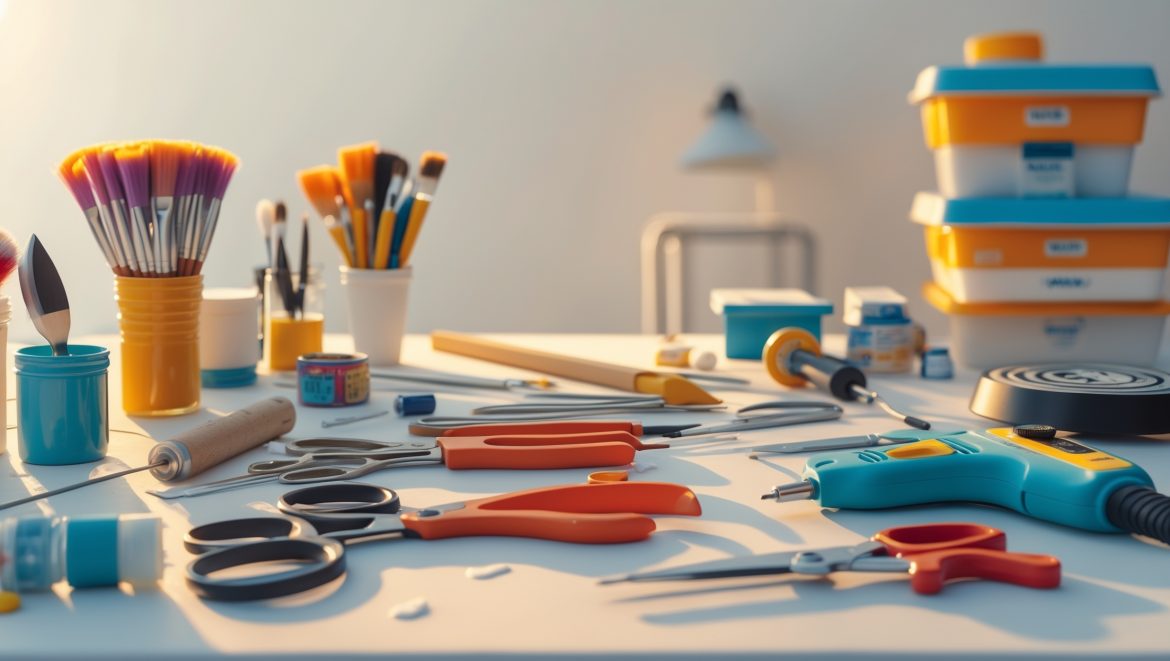
Introduction: Why Craft Tool Maintenance Matters
Behind every beautiful DIY project is a set of reliable, well-maintained tools. Whether you’re a hobbyist or a semi-professional crafter, your tools are the backbone of your creative process. Yet, too often, craft tools are left neglected—scissors dulled by fabric glue, paintbrushes stiff from dried acrylic, rotary cutters skipped over for newer ones. Over time, this neglect leads to frustration, wasted materials, unexpected costs, and even safety hazards. Proper tool maintenance isn’t just about keeping your crafting area tidy; it’s about protecting your investments, ensuring consistent project quality, and making your creative time more enjoyable and productive. In this comprehensive guide, we’ll walk through practical, actionable maintenance best practices for the most common DIY craft tools and equipment. You’ll learn how to prolong tool lifespan, optimize performance, and create a safer, more inspiring workspace. Whether you sew, paint, knit, or work with wood, these expert strategies will help you get the most from every tool you own.
Understanding Your Craft Tools: Categories and Materials
Before diving into maintenance routines, it’s essential to recognize the variety of tools in the DIY craft world and the materials they’re made from. Each category requires unique care:
- Cutting Tools: Scissors, rotary cutters, craft knives, paper trimmers.
- Measuring Tools: Rulers, tape measures, squares.
- Adhesive Tools: Hot glue guns, glue applicators, spray adhesive nozzles.
- Painting and Finishing Tools: Brushes, rollers, palettes, sponges.
- Sewing Equipment: Needles, sewing machines, pins, seam rippers.
- Electrical Tools: Mini drills, soldering irons, heat embossing tools.
- Storage and Organization: Toolboxes, bins, magnetic strips, drawer organizers.
Materials range from stainless steel and aluminum to plastics, wood, and synthetic bristles. Each reacts differently to cleaning agents, moisture, and wear-and-tear, so understanding your tools is the first step toward effective maintenance.
Daily and Weekly Maintenance Routines
Daily Quick-Clean Habits
- Wipe Down Surfaces: Use a soft, lint-free cloth to remove dust, glue residue, and paint splatters from all tool surfaces at the end of each crafting session.
- Check for Residue: Inspect scissors, rotary blades, and craft knives for sticky adhesive or fiber buildup. Use rubbing alcohol or a specialty cleaner to remove stubborn spots.
- Store Properly: Return each tool to its designated spot—scissors into holders, brushes upright, small parts in labeled bins. This prevents loss and accidental damage.
- Empty Trash and Scraps: Clear workstations of paper trimmings, fabric scraps, and thread so they don’t interfere with tool operation or get stuck in mechanisms.
Weekly Deep-Clean Tasks
- Sharpen Cutting Tools: Use a sharpening stone or tool-specific sharpener for scissors, rotary cutters, and craft knives. Wipe blades with an oiled cloth to prevent rust.
- Clean Paint Brushes and Rollers: Wash with appropriate solvent (water for acrylic, mineral spirits for oils). Gently reshape bristles and let dry flat or hanging with bristles down.
- Lubricate Moving Parts: Add a drop of sewing machine oil or silicone lubricant to hinges, springs, and gears on scissors, rotary cutters, and sewing machines.
- Inspect Electrical Tools: Unplug and wipe down heat tools, glue guns, and mini drills. Clear vents or nozzles to prevent blockages and overheating.
- Reorganize and Audit Supplies: Take stock of tool condition, discard broken items, and ensure commonly-used tools are accessible.
Tool-Specific Maintenance Best Practices
Cutting Tools: Scissors, Rotary Cutters, Craft Knives
- Scissors: Clean blades after use, especially if cutting adhesive-backed materials. Sharpen as needed, and avoid using fabric scissors on paper to prevent dulling.
- Rotary Cutters: Disassemble and clean the blade housing regularly. Replace blades at the first sign of dullness or nicks.
- Craft Knives: Snap off or replace blades frequently. Store with blade covers on and keep away from moisture to prevent rust.
Sewing Machines and Accessories
- Sewing Machines: Remove lint from the bobbin area and feed dogs after every project. Oil as directed in the manual. Schedule a professional tune-up annually.
- Needles and Pins: Discard bent or blunt needles immediately. Store in magnetic cases or pin cushions to prevent loss and injury.
- Seam Rippers: Protect the blade with a cap. Replace if dull to avoid fabric snags.
Adhesive Tools: Glue Guns and Applicators
- Hot Glue Guns: Unplug and cool before cleaning. Remove excess glue from the nozzle with a soft cloth. Check for cord frays or melted areas.
- Squeeze Bottles and Applicators: Rinse nozzles after each use, especially for fast-drying glues. Store upright to prevent clogs.
Painting and Finishing Tools
- Paintbrushes: Never let paint dry on bristles. Use brush soap or cleaner, and gently comb out fibers. Store upright or hanging.
- Rollers and Sponges: Rinse thoroughly after use, squeeze out water, and let air dry completely to prevent mildew.
- Palettes: Scrape off excess paint before cleaning. Acrylic palettes benefit from a soak in warm, soapy water.
Measuring and Marking Tools
- Rulers and Tape Measures: Wipe off any adhesive or ink residue. Retract tape measures fully and store flat to prevent warping.
- Marking Tools: Keep chalk, pencils, and fabric markers capped or stored in a dry container. Replace dried or broken tips.
Electrical Craft Tools
- Mini Drills and Soldering Irons: Unplug and allow to cool before cleaning. Wipe exteriors with a dry cloth; clean tips with a brass wire brush or sponge.
- Heat Embossing Tools: Remove dust from vents. Store in a dust-free container when not in use.
Safe Storage Solutions for Longevity
Proper storage is as vital as cleaning. Follow these storage strategies to extend tool life:
- Climate Control: Keep tools in a dry, temperate room. Avoid basements and attics prone to humidity, which causes rust and mold.
- Organized Containers: Use divided bins, drawer organizers, or wall racks to prevent tools from knocking together and dulling or chipping.
- Magnetic Strips: Secure scissors, metal rulers, and small hand tools for easy access and reduced clutter.
- Protective Cases: Store delicate tools like specialty scissors, rotary cutters, and needles in padded cases or sheaths.
- Labeling: Clearly label storage containers for efficient access and to discourage improper tool use (e.g., fabric scissors labeled “Fabric Only”).
Repair and Replacement: Knowing When to Act
Even with diligent care, all tools eventually wear out. Recognizing when to repair vs. replace is crucial for safety and efficiency:
- Repair: Minor blade nicks, loose screws, or worn grips can often be fixed at home with the correct supplies. Consult manufacturer guidelines for compatible parts.
- Replacement: Replace tools with cracked handles, rusted blades, or electrical faults (frayed cords, persistent overheating). Continuing to use damaged tools risks injury and project quality.
- Recycle or Donate: Some manufacturers offer recycling programs for old tools. Donate still-usable items to schools or community centers.
Preventing Common Maintenance Pitfalls
Many crafters make avoidable mistakes that shorten tool life. Here’s what to watch out for:
- Ignoring Manufacturer Instructions: Always read tool manuals for specific cleaning and lubrication advice. Using the wrong oil or solvent can cause damage.
- Using Tools for Multiple Purposes: Avoid using fabric scissors on paper, or paint brushes for glue, to prevent premature wear.
- Skipping Regular Checks: Set reminders to inspect tools monthly, especially before starting large projects.
- Improper Drying: Never store tools while wet; this is a recipe for rust and mold.
- Overlooking Safety Features: Ensure all guards, covers, and child-safety locks are functioning and in place.
Building a Maintenance Schedule That Works
Consistency is key to effective maintenance. Here’s how to build a routine that fits your crafting lifestyle:
- Daily: Quick wipe-downs, residue checks, proper storage.
- Weekly: Deep-cleaning, lubrication, tool audits.
- Monthly: Sharpening, electrical tool inspection, inventory updates.
- Seasonally: Full workspace clean-up, decluttering, and tool donation or replacement drive.
Use a wall chart, digital checklist, or phone reminders to stay on track. Many crafters find it helpful to tie maintenance routines to the end of a project or before starting a new season of crafting.
Conclusion: Craft More, Worry Less
Maintaining your DIY craft tools isn’t just a chore—it’s a creative investment. Well-cared-for equipment delivers cleaner cuts, smoother finishes, and more enjoyable crafting sessions. By implementing the best practices outlined in this guide, you’ll save money, reduce frustration, and keep your creative momentum going strong. Remember, a few minutes spent cleaning, storing, and inspecting your tools can add years to their lifespan and help prevent injuries. As you build these habits into your crafting routine, you’ll find your workspace more inviting and your projects more successful. Ultimately, tool maintenance is about honoring your craft and ensuring every idea gets the quality treatment it deserves. So next time you finish a project, take a moment to thank your tools—by giving them the care they need to serve you for years to come.



For someone on a budget just getting started, which maintenance supplies are absolutely essential to buy first when caring for basic craft tools like scissors, rulers, and paintbrushes?
When starting out on a budget, focus on the basics: a soft cleaning cloth, mild soap, and a small bottle of rubbing alcohol. These will help you clean scissors, rulers, and paintbrushes. If you use paintbrushes, a gentle brush cleaner or mild dish soap is also very helpful for removing paint residue.
How often should I be cleaning or maintaining painting brushes to make sure they don’t go stiff from dried acrylic, especially if I only craft on weekends?
If you use your brushes only on weekends, it’s best to clean them thoroughly right after each painting session. Acrylic dries quickly, so even short delays can cause bristles to stiffen. Rinse brushes in water immediately after use, and deep clean with brush soap every couple of weeks to keep them in great shape.
For busy parents who don’t have much time, what are some quick daily or weekly maintenance habits we can do to keep our most-used craft tools in good shape?
To keep your craft tools in great shape with minimal effort, set aside a minute at the end of each session to wipe down scissors, blades, and cutting mats to remove glue or residue. Store everything in a dry spot and check weekly for any loose screws or dull edges. These small habits prevent bigger issues and keep tools ready for use.
For someone with a limited budget, which maintenance practices offer the best value when it comes to prolonging the lifespan of commonly used tools like scissors or paintbrushes?
Focusing on regular cleaning and proper storage offers the best value for prolonging scissors and paintbrushes. Wipe scissors after use to prevent rust and always dry paintbrushes thoroughly, shaping the bristles before storing upright. Avoid soaking tools in water or leaving them dirty—these habits cost nothing but make a big difference in keeping your tools in good shape.
If my rotary cutter is starting to skip cuts even after basic cleaning, what troubleshooting steps should I try before deciding to replace the blade?
If your rotary cutter is still skipping cuts after a basic cleaning, check that the blade is installed correctly and tightened properly. Sometimes a loose or misaligned blade causes uneven performance. Also, inspect the blade for nicks or bends, and clean around the blade’s housing to remove any hidden lint or debris. These steps can often resolve the issue before a replacement is needed.
What would you recommend as essential cleaning supplies or products for maintaining craft knives and rotary cutters, especially for someone on a student budget?
For craft knives and rotary cutters, you really just need basic supplies. Isopropyl alcohol is perfect for cleaning sticky residue off blades. Use a soft cloth or old toothbrush for scrubbing. For safety, a small container of machine oil or even a little mineral oil keeps blades from rusting. All these are affordable and last quite a while.
Do certain tools, like sewing machine needles or craft knives, have recommended replacement intervals, or should I rely mostly on visible signs of wear to decide when to replace them?
For tools like sewing machine needles and craft knives, visible signs of wear—such as dullness, skipping stitches, or dragging—are the main indicators for replacement. While some crafters replace sewing needles after every project or 8-10 hours of use, using your judgment based on performance and appearance is usually most effective.