
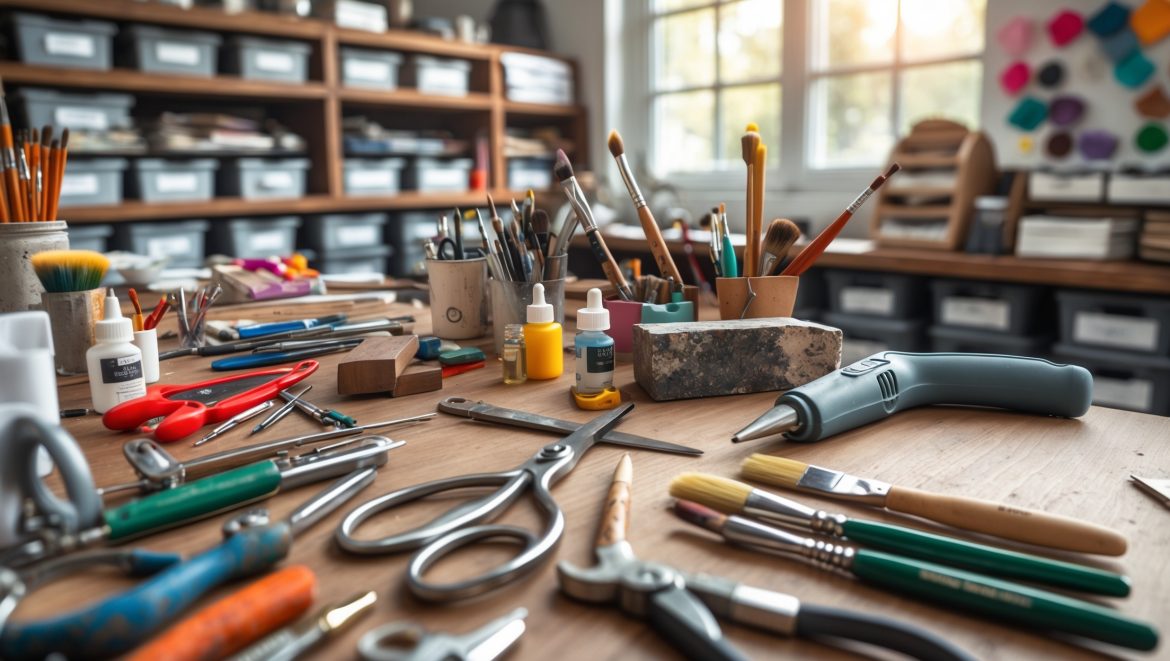
Introduction: The Unsung Hero of Every DIY Craft Studio
Your tools are the lifeblood of your creativity. Whether you’re a seasoned crafter or just starting to explore the joys of DIY, the state of your craft studio tools can make or break your projects. Sharp scissors glide instead of snag. Glue guns that are clean and well-maintained deliver perfect beads of adhesive. A rotary cutter, freshly oiled and aligned, ensures precise lines in fabric. Yet, too often, tool maintenance gets overshadowed by the thrill of making. It’s easy to assume that as long as you put your tools back in their place, they’ll be ready for your next burst of inspiration. But without regular care, even the best tools lose their edge—literally and figuratively.
Neglect leads to dull blades, sticky residues, seized-up mechanisms, and ultimately, ruined materials or frustrating creative roadblocks. Worse, poorly maintained tools can be a safety hazard, inviting slips or even injuries. The good news? With a practical tool maintenance routine, you can extend the life of your gear, safeguard your investment, and ensure every session in your studio is a pleasure. This in-depth guide will walk you through step-by-step strategies for cleaning, sharpening, lubricating, storing, and troubleshooting your essential craft studio tools. We’ll cover hand tools, cutting equipment, adhesives, power tools, and specialty items—sharing best practices for each. Ready to empower your creativity through smarter tool care? Let’s get started.
Why Tool Maintenance Matters: Beyond Longevity
Proper tool maintenance is about more than just saving money. Here’s why it should be a top priority in your craft studio:
- Safety: Dull blades require more force, increasing the risk of slips. Loose parts or electrical faults can cause accidents.
- Precision: Well-cared-for tools deliver cleaner cuts, truer lines, and better overall results on every project.
- Efficiency: Clean, sharp, and lubricated tools work faster and require less effort, keeping your creative momentum strong.
- Cost Savings: Regular upkeep prevents premature tool replacement, saving you money in the long run.
- Creative Enjoyment: There’s nothing like the feel of a perfectly balanced, sharp, and smooth-running tool in your hand.
Essential Maintenance Tools & Supplies: Building Your Kit
Before you dive into cleaning and repairs, assemble a basic toolkit for routine maintenance. Here’s what every DIY crafter should keep on hand:
- Soft microfiber cloths
- Small, stiff-bristled brushes (old toothbrushes work well)
- Isopropyl alcohol (70% or higher) for degreasing and adhesive removal
- Mild soap solution for general cleaning
- WD-40 or a silicone-based lubricant (for metal hinges and moving parts)
- Food-safe mineral oil (for wooden handles or cutting boards)
- Sharpening stones or handheld sharpeners (for blades and scissors)
- Fine-grit sandpaper (for rust removal)
- Compressed air canister (great for electronics and power tools)
- Cotton swabs
- Small screwdriver set (for tightening or disassembly)
- Replacement parts (screws, springs, fuses, blades)
- Protective gloves and safety glasses
Hand Tools: Cleaning, Sharpening, and Lubricating
Scissors, Rotary Cutters, and Shears
These are the backbone of most craft studios, especially for fabric, paper, and mixed media projects.
- Cleaning: Wipe blades with a damp cloth after each use. For sticky residue (from adhesives or tape), use isopropyl alcohol on a soft cloth.
- Sharpening: Use a dedicated scissor sharpener or sharpening stone. For rotary cutters, replace the blade regularly or use a rotary blade sharpener.
- Lubrication: Add a tiny drop of silicone oil to the pivot screw.
- Alignment: If scissors start to ‘chew’ or fold materials, tighten the pivot screw slightly.
Pliers, Wire Cutters, and Small Hand Tools
- Cleaning: Remove dust and debris after each session. For sticky gunk, use a brush and isopropyl alcohol.
- Rust Prevention: Wipe metal parts with a lightly oiled cloth if you live in a humid climate.
- Joint Lubrication: Apply a drop of oil to moving joints, then open and close several times to distribute.
Craft Knives and Hobby Blades
- Cleaning: Use a cloth and alcohol. Avoid soaking handles (especially wooden or composite).
- Sharpening: Use a fine sharpening stone or replace disposable blades frequently.
- Storage: Always retract or sheath blades to prevent damage and accidents.
Adhesive Tools: Glue Guns, Tape Dispensers, and More
Hot Glue Guns
- After Each Use: Wipe the nozzle with a ball of aluminum foil (while warm but unplugged). This removes built-up glue and prevents clogging.
- Deep Clean: Occasionally, use a wooden skewer to clean inside the nozzle. Never use metal tools on the heating element.
- Check the Cord: Inspect regularly for fraying or damage.
Tape Dispensers and Other Adhesive Tools
- Cleaning: Remove leftover tape and clean blades with isopropyl alcohol to eliminate sticky buildup.
- Blade Care: Check for dullness and replace blades as needed.
Power Tools: Cleaning, Storage, and Troubleshooting
Basic Cleaning and Dust Removal
- Unplug before any maintenance.
- Use a brush or compressed air to remove dust from vents, switches, and moving parts.
- Wipe down casings with a damp cloth; avoid soaking electrical components.
Lubrication and Moving Parts
- Refer to your tool’s manual for lubrication points and recommended products.
- For drills, sanders, or rotary tools: lubricate according to manufacturer’s instructions to ensure smooth operation and prevent overheating.
Battery Care (Cordless Tools)
- Store batteries at room temperature, away from moisture.
- Charge fully before storage, but avoid leaving on the charger indefinitely.
- If a battery won’t hold a charge, recycle and replace it.
Common Power Tool Issues and Quick Fixes
- Overheating: Clean vents and let cool. If persistent, check for worn brushes or bearings.
- Strange Noises: Usually indicates debris in moving parts. Clean and lubricate. Replace bearings if noise persists.
- Loss of Power: Check cords, batteries, and fuses first. Inspect internal wiring only if qualified.
Specialty Tools: Care for Niche Equipment
Sewing Machines
- Clean bobbin area after every project. Remove lint with a small brush.
- Oil moving parts with sewing machine oil as recommended (never use WD-40).
- Change needles regularly and check tension settings.
- Schedule professional servicing annually if used frequently.
Cutting Mats
- Wipe with a damp cloth to remove debris.
- For deep cuts or warping, soak in cool water for 15–20 minutes, then lay flat to dry.
- Store mats flat, never rolled or propped against a wall.
Paintbrushes and Art Supplies
- Clean brushes immediately after use—water for water-based paints, mineral spirits for oils.
- Shape bristles and let dry flat or hanging with bristles down.
- Store upright in a brush holder or case to prevent damage.
Tool Storage: Organization Meets Preservation
Proper storage isn’t just about a tidy studio—it directly affects tool lifespan.
- Dry Environment: Store metal and electronics away from damp areas to avoid rust and corrosion.
- Segregation: Separate sharp tools (blades, scissors) from softer supplies to prevent nicks and dulling.
- Protective Cases: Use cases or sleeves for delicate tools like craft knives or specialty pliers.
- Accessible Placement: Store frequently used tools within arm’s reach to reduce drops or damage.
- Use Drawer Liners: Soft liners prevent tools from sliding and banging together.
- Labeling: Label storage bins or drawers for easy inventory and retrieval.
Routine Maintenance Schedule: What to Do and When
- After Every Use: Wipe tools clean, check for visible damage, retract or sheath blades.
- Weekly: Inspect moving parts, spot-clean adhesive or paint residue, test battery tools.
- Monthly: Sharpen blades, lubricate hinges and moving parts, deep clean power tools, empty and clean toolboxes or storage bins.
- Seasonally (every 3–4 months): Inspect all electrical cords, check for rust or corrosion, organize and declutter storage areas, replace worn parts or consumables.
- Annually: Schedule professional servicing for sewing machines or high-use power tools, overhaul studio tool inventory.
Pro Tips: Extending Tool Life and Preventing Damage
- Never use tools for unintended purposes (e.g., scissors to cut wire, knives to pry lids).
- Avoid soaking wooden handles; wipe clean and oil occasionally instead.
- Always allow glue guns or heated tools to cool before storing.
- Store adhesives upright to prevent leaks and blockages.
- Invest in quality over quantity—a few well-maintained tools outperform a clutter of cheap, neglected ones.
- Document tool warranties, manuals, and service records for easy reference.
Troubleshooting: Common Tool Problems and Solutions
- Sticky Scissors or Blades: Clean with alcohol. If residue persists, use a little baking soda paste and rinse thoroughly.
- Rust Spots: Remove with fine-grit sandpaper and apply a light coat of oil to protect.
- Loose or Wobbly Handles: Tighten screws or apply wood glue if applicable. Replace if structural integrity is compromised.
- Burnt-Out Power Tools: Replace fuses and check wiring. If the problem persists, consult a professional.
- Jammed Tape Dispensers: Disassemble if possible, remove debris, clean, and reassemble.
- Dull Blades: Sharpen or replace as soon as you notice a drop in cutting performance.
Eco-Friendly Maintenance: Sustainable Practices
- Choose biodegradable cleaning agents whenever possible.
- Recycle batteries, blades, and broken tools responsibly—locate local drop-off points for hazardous or e-waste.
- Upcycle old tools as decor or repurpose them for non-critical studio tasks.
- Invest in high-quality, long-lasting tools to reduce waste over time.
Conclusion: Empower Your Creativity Through Care
In the rush to start new projects or chase the next burst of inspiration, it’s easy to overlook the humble routine of tool maintenance. But ask any professional artist, woodworker, or seasoned crafter—the difference between frustration and flow often comes down to the condition of your tools. Think of it this way: every minute you spend cleaning, sharpening, and storing your tools is an investment in smoother, safer, and more satisfying creative sessions. You’ll avoid costly replacements, mishaps, and the heartbreak of ruined materials. Instead, you’ll enjoy the confidence that comes from gear that works exactly as it should, every time.
More importantly, tool maintenance is an act of respect for your craft and your own creative process. It signals that your work—and the tools that enable it—matter. Whether you’re cutting, gluing, painting, or assembling, well-maintained tools elevate every step, letting your ideas shine with fewer obstacles and more joy. Start building your own maintenance routine today: schedule regular cleaning sessions, stock up on supplies, and troubleshoot issues before they escalate. Your future self—and your next masterpiece—will thank you.



Could you share more detail on the best way to clean stubborn adhesive residues off glue guns without damaging the heating element or nozzle?
To clean stubborn adhesive residue from glue guns, first make sure the gun is unplugged and fully cooled. Gently warm the nozzle with a hair dryer to soften any remaining glue, then wipe it away with a soft cloth or paper towel. For tougher spots, use rubbing alcohol on a cloth, but avoid soaking the nozzle. Never scrape with metal tools, as this can damage the heating element.
You mentioned lubricating rotary cutters and other tools—what kind of oil is best for craft tools, and how often should it be applied to avoid buildup or residue on fabric?
For craft tools like rotary cutters, a light sewing machine oil works best. It lubricates without leaving heavy residue. Apply a tiny drop to the moving parts every few months, or whenever you notice stiffness. After oiling, wipe off any excess thoroughly to prevent it from transferring to your fabric.
If a tool like a rotary cutter or hand tool is already starting to show rust or stickiness, do you recommend trying to restore it, or is it usually better to replace it? How can you tell when a tool is beyond saving?
You can often restore tools with minor rust or stickiness using cleaning solutions and some gentle scrubbing. If a blade is dull but not damaged, sharpening helps. Replacement is usually needed if the metal is deeply pitted, cracked, or if moving parts won’t function smoothly after cleaning and lubricating. Trust your judgment—if it’s unsafe or still performs poorly, it’s time to replace it.
I’m new to maintaining hand tools and cutting equipment in my studio. How often should I be sharpening scissors and rotary blades to keep them performing well, especially if I use them a few times a week?
For scissors and rotary blades that you use a few times a week, sharpening them about once a month should keep them in good condition. If you notice any snagging or dullness sooner, touch them up as needed. Regularly cleaning and wiping blades after each use also helps maintain their sharpness longer.
For someone with limited time, what’s the minimum regular maintenance routine that would prevent the most common issues you describe, like seized-up mechanisms or unsafe blades?
To prevent seized mechanisms and unsafe blades with limited time, focus on these basics: wipe down tools after use to remove dust and debris, oil moving parts once a month, and check blades for sharpness or damage regularly. This routine only takes a few minutes but will help avoid most common issues.