
Introduction: Why a Detailed Budget Matters for Your DIY Craft Studio
Transforming a corner of your home—or an entire room—into a dedicated DIY craft studio is a dream for many creative souls. But before you splurge on the trendiest storage bins or the fanciest cutting machines, it’s crucial to face one of the most overlooked aspects of studio setup: the budget. A well-thought-out financial plan doesn’t just protect your wallet; it empowers you to prioritize what matters most for your unique crafting workflow, avoids costly mistakes, and ensures your creative journey starts on solid ground. Whether you’re launching a tiny nook for jewelry-making or converting a garage for multi-medium projects, the realities of cost can surprise even the savviest crafters. This comprehensive guide will walk you through every major budget category, explore hidden expenses, and offer actionable tips to save money without sacrificing quality or creativity. Get ready to turn your vision into a sustainable, inspiring, and affordable workspace—no buyer’s remorse required.
Understanding Your DIY Craft Studio Needs
Defining Your Creative Priorities
Every craft studio is as unique as the maker. Start by listing the core activities you’ll do most—sewing, paper crafts, woodworking, painting, jewelry-making, or a mix. This clarity will shape your must-haves versus nice-to-haves, directly impacting your budget.
- Primary Craft: What do you create most often? (e.g., sewing, painting, model-making)
- Space Requirements: Do you need large tables, standing room, or compact storage?
- Special Equipment: Will you need a kiln, a fabric printer, or specialty tools?
- Mediums & Materials: Are your supplies bulky, hazardous, or temperature-sensitive?
Setting Your Budget Limits
Be honest about what you can realistically spend. A functional, inspiring studio is possible on any budget—if you plan carefully. Break your total available funds into essential categories (explored below), leaving a cushion for unexpected costs.
Breaking Down the Major Cost Categories
1. Workspace and Infrastructure
- Room Preparation: Cleaning, painting, minor repairs, and prepping walls or floors typically costs $50–$500, depending on the space’s initial condition.
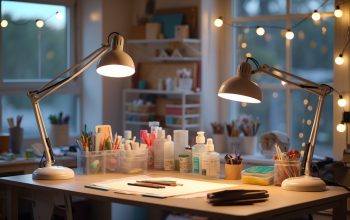
- Lighting: Quality task lighting is crucial. Budget $25–$200 for desk lamps, LED strips, or ceiling fixtures.
- Power and Outlets: If you need new outlets, surge protectors, or extension cords, plan for $30–$150.
- Climate Control: Small fans or heaters can run $20–$150. Larger upgrades (like portable AC units) may cost more.
2. Work Surfaces and Storage
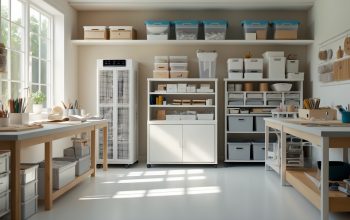
- Tables and Desks: A basic folding table starts at $40, while sturdy, adjustable workbenches or custom-built solutions can reach $300–$800.
- Shelving and Cabinets: Expect to spend $50–$300 per shelving unit or cabinet. Wall-mounted options save space.
- Modular Storage: Containers, drawer organizers, and stackable bins range from $3–$50 each. Plan for at least $50–$200.
- Pegboards & Hooks: Useful for tool access, pegboards cost $15–$60, plus hooks.
3. Tools and Equipment
- Essential Tools: Scissors, craft knives, rulers, and glue guns ($5–$50 each).
- Specialty Machines: Sewing machines ($100–$400), die-cutters ($50–$300), or 3D printers ($200+).
- Power Tools: Drills, sanders, and rotary tools ($20–$150 each).
- Safety Gear: Masks, goggles, gloves ($10–$60 total).
4. Materials and Supplies
- Starter Stock: Paper, fabric, paints, beads, wood, adhesives—plan for $100–$500, based on your craft.
- Bulk Buying: Save by purchasing essentials in larger quantities, but only if you have the storage space.
- Specialty Items: Budget for unique materials required for your particular creative projects.
5. Decor and Comfort
- Seating: Ergonomic chairs cost $60–$200, while basic stools are $20–$50.
- Rugs and Mats: Anti-fatigue mats ($30–$80), decorative rugs ($40–$200).
- Inspiration Boards: Corkboards, whiteboards, or magnetic boards ($15–$60).
- Plants and Art: Budget $10–$100 for small touches that spark creativity.
6. Miscellaneous and Hidden Costs
- Maintenance: Cleaning supplies, refills, and repairs ($20–$100 per year).
- Insurance: Check if your homeowner’s or renter’s policy covers hobby equipment, or if a rider is needed ($50–$200 per year).
- Waste Management: Trash bins, recycling containers ($20–$70).
- Shipping and Packaging: If you sell crafts, budget for mailing supplies ($30–$100 to start).
Sample Budgets: From Shoestring to Splurge
Budget Craft Studio (< $500)
- Repurpose a spare table and old shelves
- DIY storage from upcycled containers
- Minimal tools, focus on essentials
- Thrift and dollar store finds for decor
- Use natural light and basic lamps
Mid-Range Studio ($1,000–$2,000)
- Invest in a sturdy workbench and ergonomic chair
- Mix of new and used storage solutions
- Upgrade to specialty tools or machines
- Personalized decor and comfort features
- Starter bulk supplies for your main craft
Dream Studio ($3,000+)
- Custom-built furniture and storage
- High-end tools and multiple specialty machines
- Dedicated climate control (portable AC, dehumidifier)
- Professional lighting and soundproofing
- Extensive material inventory
Smart Ways to Save Without Sacrificing Quality
1. Prioritize Must-Haves
Invest first in what directly impacts your workflow: a reliable work surface, proper lighting, and essential tools. Upgrade decor and extras as your budget allows.
2. Buy Used or Refurbished
Search local classifieds, thrift stores, and online marketplaces for gently used furniture and equipment. Many crafters upgrade and sell quality items at a fraction of retail cost.
3. DIY Storage Solutions
Repurpose jars, tins, and boxes for organizing. Build simple shelves from plywood and brackets. Create pegboards from affordable materials for flexible tool storage.
4. Shop Sales and Use Coupons
Sign up for craft store loyalty programs. Watch for holiday sales, clearance events, and online deals. Don’t overlook hardware stores—often cheaper for basic supplies.
5. Borrow or Share Tools
Collaborate with fellow crafters or makerspaces to borrow infrequently used tools, especially pricey specialty items.
6. Start Small, Expand Slowly
Begin with the essentials and add equipment or supplies as your skills and needs grow. This approach prevents overbuying and lets you invest in quality over time.
Hidden Costs to Watch Out For
- Delivery Fees: Large items like tables or storage units may incur hefty shipping charges.
- Assembly Tools and Hardware: Some furniture requires extra tools or fasteners not included in the box.
- Waste Disposal: Renovations or major cleanouts may require dump fees or special pickups.
- Upkeep and Consumables: Don’t forget ongoing costs for cleaning products, lightbulbs, or tool blades.
Tracking and Adjusting Your Budget
Use a Simple Spreadsheet or App
Record every purchase and compare it to your initial estimates. Free tools like Google Sheets or budgeting apps help you stay on track and spot overspending early.
Set Aside a Contingency Fund
Unexpected expenses are inevitable. Reserve 10–15% of your total budget for surprises—like discovering you need an extra shelf or a new power strip.
Review and Refine
After your studio is set up, review what you overspent or could have saved on. This experience will guide future upgrades or reorganization projects.
Budgeting for Growth: Planning Ahead
Leave Room for Expansion
As your skills and ambitions grow, your space and tools may need to evolve. Budget for future upgrades—like a larger worktable, more storage, or professional equipment.
Consider Resale Value
Invest in quality items that hold up over time. If you outgrow or change your craft, you can often resell furniture or machines to recoup some costs.
Evaluate Multi-Use Versatility
Choose tools and furniture that adapt to different projects. A height-adjustable table or modular storage can serve many purposes as your creative journey changes.
Conclusion: Building a Studio That Inspires—Without Breaking the Bank
Creating your own DIY craft studio is about more than just gathering supplies and assembling furniture; it’s about designing a functional, inspiring space that matches your creative ambitions—and your real-world budget. By breaking down costs into clear categories, prioritizing essentials, and seeking smart savings, you can build a workspace that supports your artistic growth without financial stress. Remember, the most empowering studios aren’t always the flashiest or the most expensive—they’re the ones tailored to your needs, where every dollar spent contributes to your creative flow and peace of mind.
Take it one step at a time. Start with the basics, stay flexible, and let your studio evolve as your skills and inspiration grow. Don’t be deterred by limited funds; resourcefulness and planning can turn any space into a creative haven. And as you track your spending, learn from your choices, and celebrate each new project, you’ll find that building a craft studio is as rewarding as the creations that come from it. Here’s to crafting smart—and joyfully—within your means!
When you mention leaving a cushion in your budget, do you have a recommended percentage or dollar amount for unexpected expenses during the craft studio setup?
Leaving a cushion in your budget is a smart move. A common recommendation is to set aside around 10–15% of your total budget for unexpected expenses. If you’re working with a specific dollar amount, try to reserve at least $100–$300, depending on your overall spending plan.
I noticed you mention leaving a cushion in the budget. Do you have any recommendations on how much that cushion should be, or a percentage to aim for, in case of unexpected project expenses?
A good rule of thumb is to leave a cushion of about 10–20% of your total budget for unexpected expenses. If you’re taking on a more complex or longer-term craft studio project, you might want to lean closer to 20%. This extra buffer helps cover things like material price increases, last-minute supplies, or unforeseen repairs.
I’m curious about estimating the actual cost for specialty tools like kilns or fabric printers. Do you have ballpark figures or resources to help plan for these big-ticket items in a craft studio budget?
Specialty tools like kilns and fabric printers can be significant investments. Kilns typically range from $500 to $3,000 depending on size and features, while fabric printers can start at $1,000 and go up to $10,000 or more for professional models. It helps to research brands and compare new versus used options to fit your budget.