

Introduction: The Real Cost of DIY Craft Studio Dreams
When you envision the perfect DIY craft studio, you’re probably picturing a vibrant, organized space filled with the tools and materials that make your creative heart sing. But before you start pinning inspiration boards and sketching floor plans, it’s essential to get real about the budget. An inspiring workspace doesn’t need to break the bank, but setting up a functional studio does require smart, intentional spending. This guide offers a transparent cost breakdown for building your dream craft studio—whether you’re carving out a corner of your living room or transforming an underused garage. We’ll walk through every major expense category, offer practical tips to save money without sacrificing quality, and help you prioritize where to invest and where to economize. By the end, you’ll have a clear roadmap for turning your creative vision into reality—without financial surprises along the way.
Budgeting Basics: Assessing Your Craft Studio Needs
Defining Your Space and Scope
Before crunching numbers, clarify your specific needs and ambitions. Ask yourself:
- How much space do I need? (A full room, converted closet, garage, or just a dedicated corner?)
- What crafts or projects will I pursue? (Sewing, woodworking, painting, jewelry-making, etc.)
- Will the space be public-facing? (For classes, sales, or just personal use?)
- Is this a temporary setup or a long-term investment?
Your answers will shape the scope of your studio—and your budget.
Creating a Realistic Budget
Start by determining your maximum spend. Include a 10–15% contingency for unexpected costs. Break your budget into these main categories:
- Renovation and structural changes
- Furnishings and storage
- Tools and equipment
- Materials and supplies
- Lighting and electrical
- Climate control and ventilation
- Safety and security
- Decor and finishing touches
Renovation & Setup Costs
Structural Adjustments
If you’re converting a garage, basement, or outbuilding, you may need to address insulation, drywall, or basic repairs. Here’s a ballpark range for common updates:
- Insulation and drywall installation: $300–$1,200 depending on room size.
- Flooring upgrades (vinyl, laminate, epoxy): $1–$4/sq ft. A 120 sq ft space could cost $120–$480.
- Painting walls/ceiling: $50–$200 for paint and supplies.
DIY labor can save on these costs, but always budget extra for specialist jobs like electrical or plumbing.
Electrical and Lighting Installations
Good lighting is essential. Consider:
- Overhead LED fixtures: $50–$150 each; most studios need 2–3.
- Task lighting (clip lamps, desk lamps): $20–$60 each.
- Professional electrical work: $60–$100/hour; adding new outlets may run $100–$300 per outlet.
To save money, use plug-in lamps and extension cords where safe, avoiding major rewiring unless necessary.
Furnishings and Storage Solutions
Work Surfaces
A sturdy workbench or table is the heart of any craft studio:
- Basic worktable (IKEA, Home Depot, etc.): $60–$200.
- DIY custom workbench: $100–$250 in materials.
- Adjustable-height table: $180–$400.
Seating
Don’t skimp on ergonomic seating:
- Basic task chair: $40–$100.
- Ergonomic stool or drafting chair: $120–$250.
Storage Systems
- Open shelving (DIY or prefab): $30–$150 per unit.
- Plastic storage bins: $5–$20 each.
- Drawer carts: $25–$80 each.
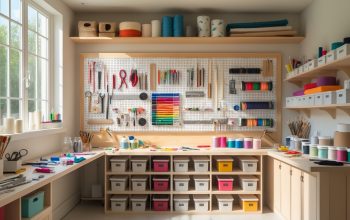
- Pegboard and hooks: $30–$60 for a basic setup.
Mix and match thrifted, upcycled, and new items to stretch your budget.
Tools & Equipment: Spending Wisely
Prioritize the Essentials
Make a list of must-have tools for your main craft. Separate ‘need now’ from ‘nice to have’ items.
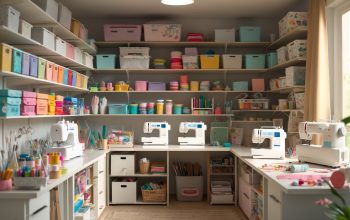
- Sewing machine: $120–$400 (beginner to mid-range)
- Basic hand tools (screwdrivers, pliers, hammer): $30–$60 total
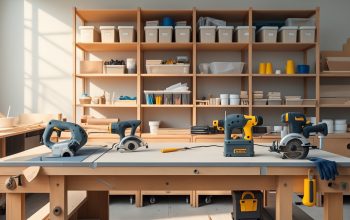
- Power tools (drill, sander, etc.): $40–$100 each
- Cutting mats, rulers, specialty tools: $10–$80 each, depending on type
Buy New, Used, or Rent?
Don’t overlook secondhand options—many tools and storage items are available at steep discounts from thrift stores, online marketplaces, or local buy/sell groups. For big-ticket specialty tools you’ll use rarely, check local makerspaces or tool libraries for rental options.
Materials and Supplies: Stocking Up Without Overspending
Starter Supply Kits
Begin with a starter kit of basic materials:
- Paper goods, paints, adhesives: $30–$100 for initial stock
- Fabric, yarn, beads, wood blanks: $40–$120 (varies by craft)
Buy in bulk or multi-packs for frequently used items, but avoid overstocking supplies that may expire or become obsolete.
Organizing for Savings
Good organization prevents duplicate purchases and wasted materials. Invest in clear bins, labels, and a simple inventory system to track what you have and what you need.
Climate Control and Ventilation: Comfort on a Budget
Affordable Solutions
- Portable fans or heaters: $25–$80
- Dehumidifier (for basements): $120–$220
- Window AC unit: $150–$350
For serious air quality needs (spray paint, resin, etc.), budget for a small air purifier ($60–$150) or basic window exhaust fan ($40–$100).
Safety and Security: Essential Precautions
Basic Safety Upgrades
- Smoke/CO2 detectors: $20–$50 each
- Fire extinguisher: $30–$50
- First-aid kit: $15–$40
Security Considerations
- Lockable storage: $40–$120
- Basic door/window locks: $20–$60
Decor and Finishing Touches: Personalizing on a Shoestring
Make your space inspiring without overspending. Ideas include:
- DIY art, wall decals, or murals: $10–$60 for supplies
- Repurposed furniture: often free or <$50 from thrift stores
- Upcycled containers for storage: jars, cans, boxes you already own
Prioritize decor that adds function and beauty, like magnetic strips for tools or cork boards for project ideas.
Sample Budget: Small Studio Setup (120 sq ft)
- Paint & minor repairs: $100
- Lighting upgrades: $180
- Worktable & chair: $220
- Shelving & storage bins: $120
- Starter tools & equipment: $250
- Initial materials & supplies: $120
- Climate control: $60
- Safety gear: $70
- Decor & finishing: $40
Total Estimated Cost: $1,160
This is a baseline—costs scale up or down depending on room size, scope, and whether you buy new, used, or DIY your furnishings.
Cost-Saving Tips for a Budget-Friendly Craft Studio
- Upcycle and repurpose: Use what you have before buying new. Old bookshelves, kitchen carts, or dresser drawers make excellent storage.
- Thrift and bargain hunt: Check resale shops, online classifieds, and community groups for furnishings and supplies.
- DIY where possible: Build your own workbenches or shelving with simple tools and affordable lumber.
- Buy in phases: Prioritize essentials for setup, then add specialty tools or decor as your budget allows.
- Watch for sales: Craft stores often run seasonal discounts on tools and storage solutions.
Where to Splurge, Where to Save
Best Investment Areas
- Ergonomic seating: Your comfort and health are worth a bit extra.
- Quality lighting: Good light prevents eye strain and mistakes.
- Reliable tools: Cheap tools can break or ruin your projects; invest in quality for high-use items.
Where to Cut Costs
- Decor: Use DIY art and upcycled items.
- Storage: Mix thrifted or repurposed bins and shelves.
- Specialty tools: Rent or borrow for one-off projects.
Contingency Planning: Expecting the Unexpected
Always set aside at least 10–15% of your total budget for unplanned expenses—hidden repairs, extra supplies, or a last-minute must-have tool. If you don’t need it, you’ll have a head start for your next project or upgrade.
Conclusion: Crafting Your Dream Studio Within Reach
Building a DIY craft studio doesn’t have to be an overwhelming financial undertaking. By breaking down the costs, prioritizing essentials, and making smart spending choices, you can create a workspace that fuels your creativity and fits your wallet. Remember: every dollar spent should serve a real need—whether that’s reliable lighting to see your project details, sturdy storage for your favorite materials, or a comfortable chair for long crafting sessions.
Start simple, focusing on what you need most right now. As your skills and interests evolve, so too can your studio—adding tools, expanding storage, or upgrading decor as your budget allows. Be creative not just in your projects, but in how you approach outfitting your space: upcycle, bargain hunt, and DIY wherever possible. Most importantly, don’t let the idea of a ‘perfect’ studio stand in the way of getting started. Even a modest, well-organized corner can become a hub of inspiration with thoughtful planning.
Your DIY craft studio is a reflection of your unique process and personality. With the right budget strategy, you’ll be able to craft, create, and thrive in a space that’s truly your own—without financial stress. Happy making!
If my craft studio is going to be in a rented apartment, are there any specific expenses or setup tips I should be aware of compared to setting up in a garage?
Setting up a craft studio in a rented apartment often means prioritizing temporary and non-damaging solutions. You may need to invest in modular storage, removable hooks, and protective coverings for floors or walls. Also, factor in possible limits on electrical modifications or noise. Unlike a garage, you might need to budget for space-saving furniture and extra lighting.
How much extra should I plan for climate control and ventilation if my only option is converting an unfinished garage, and do the upfront costs pay off in the long run?
For converting an unfinished garage, you should budget an extra $1,500 to $4,000 for climate control and ventilation, depending on your local climate and the size of the space. While this is a significant upfront cost, it pays off over time by keeping materials in good condition, protecting your equipment, and making the space comfortable to work in year-round.
I noticed you mention including a 10–15% contingency for unexpected costs. In your experience, what kinds of surprises tend to come up most often when setting up a home craft studio?
Unexpected costs often pop up with electrical work, like needing extra outlets or better lighting, as well as hidden repairs such as fixing walls or floors that weren’t obvious at first. Sometimes, storage solutions end up costing more if you need sturdier shelves or extra organization tools. Also, small tools, extension cords, or last-minute safety gear can add up quickly.
You mentioned including a 10–15% contingency for unexpected expenses. Can you share some examples of the kinds of surprises that happen most often when people set up their craft studios?
Unexpected expenses in craft studio setups often include things like needing extra storage solutions, underestimating paint or lighting costs, discovering electrical outlets aren’t in the right place, or needing better ventilation. Sometimes, tools or supplies get damaged or run out sooner than expected. These surprises can quickly add up, so a contingency helps keep your project on track.
If I’m only able to dedicate a small corner of my living room for crafting, which budget categories should I prioritize to make the space functional without overspending?
For a small living room craft corner, focus your budget on storage solutions like shelves or bins to keep supplies organized and easy to access. Next, invest in a sturdy, compact work surface such as a folding table. Lighting is also important if your corner is a bit dim—consider a good task lamp. Prioritize these basics before spending on decor or extra supplies.
How do you recommend balancing spending between quality furnishings versus tools and equipment, especially if my focus is on sewing and painting but I have a pretty limited budget?
If your main focus is sewing and painting, prioritize spending on reliable tools and equipment, like a good sewing machine or quality brushes, since these directly impact your projects. For furnishings, look for budget-friendly or secondhand options—functional tables and storage don’t need to be expensive. Invest where it improves your creative process, and save on decor or non-essential furniture.
Once the basic setup and major expenses are covered, what are some ongoing or recurring costs that new studio owners often overlook in their initial budget?
Some ongoing costs that new studio owners often overlook include replenishing basic supplies like adhesives, paint, and paper, as well as utility bills for electricity and water. Don’t forget about cleaning products, equipment maintenance, and occasional tool replacements. Subscription fees for design software or craft magazines can also add up over time.
If someone is planning for a long-term studio investment, what timeline should they anticipate from start to finish, especially if renovations are involved?
For a long-term studio investment with renovations, you should plan for a timeline of about 3 to 6 months from start to finish. This includes budgeting, planning, sourcing materials, securing permits, and completing the actual renovation work. Larger or more complex renovations might take closer to a year, so it’s wise to build in some flexibility for unexpected delays.
Do you have any advice on spreading out expenses over time for a long-term craft studio setup rather than making all purchases at once? What order would you recommend tackling each main budget category?
Absolutely—spreading out expenses is a smart approach. Start with essentials like a sturdy work table and good lighting, since these impact daily use. Next, invest in storage solutions to keep supplies organized. After that, gradually add tools and specialty equipment as your needs grow. Decorative touches and extra comforts can come last. This order helps you stay productive without overspending early on.
When budgeting for tools and equipment, how do I decide what’s truly essential versus what can wait until later, especially if I dabble in several crafts?
Start by listing the basic tools that are used across most of your crafts—those are your essentials. Prioritize versatile items like cutting mats, quality scissors, and glue guns. For specialized tools needed for only one craft, consider waiting until you’re sure you’ll use them often. This lets you spread out costs while ensuring you have what you need for your main projects.
I’d like to know more about the 10–15% contingency you suggest. What kinds of unexpected costs commonly come up when converting a spare room into a craft studio?
The 10–15% contingency covers surprises like needing extra paint, fixing minor electrical or plumbing issues, repairing walls or floors, or replacing tools that break during setup. It can also help with last-minute furniture adjustments, unexpected supply needs, or small upgrades you decide on as your project develops.
If my craft studio is only a temporary setup in a rented apartment, are there smart ways to minimize costs on things like storage and decor while still making it functional?
Absolutely, you can keep costs low for a temporary setup by using stackable bins, foldable tables, and repurposing household items for storage. For decor, removable wall decals or washi tape add personality without leaving marks. Opt for lightweight shelving or rolling carts, which are easy to move and take with you when you relocate.
How long does a typical DIY craft studio build take when doing most of the setup yourself, especially if structural changes are involved?
A DIY craft studio build can take anywhere from a few weeks to several months, depending on the extent of the work. If you’re doing most of the setup yourself and structural changes are needed, expect the project to last around 1 to 3 months. Factors like planning, permitting, and your available time each week can also affect the timeline.
When it comes to lighting and electrical upgrades, do you recommend hiring a professional or is this something a first-timer could handle safely on a budget?
For most lighting installations, such as swapping out light fixtures or adding plug-in lamps, a careful first-timer can often handle the job safely with some research. However, for electrical upgrades like adding new outlets or wiring, it’s safest to hire a licensed electrician, even on a budget, to avoid potential hazards and ensure everything meets code.
How long does it typically take to set up a fully functional craft studio, considering the different stages like renovation, furnishings, and equipment installation?
Setting up a fully functional craft studio usually takes about 2 to 6 weeks. Renovation might require 1 to 3 weeks depending on the scope of work, furnishings can take a few days to a week, and equipment installation often adds another few days. Your timeline will depend on factors like room size, order lead times, and your availability.
For a small business owner who wants to host occasional public classes in their studio, what are some additional safety and security costs that should be considered beyond the basics?
For hosting public classes, consider costs for liability insurance, installing security cameras, and possibly hiring part-time staff for crowd management. You might also budget for fire extinguishers, first aid kits, proper signage for emergency exits, and upgrading locks or access controls to protect both attendees and your equipment.
I’m curious about how much of the budget should be allocated to storage and organization versus tools and equipment, especially if my crafts tend to need a lot of small items. Do you recommend prioritizing quality storage upfront?
Given that your crafts require many small items, it’s wise to allocate a solid portion—about 30–40%—of your budget to storage and organization. Investing in quality storage upfront helps keep your space tidy and saves time searching for materials. You can start with sturdy, modular options and upgrade equipment gradually as your needs evolve.