
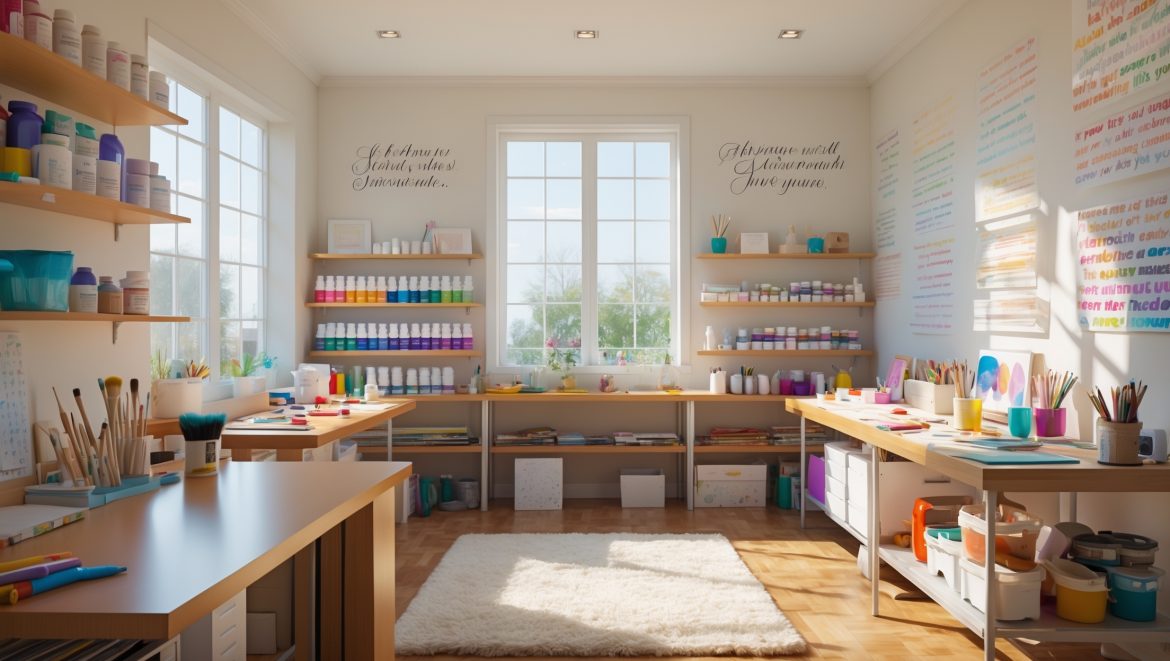
Introduction: Why Cleaning Matters in a DIY Craft Studio
If you spend any serious time in your DIY craft studio, you know messes are inevitable. Paint splatters, glitter spills, wood shavings, glue drips, and fabric lint are the badges of creative honor—but left unchecked, they can undermine your productivity, safety, and even the longevity of your tools. A spotless workspace isn’t just about aesthetics; it’s about creating an environment where ideas can flow freely, accidents are minimized, and projects progress smoothly. Yet, many makers overlook the importance of professional-grade cleaning routines, often relying on haphazard tidying instead of structured maintenance.
This in-depth guide arms you with proven cleaning routines, supply checklists, and expert strategies to keep your craft studio sparkling, organized, and always ready for inspiration. Whether you’re a seasoned crafter or setting up your first dedicated space, these best practices will help you protect your materials, safeguard your health, and make every creative session more enjoyable. Let’s dive into the practical art of cleaning your DIY craft studio like a pro.
Section 1: Understanding the Unique Cleaning Needs of Craft Studios
1.1 The Diversity of Craft Messes
Unlike standard home offices or workshops, craft studios are a melting pot of materials. Each type of craft brings its own cleaning challenges:
- Painting: Dried paint on palettes, brushes, and tables. Pigment stains on floors and sinks.
- Paper Crafting: Paper scraps, adhesives, and confetti-like remnants.
- Sewing & Textiles: Thread, fabric lint, pins/needles, and stray fibers.
- Woodworking: Sawdust, wood chips, glue residue, and finishing oils.
- Mixed Media: Glitter, resin drips, modeling paste, and small hardware.
Understanding these messes helps you choose the right tools, cleaning products, and routines.
1.2 Why Deep Cleaning Trumps Quick Tidying
Quick tidying—putting tools away and clearing visible clutter—addresses surface-level mess. But deep cleaning tackles hidden dust, lingering residues, and contamination risks that can affect your health, tool lifespan, and creative output. Regular deep cleans prevent:
- Cross-contamination between art media (e.g., oil from woodworking on fabrics)
- Allergies and respiratory issues from dust, lint, or mold
- Tool corrosion or malfunction due to buildup
- Insect infestations attracted by scraps or organic materials
Section 2: Building Your Craft Studio Cleaning Kit
2.1 Must-Have Supplies for Every Studio
- Microfiber cloths: For dusting and wiping delicate surfaces without leaving fibers.
- Disposable gloves: For handling chemicals, glue, or cleaning up messier spills.
- Soft- and stiff-bristled brushes: For cleaning crevices, machines, and textured surfaces.
- Shop vacuum with HEPA filter: Essential for capturing fine dust, glitter, and fibers.
- Lint roller: For fabrics, upholstery, and even removing stray threads from the floor.
- Spray bottles: For mixing and applying cleaning solutions.
- All-purpose cleaner: Mild, residue-free, and safe for mixed media surfaces.
- Specialty cleaners: (e.g., brush soap, resin remover, wood polish) specific to your crafts.
- Scrapers and plastic putty knives: For gently removing dried glue or paint.
- Disposable wipes: For quick spot cleaning of spills and sticky areas.
- Broom and dustpan: For sweeping up larger debris.
- Floor mop: Consider a microfiber or steam mop for thorough floor care.
- Compressed air canister: For blowing dust out of machines and tight spaces.
- Organizational bins: For sorting waste and recyclables as you clean.
2.2 Specialized Supplies for Advanced Studios
- Ultrasonic cleaner: For deep-cleaning precision tools, jewelry, or airbrush parts.
- Magnetic parts tray: To collect and clean small metal findings, pins, and fasteners.
- Dehumidifier: To prevent mold and moisture damage in textile or paper-heavy spaces.
- Air purifier: Reduces fine dust and improves air quality during and after projects.
Section 3: Establishing a Pro-Level Cleaning Routine
3.1 Daily Cleaning Tasks
- Clear work surfaces: Wipe down tables and benches at the end of each session. Remove all tools, residue, and scraps.
- Spot-clean spills: Address paint, glue, and water spills immediately to prevent staining and damage.
- Sweep or vacuum floors: A quick pass with a shop vac or broom keeps dust and fibers from spreading.
- Empty trash and recycling bins: Prevents overflow and discourages pests.
- Clean hand tools: Wipe off adhesives, paint, or residue before storing.
3.2 Weekly Cleaning Tasks
- Deep-clean surfaces: Use an all-purpose cleaner and microfiber cloths to scrub counters, shelves, and window sills.
- Vacuum or mop floors: Go beyond sweeping—target corners, baseboards, and under furniture.
- Dust equipment and lighting: Use compressed air or a soft brush to keep machines and fixtures dust-free.
- Wash fabric items: Launder aprons, rags, and dust covers.
- Check for expired or hazardous materials: Safely dispose of old paint, solvents, or open adhesives.
3.3 Monthly and Seasonal Deep Cleans
- Declutter storage: Reorganize materials, label bins, and remove items you no longer use.
- Clean and lubricate machines: Follow manufacturer instructions for sewing machines, drills, or specialty tools.
- Wash windows and air vents: Improve light quality and air flow.
- Inspect for mold, pests, or water damage: Especially in basements or garages.
- Polish wood surfaces: Use a suitable polish to protect benches and tool handles.
Section 4: Cleaning Solutions for Every Material
4.1 Paint and Ink Removal
For fresh spills, act fast with water or a gentle, surface-safe solvent. Dried paint can often be scraped off with a plastic putty knife, then cleaned with a specialty remover. Avoid harsh chemicals on delicate surfaces. For ink, rubbing alcohol on a cotton swab works for most non-porous surfaces.
4.2 Adhesives and Glue
PVA and white glues clean up with warm water before they dry. For dried glue, soak the area with a damp cloth before scraping gently. Use citrus-based adhesive removers for stubborn residues, but always test on a small area first.
4.3 Glitter, Beads, and Small Debris
A vacuum with a hose attachment is your best friend for glitter, beads, and fine dust. For non-vacuum areas, try lint rollers or sticky tape. Sweep into piles with a soft-bristled brush for easy collection.
4.4 Fabrics and Lint
Regularly vacuum upholstered surfaces and use a lint roller for quick pickups. Clean sewing machines with a brush and compressed air to prevent lint buildup, which can affect performance and safety.
4.5 Sawdust and Wood Residue
Always use a HEPA-filtered vacuum to avoid spreading fine particles. Wipe down surfaces with a barely damp microfiber cloth to trap dust. Polish wood surfaces regularly to seal against future buildup.
Section 5: Organizing as You Clean
5.1 Sort and Purge
Cleaning is the perfect opportunity to declutter. Create three bins: Keep, Donate/Recycle, and Discard. As you clean shelves and drawers, be ruthless. Unused supplies and broken tools only take up space and collect dust.
5.2 Label and Store
Label all containers and shelves using waterproof labels. Store frequently used items within arm’s reach and seasonal or specialty supplies on higher or less accessible shelves. Use clear bins for visibility and quick inventory checks.
5.3 Create Cleaning Stations
Designate a small, accessible area for cleaning supplies. Use wall-mounted racks or rolling carts to keep everything organized and mobile. This makes it easier to stick to your routine and speeds up clean-up after each session.
Section 6: Safety and Environmental Best Practices
6.1 Safe Chemical Use
Always read the safety data sheets (SDS) for any cleaning or crafting chemicals. Ventilate your workspace when using solvents or sprays, and wear gloves and masks as needed. Never mix cleaning products, especially ammonia and bleach, which can create toxic fumes.
6.2 Eco-Friendly Cleaning
- Use biodegradable, non-toxic cleaners whenever possible.
- Repurpose old t-shirts as rags instead of disposable paper towels.
- Recycle containers and packaging responsibly.
- Properly dispose of hazardous materials at local collection centers.
6.3 Allergy and Sensitivity Considerations
If you or family members are sensitive to dust, pollen, or chemicals, invest in an air purifier and choose hypoallergenic, fragrance-free cleaning products. Clean air vents and replace HVAC filters regularly.
Section 7: Troubleshooting Common Cleaning Challenges
7.1 Tackling Persistent Odors
For lingering smells from paint, glue, or solvents, ventilate the space thoroughly. Place bowls of baking soda or activated charcoal around the studio to absorb odors. Wash soft items and mop floors with a vinegar solution to neutralize scents.
7.2 Removing Stains from Tables and Floors
For stubborn stains, start with the mildest cleaner and escalate as needed. Magic erasers work wonders for scuffs and marks on hard surfaces. For fabric stains, use a targeted stain remover and launder promptly.
7.3 Preventing Future Messes
- Use drop cloths or silicone mats during messy projects.
- Keep lids on all containers and sealants tightly closed.
- Encourage a ‘clean-as-you-go’ mindset for everyone using the studio.
Conclusion: Sustaining a Spotless, Inspiring Craft Studio
Maintaining a clean craft studio isn’t about perfection—it’s about cultivating a space where creativity and efficiency coexist. By adopting structured cleaning routines, investing in quality supplies, and organizing as you go, you’ll foster a workshop that’s not only beautiful but also healthier, safer, and more productive. The benefits go beyond a tidy appearance: your tools will last longer, your materials will stay pristine, and you’ll eliminate distractions that can interrupt your creative flow.
Remember, cleaning is an ongoing process, best tackled in manageable daily, weekly, and monthly steps. Treat it as an integral part of your craft practice. Involve family or studio partners, keep your cleaning kit accessible, and periodically reassess your routines as your projects evolve. With a little foresight and consistency, your DIY craft studio will remain a welcoming haven for every spark of inspiration—free from clutter, hazards, and the stress of mess. Happy making, and here’s to a spotless space that lets your creativity shine!
Can you give examples of structured cleaning routines that fit into a tight schedule? Sometimes I just have 15–20 minutes after crafting and want to make the most of that time.
Absolutely, you can use a quick cleaning routine like this: start by clearing your work surface and putting away tools (5 minutes), then wipe down surfaces and sweep up scraps (5 minutes), followed by organizing supplies and emptying the trash (5–10 minutes). Keeping a basket handy for items that need to be put away later can also save time when you’re in a hurry.
Could you suggest how often certain cleaning tasks should be done in a busy studio? For example, how frequently should I deep clean versus just tidying up after each session?
In a busy craft studio, tidying up after each session—like putting away tools and wiping surfaces—helps keep things organized and safe. Deep cleaning tasks, such as vacuuming floors, cleaning storage bins, and washing windows, are best done once every 1–2 weeks depending on usage. Adjust the frequency if you notice more dust or clutter building up.
When it comes to removing dried paint or stubborn pigment stains from tables and sinks, are there specific products or techniques you recommend that won’t damage surfaces commonly found in craft studios?
For removing dried paint or stubborn pigment stains, try using a plastic scraper or a non-abrasive sponge with a bit of warm, soapy water first. If that doesn’t work, rubbing alcohol or a gentle all-purpose cleaner often helps. Always test on a small, hidden area to make sure it won’t damage the surface, especially on laminate, finished wood, or stainless steel.
Sometimes I find that paint stains are really stubborn, especially on my sink and tabletops. Are there any specific products or homemade solutions that actually work for removing dried-on paint without harming the surfaces?
For dried-on paint, try a mix of warm water and mild dish soap first, using a soft cloth or non-abrasive sponge. If that’s not enough, rubbing alcohol or a paste made from baking soda and water can help lift stubborn spots. Always test on a small area first to avoid any surface damage.
The article talks about professional-grade cleaning routines, but what if you’re on a tight student budget? Are there affordable cleaning supplies that still get the job done for things like glitter and glue?
You can absolutely keep your craft studio clean on a student budget. For glitter, use a lint roller or a damp sponge—both are inexpensive and effective. For glue spills, warm soapy water and an old toothbrush work well. Everyday items like vinegar, baking soda, and microfiber cloths also do the trick without breaking the bank.
Could you suggest a realistic deep cleaning schedule for a busy student who uses their craft studio several times a week? I’m not sure how often I should tackle sawdust and glitter build-up.
For a busy student using the studio several times a week, a practical deep cleaning schedule would be a quick tidy-up at the end of each session—sweeping sawdust and wiping surfaces. Then, set aside one hour every two weeks for a more thorough clean, focusing on corners, shelves, and any nooks where glitter and fine dust collect.
I work with a lot of glitter and resin in my mixed media projects, and it seems impossible to get things completely clean. Are there any specific cleaning tools or products that work best for these stubborn materials?
For glitter, using a lint roller or a piece of sticky tape can help pick up even the tiniest bits from surfaces and fabrics. For resin spills, try plastic razor scrapers or silicone tools to gently lift cured resin without scratching your workspace. Isopropyl alcohol is also effective for cleaning up uncured resin from non-porous surfaces. Always wear gloves and ventilate your area when handling these materials.
Do you have any suggestions for organizing and storing supplies in a way that makes daily cleaning routines easier, especially for those working with mixed media or woodworking materials?
For mixed media or woodworking, try using clear, labeled bins or drawers to separate materials by type—paint, wood scraps, adhesives, etc. Wall-mounted racks or pegboards keep tools visible and off work surfaces. Mobile carts are great for items you use daily, making cleanup and access simple. Regularly declutter to avoid build-up and make wiping down surfaces quicker each day.
When you mention using professional-grade cleaning routines, could you explain what makes them different from just regular tidying? Are there specific steps or supplies that really make a big difference for messes like paint or glue?
Professional-grade cleaning routines go beyond regular tidying by targeting stubborn messes with specific steps and supplies. For example, using a scraper or solvent to remove dried paint or glue, dedicated microfiber cloths for dusting, and strong but safe cleaners for surfaces all help. The routine often includes deep-cleaning tools, such as vacuums with fine filters and specialty brushes, to handle tough residue and keep your workspace spotless.
How often would you recommend doing a full deep clean versus just tidying up between craft projects, especially if I use materials like glitter and resin frequently?
Since you work with glitter and resin, a quick tidy-up between each project is a good idea to keep surfaces clear and prevent buildup. For a full deep clean—wiping down shelves, floors, and tackling hard-to-reach spots—aim for once every two to four weeks. Adjust the frequency based on how messy your projects get and how much residue you notice accumulating.
Sometimes I worry that deep cleaning will take too much time away from actually crafting. About how long does a thorough cleaning session usually take if I follow your suggested routines?
A thorough cleaning session using the routines in the article typically takes about 1 to 2 hours, depending on your studio’s size and how much clutter you have. Breaking tasks into smaller weekly or daily chunks can help keep each session shorter and make maintenance easier, so you can spend more time crafting.
I have a lot of glitter and tiny beads that always seem to scatter everywhere after projects. Do you have any specific tips or tools that work especially well for cleaning up these kinds of small, stubborn messes in a craft studio?
For glitter and tiny beads, a handheld vacuum with a fine filter is very effective and helps prevent scattering. Lint rollers can pick up stubborn bits from fabric surfaces, while a slightly damp microfiber cloth can help gather glitter from tables. For beads, try using a piece of sticky tape to lift them off smooth surfaces quickly.