
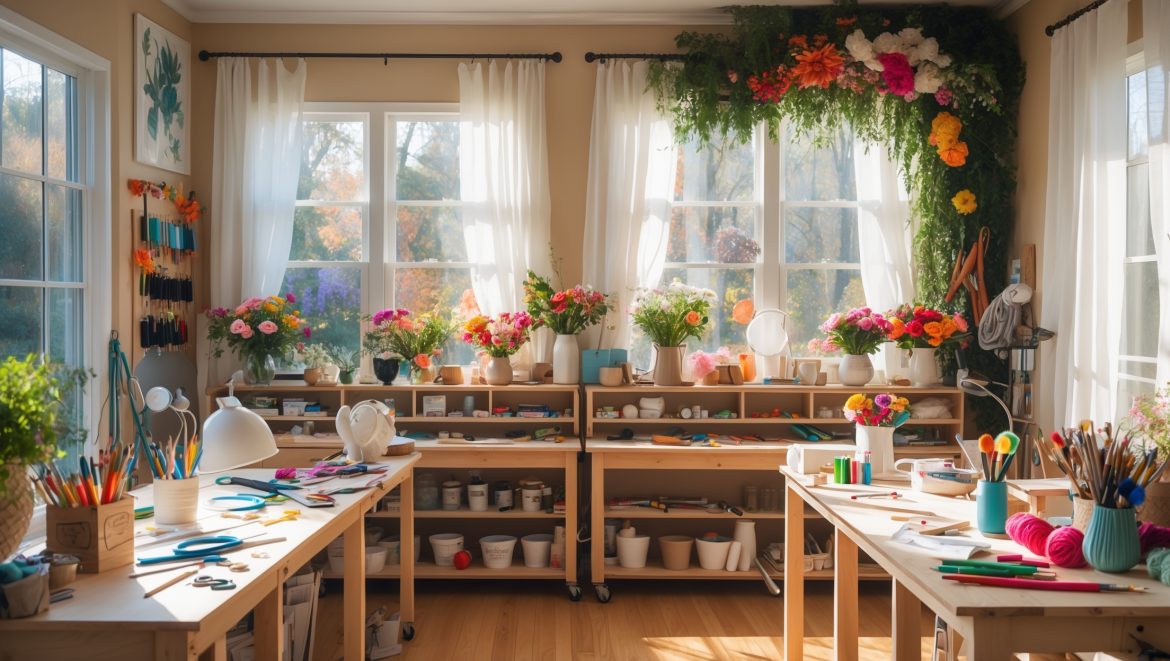
Introduction: Why Seasonal Maintenance Matters for DIY Craft Studios
Your DIY craft studio is more than just a workspace—it’s the heart of your creativity. Whether you’re a hobbyist or a small business owner, the condition of your studio directly impacts your productivity, safety, and enjoyment. Yet, with all the focus on new projects and daily routines, it’s easy to let studio maintenance slide. Neglecting upkeep can lead to clutter, safety hazards, tool malfunctions, and even costly repairs. That’s where a seasonal maintenance routine becomes a game-changer. By breaking tasks into manageable, season-specific checklists, you’ll keep your creative space running smoothly, prevent long-term issues, and ensure every season inspires your best work. In this comprehensive guide, you’ll find practical steps for cleaning, organizing, inspecting, and upgrading your craft studio throughout the year. Let’s dive in and make sure your studio is always ready for your next creative spark.
Spring: Fresh Start and Deep Cleaning
Declutter and Organize
Spring is synonymous with renewal. Begin by decluttering your studio. Go through every shelf, drawer, and storage bin:
- Sort supplies into three categories: keep, donate/sell, and discard.
- Check for dried-out paints, expired adhesives, broken tools, or incomplete kits and remove them.
- Reorganize materials by category—fabrics, papers, paints, beads, etc.—and label containers for easy access.
- Assess your storage solutions. Consider adding more shelving, clear bins, or drawer dividers to maximize space.
Deep Cleaning
A thorough cleaning not only revitalizes your space but also maintains healthy air quality:
- Dust shelves, work surfaces, and equipment.
- Vacuum or mop floors, paying special attention to corners and under furniture.
- Clean windows to let in more natural light.
- Wipe down tools and machines, removing built-up grime and residue from crafting materials.
- Sanitize high-touch surfaces, including doorknobs, switches, and handles.
Inspect Tools and Equipment
Spring is ideal for a thorough inspection of your tools:
- Check hand and power tools for wear, frayed cords, or rust. Replace or repair as needed.
- Test all safety equipment—first aid kits, fire extinguishers, smoke detectors. Replace expired items.
- Lubricate moving parts on machines (sewing machines, cutting tools, etc.).
Review Inventory and Restock
Take stock of your most-used consumables:
- Make a list of low items (glue, thread, paint, sandpaper, etc.).
- Order replacements so you’re not caught short midway through a project.
- Rotate older inventory to the front to ensure nothing goes to waste.
Summer: Optimize for Comfort and Efficiency
Climate Control
Hot, humid conditions can damage materials and make working unpleasant:
- Inspect air conditioning or fans. Clean or replace filters for maximum efficiency.
- Install blackout curtains or shades to reduce heat from sunlight.
- Use a dehumidifier to prevent mold, especially if you work with paper, fabric, or wood.
- Store sensitive materials (paints, adhesives) in cool, dry places.
Outdoor Crafting Prep
Summer is perfect for outdoor projects:
- Clean and assemble portable workstations or tables for patio or backyard crafting.
- Inspect extension cords and outdoor-rated power strips for frays and safety compliance.
- Prepare sun protection—hats, sunscreen, and water bottles—for comfortable outdoor sessions.
Fire Safety Check
With increased electrical use, fire prevention is critical:
- Test outlets for overheating; do not overload circuits.
- Inspect and test smoke alarms and fire extinguishers.
- Review your emergency exit plan and make sure pathways are clear.
Mid-Year Assessment
Evaluate your studio’s workflow and efficiency:
- Identify areas of the studio that feel cramped or underused.
- Experiment with rearranging furniture or tools to optimize movement and productivity.
- Update your inspiration board or decor to keep your motivation high.
Autumn: Prepare for Creative High Season
Seasonal Supply Inventory
Fall often brings a surge in crafting—think holiday gifts, decor, and markets:
- Take inventory of materials needed for seasonal projects (autumn wreaths, holiday cards, knitted gifts, etc.).
- Order supplies in advance to avoid backorders and rush shipping costs.
Tool Maintenance and Calibration
Before the busy season kicks off:
- Sharpen blades on scissors, rotary cutters, and utility knives.
- Calibrate cutting machines, printers, or other precision equipment.
- Replace batteries in cordless tools and backup lights.
Workspace Comfort
Crisp weather calls for a cozy, functional studio:
- Inspect space heaters and ensure they’re dust-free and functioning safely.
- Add soft rugs or anti-fatigue mats for warmth and comfort during long crafting sessions.
- Review lighting—shorter days mean more reliance on artificial light. Clean fixtures and consider adding task lamps.
Organize Seasonal Projects
Stay on top of deadlines by:
- Setting up a dedicated area or bin for current projects-in-progress.
- Creating a schedule for major seasonal crafts, markets, or gift-making sessions.
- Labeling storage for completed holiday items to avoid last-minute scrambles.
Winter: Protect, Preserve, and Plan Ahead
Protect Against Cold and Moisture
Winter’s chill can affect both your materials and your studio’s infrastructure:
- Seal windows and doors to prevent drafts and moisture leaks.
- Store temperature-sensitive supplies (paints, glues, electronics) in insulated containers or bring them into heated areas.
- Check for condensation, especially if your studio is in a basement or garage. Use moisture absorbers or a small dehumidifier if needed.
Safety and Emergency Prep
- Test all emergency lighting and keep flashlights with fresh batteries handy.
- Check that walkways and exits are clear of snow, ice, or clutter.
- Review your supplies for winter storm readiness (extra blankets, bottled water, backup heat source if necessary).
Annual Review and Future Planning
Winter is the perfect time to reflect and plan:
- Review your project log: What worked? What would you change?
- Make a wish list of upgrades—new tools, storage, or even a studio expansion.
- Set creative and organizational goals for the coming year.
- Sort and archive digital files—patterns, photos, instructions—on your computer or cloud storage.
Year-Round Maintenance Essentials
Quick Weekly Tasks
- Wipe down work surfaces at the end of each week.
- Empty trash and recycling bins regularly.
- Put away tools and supplies after every session to prevent build-up.
Monthly Routines
- Check for pests (moths, mice, silverfish) and take preventive action if needed.
- Inspect tools for wear or damage.
- Update your supply inventory.
Quarterly Deep Dives
- Rotate stock to the front and check for expired materials.
- Review and adjust your studio layout for maximum comfort and efficiency.
Tips for Staying Motivated and Consistent
- Set aside a specific day each season for a maintenance blitz—put it on your calendar.
- Break up big tasks into smaller, manageable chunks to avoid overwhelm.
- Reward yourself after maintenance sessions—a new supply, a favorite treat, or some pure creative play.
- Involve friends, family, or fellow crafters for a maintenance party. Many hands make light work!
Printable Seasonal Maintenance Checklist
Consider creating a printable checklist tailored to your studio’s unique needs. Hang it in a visible spot to keep you on track. Here’s a sample structure to get you started:
- Spring: Declutter, deep clean, inspect tools, restock supplies
- Summer: Check climate control, prep for outdoor projects, fire safety, workflow review
- Autumn: Inventory seasonal supplies, sharpen and calibrate tools, prepare workspace comfort, organize projects
- Winter: Insulate and protect against cold, emergency prep, annual review, plan upgrades
Conclusion: A Studio That Grows With You
Maintaining your DIY craft studio is more than just a chore—it’s an investment in your creativity, safety, and success. By adopting a seasonal maintenance routine, you’ll prevent small issues from becoming big headaches, maximize the lifespan of your tools and materials, and create a studio environment that truly reflects your passion. Remember, your creative needs will evolve over time, and so will your space. Use these checklists as a foundation, but don’t hesitate to customize them as your projects, tools, and ambitions grow. Every hour spent on maintenance pays you back with smoother workflows, inspiring surroundings, and, most importantly, uninterrupted creative flow. So as each new season arrives, embrace it as an opportunity—not just to clean and organize, but to dream, plan, and set the stage for your next big idea. Happy crafting, and here’s to a studio that keeps up with your imagination all year long!



When you mention checking for expired adhesives and dried-out paints, is there a general rule for how long to keep these types of supplies? I’m worried about tossing something that might still be usable.
Adhesives like glues usually last about 1 to 2 years once opened, while most acrylic paints can last up to 5-7 years if sealed well. If the adhesive smells off, separates, or is very thick, it’s probably time to replace it. For paints, check for mold, separation that won’t mix, or a strange odor. When in doubt, test a small amount before deciding to keep or toss.
How often should deep cleaning tasks like sanitizing high-touch surfaces or cleaning windows be repeated throughout the year to maintain a safe and pleasant workspace?
For a craft studio, deep cleaning tasks like sanitizing high-touch surfaces should ideally be done once a week, especially if the space is used regularly. Cleaning windows can be scheduled seasonally—about every three months—unless you notice buildup sooner. Adjust the frequency if your studio gets extra use or exposure to dust and materials.
In the section about reorganizing by category and labeling containers, do you have a preferred labeling system or tips for keeping everything organized long-term as new supplies are added?
I recommend using a flexible labeling system, such as reusable chalkboard or dry-erase labels, so you can easily update them as your supplies change. Organize items by category in clear bins or drawers, and maintain an inventory list that you update whenever you add new materials. This keeps everything easy to find and prevents clutter in the long run.
About deep cleaning equipment—how do you safely clean machines or tools with electrical components? I want to avoid damaging anything important when removing built-up residue.
To safely clean equipment with electrical parts, always unplug machines first. Use a soft, dry cloth or a slightly damp (not wet) cloth for exterior surfaces, keeping moisture away from any openings. For stubborn residue, use a small brush or gentle vacuum to clear dust from vents and crevices. Never spray cleaners directly onto equipment; instead, apply cleaner to the cloth. Allow everything to dry completely before plugging back in.
When doing a deep spring cleaning, do you have recommendations for non-toxic cleaning products that work well with sensitive craft supplies, especially for painters or those using fabric?
For deep spring cleaning in a craft studio, especially where paints and fabrics are involved, consider using non-toxic options like castile soap, distilled white vinegar (diluted), and baking soda. These are gentle yet effective and won’t leave residues that could affect your supplies. For surfaces, microfiber cloths with just water work well, and for fabrics, unscented mild detergents are best.
When it comes to deep cleaning crafting tools and machines, are there certain products or methods you suggest avoiding to prevent damage?
Avoid using harsh chemicals like bleach or ammonia-based cleaners on crafting tools and machines, as these can cause corrosion or residue buildup. Stick to mild soap, water, and soft cloths for most surfaces. For electronic machines, never spray cleaners directly—use a lightly dampened cloth instead. Always check manufacturer guidelines before trying any cleaning method.
How do you keep track of which tools or supplies expire or get damaged during the year? Do you use a specific system or app to stay organized between these seasonal checks?
To stay on top of tool and supply expiration or damage, many crafters use simple inventory spreadsheets or basic note-taking apps to log purchase dates and condition notes. Color-coded labels on items also help quickly spot what needs attention. Setting quarterly reminders to review your supplies ensures nothing gets overlooked between seasonal maintenance checks.
What would you suggest as a low-budget way to upgrade storage or shelving in a craft studio when doing seasonal organizing, especially for someone who rents and can’t install permanent fixtures?
Consider using stackable plastic bins, rolling carts, or cube storage units that don’t require installation and can be moved as needed. Over-the-door organizers and freestanding shelves are also renter-friendly and affordable options to maximize your craft studio’s storage during seasonal organizing without making permanent changes.
I’m on a tight budget and want to upgrade my craft studio organization. Are there any affordable DIY storage hacks you suggest for maximizing space without spending too much?
You can organize your craft studio on a budget by repurposing items like glass jars for small supplies, using pegboards or cork boards for tools, and stacking clear shoe boxes for easy-access storage. Also, try making shelves from wooden crates or cardboard boxes and use hanging organizers on doors or walls to maximize your available space.
When you mention deep cleaning tools and machines in the spring, do you recommend any specific cleaning solutions or methods for things like glue guns or fabric cutters?
For glue guns, unplug and let them cool completely, then wipe off any glue residue with a damp cloth—avoid soaking electrical parts. For fabric cutters, use a small brush to clear lint and wipe blades with a cloth lightly dampened with rubbing alcohol. Always check the manufacturer’s instructions for specific cleaning recommendations, as some tools may have unique care needs.
When deep cleaning crafting tools and machines, are there any particular cleaning products or methods you recommend to avoid damaging delicate equipment?
For delicate crafting tools and machines, it’s best to use mild, non-abrasive cleaners such as gentle dish soap diluted with water. Soft microfiber cloths work well to avoid scratching surfaces. For electronic or mechanical parts, use compressed air to remove dust and make sure to consult the manufacturer’s guidelines for recommended cleaning products and methods.
When you mention checking for expired adhesives and broken tools, is there a good way to safely dispose of those items, or do they just go in the regular trash?
For expired adhesives, it’s best to check the label for any disposal instructions, as some glues can be hazardous. If none are listed, let liquid adhesives dry out before tossing them in the trash. Broken tools made of metal can often be recycled as scrap if your local center accepts them, otherwise they can go in the regular trash. Always avoid pouring adhesives down the drain.