
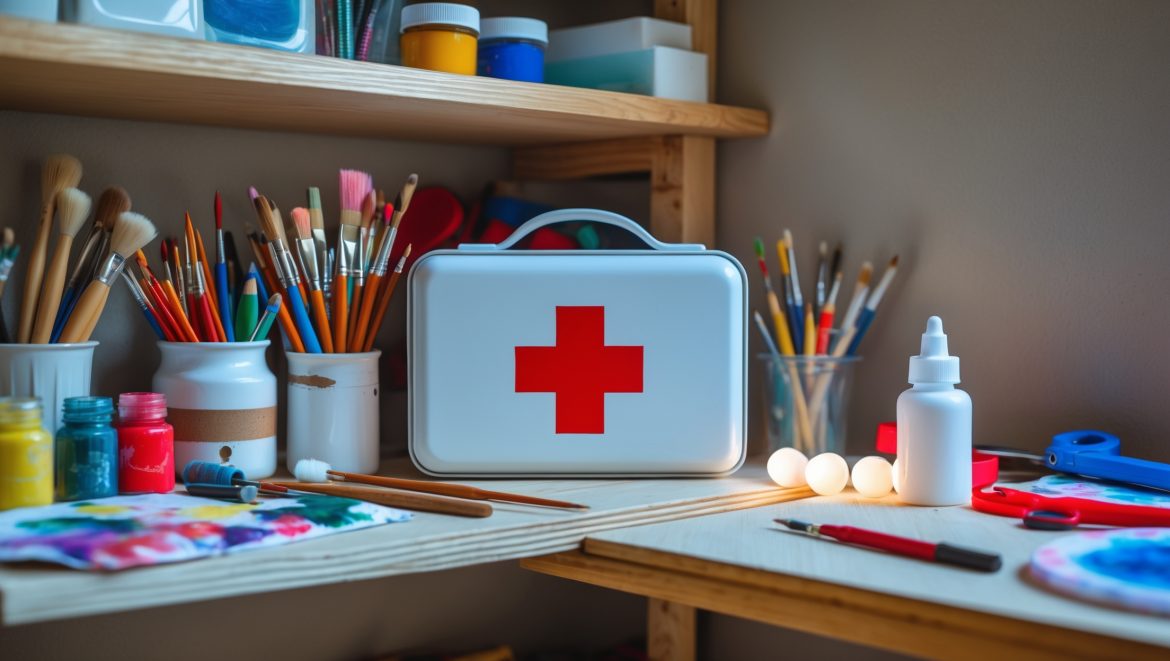
Introduction: Why Every DIY Craft Studio Needs a Dedicated First-Aid Kit
Creativity thrives in well-equipped, safe spaces, but every DIY craft studio—no matter how meticulously organized—is prone to the occasional mishap. Whether you are an avid crafter, a woodworking enthusiast, or a mixed-media artist, minor injuries are an inherent risk of hands-on work. Paper cuts, hot glue burns, splinters, and chemical exposures can happen in an instant, turning a productive session into a scramble for bandages or ointment. Yet, many creative workspaces overlook the importance of a dedicated, studio-specific first-aid kit.
This isn’t just about having a box of band-aids tucked in a drawer. A thoughtfully assembled first-aid station is a practical, proactive investment in your creative well-being. It means you’re prepared to treat everything from minor nicks to the rare, but serious, accident—without interrupting your flow or risking further injury. In this comprehensive guide, we’ll walk you through building a robust first-aid kit tailored to the unique hazards of craft studios. You’ll learn what to include, how to organize your supplies for quick access, tips for maintenance, and why this small effort pays dividends in peace of mind and productivity. Let’s make safety as creative and intentional as your projects themselves.
Understanding the Unique Risks of Craft Studios
Common Injuries in Creative Workspaces
- Cuts & Lacerations: From utility knives, rotary cutters, scissors, and craft blades.
- Burns: Hot glue guns, soldering irons, and heat tools are frequent culprits.
- Splinters & Punctures: Woodworking, wirework, and textile crafts can leave sharp fragments behind.
- Chemical Exposure: Paints, solvents, adhesives, and cleaning products can cause skin irritation or eye injuries.
- Eye Injuries: Flying debris during sanding, cutting, or drilling.
- Allergic Reactions: To latex, certain adhesives, or natural materials.
Why a Home First-Aid Kit Isn’t Enough
Generic home first-aid kits often lack the breadth of supplies needed for studio-specific risks. A craft studio kit should be customized, easily accessible, and separate from your regular household supplies. This ensures that, in the event of an emergency, you have the right tools on hand—no searching, no improvising, no risking contamination of art materials or supplies.
Essential Supplies for a DIY Craft Studio First-Aid Kit
Wound Care Basics
- Assorted adhesive bandages (various sizes and shapes)
- Sterile gauze pads and adhesive tape
- Non-stick wound pads for burns or abrasions
- Antiseptic wipes and solution (alcohol-free options for sensitive skin)
- Hydrogel burn dressings or burn gel
- Butterfly wound closures and liquid bandage
Splinter and Puncture Tools
- Sterile tweezers
- Magnifying glass (for tiny splinters)
- Needle (sterile, single-use)
- Small splinter removal kit
Burn and Heat Injury Supplies
- Instant cold packs
- Burn relief spray or aloe gel
- Non-adhesive burn dressings
Eye Injury Response
- Sterile eyewash solution or saline bottles
- Eye pads and tape
- Protective eye cup for temporary coverage
Chemical Exposure and Allergies
- Nitrile gloves (latex-free, powder-free)
- Face masks (for dust or fumes)
- Disposable aprons
- Antihistamine tablets (for mild allergic reactions)
- Hydrocortisone cream (for rashes or irritation)
General First-Aid Essentials
- Scissors (blunt-tipped for safety)
- Finger cots (for working with minor finger injuries)
- Elastic bandage roll
- Instant glucose tablets (for low blood sugar episodes during long sessions)
- CPR face shield (for emergencies)
- Emergency contact sheet and local urgent care info
Additional Smart Additions
- Mini flashlight or headlamp (for power outages or working in low light)
- Thermal blanket (if you work in an unheated garage or shed)
- Notebook and pen (for recording incidents or symptoms)
- Small mirror (for self-assessment of facial injuries)
Building and Organizing Your Studio Safety Station
Choosing the Right Container
Opt for a sturdy, clearly labeled container that resists dust and moisture. A portable toolbox, tackle box, or lockable plastic organizer with compartments works well. Transparent lids or color-coded bins make contents visible and accessible.
Labeling and Inventory
- Label each compartment by supply type: “Burns,” “Wounds,” “Eye Care,” etc.
- Include an inventory checklist inside the lid for quick re-stocking.
- Attach a laminated emergency instruction card (first-aid basics and local emergency numbers).
Where to Place Your First-Aid Station
The kit should be mounted on a wall or placed on an open shelf, within easy reach of your main work zone. Avoid tucking it in a locked cabinet or high shelf—visibility and accessibility are key. If your studio has multiple work zones (e.g., painting area, woodshop, sewing corner), consider a central location or multiple small kits.
Special Considerations for Shared Studios
- Post clear signage indicating the kit’s location.
- Ensure all users know how to use key supplies (basic first-aid training is a plus).
- Assign responsibility for maintenance and restocking.
Maintenance Best Practices for Craft Studio First-Aid Kits
Regular Inspections and Restocking
- Check your kit monthly for expired, depleted, or damaged supplies.
- Replace used items immediately after an incident.
- Keep a simple supply log to track usage and needed replacements.
Managing Expiry Dates
Many first-aid supplies, especially ointments, medications, and sterile dressings, have expiration dates. Mark each item with a visible date of expiry. Set a recurring calendar reminder (quarterly works well) to check and rotate stock as needed.
Adapting to Seasonal and Project-Based Needs
- In summer, include extra cold packs and sunburn relief.
- During holiday crafting, stock up on bandages and burn treatments.
- If working on projects with unusual risks (e.g., resin casting, power carving), add specific protective or emergency items.
Quick-Access Tips: When Seconds Count
Designing for Speed
- Keep scissors, gloves, and bandages in the kit’s top tray for instant access.
- Use color-coded pouches or labels for each type of injury.
- Consider a wall-mounted kit with a see-through front for visual checks at a glance.
First-Aid Basics Every Crafter Should Know
Stocking a kit is only part of the equation. Take time to review basic wound care, burn treatment, and eye injury response. Free online resources from the Red Cross or St. John Ambulance offer practical, visual guides. Print these out and keep with your kit.
Advanced Safety Additions for High-Risk Studios
Power Tool and Chemical Use
- Emergency eyewash station or eyewash bottle mount near sinks.
- pH neutralizer for acid/alkali exposures (check for compatibility with studio chemicals).
- Extra nitrile gloves in multiple sizes.
First-Aid for Allergies and Anaphylaxis
- If you or a studio member has severe allergies, keep an epinephrine auto-injector (with prescription).
- Post allergy action plans and emergency contacts near the kit.
Child-Proofing and Pet Safety in Craft Studios
Safeguarding Curious Hands and Paws
- Use lockable containers or high shelves for first-aid kits in studios where children or pets may be present.
- Opt for non-toxic, hypoallergenic supplies where possible.
- Teach children basic first-aid and the importance of kit contents (age-appropriate).
Real-World Case Studies: First-Aid in Action
Case 1: The Quick Response Burn
Susan, a fiber artist, accidentally touched her steam iron’s soleplate. Thanks to her easily accessible studio first-aid kit, she immediately applied a cold pack and burn gel, preventing blistering and continuing her project after a short break. Her kit’s clear labeling helped her act quickly without panic.
Case 2: Eye Irritant Emergency
When Mark splashed solvent into his eye while cleaning brushes, he was able to grab his wall-mounted eyewash bottle and flush his eye without delay. He credits his studio’s posted emergency instructions with helping him avoid a trip to urgent care.
Case 3: Splinter Solution
During a woodworking session, Alexis embedded a fine wood splinter in her palm. Her studio kit’s magnifier and sterile tweezers made removal simple and safe, sparing her a trip to the bathroom and reducing the risk of infection.
Conclusion: Safety as a Foundation for Creativity
Every creative journey comes with its share of small risks, but a well-prepared first-aid kit transforms uncertainty into confidence. By tailoring your kit to your craft studio’s unique needs, you create a workspace where safety is as much a part of your process as your favorite tools or materials. This doesn’t just protect your health—it preserves your creative momentum, your peace of mind, and your ability to respond calmly when unexpected accidents occur.
Remember, a first-aid kit is a living resource. It should grow and adapt with your projects, your skills, and your studio’s evolving risks. Review its contents regularly, keep instructions accessible, and make safety a regular topic among fellow makers or studio partners. Teach children and guests where to find supplies and how to use them. Most importantly, treat your first-aid kit as a vital tool—one that deserves the same thoughtful care you give your paintbrushes, sewing machines, or chisels.
By making safety intentional, you nurture not just your craft, but your capacity to create with freedom, focus, and joy. Invest in your DIY craft studio’s first-aid station today, and craft with confidence for years to come.
Are there any recommendations for specific brands or types of burn ointments and eye wash that are particularly effective for common craft studio accidents like hot glue burns or chemical splashes?
For hot glue burns, look for burn ointments with lidocaine or aloe vera, such as Water Jel or Burnshield. For eye wash, sterile saline solutions like those from Bausch & Lomb or Physiodose are reliable. Make sure any burn ointment is safe for minor burns and any eye wash is specifically meant for ocular use, not just general wound cleansing.
For those of us who share our craft studio space with kids or pets, do you have any tips on keeping the first-aid kit accessible to adults but out of reach of little hands and paws?
A good approach is to mount your first-aid kit on a wall at adult shoulder height or higher, making it easy for grown-ups to reach but well out of range for kids or pets. If possible, choose a cabinet with a latch or childproof lock for extra safety, so only adults can open it quickly in case of an emergency.
For studios where multiple people craft together, do you recommend having separate first-aid kits for different stations, or is one central safety station usually enough to handle injuries like burns or chemical exposure quickly?
For studios with multiple people crafting at once, a central, well-stocked safety station is usually sufficient, as long as it’s easy to access from all areas. However, if your space is large or has different rooms, placing smaller first-aid kits at high-risk stations—like near hot glue guns or chemicals—can help address burns or exposures even faster.
I’m curious how often you suggest checking or restocking craft studio first-aid kits. Is there a recommended schedule so I don’t find out in the middle of a project that I’m missing something important?
It’s wise to check and restock your craft studio first-aid kit every three to six months, or after any incident where supplies are used. Setting a reminder on your phone or calendar for a regular check can help ensure you’re always prepared and nothing essential runs out unexpectedly.
Is there a way to organize the studio first-aid kit so older kids can use it safely and find what they need in an emergency, or should I keep it mostly off-limits to them?
You can definitely make the first-aid kit accessible for older kids by organizing it with clear labels and simple instructions. Consider using color-coded sections or pictograms for different supplies like bandages, antiseptics, and gloves. Store more advanced items out of reach. Review the kit with them so they know what to use in common situations.
Are there budget-friendly alternatives for organizing a first-aid station, or do you recommend investing in a dedicated cabinet or specialized organizers to keep everything accessible?
You can absolutely put together a first-aid station on a budget. Repurposing items like clear plastic bins, small toolboxes, or even labeled zip bags can keep supplies organized and easy to find. While a dedicated cabinet can be nice, the key is visibility and accessibility, so any simple, well-labeled container works well.
I’m curious if you have tips for organizing the first-aid kit so supplies are easily accessible during an emergency, especially in a studio that gets messy or crowded during projects.
To keep your first-aid kit accessible in a busy, messy studio, use a clear, labeled container with compartments for different items like bandages, ointments, and tools. Mount the kit at eye level near the main entrance, and consider posting a checklist inside the lid for quick reference. Regularly restock and tidy it so nothing gets buried or misplaced.
If someone in my craft studio has allergies to latex or certain adhesives, what should I include in my first-aid kit to keep everyone safe? Are there specific alternatives you’ve found effective?
For a craft studio with allergy concerns, choose latex-free gloves and bandages to avoid reactions. Stock hypoallergenic adhesives, such as silicone-based or medical-grade tapes, instead of standard ones. Clearly label all first-aid materials and keep a list of known allergies handy. This way, you can respond quickly and safely if an incident occurs.
I use a lot of paints and adhesives for my projects and sometimes worry about chemical exposure. Are there any specific first-aid items you recommend for treating chemical spills or eye injuries in a craft studio?
For chemical spills or eye exposure in your craft studio, it’s wise to include an eyewash bottle or sterile saline solution for rinsing eyes, chemical-resistant gloves, and a skin-safe rinse or neutralizer for accidental spills on skin. Also, have a pair of safety goggles on hand to help prevent injuries in the first place.
Do you recommend any particular brands or types of burn ointments or splinter removers that are especially effective for the kinds of injuries you listed, like hot glue burns or embedded fragments?
For hot glue burns, look for a burn ointment containing lidocaine for pain relief and aloe for soothing, such as those from Water Jel or Neosporin. For splinter removal, sterilized stainless steel tweezers (brands like Tweezerman work well) and splinter removal kits with fine-pointed tools can be very useful. Always follow the product instructions and replace supplies regularly.
Do you have recommendations for organizing first-aid supplies so they’re easily accessible during a rush, especially if your studio is small or cramped? I sometimes have trouble finding things quick when an accident happens.
Keeping first-aid supplies visible and sorted is key for small or busy studios. Use a clear, wall-mounted organizer with labeled pockets or bins for each type of item—bandages, antiseptics, gloves, scissors, etc. Place it near your main workspace, and make sure everything is returned to its spot after use. Regularly check supplies so nothing runs out or expires.
Is there a suggested frequency for checking and restocking the studio-specific first-aid kit to ensure everything remains up to date and effective, considering some items may expire or get used faster in a busy workspace?
It’s a good idea to check and restock your studio-specific first-aid kit at least once a month, especially in busy creative spaces. Some items, like bandages and antiseptics, may get used quickly, and certain supplies can expire. Regular monthly reviews help ensure everything is available and effective when needed.
How often should I check and restock my craft studio’s first-aid kit, and are there particular items that tend to expire quickly or run out faster based on common studio accidents?
It’s wise to check and restock your craft studio’s first-aid kit every three to six months. Items like bandages, antiseptic wipes, and adhesive tapes are used up quickly, so keep an eye on those. Also, ointments, pain relievers, and eye wash solutions have expiration dates—these should be checked each time you review your kit.
Can you suggest any ways to organize first-aid supplies so they’re easily accessible but still kept safe from kids or pets in a busy home craft studio?
One good option is to use a clear, lockable plastic box or a wall-mounted cabinet with a childproof latch. Place it at adult eye level, out of reach of little hands and curious pets. Label the box, and keep items grouped by type in smaller containers inside for quick access when needed.