

Introduction: Why Craft Studio Walls Matter More Than You Think
When planning your dream DIY craft studio, it’s easy to focus on worktables, storage bins, and lighting—leaving the walls as an afterthought. Yet, the walls of your creative space play a pivotal role in how you work, the comfort you feel, and the results you achieve. From minimizing distracting noise to maximizing storage and providing versatile surfaces for your projects, your walls can either limit or unleash your creative potential.
This comprehensive guide dives deep into optimizing your DIY craft studio walls. We’ll tackle how to soundproof for peace and focus, build flexible storage right into your walls, and choose surfaces that support any creative pursuit—from painting to papercraft, textiles to woodworking. Whether you’re starting a studio from scratch or looking to upgrade your current setup, you’ll find practical, step-by-step advice, cost-conscious material options, and inspiration for every skill level. Let’s turn those blank walls into the secret weapon of your creative sanctuary.
Wall Soundproofing: Crafting a Quieter Studio
Understanding Sound Issues in Craft Studios
DIY studios often buzz with activity: sewing machines, power tools, music, and conversation. But without proper sound control, noise escapes to disturb housemates or neighbors, and outside clatter distracts you from your creative flow. Soundproofing isn’t just about courtesy—it’s about focus and comfort, too.
Key Soundproofing Strategies
- Sealing Gaps: Sound leaks through even the smallest cracks. Use acoustical caulk around outlets, baseboards, and window frames.
- Adding Mass: More mass means less sound transmission. Consider double drywall with Green Glue between layers for significant noise reduction.
- Decoupling Structures: Build a “room within a room” by mounting drywall on resilient channels, isolating wall layers and reducing vibration transfer.
- Absorptive Surfaces: Hang acoustic panels or dense fabric wall hangings to soften echoes and dampen high-frequency noise inside the studio.
DIY Soundproofing Materials & Costs
- Acoustic caulk: $8–$15 per tube
- Green Glue noiseproofing compound: $20–$30 per tube
- Resilient channels: $2–$4 per linear foot
- Acoustic foam panels: $25–$60 for a pack covering 24 sq. ft.
- Heavy curtains or moving blankets (for temporary absorption): $30–$50 each
Step-by-Step: Installing Basic Wall Soundproofing
- Seal all perimeter gaps with acoustic caulk—don’t forget electrical boxes and HVAC vents.
- Add drywall mass: If possible, add a second layer of drywall with Green Glue between layers.
- Mount acoustic panels at ear level along walls facing each other, and corners where echoes build up.
- Hang dense curtains over windows and doors to block airborne sound.
For renters or temporary spaces, prioritize non-permanent solutions like interlocking foam tiles or moveable partitions lined with acoustic blankets.
Wall-Mounted Storage: Saving Space and Boosting Efficiency
Benefits of Wall Storage in Craft Studios
Floor space is precious in any studio. Wall-mounted storage systems keep your work zone open and adaptable, make supplies visible at a glance, and create an inspiring display of tools and materials. The right setup can double your usable space without expanding your footprint.
Popular DIY Wall Storage Solutions
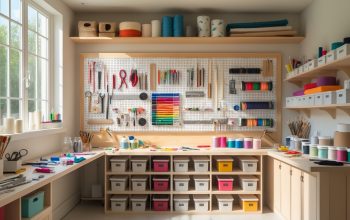
- Pegboards: Classic, customizable, and perfect for tools, scissors, or paintbrushes. Paint or frame for a polished look.
- Slatwall Panels: Commercial-style panels with moveable hooks, shelves, and bins. Ideal for heavier items or modular arrangements.
- Floating Shelves: Great for jars, baskets, or display pieces. Use adjustable brackets for flexibility.
- Magnetic Strips: Hold metal tools—blades, rulers, tweezers—securely and within reach.
- Hanging Rails and Rods: Hang fabric, ribbons, or paper rolls. Add S-hooks for baskets or buckets.
- Grid Panels: Wire grids offer a modern look and can combine hooks, clips, and mini-shelves for mixed storage.
How to Plan Your Wall Storage Zone
- Assess your workflow: List your most-used tools and supplies. Group by type or project (e.g., painting, sewing, model-building).
- Map your wall space: Use painter’s tape to outline where storage units will go. Consider reachability and clear desk space.
- Choose modular components: Opt for systems you can expand or rearrange as your needs evolve.
- Mix closed and open storage: Open storage keeps essentials handy; closed bins or cabinets hide clutter or hazardous items.
Cost Breakdown: DIY Wall Storage Components
- Pegboard panel (2×4 ft): $15–$25
- Pegboard hooks and baskets: $10–$30 per set
- Slatwall panel (2×4 ft): $40–$70
- Floating shelf kit: $20–$50 each
- Magnetic tool holder: $10–$20
- Wire grid panel: $25–$45
Installation Guide: Safe and Secure Wall Storage
- Locate studs using a stud finder—secure storage systems to studs for heavy items.
- Mark mounting points at comfortable heights for standing or seated work.
- Pre-drill holes and use appropriate anchors for drywall or masonry if studs aren’t available.
- Install storage units, checking for level and stability before loading up supplies.
- Label or color-code storage zones for fast access and easy reorganization.
Pro tip: Leave room for inspiration—a pinboard, small whiteboard, or rotating art display keeps creativity flowing.
Wall Surfaces for Creative Flexibility
Choosing the Right Wall Finish for Your Craft
The right wall surface can transform your studio: from a paint-friendly backdrop to a giant whiteboard for brainstorming, or a pin-up zone for mood boards and works-in-progress. Consider your main mediums and choose finishes that support your workflow.
Top Wall Surface Upgrades
- Writable Walls: Apply dry-erase or chalkboard paint for instant sketching, planning, or tracking project steps.
- Cork Panels: Pin up inspiration, swatches, or patterns. Available as tiles, rolls, or framed boards.
- Utility Panels: Mount a large sheet of whiteboard, magnetic board, or clear acrylic for flexible display and writing.
- Washable Paint: Use semi-gloss or scrubbable matte for easy cleaning after splatters or dust.
- Protective Backdrops: For messy crafts, install washable vinyl or stainless steel panels behind workstations.
DIY Installation: Creating Custom Work Surfaces
- Clean and prime the wall to ensure paint or adhesive panels stick well.
- Tape off areas for specialty paints (chalkboard, whiteboard) and apply as directed—usually two coats, with full curing before use.
- Mount cork or utility panels flush to the wall using construction adhesive and finishing nails.
- Seal edges of washable or protective panels with silicone caulk to prevent spills from seeping behind.
- Test surfaces for durability—wipe, pin, and write to ensure they meet your creative needs.
Material and Cost Guide
- Chalkboard paint (quart): $10–$20
- Dry-erase paint (kit covers 50 sq. ft.): $30–$50
- Cork tiles (pack of 8, 12×12”): $18–$30
- Whiteboard panel (4×8 ft): $25–$40
- Stainless steel sheet (2×4 ft): $50–$80
- Washable interior paint (gallon): $25–$45
Safety and Maintenance for Wall Installations
Safety Checklist for Wall Projects
- Confirm wall load ratings before hanging heavy storage or shelving units.
- Wear safety goggles and dust masks when drilling or sanding walls.
- Use a voltage detector to check for wires before drilling or nailing.
- Secure all mounted items firmly—test with gentle tugs before loading up supplies.
- Keep flammable materials (paints, solvents) away from heat sources or overloaded outlets.
Wall Maintenance Best Practices
- Inspect shelves, hooks, and panels every few months for signs of loosening or stress.
- Clean surfaces regularly: dust open storage, wipe down whiteboards, and disinfect high-touch areas.
- Touch up paint and reseal protective surfaces as needed after spills or heavy use.
- Reorganize storage seasonally to keep workflow efficient and adapt to new projects.
Creative Inspiration: Real Studio Wall Upgrades
Case Study 1: Pegboard Wall for Mixed-Media Art
Artist Jane transformed a cramped spare room by covering one wall with a painted pegboard. She arranged hooks and bins for paint, brushes, and small canvases, while magnetic strips held sharp tools. A corkboard strip above displayed her weekly mood board. This setup freed desk space and let her switch between projects without hunting for supplies.
Case Study 2: Soundproofed Sewing Studio
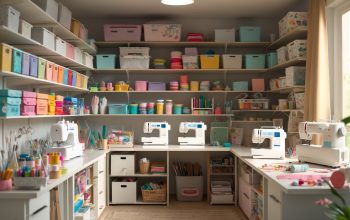
Textile designer Linda lived in an apartment with thin walls. She installed acoustic foam panels over a layer of Green Glue-treated drywall, then hung fabric wall hangings for extra absorption. Her studio became a quiet oasis for late-night sewing, and her neighbors no longer complained about the hum of her machines.
Case Study 3: Writable Wall for Craft Business Planning
A pair of crafters running an Etsy shop needed space for brainstorming and order tracking. They applied dry-erase paint to a full wall near their packing station, mapping production schedules, supply lists, and shipping deadlines. This visual workflow improved their productivity and helped avoid missed orders.
Conclusion: Elevate Your Studio by Elevating Your Walls
Your craft studio walls are more than a backdrop—they’re the backbone of your creative environment. Thoughtful wall soundproofing protects your focus and relationships. Smart wall storage unlocks precious workspace and keeps inspiration in easy reach. The right wall surfaces support your unique artistic process, from sketching to splattering paint to organizing big collaborative projects.
Investing in wall upgrades doesn’t require a huge budget or pro-level skills. Whether you install a pegboard, mount acoustic panels, or experiment with writable paints, each improvement pays off in time saved, stress reduced, and creativity unleashed. As your studio (and your craft) evolves, your walls can adapt alongside you—offering new ways to organize, safeguard, and spark your best work. Don’t settle for blank or boring. Make your craft studio walls work as hard—and as creatively—as you do.
Ready to start? Sketch your wall vision, gather your tools, and transform those four sides into the heart of your creative space. Every nail, every panel, every brushstroke brings you closer to a studio that truly feels like home.

You mentioned using acoustical caulk to seal gaps for better soundproofing. Are there any tips for finding hidden leaks or overlooked spots in an older studio that might not be so obvious?
To find hidden air leaks in an older studio, try turning off lights and using a flashlight to check seams, outlets, and corners for visible gaps. On a windy day, pass your hand around walls and baseboards to feel for drafts. Also, consider running a portable fan outside a suspected area; if you sense airflow inside, there’s likely a leak to seal with acoustical caulk.
I noticed you mentioned using acoustical caulk around outlets and baseboards. Is there a certain brand or type that works best for small studios? How often would this need to be reapplied, if at all?
For small studios, look for acoustical caulk labeled as ‘non-hardening’ or ‘acoustic sealant’; popular and reliable brands include Green Glue and OSI SC175. These products are designed to stay flexible and maintain their seal for years, so you typically won’t need to reapply unless you remove or damage the caulking during renovations or repairs.
When figuring out wall storage, do you have suggestions for materials that are sturdy enough for heavier tools but still affordable? I need options that don’t make the space feel cramped.
Consider using heavy-duty metal pegboards or slatwall panels for sturdy yet affordable storage. Both can handle heavier tools and let you customize your layout. Mounting shelves with strong brackets is another good option. Keep the colors light and arrange storage vertically to maintain an open, uncluttered feel in your studio.
If you want to start improving your studio walls this weekend, which step from your guide would be the quickest to tackle for noticeable improvement in sound or workspace right away?
If you’re looking for a quick improvement this weekend, adding acoustic panels or even some basic sound-absorbing materials to your walls is an effective first step. This will make a noticeable difference in reducing echo and improving sound quality, and it doesn’t require much time or complex tools.
For a craft studio in a shared home, is double drywall with Green Glue better for soundproofing than just using acoustic panels, or should I combine both methods to keep noise down for my family?
Double drywall with Green Glue does a better job of blocking sound from traveling through walls than acoustic panels alone, which mainly reduce echoes inside the room. If you’re concerned about noise reaching your family, combining both methods is ideal—use double drywall with Green Glue for sound blocking, then add acoustic panels to control sound reflections within your studio.
I’m curious about integrating storage directly into walls—what are some cost-conscious material options you recommend that balance easy installation with durability, particularly for heavier craft supplies?
For sturdy yet budget-friendly wall storage, consider using plywood or MDF as your main material—both are strong enough for heavier supplies and easy to customize. Pair them with heavy-duty wall-mounted brackets or French cleats for added support. Pegboard is another cost-effective option for hanging tools and supplies, and it’s simple to install over studs.
For renters who can’t do permanent modifications like resilient channels, what temporary soundproofing solutions would you recommend for sealing gaps and adding absorption without damaging walls?
For renters, consider using removable weatherstripping or draft stoppers to seal door and window gaps. For sound absorption, hang thick curtains, moving blankets, or fabric-covered panels with adhesive strips that won’t damage paint. Freestanding bookcases filled with books can also help absorb sound and block noise without any need for permanent installation.
When you talk about building flexible storage directly into the walls, what are some cost-conscious material options that still look professional and support heavier craft supplies?
For cost-conscious yet sturdy options, consider using plywood or MDF for built-in shelves—they’re affordable, easy to customize, and can be painted for a professional look. Reinforce with simple metal brackets for extra strength. You can also use laminate shelving, which is budget-friendly and easy to wipe clean, making it great for craft studios.
Could you share more about cost-effective material options for in-wall storage that still hold up over time? My budget is tight, but I want to maximize every inch of wall space for craft supplies.
For budget-friendly in-wall storage, consider using plywood or MDF (medium-density fiberboard), which are sturdy and affordable. You can reinforce shelves with simple wooden brackets for added durability. Repurposed crates or sturdy cardboard covered with contact paper can work for lighter items. Paint or seal the materials to protect them and ensure they last longer, even on a tight budget.
I’m curious about your suggestion to use double drywall with Green Glue for adding mass. Have you found this to be cost-effective for small home studios, or are there other budget-friendly alternatives that still achieve decent sound reduction?
Using double drywall with Green Glue is highly effective for sound reduction, but it can be pricey for small home studios. If you’re on a tighter budget, consider using a single extra layer of drywall or sealing gaps with acoustic caulk. Heavy curtains or bookshelves filled with books along the walls can also absorb some sound at a lower cost.
I share my space with others, so containing noise is really important. How effective is sealing gaps with acoustical caulk compared to the other methods you mention, like adding drywall or using resilient channels?
Sealing gaps with acoustical caulk is a good first step for noise control, as even small openings can let sound through. However, it’s less effective on its own than adding extra drywall or using resilient channels, which provide more substantial soundproofing by increasing mass or decoupling surfaces. For the best results, combine acoustical caulk with one of those structural methods.
I have a tight budget for my studio renovation. What are the most cost-effective ways to soundproof just one main wall without compromising too much on noise control?
For a budget-friendly soundproofing solution, focus on layering materials. Use dense blankets or moving pads hung on the wall, add a layer of thick curtains, and seal any gaps with weatherstripping or caulk. Even carpet remnants or foam panels can dampen sound affordably. These steps provide decent noise control without major expenses.