
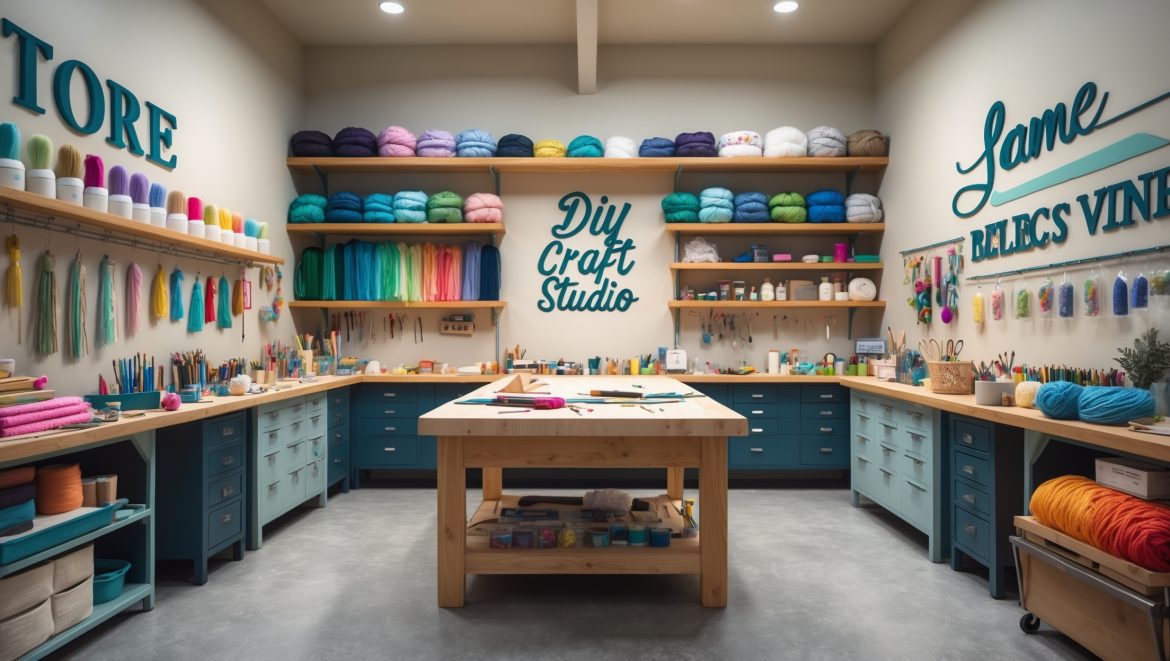
Introduction: The Heart of Every DIY Craft Studio
Every creative space has a centerpiece—the workbench. Whether you’re into woodworking, jewelry making, textiles, or mixed-media crafts, your workbench does more than hold your project-in-progress. It shapes your workflow, supports your materials, and can either inspire focus or spark frustration. With so many bench options available (from sleek store-bought solutions to rugged, self-built tables), how do you ensure your choice matches your craft, space, and budget? In this in-depth guide, we’ll break down the key considerations for selecting your ideal workbench, including materials, dimensions, features, and clever customization tips. By the end, you’ll know how to set up a bench that not only fits your studio but also boosts your creative output and safety. Let’s transform your workspace into a true maker’s haven—one smart decision at a time.
Understanding Your Crafting Needs
Assessing Your Primary Crafts
First, identify your core activities. Are you primarily sewing, painting, sculpting, or working with power tools? Each discipline has unique requirements for bench strength, finish, and features:
- Woodworking: Requires heavy-duty benches, vise mounting points, and a resilient surface.
- Sewing & Textiles: Needs a smooth, snag-free top and ample space for fabric layout.
- Jewelry or Electronics: Benefits from smaller, stable benches with integrated lighting and storage for tiny parts.
- Mixed Media/General Crafts: Demands versatility—balance between size, durability, and modifiability.
Listing Your Must-Have Features
Next, make a checklist of features you can’t live without. Examples:
- Integrated shelves or drawers
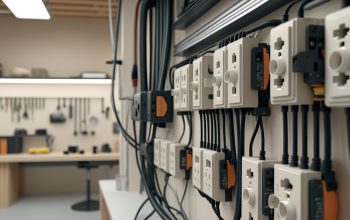
- Power strip or USB outlets
- Adjustable height or mobile casters
- Clamping or cutting zones
- Easy-to-clean surface
Keep this list visible as you evaluate bench options—prioritizing function over aesthetics will save you frustration later.
Workbench Materials: Pros, Cons, and Best Uses
Solid Wood Benches
Solid hardwood (like maple or beech) is the traditional choice for heavy-duty workbenches. These are durable, can absorb hammering and sawing, and can be resurfaced. However, they are heavy, expensive, and sensitive to moisture changes.
- Pros: Extremely durable, repairable, stable for precision work.
- Cons: Expensive, heavy, may need seasonal care.
- Best for: Woodworking, metalworking, any high-impact craft.
Plywood and MDF Benches
Plywood and medium-density fiberboard (MDF) are affordable, flat, and easy to customize. Great for general crafts or as a secondary bench. However, they are susceptible to water damage and can sag under heavy loads if not well-supported.
- Pros: Budget-friendly, easy to cut and modify, smooth surface.
- Cons: Less durable, water-sensitive, may sag over time.
- Best for: Sewing, painting, paper crafts, light assembly.
Metal Benches
Steel or aluminum benches are sturdy and often come with integrated storage. They’re resistant to solvents and ideal for crafts involving heat or chemicals. Downsides include weight, cost, and, sometimes, cold or noisy surfaces.
- Pros: Nearly indestructible, easy to clean, chemical/heat resistant.
- Cons: Expensive, heavy, not ideal for delicate work.
- Best for: Metalworking, electronics, crafts involving resins or chemicals.
Hybrid and Upcycled Options
Don’t overlook hybrid solutions—such as a wood frame with a metal or laminate top—or creative upcycling (using old doors, desks, or industrial tables as a workbench base). These can be customized to fit your unique needs and studio aesthetic.
Choosing the Right Size and Layout
Measuring Your Space
Before you shop or build, measure your available studio space. Consider:
- Clearance for walking, storage bins, and chair movement
- Doorways and windows (for moving the bench in and out)
- Proximity to outlets, sinks, or windows for ventilation/light
Determining Optimal Workbench Dimensions
- Length: 48”–72” (120–180 cm) fits most needs. Larger for textiles, smaller for jewelry/electronics.
- Depth: 24”–36” (60–90 cm) is standard; deeper benches can be hard to reach across.
- Height: Sitting: 28”–30” (71–76 cm). Standing: 34”–38” (86–97 cm). Adjustable-height benches are ideal for multi-purpose studios.
Single vs. Multi-Station Layouts
If your studio hosts multiple crafts or collaborators, consider modular benches or L-shaped layouts. Rolling benches can be repositioned for group projects or to free up space.
Workbench Features That Boost Productivity
Storage Solutions
- Drawers for small tools and hardware
- Shelves for bins or bulk materials
- Pegboards or wall rails above the bench for vertical storage
- Magnetic strips for scissors, blades, and metal tools
Integrated Power and Lighting
Add a mounted power strip with surge protection for plugging in tools and chargers. Under-shelf LED strips or articulated task lamps dramatically improve visibility, especially for fine work.
Modular and Customizable Surfaces
Consider a removable cutting mat, heat-resistant overlay, or grid for measuring and aligning projects. Some benches feature pop-up tool trays or flip-down extensions for extra work area.
Ergonomics and Comfort
- Cushioned anti-fatigue mats for standing work
- Rounded or beveled bench edges to prevent wrist strain
- Secure, comfortable seating (stools with adjustable height and footrests)
DIY vs. Pre-Made Workbenches: Making the Right Choice
Pre-Made Benches
Pros: Ready to use, often include built-in storage or features. Cons: May not fit your exact needs or space, limited customization.
DIY (Build-It-Yourself) Benches
Pros: Fully customizable dimensions and features, potential cost savings, pride of craftsmanship. Cons: Requires time, tools, and some building experience.
Hybrid Solutions
Consider starting with a sturdy commercial base (like an industrial table) and adding your own top or storage units for a personalized result with less effort.
Step-by-Step: Planning and Building a DIY Workbench
Step 1: Sketch and Plan
Draw your bench with dimensions, noting storage, tool holders, and any special features. Use graph paper or a free design app for scale.
Step 2: Select Materials
Choose based on your craft (see Materials section), your tools, and your budget. Don’t forget fasteners, glue, and finish.
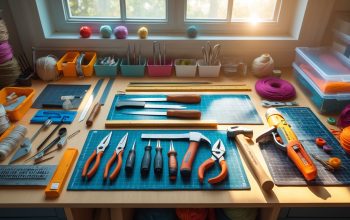
Step 3: Gather Tools and Hardware
- Circular saw or table saw
- Drill/driver
- Screws/bolts
- Clamps
- Measuring tape, square, level
- Sandpaper and finish (polyurethane, oil, or wax)
Step 4: Build in Stages
- Assemble the frame/legs; ensure everything is square and level.
- Add the top, fastening securely.
- Install shelves, drawers, or accessories.
- Sand and finish edges to prevent splinters.
Step 5: Customize and Organize
Add hooks, bins, or rails to keep tools at hand. Mount lighting as needed. Label drawers and bins for efficiency.
Tips for Customizing Your Workbench
- Swappable Tops: Use removable panels for switching between messy and delicate tasks.
- Mobile Bases: Add lockable casters for flexibility in small studios.
- Fold-Down Extensions: Great for occasional big projects or tight spaces.
- Integrated Power: Mount a surge-protected power strip and cord management system.
- Color Coding: Use colored bins or tape to organize by craft or material.
Maintaining and Upgrading Your Workbench
Routine Maintenance
- Clean surfaces after each session to prevent glue or paint buildup.
- Inspect fasteners and joints quarterly; tighten as needed.
- Reapply wood finish annually to protect against moisture and stains.
- Check casters or feet for stability and replace if worn.
Upgrading Over Time
- Add more storage as your tool collection grows.
- Upgrade lighting or power access as your needs evolve.
- Consider adding specialty vises or clamps for new crafts.
- Swap out the top if it becomes damaged or if you switch primary crafts.
Safety Considerations for Your Workbench
- Always secure heavy benches to prevent tipping.
- Ensure power strips and cords are safely routed and not a trip hazard.
- Keep flammable materials away from heat sources.
- Use non-slip mats under benches on smooth floors.
- Install adequate lighting to prevent eye strain and accidents.
Conclusion: Set Yourself Up for Creative Success
Your workbench is more than just a table—it’s the launchpad for every creative endeavor, the anchor that grounds your workflow, and a reflection of your maker’s mindset. Whether you invest in a solid, store-bought bench or pour your personality into a custom DIY solution, the right choice will make every project smoother, safer, and more enjoyable. Remember to start with your core craft needs, prioritize ergonomic and functional features, and don’t be afraid to adapt as your skills and interests evolve. With a thoughtfully chosen and well-maintained workbench, your DIY craft studio becomes a place where imagination meets practical possibility. Take the time to plan, personalize, and care for this essential tool—and watch your creative ambitions take flight.

You mention that a woodworking bench needs to be heavy-duty and have vise mounting points, but how can I modify a basic store-bought table to make it better suited for woodworking if I’m on a tight budget?
To upgrade a basic table for woodworking, reinforce the frame with extra screws or brackets for stability. You can attach a thick plywood or MDF sheet on top for a tougher work surface. For vise mounting, add wooden blocks or metal plates underneath the tabletop at the corners to provide secure attachment points without compromising the table’s strength.
Do you have any recommendations on how to efficiently add integrated outlets or a power strip to a self-built workbench without compromising safety or workspace area?
You can mount a power strip with surge protection underneath the workbench’s front edge for easy access and minimal workspace interference. Use cable management clips to keep cords tidy and out of the way. If you want integrated outlets, consider installing a recessed power box on the side panel, ensuring it’s wired by someone knowledgeable to maintain electrical safety.
The article mentions balancing modifiability and durability for mixed media crafts. Are there materials or construction techniques you’d suggest that make it easy to adjust the bench layout later if my needs change?
Using a workbench with a modular frame, such as one made from metal pipes or heavy-duty adjustable shelving, allows you to reconfigure shelves and surfaces easily. For the worktop, choose bolted or screwed panels instead of glued ones, so you can swap them out or reposition them as needed. Avoid permanent fixtures to keep your options open for future adjustments.
If I’m starting on a tight budget, is it worth building my own workbench using plywood or MDF, or should I save up for a store-bought option with more built-in features?
Building your own workbench with plywood or MDF is a practical and budget-friendly choice when starting out. Both materials are sturdy enough for most DIY and craft projects. You can always add features like shelves or pegboards later as your needs and budget grow, making it a flexible option.
For a pretty small studio space and a tight budget, what customization tips would you prioritize to make the most out of a basic, affordable workbench?
For a small space and tight budget, focus on adding shelves or pegboards above or beside your workbench for vertical storage. Install hooks or magnetic strips for tools, and consider a foldable or wheeled workbench for flexibility. Using stackable bins or drawer organizers can also maximize your workspace without major costs.
If my workspace is multipurpose and I need to set up and pack away crafts frequently, which customization features would you prioritize to make the bench as versatile and mobile as possible?
For a multipurpose workspace, consider adding lockable caster wheels for easy mobility and foldable or collapsible legs to help with quick setup and storage. Built-in storage like removable bins or shelves can keep supplies organized but out of the way. A lightweight but sturdy material will also make the bench easier to move without sacrificing stability.
If budget is tight, what would you prioritize: getting a solid surface material or adding integrated storage like drawers and shelves?
If you’re working with a tight budget, prioritizing a solid surface material is usually the best choice. A sturdy, reliable work surface will make your projects safer and more enjoyable. You can always add storage solutions like drawers or shelves later, using affordable materials or DIY options as your needs grow.
I see you recommend integrated power strips for electronics or jewelry work. Are there particular safety concerns or installation tips you’d suggest for setting up outlets on a homemade workbench?
When installing outlets or power strips on a homemade workbench, use only certified, properly-rated components. Make sure all wiring is insulated and connections are secure. Avoid overloading circuits, keep cords away from water, and mount power strips where they won’t be bumped or exposed to dust. If you’re unsure about wiring, it’s best to consult a licensed electrician.
Could you give some real-world examples of clever storage solutions that don’t take up extra floor space? My studio is really limited in size.
Absolutely! Wall-mounted pegboards or magnetic strips let you hang tools and supplies vertically, freeing up work surface. Floating shelves above your workbench are great for jars and small bins. You can also add hooks or baskets to the sides of your workbench for scissors, tape, or scrap materials, making use of every inch without taking up more floor space.
If my space is pretty limited, would you suggest a custom-built bench over a store-bought one to maximize storage and functionality, or are there ready-made options with smart storage?
If your space is tight, a custom-built bench can be tailored to fit every inch and include specific storage features you need. However, there are also compact ready-made benches with clever storage like shelves, drawers, or pegboards. If you find a store-bought option that fits your dimensions and storage needs, it can be a quicker solution.
If my crafting needs change over time, is it better to build a bench with modular add-ons, or start simple and upgrade later as needed?
Building a bench with modular add-ons gives you flexibility to adapt as your projects evolve, saving time and money in the long run. However, starting simple and upgrading later is a good option if your needs or space are still uncertain. Consider your budget and how much change you anticipate when deciding between the two.
Can you give more examples of how different materials like plywood, MDF, or solid wood hold up over time for mixed-media projects? I want something that lasts but am worried about my budget.
Plywood is a sturdy choice that resists warping and is cost-effective, making it suitable for most mixed-media projects. MDF is smooth and affordable, but it’s more susceptible to moisture damage and dents. Solid wood is the most durable and long-lasting, but it comes at a higher price. For a balance of longevity and budget, high-quality plywood is often a great middle-ground option.
How much should I expect to budget for a sturdy workbench with adjustable height? I’m hoping to upgrade soon but I want to avoid overspending.
For a sturdy workbench with adjustable height, you can generally expect to budget between $200 and $600. Factors like size, material (solid wood or steel are pricier), and extra features (like storage or power strips) can move the price up or down. If you’re flexible on features, shopping sales or considering gently used options can help you stay closer to the lower end.
I’m on a pretty strict budget for setting up my first DIY studio. Do you have any suggestions for affordable yet sturdy workbench materials, or ways to repurpose existing furniture to meet the needs outlined here?
If you’re watching your budget, consider using plywood or MDF for a strong but affordable workbench top, supported by simple 2×4 lumber frames. Repurposing an old kitchen table or desk can also work—just reinforce the legs and top for extra stability. Adding a secondhand shelf underneath can boost storage and functionality without much extra cost.