

Introduction: The Excitement—and Pitfalls—of Launching Your First DIY Craft Studio
Setting up your first DIY craft studio is a thrilling step for any creative enthusiast. The prospect of having a dedicated space where your ideas can come to life is both motivating and deeply satisfying. Whether you’re a hobbyist looking to level up your artistic practice, or an entrepreneur preparing to launch a handmade business, your studio is more than just four walls—it’s your creative engine. However, the journey from Pinterest boards to a fully functioning, inspiring workspace is often fraught with unexpected challenges. Many first-time studio owners make avoidable mistakes that cost time, money, and peace of mind. From underestimating basic needs to overlooking crucial safety protocols, these missteps can dampen your creative momentum and lead to frustration down the line. In this comprehensive guide, I’ll walk you through the most common beginner mistakes people make when launching a DIY craft studio, and—most importantly—how to avoid them. With practical tips and actionable advice, you’ll be able to set up a studio that fuels your creativity, maximizes your resources, and keeps you safe and productive from day one.
1. Underestimating Space and Layout Requirements
1.1 Failing to Plan for Workflow Zones
One of the most frequent mistakes is not considering how your creative process actually unfolds. Many beginners simply set up tables and storage wherever they fit, without organizing the space into functional zones. This often leads to workflow bottlenecks, wasted movement, and creative frustration.
- Solution: Map out your typical project steps. Designate zones for prepping materials, active making, drying/curing, and finishing. Arrange these zones logically to minimize back-and-forth.
- Tip: Use painter’s tape to mark out zones on the floor before committing to furniture placement.
1.2 Overcrowding With Furniture and Storage
It’s tempting to fill your studio with every organizer, cart, and cabinet you can find. But overcrowding reduces usable workspace and makes movement awkward, especially when working on larger projects.
- Solution: Start with only essential furniture. Gradually add storage as your needs become clearer. Prioritize open floor space for flexibility.
2. Skipping Budget Planning and Cost Tracking
2.1 Not Setting a Realistic Budget
Many new studio owners underestimate true setup costs. From specialty tools to adequate lighting, expenses add up quickly. An unplanned budget can lead to unfinished setups or having to compromise on quality materials.
- Solution: Create a detailed budget spreadsheet. Include everything—furniture, tools, paint, organizers, safety gear, even small consumables like tape and glue.
- Tip: Set aside a 15% contingency for unexpected costs.
2.2 Forgetting Ongoing Operating Costs
It’s easy to focus on initial purchases and overlook recurring expenses such as restocking supplies, utility costs, or equipment maintenance.
- Solution: Add a monthly or quarterly expense column to your budget. Account for consumables, tool maintenance, and potential upgrades.
3. Neglecting Lighting and Environmental Controls
3.1 Relying Solely on Overhead Lighting
Insufficient or harsh lighting can cause eye strain and color inaccuracies in your work. Many crafters make do with a single ceiling fixture, only to regret it when detailed projects suffer.
- Solution: Supplement overhead lights with task lighting at workstations. Use adjustable lamps or LED strips to target shadowy areas.
- Tip: If possible, maximize natural light but be prepared to control glare with sheer curtains or blinds.
3.2 Ignoring Temperature and Humidity Control
Materials like wood, paper, and textiles are sensitive to environmental changes. High humidity can warp supplies, while cold can affect adhesives and finishes.
- Solution: Invest in a simple climate monitor. Use portable heaters, fans, or dehumidifiers as needed to maintain a consistent environment.
4. Overlooking Safety Essentials
4.1 Skipping Fire Safety Measures
Many beginners don’t think about fire risk until it’s too late. Hot tools, flammable solvents, and electrical overloads are real hazards in a craft studio.
- Solution: Install a smoke detector and keep a multi-purpose fire extinguisher accessible. Store flammable materials in closed, ventilated cabinets.
4.2 Forgetting About Personal Protective Equipment (PPE)
Cutting, sanding, or using chemicals without protection can lead to injury or long-term health issues. PPE is often ignored for the sake of convenience.
- Solution: Stock up on safety glasses, gloves, dust masks, hearing protection, and aprons. Store PPE where it’s easy to grab before starting work.
5. Choosing the Wrong Tools and Materials
5.1 Buying Cheap, Low-Quality Tools
It’s tempting to save money with bargain tools, but these often break quickly or don’t perform well, leading to frustration and wasted materials.
- Solution: Invest in a few high-quality essentials rather than many cheap options. Read reviews and ask for recommendations from experienced crafters.
5.2 Stockpiling Supplies Without a System
Impulse buying leads to clutter and forgotten materials. Supplies get lost, expire, or become unusable.
- Solution: Create an inventory system. Organize materials by type, color, or project. Label shelves and bins for easy retrieval.
6. Failing to Address Noise and Distractions
6.1 Ignoring Sound Control
Crafting can be noisy, especially with power tools. Without any soundproofing or noise management, you risk disturbing others or becoming distracted yourself.
- Solution: Use area rugs, curtains, or acoustic panels to absorb sound. Consider the location of your studio—away from bedrooms or shared walls is ideal.
6.2 Not Setting Boundaries With Family or Housemates
Uninterrupted creative time is crucial. If your studio is at home, it’s easy for boundaries to blur, leading to frustration for both you and others.
- Solution: Set clear expectations. Use a sign or signal when you’re working. Schedule regular studio hours and communicate them with family or housemates.
7. Overcomplicating Your Setup
7.1 Trying to Replicate Professional Studios
It’s easy to get carried away by elaborate studio tours online. Many beginners overspend or over-engineer their spaces, only to realize they don’t need half of what they’ve installed.
- Solution: Focus on your actual needs, not aspirational setups. Remember, even professionals started small and scaled up gradually.
7.2 Implementing Complex Organization Systems
Hyper-detailed organization (color-coding everything, elaborate labeling) can become a burden to maintain, especially if it doesn’t fit your natural habits.
- Solution: Start simple. Use basic categories and upgrade your system only as needed.
8. Forgetting About Ergonomics
8.1 Setting Up Uncomfortable Workstations
Long crafting sessions can lead to back, neck, or wrist pain if your furniture isn’t at the right height or lacks proper support.
- Solution: Adjust table and chair heights to fit your body. Use anti-fatigue mats if standing, and wrist supports for repetitive tasks.
8.2 Ignoring Lighting Placement for Comfort
Poorly placed lights can cast shadows or cause glare, contributing to eye strain and discomfort.
- Solution: Position task lights to the side of your dominant hand and at eye level to minimize shadows and direct glare.
9. Not Planning for Growth and Flexibility
9.1 Creating a Fixed Layout
Many beginners install permanent fixtures or heavy built-ins, only to find their needs change as their skills evolve.
- Solution: Use mobile furniture, modular storage, and adjustable shelving. Keep your layout flexible for new projects, tools, or collaborators.
9.2 Overlooking Storage Expansion
As your craft evolves, you’ll likely accumulate more supplies and tools. Insufficient storage leads to clutter and lost productivity.
- Solution: Design storage with expansion in mind. Leave space for additional bins or shelves, or use stackable solutions.
10. Disregarding Documentation and Record-Keeping
10.1 Not Documenting Setup Decisions
As time goes on, you may forget the paint colors, sources of materials, or how you wired up special equipment.
- Solution: Keep a simple studio setup journal or digital notebook. Record sources, dimensions, and installation notes for easy reference.
10.2 Neglecting Project and Supply Tracking
Without tracking project progress or supply usage, it’s easy to lose momentum, duplicate purchases, or miss deadlines.
- Solution: Use a basic project tracker—digital or paper—to log project stages, material inventory, and deadlines.
Conclusion: Launch Your DIY Craft Studio With Confidence
Your first DIY craft studio should be a source of inspiration, not stress. Avoiding the most common beginner mistakes will help you create a space that truly supports your creative ambitions. From thoughtful layout planning and realistic budgeting to safety protocols and ergonomic design, each decision shapes your studio’s functionality and your overall crafting experience.
Remember, perfection isn’t the goal—progress is. Your studio will naturally evolve as your interests and needs change. By starting with a strong foundation and sidestepping these pitfalls, you’ll save money, reduce frustration, and set yourself up for years of joyful making. Most importantly, you’ll be able to focus on what matters most: bringing your creative ideas to life.
Take time to assess your unique workflow, set clear boundaries, and invest wisely in the basics. Embrace the learning curve, document your setup, and stay flexible as you grow. With good planning and a little patience, your dream craft studio is well within reach. Here’s to a safe, organized, and endlessly inspiring creative journey!
Could you share more about how to figure out the right amount of furniture and storage without overcrowding the space? I’m worried about making my studio feel cramped but still want to have enough supplies accessible.
To balance furniture and storage, start by measuring your space and sketching a simple floor plan. Prioritize multi-functional pieces, like storage benches or shelves with bins. Keep main walkways clear and store less-used supplies higher or in closed cabinets. Test the layout with minimal items first, then add only what you truly need to keep the studio open and organized.
Do you have any tips for figuring out how much space to leave between zones? I’m worried about setting up my prep and finishing areas too close together and getting in my own way.
When planning space between zones, try to leave at least 3 to 4 feet of open area so you can move comfortably and access materials without bumping into things. Think about how you’ll walk between zones, where you’ll set supplies down, and leave room for doors or drawers to open. Tape out your zones on the floor first to test the layout before moving furniture.
You mentioned dividing the studio into workflow zones like prepping, making, and drying. How much space should I ideally allocate to each zone if I’m working in a small spare room?
In a small spare room, it’s best to keep each zone compact and multifunctional. Allocate about 40% of the space to the making zone since that’s where you’ll spend most of your time. Use around 30% for prepping and storage, and the remaining 30% for drying and finishing. Modular furniture or foldable tables can help maximize your available space.
What safety protocols do you recommend for a beginner’s studio, especially if I’m working with paints or adhesives? Are there common hazards most first-timers overlook besides basic ventilation?
Besides good ventilation, it’s important to use gloves and masks when handling strong adhesives and paints. Keep a fire extinguisher nearby, and store flammable materials in sealed containers away from heat sources. Also, make sure to clean up spills right away to prevent slips and label all chemicals clearly. Many beginners forget about proper disposal—never pour chemicals down the drain.
The article talks about avoiding workflow bottlenecks. What are some early warning signs that my studio layout isn’t working, and how often should I reevaluate the setup as my projects change?
Some early warning signs include frequent crowding around certain areas, tools or materials being hard to access, and projects piling up in one spot. If you notice wasted time moving between stations or supplies, that’s another clue. It’s a good idea to reassess your studio layout every few months or whenever you start a new type of project or add new equipment.
Could you elaborate on some common safety protocols that beginners might overlook when setting up a DIY craft studio? I’m worried I might miss something important beyond just organizing space.
Absolutely—besides good organization, it’s easy to miss a few safety basics. Make sure you have proper ventilation, especially if using paints, glues, or sprays. Store sharp tools and chemicals out of children’s reach. Keep a first aid kit handy, and double-check that all electrical outlets aren’t overloaded. Also, consider using safety goggles and gloves for certain projects.
When you mention mapping out workflow zones with painter’s tape, how do you decide how much space to dedicate to each zone, especially if your room is on the smaller side?
To decide how much space each workflow zone needs, think about the activities in each area and the tools or materials required. Prioritize zones for messier or larger projects and keep walkways clear. In a smaller room, combine some zones or use movable furniture so you can adjust the layout as needed based on your projects.
How can I determine what furniture and storage I actually need before I start buying things? I tend to over-shop, and I’m worried about overcrowding my new studio as you mentioned.
To avoid overcrowding, start by making a list of the crafts you’ll actually do most often. Then, map out your available space and sketch a rough floor plan. Focus first on must-haves—like a sturdy work table, good lighting, and essential storage for your most-used supplies. Wait to buy extra furniture until you’ve worked in the space and know what you’re missing.
I’m curious about budget-friendly storage solutions that won’t lead to overcrowding in a small studio. Do you have examples of efficient storage ideas suited for compact spaces?
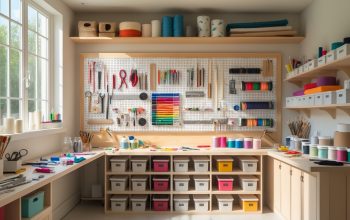
Absolutely, compact studios benefit from vertical storage like wall-mounted shelves and pegboards to keep supplies off surfaces. Clear bins or stackable drawers under tables help organize materials without taking up extra space. Multi-functional furniture, such as benches with built-in storage, also maximizes utility while keeping the area tidy.
If I’ve already set up my studio and now realize my current layout leads to workflow bottlenecks, what are some practical first steps to rearrange zones without totally starting from scratch?
Start by identifying which zones cause the most bottlenecks, such as areas where supplies or tools are hard to access. Try shifting movable items like tables, storage units, or tool racks before considering bigger changes. Small adjustments, like grouping similar activities together, often improve flow without needing a major overhaul.