
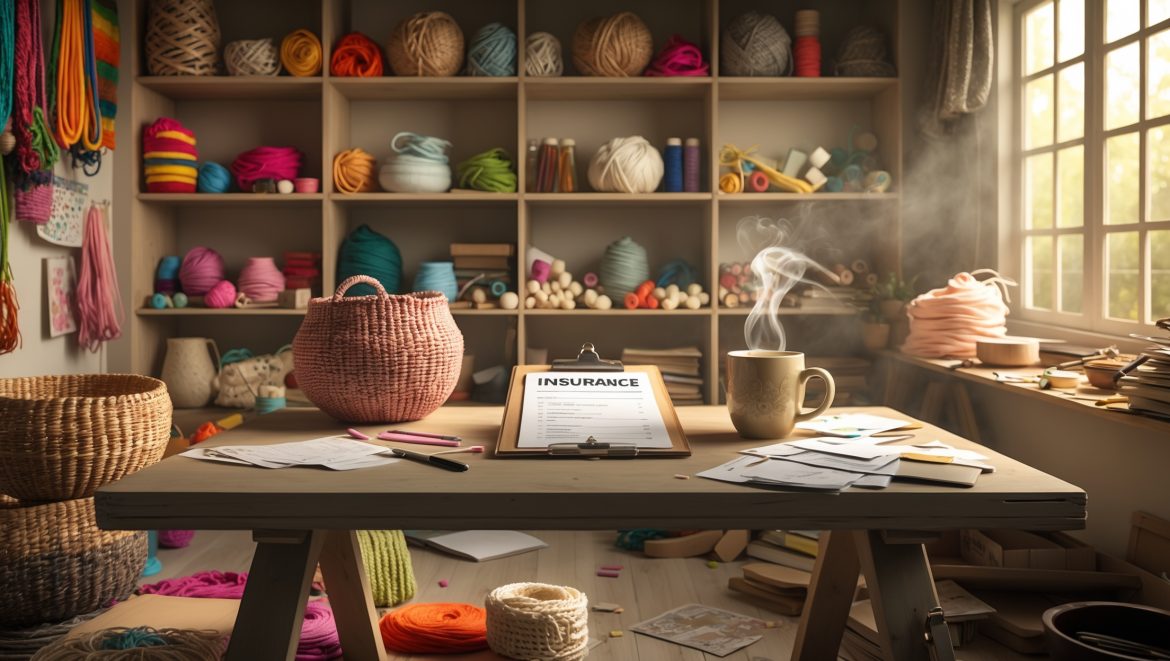
Introduction: Insurance Essentials for Home-Based DIY Craft Sellers
Running a DIY craft business from home is a dream for many creatives. You get to set your own hours, immerse yourself in your passion, and earn income doing what you love. However, one crucial aspect is often overlooked in the excitement of setting up shop: insurance. Whether you’re selling hand-poured candles, custom woodwork, or beautifully stitched textiles, your home-based craft operation is a small business—and with that comes exposure to unique risks. From accidental injuries to property damage, theft, and product liability, the unexpected can disrupt your creative journey and financial stability.
This comprehensive guide demystifies insurance for home-based DIY craft sellers. We’ll cover the essential types of coverage, clarify what your homeowner’s policy does (and doesn’t) cover, provide real-world scenarios, and share practical steps to protect your business and peace of mind. If you’re ready to safeguard your creative venture, read on—this is the insurance roadmap every home-based maker needs.
Why Home-Based Craft Businesses Need Insurance
Risks Unique to Craft Sellers
Many crafters believe that working from home shields them from business risks, but the reality is more complex. Selling handmade goods exposes you to potential claims from:
- Customer Injuries: A client trips over a cord during a studio pickup.
- Product Liability: A candle causes a fire, or a child swallows a bead from your jewelry.
- Property Damage: Your supplies or finished products are destroyed in a flood or fire.
- Theft or Vandalism: Break-ins targeting valuable craft equipment or inventory.
- Event Risks: Accidents or damages occurring at craft fairs or pop-up markets.
Without the right insurance, you could be held financially responsible, jeopardizing your business and personal assets.
Homeowner’s Insurance: What’s Actually Covered?
Most homeowner’s policies offer minimal (if any) coverage for business-related property and activities. Typically, there are strict limits for business equipment—often capped at $2,500, and sometimes even less. More importantly, liability for business activities is almost always excluded. If a customer is injured in your home, or if a product you sell causes harm, your personal policy will likely deny the claim.
Bottom line: If you’re selling crafts as more than a hobby, you need business-specific insurance.
Types of Insurance Every DIY Craft Seller Should Consider
1. General Liability Insurance
This is the cornerstone of protection for any small business. General liability covers bodily injury and property damage claims from third parties (customers, visitors, vendors). For example, if a customer slips on your porch while picking up an order, this policy helps cover medical costs and legal fees.
2. Product Liability Insurance
As a maker, you’re responsible for the safety of your products—even after they leave your hands. Product liability protects you if your handmade item causes injury or property damage. This is vital for anything intended for children, skin contact (like soaps or lotions), or candles and food items.
3. Business Property Insurance
This covers your tools, materials, and inventory against fire, theft, vandalism, or certain natural disasters. Some policies also cover offsite property, such as crafts displayed at fairs or consignment shops. Don’t assume your homeowner’s policy will suffice—business property is almost always excluded or severely limited.
4. Home-Based Business Endorsement
Some insurers offer add-ons to your homeowner’s policy to cover limited business activities and property. This can be an affordable option for very small-scale operations, but be aware of coverage caps and exclusions.
5. Commercial Auto Insurance
If you use your vehicle for business—delivering products, transporting supplies, or traveling to shows—you may need a commercial auto policy. Personal auto insurance typically doesn’t cover business use.
6. Inland Marine Insurance
This specialized policy covers valuable movable property, such as craft inventory and equipment, while in transit or stored offsite (e.g., at a craft fair or gallery).
7. Event Insurance
Many craft fairs and markets require vendors to have proof of insurance. Event insurance provides short-term liability coverage for specific events. Some policies are available per-day or per-event.
8. Professional Liability Insurance
If you teach workshops or offer creative consultations, professional liability (errors and omissions) covers claims of negligence, mistakes, or failure to deliver services as promised.
Case Scenarios: Real-World Risks for DIY Sellers
Scenario 1: Product Mishap
You sell handmade soy candles at a local market. A customer claims your candle caused a fire, resulting in $20,000 in property damage. Without product liability insurance, you could be on the hook for damages and legal fees.
Scenario 2: Studio Accident
You host a private workshop in your home studio. A participant trips, breaks an ankle, and files a claim for medical costs. Your homeowner’s policy denies the business-related claim. General liability insurance would cover this.
Scenario 3: Theft at a Craft Fair
During setup at a busy craft fair, your entire display of jewelry is stolen from your booth. Business property or inland marine insurance can help recover your losses.
Scenario 4: Damaged Inventory
A pipe bursts in your basement studio, ruining $5,000 worth of art prints and supplies. Homeowner’s insurance provides minimal (if any) reimbursement for business property. A business property policy covers the loss.
How to Choose the Right Insurance for Your Craft Business
Step 1: Assess Your Risks
- What products do you sell, and how are they used?
- Do you host clients or workshops at home?
- Do you travel with inventory or display items at offsite events?
- What’s the total value of your equipment and inventory?
Make a detailed list of your activities, assets, and potential exposures.
Step 2: Inventory Your Assets
Document all tools, materials, finished products, and business equipment. Take photos and keep receipts. This will help you determine coverage amounts and simplify claims if you suffer a loss.
Step 3: Consult with a Knowledgeable Agent
Seek out insurance agents with experience in home-based and creative businesses. They can help you interpret policy language, compare options, and avoid gaps in coverage. Don’t settle for generic policies—ask specific questions relevant to your craft.
Step 4: Compare Policies and Quotes
- What are the coverage limits and deductibles?
- Are offsite events, transit, or workshops included?
- What exclusions apply (e.g., children’s products, food items, flammables)?
- Can you bundle multiple coverages for savings?
Step 5: Update Your Policy as You Grow
Your insurance needs will evolve. Review your policy annually—especially when launching new products, hiring help, or increasing sales volume.
Cost Breakdown: What to Expect When Insuring Your Home Craft Business
Insurance costs vary based on your products, revenue, location, and coverage limits. Here’s a rough breakdown (as of 2024):
- General Liability: $200–$500/year for basic coverage
- Product Liability: Often included with general liability, or $100–$400/year extra
- Business Property: $250–$600/year, depending on inventory/equipment value
- Event Insurance: $50–$150 per event
- Home-Based Business Endorsement: $50–$200/year (with coverage limits)
Remember: The right coverage can mean the difference between a minor setback and a business-ending disaster.
Risk Management Tips to Lower Your Premiums
- Install security systems: Cameras, alarms, and sturdy locks deter theft and may qualify for discounts.
- Document your inventory: Keep updated, dated records of your materials and finished goods.
- Follow safety best practices: Use fire extinguishers, proper storage for flammables, and maintain a clutter-free studio.
- Label products clearly: Include warnings and safe use instructions, especially for children’s items or candles.
- Secure workshop areas: Prevent customer injuries by keeping walkways clear and tools stored safely.
- Limit access during events: Use barriers or signs to keep visitors out of hazardous areas during studio tours or workshops.
What to Do If You Need to File a Claim
1. Document Everything
Take photos, gather receipts, and record the details of the incident as soon as possible.
2. Notify Your Insurer Promptly
Most policies require immediate notification of claims. Delays can jeopardize your coverage.
3. Cooperate with Adjusters
Provide any requested information and respond promptly to questions from your insurer.
4. Keep Communication Records
Maintain copies of all correspondence with your insurer for reference.
5. Review Settlement Offers Carefully
If you have questions or concerns about your claim, consult your agent or a legal professional.
Common Myths About Home Craft Business Insurance
- “I’m too small for insurance.” Even micro-businesses face risks that can result in costly lawsuits or losses.
- “My homeowner’s policy covers everything.” It almost never covers business liability or full business property value.
- “Insurance is too expensive.” Basic coverage is often affordable—less than the cost of replacing equipment or fighting a lawsuit.
- “Event insurance is only for big vendors.” Many shows require all vendors to carry liability coverage, no matter your size.
- “I only sell online, so I don’t need coverage.” Product liability applies wherever your items are sold, including Etsy, Shopify, or Instagram sales.
FAQs: Insurance for DIY Craft Sellers
Do I need insurance if I only sell on Etsy or at a few local markets?
Yes. Platforms like Etsy increasingly require sellers to carry liability insurance, and local markets or fairs may require proof of coverage. Even if not required, liability and property insurance protect you from unexpected events.
What if I operate as a hobby, not a registered business?
If you accept payment for your crafts, you’re considered to be operating a business in the eyes of insurers and the law. Hobby status does not shield you from liability.
Will insurance cover me if I sell food items or skincare?
Specialty insurance is required for consumables and cosmetics. Always disclose your products fully to your agent to avoid denied claims.
Conclusion: Protect Your Passion and Your Profits
Building a home-based DIY craft business is a rewarding adventure—but it’s not without real-world risks. Insurance may not be the most exciting aspect of creative entrepreneurship, but it’s one of the most important. The right coverage acts as a safety net, allowing you to focus on your art without fearing the financial fallout of accidents, theft, or liability claims.
Take the time to assess your business activities, inventory your assets, and consult with an insurance professional who understands the unique needs of makers and crafters. Don’t wait for a loss or lawsuit to discover gaps in your protection. With thoughtful planning and the right coverage in place, you can confidently grow your creative business—knowing you’re prepared for whatever comes your way.
Ultimately, insurance is an investment in your craft, your livelihood, and your peace of mind. Safeguard your studio, shield your finances, and keep turning your creative passion into profit for years to come.
For makers who participate in occasional craft fairs or pop-up markets, is event insurance necessary every time, or are there policies that cover multiple events throughout the year?
If you attend several craft fairs or pop-up markets during the year, you don’t need to buy separate event insurance each time. Many insurers offer annual policies that can cover multiple events, which may be more convenient and cost-effective than purchasing single-event coverage repeatedly. Be sure to confirm coverage limits and requirements with your provider.
Could you explain what kind of real situations would qualify as product liability for a DIY crafter, especially if it’s just friends or neighbors buying my stuff?
Product liability applies if someone is harmed or suffers property damage because of a product you made and sold—even informally to friends or neighbors. For example, if a candle you sold causes a fire, or a handmade toy breaks and injures a child, you could be held responsible. Liability risk exists regardless of how small or personal your sales are.
If I sell my crafts mostly online but occasionally do local craft fairs, does event insurance cover me for both, or do I need separate policies for each situation?
Event insurance usually covers you specifically for in-person events like craft fairs, protecting you during the time and place of each event. For your regular online sales, you’ll likely need a separate business or product liability policy, since event insurance doesn’t extend to ongoing online activities. It’s a good idea to talk to your insurer to ensure both aspects are covered.
How quickly can a home-based craft business get insured after applying, and are there any immediate coverage options to protect new inventory while waiting for a policy to take effect?
Most home-based craft businesses can get insured quite quickly—some insurers approve applications within 24 hours, especially if you apply online. For immediate protection, you might ask insurers if they offer temporary binders or short-term policies that cover your new inventory as soon as you submit your application. It’s best to clarify effective dates with your insurance provider during the process.
Could you clarify what steps I should take if my homeowner’s policy doesn’t cover any business-related losses? Is it possible to add a business endorsement, or do I need a standalone business policy from the start?
If your homeowner’s policy excludes business-related losses, you can ask your insurer if they offer a business endorsement to add coverage for your craft business. However, many home-based businesses need a separate, standalone business policy for adequate protection. It’s best to discuss your business activities with your agent to determine which option gives you proper coverage from the beginning.
If I mostly sell my crafts online and never have customers visit my home, do I still need coverage for customer injuries, or should I focus more on product liability insurance?
Since you sell your crafts online and don’t have customers visiting your home, coverage for customer injuries on your property is less important. Instead, it’s wise to focus on product liability insurance, which protects you if someone claims your product caused harm or damage. This type of coverage is especially relevant for online sellers.
When budgeting for insurance as a home-based maker, what factors most affect the cost? For example, does the type of craft or selling at events like pop-up markets usually increase the premium?
Several factors can influence your insurance cost as a home-based maker. The type of craft does play a role—items with higher safety risks or customization can lead to higher premiums. Selling at pop-up markets or craft fairs often increases the cost too, since it means more public exposure and potential liability. Other factors include your annual sales, the amount of coverage you choose, and your business location.
My homeowner’s insurance agent told me there’s very limited coverage for business activities at home. Are there additional policies I can add to my existing home insurance, or do I need to get a completely separate policy for my craft business?
Most homeowner’s insurance policies offer only minimal or no coverage for business activities, including home-based craft sales. Some insurers may let you add a home business rider or endorsement to your current policy, which can provide limited extra protection. However, for broader coverage—like liability or product coverage—a separate home-based business or craft business insurance policy is usually recommended. It’s best to discuss these options directly with your insurer so you can choose the right protection for your situation.
If a customer claims they got injured by one of my handmade products, what are the first steps I should take before reaching out to my insurance company?
If a customer reports an injury from your handmade product, document all the details of the incident, including what happened, when, and any communication from the customer. Preserve the actual product if possible. Avoid admitting fault or making promises. Gather relevant sales records and photographs of the item. Having these details ready will help your insurance company handle the situation efficiently.
Can you provide guidance on the initial steps to take if a customer gets injured during a pickup at my home and I haven’t set up business insurance yet?
If a customer gets injured at your home and you don’t have business insurance, first ensure they receive any necessary medical attention. Document the incident thoroughly, including photos and statements if possible. Notify your homeowner’s insurance provider, as they may cover some incidents, but be aware that business-related claims are often excluded. Consider consulting a legal professional to understand your liability and next steps.
How expensive is getting the right insurance for a small craft business that’s just starting out? I’d love some practical tips for someone on a tight budget who wants to make sure their supplies and products are covered.
Insurance costs for small craft businesses can vary, but basic general liability coverage often starts around $25–$40 per month. To keep costs down, consider choosing a policy with a higher deductible, only insuring essential inventory, and asking about bundling options. Sometimes joining craft or trade associations can unlock group discounts for business insurance too.
I do most of my sales online but occasionally set up at local craft fairs. Do I need separate insurance when I participate in events like pop-up markets, or is there one policy that covers both situations?
You can often find a single insurance policy that covers both your online sales and participation in local craft fairs or pop-up markets. When choosing a policy, make sure it includes product liability for your goods and also covers you for offsite events. Let your insurer know about both types of sales to ensure you’re properly protected everywhere you sell.
For someone just starting out and making small sales online, what would be the most budget-friendly insurance option that still covers product liability for things like candles or jewelry?
If you’re just starting out and making small online sales, a home-based business insurance policy or a craft-specific policy is usually the most affordable way to get product liability coverage. These policies are designed for small operations and can be tailored to cover products like candles or jewelry, often for a lower premium than standard business insurance.
How much should I budget annually for insurance coverage if I’m just starting out selling crafts from home and only attend a few local markets a year?
For a home-based craft seller just starting out and attending a few local markets per year, you can typically expect to budget between $200 and $500 annually for basic liability insurance. Costs may vary based on your location, the type of crafts you sell, and the coverage limits you choose.
After reading about the risks like floods or fires damaging supplies, I’m curious how long it takes to actually get coverage in place for a new home-based craft business. Is it a complicated process or can it be set up pretty quickly?
Getting insurance for a home-based craft business is usually a quick and straightforward process. Many insurers can get you covered within a day or two, especially if you apply online. You’ll typically just need to provide details about your business and inventory. It’s not complicated, but having information about your supplies and sales ready will speed things up.
If a customer gets hurt while picking up an order at my house, what steps should I have in place to minimize legal or financial risk before insurance even comes into play?
To minimize risk, keep your pickup area safe and clutter-free, post clear signs for visitors, and restrict access to hazardous parts of your home. Ask customers to schedule pickups in advance so you can prepare the space. Keeping records of each visit and having customers sign a pickup acknowledgment can further help protect you if an incident occurs.